
Last updated: October 26, 2026
Equipment Leasing for Businesses
How true leases, operating leases and purchase-style structures differ, and which one fits your equipment.
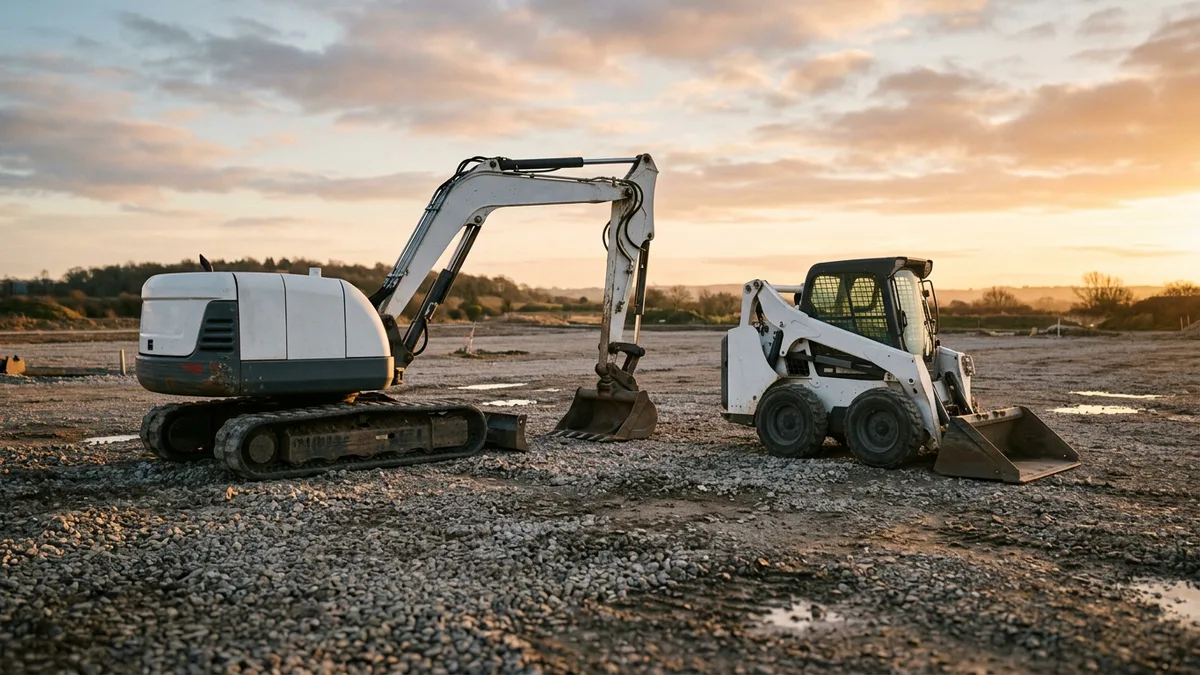
Equipment leasing lets a business use equipment for a set term in exchange for payments, then return it, renew or buy it. A true lease keeps ownership with the lessor; other structures work more like a purchase.
Most owners don’t start by asking whether to lease. They ask what happens when the term ends, and who the IRS says owns the machine while they run it every day, and those two answers pick the structure long before anyone talks about the payment.
Paramount Financial specializes in equipment leasing and financing for businesses nationwide. Here’s the short version, in plain terms, before you talk to anyone.
How equipment leasing works, start to finish
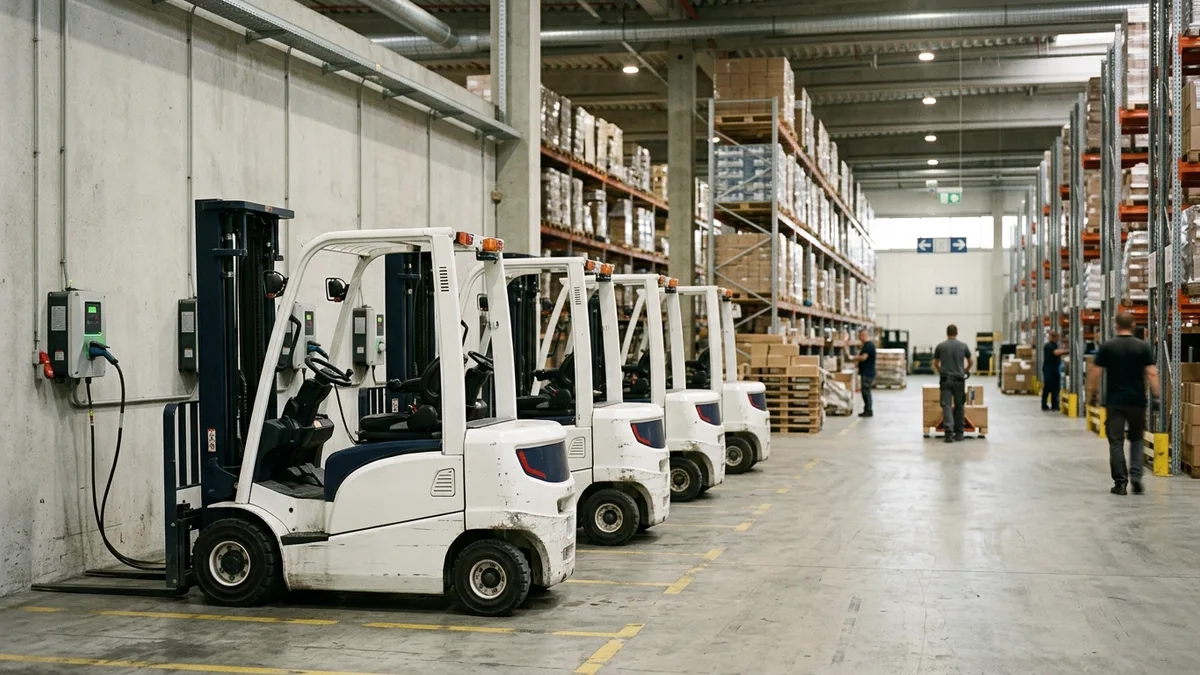
In an equipment lease, a lessor buys the equipment you pick and lets you use it for an agreed term. You make scheduled payments and keep the machine working. When the term ends, the lease spells out what happens next, and you can return the equipment, renew the lease, or buy it under the purchase option written into the agreement.
That end-of-term clause is the whole game. Read it first. A forklift that holds its value and a laptop fleet that doesn’t are different deals, even when the monthly figure looks alike on the first page of the proposal, which is exactly why the clause deserves the closer read. Same payment, different deal.
Which equipment leasing structure fits
Start with two questions. How long will the equipment run, and what will it be worth afterward? Your answers usually point to one of four structures.
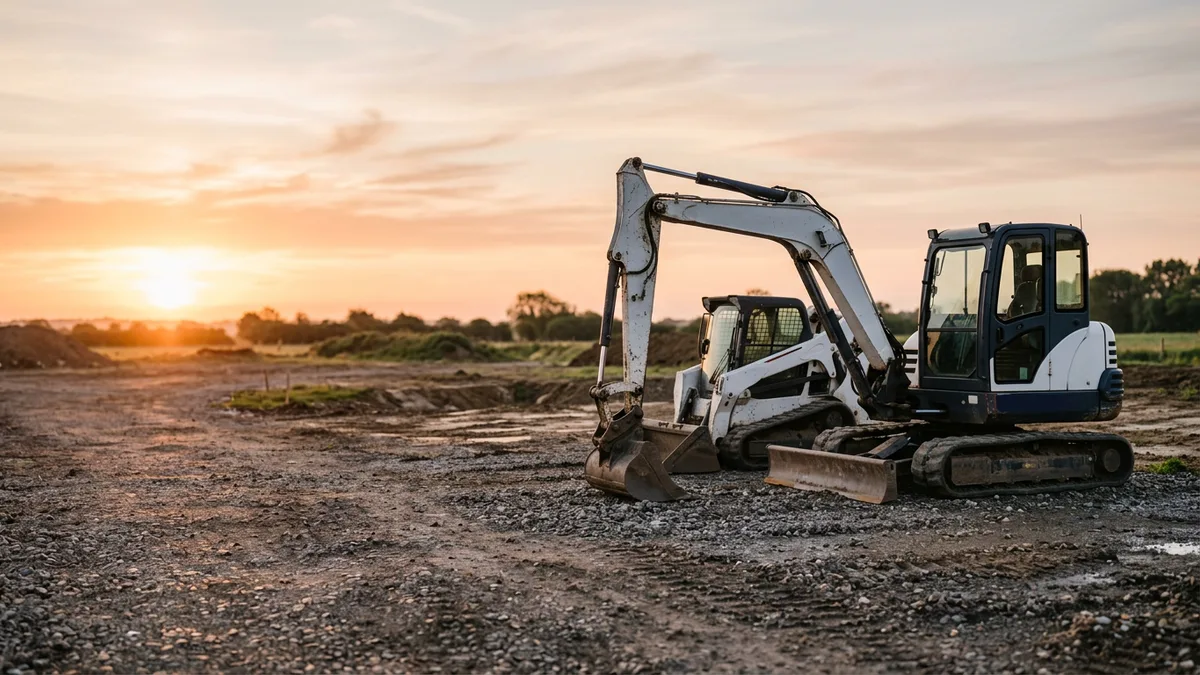
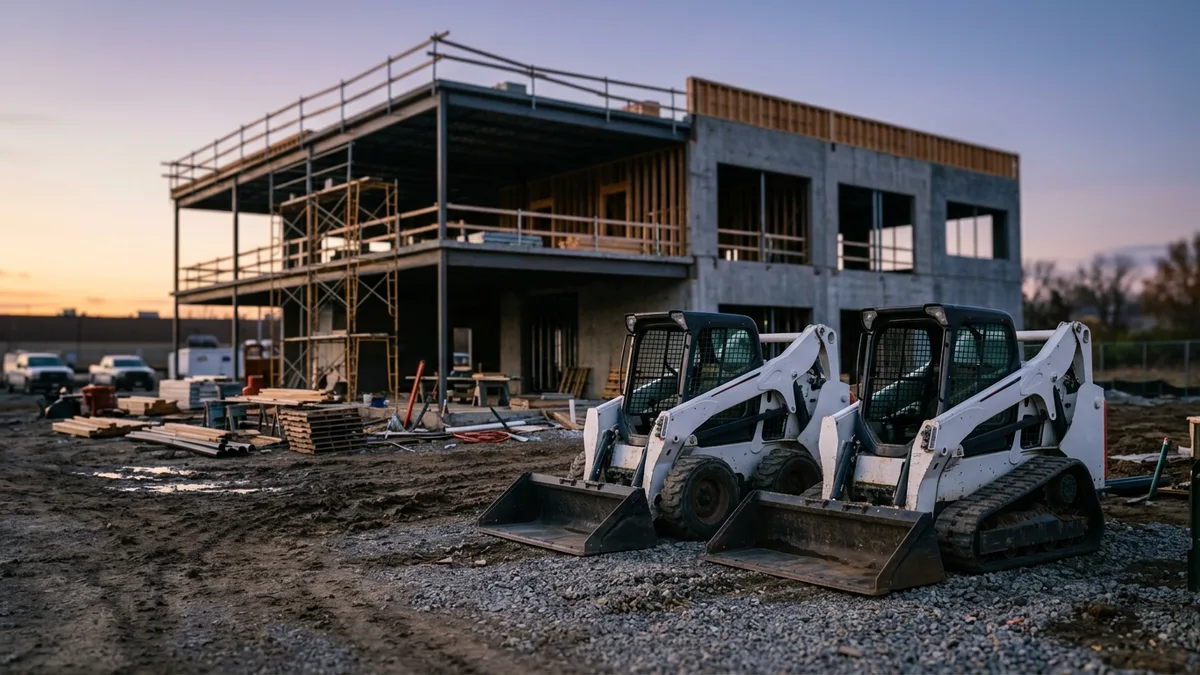
It has its own page. See heavy equipment financing and leasing for excavators, skid steers and cranes.
Want more depth? Compare operating leases and finance leases, or read the key terms to check in an equipment lease agreement before you sign.
How a lease differs from a loan at tax time
The IRS cares who keeps the incidents of ownership. IRS Publication 946, written for 2025 returns, says a business that leases property generally can’t depreciate its cost, because it doesn’t keep the incidents of ownership that come with owning the equipment. In a true lease, the lessor is the one holding that depreciation. That’s the core split.
A $1 buyout lease or an equipment finance agreement looks more like a purchase, so depreciation and Section 179, reported on Form 4562, can come into play. Limits change every tax year, so check the 2026 figures on irs.gov, and consult your tax advisor about how the agreement in front of you will be treated before you sign anything.
Equipment leasing structures side by side
| What to compare | True lease (operating lease) | $1 buyout lease | Loan or equipment finance agreement |
|---|---|---|---|
| Who owns it during the term | The lessor holds title. | The business, in substance. | The business, with the financer holding a UCC-1 lien on the equipment. |
| At the end of the term | Return it, renew, or buy it under the purchase option. | The business keeps it for a nominal amount. | The business owns it once the agreement is paid off. |
| Where it tends to fit | Equipment that dates quickly or gets replaced on a cycle. | Equipment used for its full working life. | Long-lived equipment when ownership matters from day one. |
| How the IRS generally views it | The lessor depreciates it; the lessee generally can’t. | Generally a purchase, so the business may depreciate it. | A purchase, so the business may depreciate it. |
A lease, one step at a time
1
Choose the equipment
You pick the machine and the vendor. The lessor buys it.
2
Settle the structure
The lease states who owns the equipment and what the end-of-term options are.
3
Run it for the term
You use the equipment, make the scheduled payments, and meet the maintenance and insurance duties in the agreement.
4
Decide at the end
Return it, renew, or buy it under the purchase option the lease gave you at the start.
Four lease structures to know
Equipment leasing questions
So how does an equipment lease actually work?
Short answer: the lessor buys the equipment and you pay to use it for a set term. The lease sets the payment schedule and the end-of-term options before anyone signs.
That’s the whole mechanism. Everything else is detail, and the detail lives in the end-of-term clause.
What’s the difference between a true lease and a finance lease?
A true lease keeps ownership with the lessor, and a finance lease works like a purchase.
In a true lease you return the equipment, renew, or buy it under the purchase option, while in a finance lease, such as a $1 buyout lease, the business keeps the equipment for a nominal amount once the term ends. The IRS looks at the substance of the agreement. Labels don’t decide it.
Is an operating lease the same thing as a true lease?
In everyday use, an operating lease is a true lease: the lessor owns the equipment and the business uses it for a term.
The words come from two worlds. For tax, a true lease means the lessor is the owner.
For accounting, an operating lease is a classification under FASB ASC 842, and your accountant decides how a given lease gets reported on the books, which is a separate question from how the IRS sees it. They overlap. They aren’t identical.
What happens when an equipment lease ends?
Three things can happen: you return the equipment, renew the lease, or buy the equipment under the purchase option written into the lease.
A fair market value lease prices the purchase at what the equipment is worth then. A $1 buyout lease is built so the business keeps it for a nominal amount. Return conditions, such as wear and hours of use, sit in the agreement too. Wear counts.
Is it better to lease or buy equipment?
The better question is how long you’ll use the equipment and what it will be worth later.
Equipment that holds its value or runs for its whole working life points toward buying or a $1 buyout lease. Equipment that dates quickly or gets replaced on a cycle points toward leasing. Resale value matters. Neither wins every time.
Does leasing change how a business pays taxes on equipment?
It can. The IRS treats a true lease differently from a purchase.
IRS Publication 946 says a business that leases property generally can’t depreciate its cost. A purchase-style lease or a loan may bring depreciation and Section 179 into play. Limits change every tax year, so check the 2026 figures on irs.gov, and consult your tax advisor about which treatment fits the agreement you’re looking at before you sign anything.
What should I check in a lease before I sign?
Check the term, the payment schedule, the end-of-term options, who handles maintenance and insurance, the return conditions, and what an early exit involves.
Have the person who prepares your taxes read the purchase option too. Read it twice. And ask what happens if the equipment is lost, damaged or no longer needed. Terms vary.
Talk through the structure before you sign
Tell us what equipment you need, how long you’ll use it and what you want at the end of the term, or start an equipment lease application now. Questions first? Talk to a Paramount Financial specialist.