
What Is a UCC Filing? How UCC-1 Liens Work on Financed Business Equipment

Key takeaways
A UCC filing is a public notice, filed with a state under the Uniform Commercial Code, that a lender holds a security interest in named business property. The collateral description sets how far it reaches.
- The filing is a notice. The loan agreement is a separate document.
- Read the collateral line first: one machine, or everything the business owns.
- A lender can file only with your authorization, and it has to end the filing after you’ve paid.
- You can search your own record. Once a year is a good habit.
Search “UCC” and most of what comes back is church-related content. In your financing paperwork it means the Uniform Commercial Code. A lender mentions a “UCC-1” while you’re lining up equipment financing, or asks who else has a lien on your equipment, and you start wondering what a UCC filing is and whether it touches the next machine you buy.
It does. It’s a public record, too. You can read yours.
What a UCC Filing Does
A UCC filing is a form a lender files with a state to give public notice that it holds a security interest in business property. The form is called a UCC-1 financing statement. It names the borrower, names the lender, and describes the collateral. That’s the whole record.
The rules sit in Article 9 of the Uniform Commercial Code, which each state enacts as its own law. Under UCC 9-502, a financing statement is sufficient only if it provides the debtor’s name, the secured party’s name, and an indication of the collateral. Miss one and it fails.
The filing isn’t the lien. The lien, a security interest, comes from the security agreement you signed. The filing tells everyone else it exists and helps fix the lender’s place in line. Without it the lender still has its claim against you, but it risks ranking behind a later lender that does file, which is why a lender that takes collateral normally files before it funds.
Under UCC 9-509, a lender may file only if you authorized it, and signing the security agreement does that for the collateral the agreement describes.
Where does it go? To the filing office of the state where the business is organized. A Delaware corporation files in Delaware even if every machine sits in Texas. A sole proprietor is different, because UCC 9-307 locates an individual at their principal residence.
Trucks and trailers with a certificate of title mostly skip the UCC. The lender’s lien goes on the title instead.
Reading the Collateral Description

Skip the legal language. Find the collateral line. It tells you how much of your business the lender can reach.
A narrow description reads like a parts order: make, model, serial number. A broad one reads “all assets of the debtor.” Same form. Very different reach.
Here’s a wrinkle most explainers skip. The law treats the filing and the agreement differently. A financing statement can say “all assets” and still be sufficient under UCC 9-504. A security agreement can’t.
UCC 9-108(c) says a description such as “all the debtor’s assets” does not reasonably identify the collateral. So a broad filing sitting on top of a narrow agreement is common, and the agreement is what limits the lender. Read both.
The rule we’d give an owner is simple. Match the description to what you’re buying. If you’re financing a compact track loader, the collateral line should name that loader, and if it says more than that, ask what else it reaches and get the answer in writing.
Dealers meet the same filing from the other side. A customer who finances a machine at the point of sale ends up with a UCC-1 naming that machine, so the serial number on the invoice and the serial number on the filing should match. Dealers who want financing in the sale from the start can look at our page on dealer financing.
Specific Collateral and Blanket Liens
Two reaches, one form. The table shows the difference.
| Blanket lien | Specific collateral | |
|---|---|---|
| What it covers | All or nearly all business assets | One described item, by make, model, and serial number |
| Typical wording | “All assets of the debtor” | “One compact track loader, serial number as scheduled” |
| What it leaves free | Very little | Everything not described |
| Next lender sees | Assets already claimed | Other assets still available |
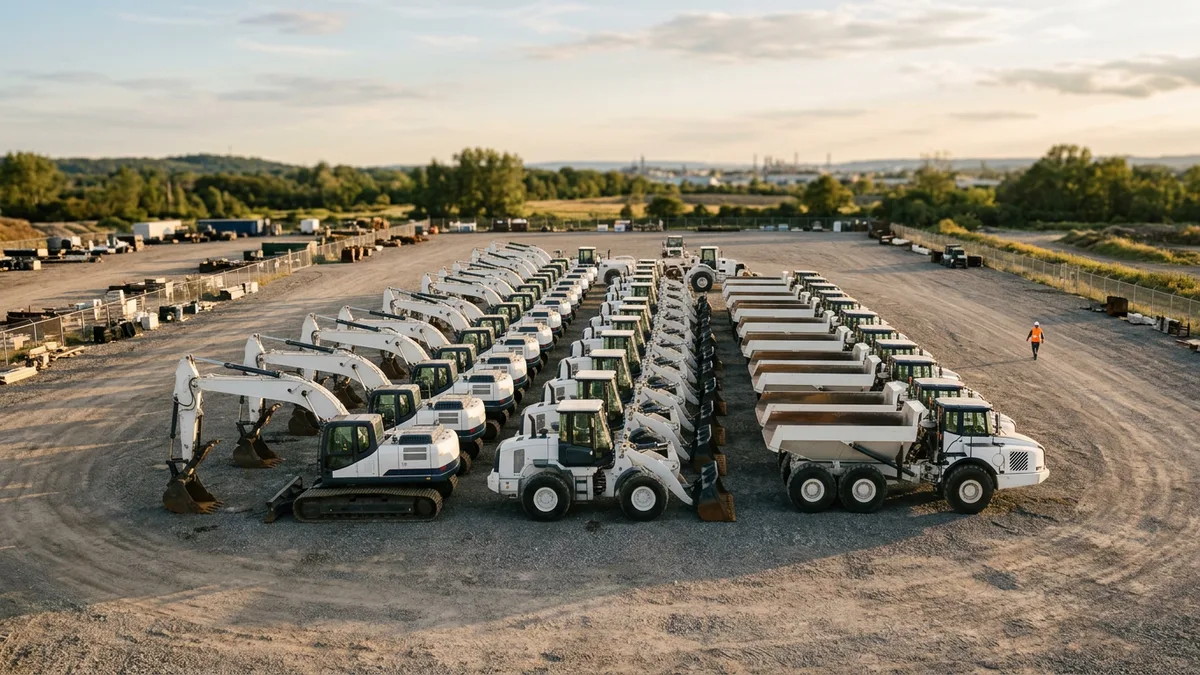
A blanket lien reaches equipment, inventory, receivables, and deposit accounts alike. Lenders like the coverage. Borrowers feel it later, when most of what they own is already spoken for and a second lender has to ask about the first one’s claim. Working capital lines and some other business loans sometimes carry one.
SBA loans have their own rules.
The SBA’s lender guidance says it considers a standard 7(a) loan “fully secured” when the lender has taken security interests in the assets being acquired, refinanced, or improved, plus the applicant’s available fixed assets, up to the loan amount. Read the SBA’s own description if that’s your loan. It’s a definition for the program. It isn’t a promise about any single lender.
Financing One More Machine
Say a bank already holds a blanket lien on your business and you want to finance another machine. Can a second lender take that machine? Often, yes. There’s a rule for it, and it’s short.
20 days
The window after the buyer takes possession in which a lender that finances the purchase of equipment can perfect its interest and still rank ahead of an earlier lien on that same equipment.
Source: Cornell Legal Information Institute, UCC 9-324, Priority of Purchase-Money Security Interests
Lawyers call it purchase-money priority. Under UCC 9-324(a), a perfected purchase-money security interest in goods other than inventory or livestock has priority over a conflicting security interest in the same goods, if it’s perfected when the debtor receives possession or within 20 days after. Equipment qualifies.
Timing matters. File late and the advantage is gone.
There’s a limit, and it’s the part owners forget. The rule sets priority between lenders. It does nothing to your contract with the first one, and a loan agreement can bar new liens or new debt, which makes breaking that clause a default whatever the UCC says.
If yours has one, ask the bank for written consent, or a carve-out for the new machine, before you sign anything.
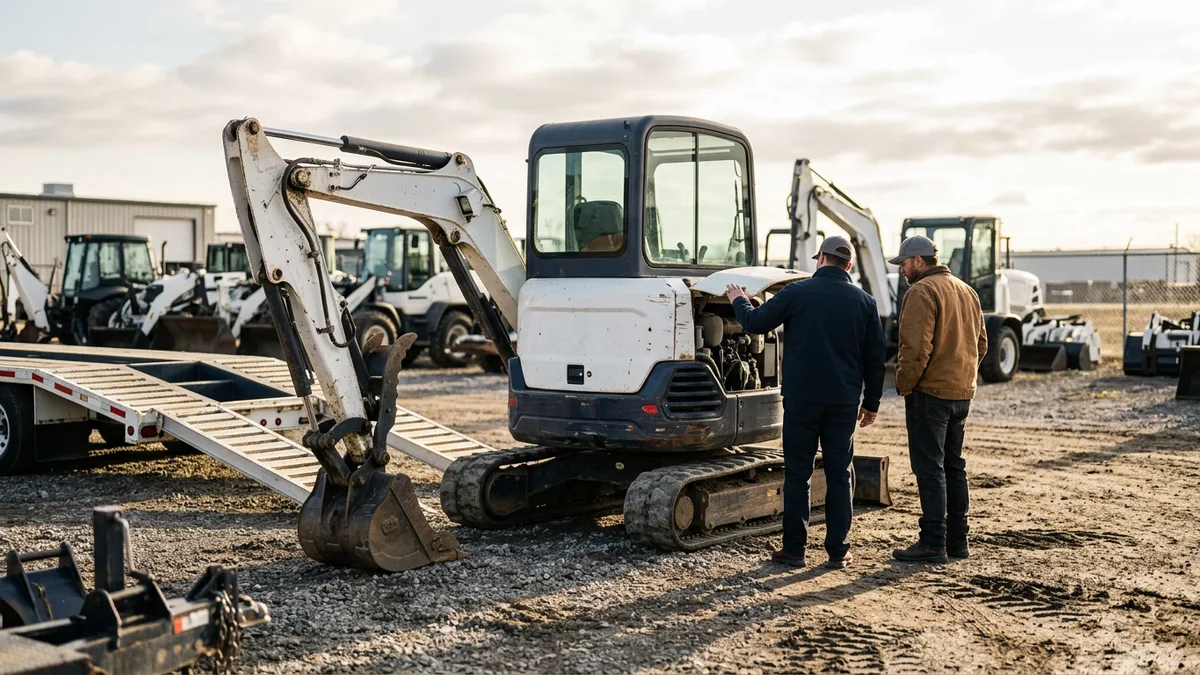
An excavation and site-work contractor adding a mini excavator, a regional trucking fleet adding a tractor, a dental practice adding an imaging unit: each runs into the same two documents. The collateral line on the new deal. The lien clauses on the old one. Check both before the equipment arrives, because the 20 days starts when you take delivery.
We finance heavy and construction equipment, so weigh this with that in mind. Plenty of owners don’t need a new loan at all. Paying cash or drawing on an existing line can be the cleaner path, and your accountant can tell you which.
How Long a UCC Filing Lasts
5 years
How long a filed financing statement stays effective. A continuation statement can extend it only if it’s filed within the six months before the five years end.
Source: Cornell Legal Information Institute, UCC 9-515, Duration and Effectiveness of Financing Statement
Under UCC 9-515, a financing statement stays effective for five years after it’s filed. Then it lapses, unless the lender files a continuation in that last six months. Miss the window and the lender’s place in line can be gone.
A lapse changes how the claim is treated. The security interest becomes unperfected, and against a buyer of the collateral for value it’s treated as if it was never perfected. That’s the lender’s problem, not yours. Still, know your dates.
Names trip filings up too. UCC 9-506 calls a financing statement seriously misleading if it doesn’t carry the debtor’s correct name, unless a search under the correct name, using the filing office’s standard search logic, would still turn it up. Practically, that means the legal name on your formation documents. Not the name on the truck door.
How to Search for a UCC Filing
Filings are public records. Searching your own business is the fastest way to find a surprise. Run it once a year.
- Pick the filing office. It’s the Secretary of State where your business is organized: Arizona for an Arizona LLC, Delaware for a Delaware corporation, California for a California one. Sole proprietors search where they live. The National Association of Secretaries of State keeps a page for each state’s UCC office.
- Search your exact legal name. Some offices ignore words like “Inc” and “LLC” in a search, so read the office’s search tips.
- Read every result: the secured party, the filing date, the collateral description, any amendment.
- Save a copy, and flag any filing for a loan you’ve already paid off.
That last flag leads to the next section.
Ending a UCC Filing with a UCC-3
A paid-off loan doesn’t clear the record. Someone has to file a UCC-3 termination statement. Until then the old filing sits there for the next lender to find.
Under UCC 9-513(c), once you send an authenticated demand, the secured party has 20 days to file the termination or send one to you. A lender that ignores the demand can owe damages under UCC 9-625, and since the old filing stays visible to every later lender in the meantime, a missed termination can slow down the next deal you try to finance.
Ask first, politely, in writing. Send the formal demand if the polite version goes nowhere. Do it anyway.
Keep the payoff letter and the date of your last payment. Keep a copy of the demand. Those papers are your case if a lien lingers. Simple.
Questions Owners Ask About UCC Filings
So what does a UCC-1 actually do?
A UCC-1 tells other lenders that someone already has a claim on the property it describes. It doesn’t create the claim, which comes from the security agreement, and it doesn’t say how much is owed. It also helps set priority, since generally the lender that files or perfects first ranks first.
Is a UCC filing the same thing as a lien?
Short answer: no. The lien is the lender’s security interest, created when you sign a security agreement. The filing is the public notice of it. A lien can exist without a filing, but the lender is exposed to later lenders until it files.
Realistically, how long does a UCC-1 stay on file?
Five years. That’s how long a filed financing statement stays effective under UCC 9-515. A continuation filed in the six months before the end adds five more. After a lapse the filing is gone, though the agreement between you and the lender still stands.
Can a bank with a blanket lien stop you from financing another machine?
Not by the UCC alone. The UCC sets priority between lenders, and a lender that finances the machine itself can rank first on it if it perfects within 20 days of delivery. Your loan agreement with the bank is another matter, because it can restrict new liens. Read it first.
Can a lender file against your business without telling you?
Wrong question, slightly. The better one is whether you authorized it. A lender may file only with your authorization, and signing a security agreement authorizes a filing on the collateral it describes. A filing nobody authorized is something to raise with the filing office and your attorney.
How do you get a UCC filing removed once the loan is paid?
Ask the lender for a UCC-3 termination statement, in writing. If nothing happens, send an authenticated demand. The lender then has 20 days to file the termination or send it to you. Keep the payoff letter and the date of your last payment with your copy of the demand.
UCC-1 versus UCC-3: what does each one do?
A UCC-1 starts the record. A UCC-3 changes or ends it. It can be a continuation that extends the filing, an amendment that corrects a name or the collateral, or a termination that ends it.
Next Steps
If a lender’s collateral line looks wider than the equipment you’re buying, ask about it before you sign. If you’re comparing options, see how Paramount Financial finances equipment or talk to our team. Our equipment financing FAQs cover the process, and for any specific agreement, your attorney has the last word. Ask early.