
Last updated: October 26, 2026
Startup Equipment Financing: How Lenders Review a New Business
See what lenders weigh when a business has no track record yet, and how to prepare for it.
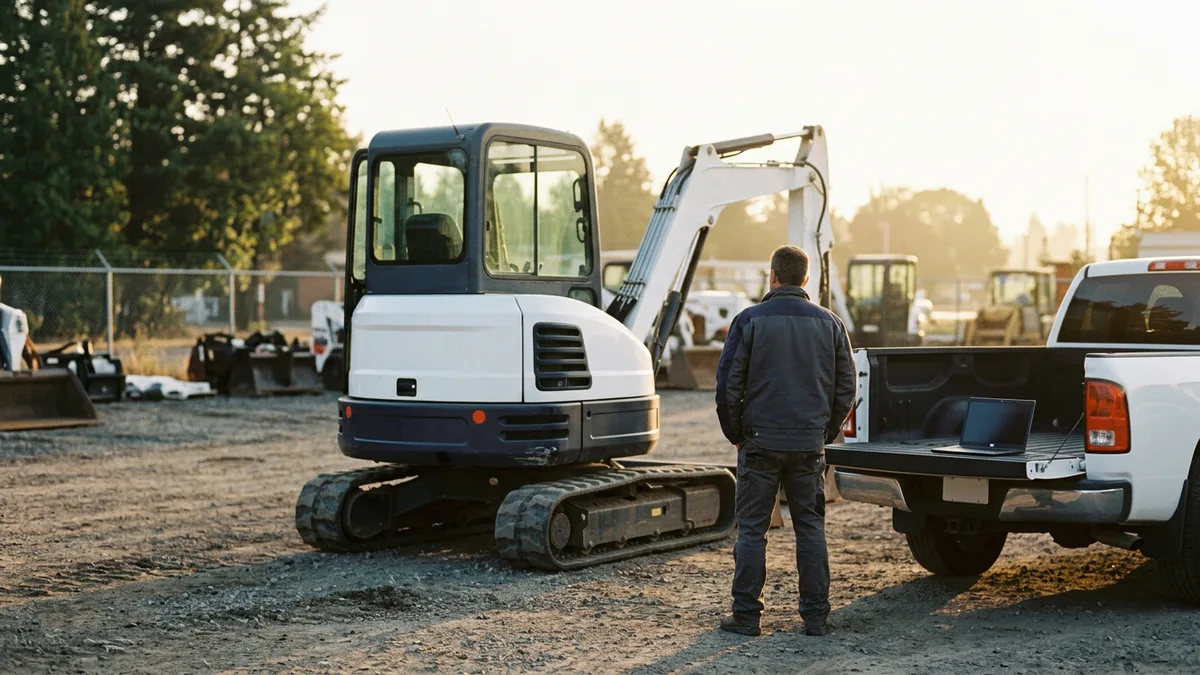
Equipment financing for startups rests on the machine itself: with no revenue history to review, a lender weighs the equipment as collateral, the owner’s experience and the business plan.
A new business has no tax returns to hand over. No three-year bank history either. So the review shifts to what’s in front of the lender: the machine, the owner and the plan. That’s the shift.
This page walks through that review step by step. For the wider picture, start with our guide to equipment financing for your business, then come back for the start-up view, where the review turns on the machine instead of the revenue.
How equipment financing for startups gets reviewed
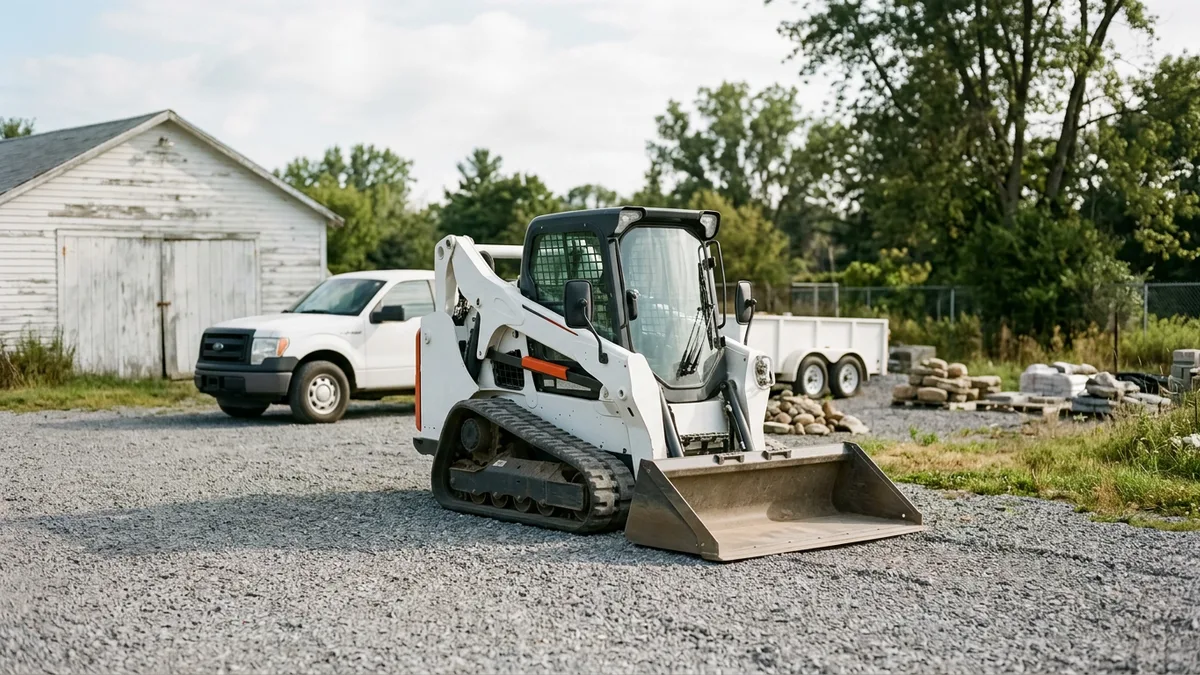
In a start-up review, the equipment does the heavy lifting. A lender takes a security interest in the specific machine being bought, so if payments stop there’s something to recover, and that interest is usually recorded with a UCC-1 financing statement, a public filing that ties the lender’s claim to the equipment. It’s a public record.
Under UCC section 9-502, a financing statement has to name three things: the debtor, the secured party and the collateral. That’s why a precise equipment description matters from the very first quote. Details count.
Why the owner’s background carries weight
With no revenue history, the owner is the track record. A lender wants to know whether you’ve run crews, driven the routes or worked the line before striking out on your own. Experience counts.
An excavation and site-work contractor, a new owner-operator and a first-time restaurateur get the same questions: how long have you worked with this kind of equipment, and what did you run before? Credit counts too. How much depends on the lender, and many lenders also ask the owner to sign a personal guarantee.
What to prepare for startup equipment financing
Every lender sets its own list, so treat this as a starting point. Get it ready early.
| Review area | What the lender wants to see | What to bring |
|---|---|---|
| Equipment | What it is, its age and condition, and what it costs | A vendor quote or invoice with the make, model, year and whether it’s new or used |
| Owner | Who’s behind the business and how well they know the trade | A resume or short bio, photo ID and the ownership breakdown |
| Business | Proof that the company exists and has a plan | Formation papers, an EIN letter and a business plan or one-page summary |
| Money | How the owner handles finances | A personal financial statement plus bank statements for any business account |
| Use | How the machine will earn | Signed work orders, letters of intent or a customer list, if any exist |
Start with the equipment quote. Every other document hangs on it, because the quote fixes the make, model and condition that a lender records against. Then work down the list in whatever order the paperwork arrives, and keep the names and addresses identical on every page.
If you’ve never written a plan, the SBA’s guide to writing a business plan is a free place to start.
Three reference points worth knowing
8
Sections in a traditional business plan
Source: U.S. Small Business Administration, Write your business plan (checked October 2026)
13
Common startup cost categories, equipment among them
Source: U.S. Small Business Administration, Calculate your startup costs (checked October 2026)
3
Items a UCC-1 financing statement must name
Source: Cornell Legal Information Institute, UCC section 9-502 (checked October 2026)
Four checks every startup file gets
Related equipment financing pages
Questions new owners ask before applying
Can a brand-new business really get equipment financing?
Short answer: some lenders do finance new businesses, because the equipment itself backs the deal. Standards vary from one lender to the next, and nothing on this page is a promise of approval, because every file is reviewed on its own merits by the lender that sees it.
What a reviewer sees first is the quote for the machine. Then the owner. Then the plan.
What counts as a startup in equipment financing?
There’s no single definition. Each lender draws its own line on how long a business must have operated, so one lender’s startup is another’s established account, which is why the same company can hear different answers from two lenders reviewing the same file.
Ask any lender how it draws that line before you spend time on an application.
What documents should I gather first?
Three things carry the most weight: a vendor quote for the equipment, formation papers for the business and something, such as a resume or a work history, that shows the owner’s experience.
A short business plan and bank statements round out the file. The table above has the full checklist.
What does a UCC-1 filing actually do?
A UCC-1 is a public filing that records a lender’s security interest in specific collateral, such as the machine being financed.
The filing names the debtor, the secured party and the collateral. Whether it covers one machine or a wider set of assets depends on how the lender writes it, so read the collateral description before you sign.
Does my personal credit matter if the business is new?
Often it does, because the owner’s credit is one of the few records available when the business has none of its own.
Lenders differ on how much weight it carries, and the equipment and the owner’s experience count as well. One input among several.
Do I need business tax returns to apply?
A brand-new business usually hasn’t filed one yet, so there may be nothing to hand over. Lenders look to other records instead: bank statements for any business account, the owner’s personal financial statement and the equipment quote.
Whether a particular lender asks for returns anyway is that lender’s call. Ask before you apply.
Is a lease or a loan the better fit for a new business?
It depends on how long the equipment will stay in service. A lease suits machines that lose value fast or need replacing, while a loan suits machines the business plans to keep. Neither wins every time.
In a lease the lessor owns the equipment during the term. With a loan or an equipment finance agreement, the business owns it and the lender holds a security interest, so ask a specialist to walk through both structures for your equipment and consult your tax advisor about the tax side.
Ready to talk through your equipment?
Tell us what you’re buying and where the business stands, and a Paramount Financial specialist will take it from there. Or start the credit application.