
Section 179 Deduction for Equipment (2026 Tax Year): A Guide for Business Owners

Key takeaways
The Section 179 deduction lets a business elect to expense qualifying equipment in the year it goes into service instead of depreciating it over several years. The 2026 limit is $2,560,000.
- Section 179 is an election you make on Form 4562. It doesn’t happen on its own.
- Ownership for tax decides who can claim it, whatever the contract is called.
- Taxable income caps the deduction, and the part you can’t use carries forward.
- Confirm the 2026 figures on irs.gov, then consult your tax advisor before you sign.
Two dates matter more than the price on a Section 179 election. One is the day the equipment starts doing its job. The other is December 31.
Miss the first and the purchase slides onto next year’s return. That’s why this topic spikes every fall. The limits, the lease questions, and the paperwork all sit on top of those two dates.
We finance equipment at Paramount Financial, so weigh what follows with that in mind. Paying cash works for the Section 179 deduction too, and so does a financed purchase. Leasing is another story. Everything below is for tax year 2026, with IRS sources linked and your tax advisor as the final word.
What the Section 179 Deduction Does
The Section 179 deduction is an election that lets a business treat the cost of qualifying equipment as an expense in the year it is placed in service, instead of depreciating it over several years. You make the election on Part I of Form 4562, filed with the tax return.
The rule itself is 26 U.S.C. § 179, and IRS Publication 946 explains how to use it, including which property qualifies, how the dollar limits shrink as purchases pile up, and why the election has to sit on the return for the year the equipment goes into service. Nobody does it for you. Two tests do most of the work.
- Acquired by purchase. Section 179(d) requires it. Property you inherit or receive as a gift wasn’t bought, and neither was a machine passed between related companies in a controlled group.
- Placed in service means ready and available for its job. A crate on the dock on December 30 doesn’t count. A calendar-year business needs the machine working by December 31.
Section 179 Deduction Limits for 2026
The numbers move every year. For tax year 2026 they’re in the box below, taken from the IRS.
$2,560,000
The maximum Section 179 expense deduction for tax year 2026, reduced dollar for dollar once the equipment placed in service in the year totals more than $4,090,000.
Read the phase-out slowly. Place $4,590,000 of qualifying equipment in service and the limit drops by $500,000 to $2,060,000, then keep adding equipment and it keeps shrinking by a dollar for every dollar over the threshold until the deduction runs out at $6,650,000. That’s where it ends. It isn’t the cap.
Three more limits decide who gets the full amount.
- The income cap. Under § 179(b)(3), the deduction can’t exceed taxable income from the active conduct of the business. What you can’t use this year isn’t lost: it carries forward, still under the limits of the year it lands in.
- More than 50% business use. A vehicle that’s half work and half weekends doesn’t clear that bar.
- SUVs: $32,000 for 2026, per Publication 946. Other vehicles follow their own rules, so ask your tax advisor before you count on one.
What Equipment Qualifies
Tangible business property, mostly. If it’s bolted to a shop floor or parked on a job site and it earns money, it’s a candidate. Publication 946’s list is longer than the examples below.
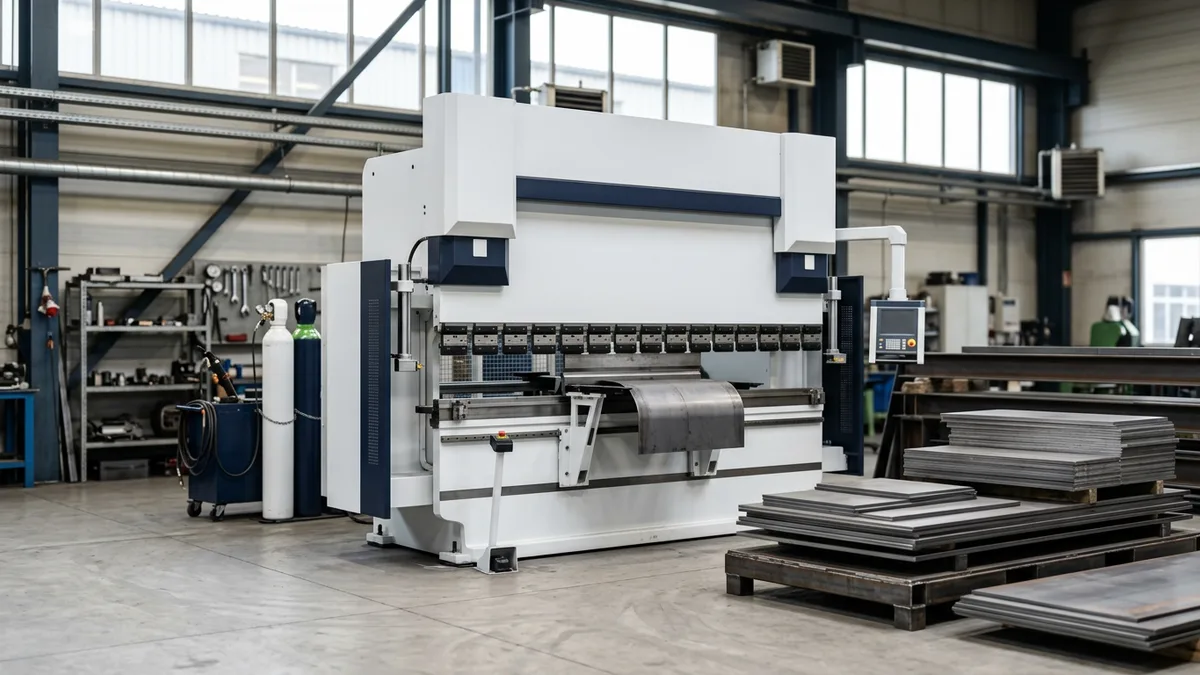
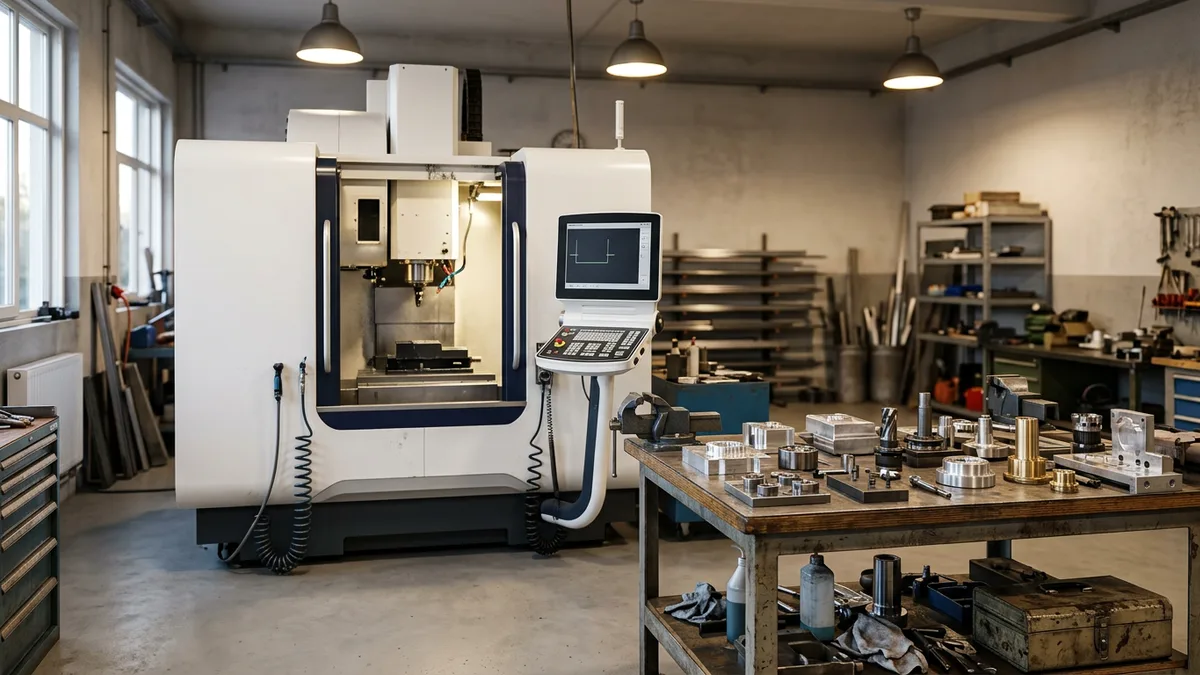
- A CNC machining center or a press brake in a machine shop.
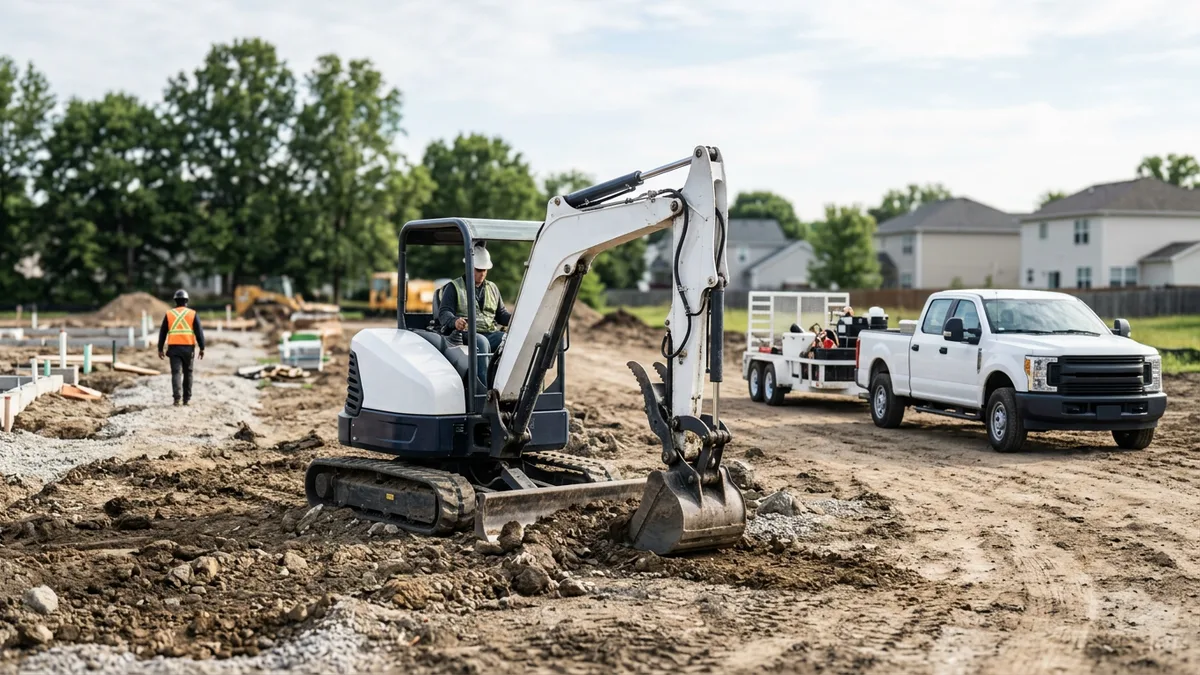
- A mini excavator, a trailer and a plate compactor for an excavation and site-work contractor.
- Food service: a deck oven and a walk-in cooler in a bakery or restaurant.
- Dental imaging systems, for a practice adding a new operatory.
- Off-the-shelf computer software, if it meets the Code’s conditions.
- Some building improvements. Section 179(e) names roofs, HVAC, fire protection and alarm systems, and security systems on nonresidential buildings. Land and the building shell stay out.
Used equipment can qualify. It has to be new to your business, bought rather than inherited, and not acquired from a related party. A private-party purchase can meet that test when those boxes are checked.
Picking the machine comes first, and our list of common mistakes companies make when buying equipment is worth five minutes before you do. For the heavy end of the range, see our heavy and construction equipment financing page.
Bought, Financed or Leased
The deduction follows tax ownership, not the name on the contract. Three structures give three different answers.
Financing a Purchase
Buy the machine with cash, or borrow to buy it, and the business is the purchaser, because the IRS looks at the cost of the property and how you paid for it isn’t the test. A lender usually files a UCC-1 financing statement against the equipment until the balance is paid. That’s a lien. Your advisor should still read the agreement.
The $1 Buyout Lease
A $1 buyout lease is a lease on paper and a purchase in practice. The business pays over a term, then buys the machine for a nominal amount.
The IRS has looked past labels since Revenue Ruling 55-540, issued in 1955, and a nominal purchase option is one of the signs it counts, which is why many of these leases get treated as purchases for tax even though the paperwork says lease. Whether yours does depends on the contract. Ask before you sign, not after you file.
The True Operating Lease
In a true lease, the lessor owns the machine. The business pays to use it, then returns it, renews it, or buys it at fair market value (FMV) when the term ends. Under Publication 946, a lessee can depreciate leased property only if it keeps the incidents of ownership, which is the test the IRS uses to decide who really holds the property rather than who signed the paper. On a true lease it doesn’t. So the business generally can’t elect Section 179, and its payments are usually treated as a business expense.
| Cash or financed purchase | $1 buyout lease | True operating lease | |
|---|---|---|---|
| Who owns it for tax | The business | Usually the business | The lessor |
| Business can elect Section 179 | Generally | Often, per the contract | Generally not |
| When the term ends | Business keeps the machine | Buys it for a nominal amount | Return, renew, or buy at FMV |
One rule covers most of it. Read the end-of-term clause before the payment schedule. A nominal price points toward ownership, and a fair market value option points toward a rental. Then hand the draft to your tax advisor, who has the full picture.
Bonus Depreciation and the Section 179 Deduction
Bonus depreciation is the other fast write-off, and people mix the two up constantly. The 2025 law, P.L. 119-21, restored the 100% special depreciation allowance for qualified property acquired and placed in service after January 19, 2025, and a taxpayer can still choose to elect out of it.
100%
The special depreciation allowance for qualified property acquired and placed in service after January 19, 2025, which a taxpayer can choose to elect out of.
Source: IRS, Topic no. 704, Depreciation (reviewed September 24, 2026)
| Section 179 | Bonus depreciation | |
|---|---|---|
| How you get it | An election on Form 4562, asset by asset | Applies unless you elect out |
| Dollar cap | $2,560,000 for 2026 | None |
| Limited by income | Yes | No |
One order-of-operations detail. Per IRS Topic 704, the special allowance is taken after any Section 179 deduction. Which mix suits your return is a question for your advisor, not your lender.
How Different Businesses Think About It
No predictions here. Each of these is just the question that kind of business should take to its advisor, with its own numbers in hand.
- A machine shop adding a machining center: will it be running before December 31, and is there enough taxable income to use the deduction?
- An excavation contractor replacing a mini excavator and a trailer. The excavator is one question. The trailer and the truck pulling it are another.
- A bakery buying a deck oven. Owning it and leasing it put the deduction in different hands, so which does the owner want?
- A dental practice adding imaging equipment, with software in the same invoice. Which parts of the bill are equipment and which are something else?

A Year-End Checklist for Your Advisor
Bring this to the meeting. It’s the order that saves the most back-and-forth. Skip a step and the advisor asks for it anyway.
- Pull the 2026 figures from Publication 946 yourself. It takes ten minutes.
- Write down the date each machine will be working, then add a week for delivery.
- Start a business-use log for vehicles and mixed-use equipment. More than 50% is the bar.
- Estimate the year’s taxable income. The income cap can matter more than the dollar limit.
- Get the contract structure straight (purchase, financed purchase, $1 buyout lease, or true lease) and give your advisor the draft.
- Ask about your state. State rules differ, and some states don’t follow the federal limits.
Where Owners Get Tripped Up
- Treating it as automatic. It’s an election, and it’s on the return or it isn’t.
- Ordering in December and installing in January. The machine lands on next year’s return.
- Hearing “lease” and assuming “qualifies.” Read the end-of-term clause.
- Last year’s numbers. The limits are indexed to inflation, so check 2026.
- Chasing a deduction for a machine you don’t need. A tax rule is not a reason to buy.
What Owners Ask About Section 179
If I finance the machine, can I still take Section 179?
The business is the purchaser either way, and the IRS looks at the cost of the property rather than at how you paid for it, so financing usually doesn’t change the question the election asks. Your tax advisor should still read the actual agreement.
Does a $1 buyout lease count as a purchase for Section 179?
Short answer: it depends on the contract, not the label. The IRS has looked at substance since Revenue Ruling 55-540, and a nominal purchase option is one sign of a purchase. Many of these leases are treated as purchases for tax. Read yours first.
What about a true operating lease?
The lessor owns the machine, so the lessor, not the business, generally holds the tax position on it. The lessee’s payments are usually a business expense. If a lease is called “operating” but ends with a $1 buyout, read the contract again.
How big is the Section 179 limit for 2026, and when does it shrink?
$2,560,000 is the 2026 maximum. It starts shrinking dollar for dollar once the year’s qualifying purchases pass $4,090,000, and it’s gone at $6,650,000. Those amounts come from IRS Publication 946, and they’re adjusted every year.
What happens to the part of the deduction my income can’t absorb?
It carries forward. Under § 179(b)(3), an amount disallowed by the taxable-income limit can be added to a later year’s deduction, which stays subject to that year’s limits, so keep each year’s Form 4562 where the carryforward can be traced back to it. Your advisor will want to.
Does buying used equipment change anything?
Not by itself. What matters is that the business buys it, that the business hasn’t used it before, and that the seller isn’t a related party. A private-party purchase can meet that test, so used and Section 179 aren’t at odds.
Is the deadline the day I sign or the day the machine is working?
Working. The test is “placed in service,” which means ready and available for its job. A machine that arrives December 30 and runs in January lands on next year’s return, so build in time for delivery and setup.
This article is educational. It isn’t tax, legal, or accounting advice, and the rules depend on your facts, so consult your tax advisor before you rely on any of the figures, which are for tax year 2026 and come from the IRS. The text of 26 U.S.C. § 179 is there if you want the statute itself.
Next Steps
If you’re weighing a purchase, a financed purchase, or a lease, see how Paramount Financial finances equipment, or talk to our team, and bring the machine, the quote, and the draft contract so your advisor has what’s needed. Then your advisor takes over.