
Last updated: November 10, 2026
Equipment Financing by Industry
Find the equipment, structures and questions that fit your trade, from job sites and clinics to commercial kitchens.
Equipment financing by industry means choosing a loan or lease around how your trade actually uses equipment: how long it lasts, how fast it loses value, and what it earns. A roofer, a dentist and a restaurateur each answer differently.
Lenders look at your industry before they look at your equipment. That’s why equipment financing advice for one trade doesn’t carry over to the next. A skid steer and an ultrasound unit age differently, resell differently and earn differently, so the right structure for one is often a poor fit for the other, and the same goes for every trade in between. Same word, different deal.
Start with your trade. See the equipment people in it usually buy and the one question that tends to decide the structure. Prefer to talk? Talk to Paramount Financial’s team and tell us what you’re buying.
Construction and the trades
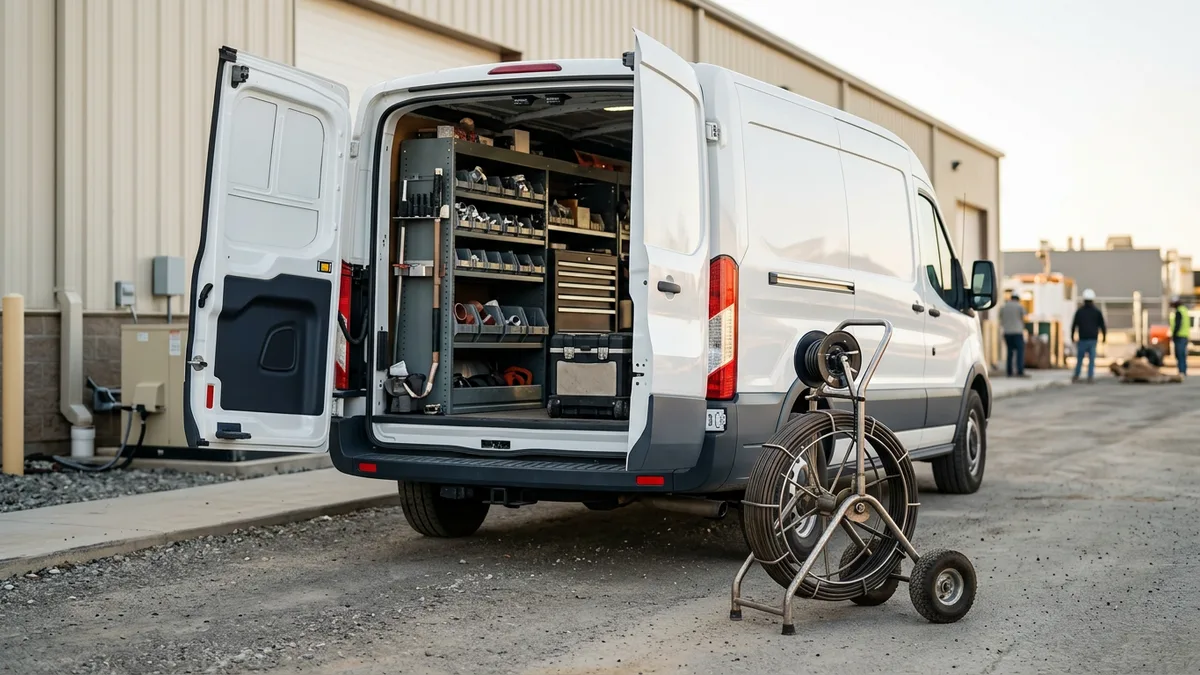
Crews in construction, plumbing, HVAC, electrical, framing and roofing buy equipment that has to earn on the next job. Excavators and skid steers move the dirt. Service vans, lifts and diagnostic tools keep the smaller trades billing, and our commercial vehicle financing page covers the work trucks and vans, while HVAC equipment financing goes deeper on the service-van trade, and roofing equipment financing covers crew trucks, dump trailers and hoists. Idle iron costs money.
What the trades usually buy
What tends to decide the structure
A machine that holds its value for ten years often suits a loan or an equipment finance agreement, because the business ends up owning it and keeps the resale value when the work dries up. Equipment tied to one contract, or replaced on a schedule, can fit a lease better. Think in years, not months. It comes down to how long the machine keeps earning.
Our page on heavy and construction equipment financing covers excavators, skid steers, bulldozers, paving equipment and cranes in more depth.
Medical and dental practices
A clinic buys equipment on a technology clock. Imaging systems, treatment chairs, sterilizers and exam-room gear get replaced when the software ages or the standard of care shifts, not when the steel gives out. Wear is not the issue. Obsolescence is.
What practices usually buy
What tends to decide the structure
Short technology cycles make a lease with an upgrade path worth a look. A long-lived build-out, like a full operatory, may point toward ownership instead. Refurbished imaging units change the math too, so compare the total cost of owning the unit over its working life, including service contracts and installation, not just its price tag. Do the full sum. Our guide on how much an MRI machine costs puts a dated source beside the scanner, installation and service figures.
Our page on medical equipment financing goes deeper on imaging, surgical and exam-room equipment, and our guide to how to start a medical practice covers what comes before the first order.
For dentists, our guide to dental equipment financing works room by room, from operatories to CAD/CAM. Starting a new office? Read how to start a dental practice.
Running an animal hospital or a mixed-animal practice? Our guide to veterinary equipment financing sorts imaging, anesthesia and lab equipment by what dates it.
Running an eye care practice? Our guide to optometry equipment financing follows a patient from the exam lane to the optical dispensary and sorts each stop by how long its equipment stays current.
Running a chiropractic office or a group practice? Our guide to chiropractic equipment financing covers adjusting tables, decompression systems and digital X-ray, and the state rules that can apply to an X-ray room.
Renting equipment out instead of using it? Our guide to equipment rental business financing sorts a rental fleet by how each unit leaves it, worn out in the yard, sold used or bought out by a customer.
Buying an ultrasound system for a clinic, imaging center or surgery center? Our guide to ultrasound machine financing sorts cart, portable and handheld units by how each one ages and shows what a quote should list.
Opening a med spa or adding a laser to an aesthetic practice? Our guide to med spa equipment financing covers the FDA laser classes, what a device quote can leave out and what to have ready for a used unit.
Running a research lab, a testing lab or the lab inside a medical practice? Our lab equipment financing guide separates analyzers and sequencers, which age fast, from centrifuges and autoclaves, which don’t.


Restaurants and food service
A commercial kitchen is a line of machines that all have to work on Friday night. Ovens, ranges, walk-in coolers, ice machines and hood ventilation carry the big price tags. One failed compressor can close a line for a day. Downtime is the real cost. For dated prices on the machines and the hood, see our commercial kitchen equipment cost guide. Still planning a first location? Start with our guide to starting a restaurant, then see restaurant equipment leasing for startups for the first kitchen.
What kitchens usually buy
What tends to decide the structure
Lenders weigh what the equipment could sell for if the business stopped paying. Standard ovens and refrigeration resell well. A custom hood built into a leased space doesn’t. That gap shapes the structure. Our guide to restaurant equipment financing works through it, from the hood to the dish machine, and food truck financing does the same for a kitchen on wheels. The machine behind the bar or in the hotel kitchen has its own page: ice machine financing. New to it? Read how to start a food truck business.
How industry shapes equipment financing
Equipment financing is a way to pay for business equipment over time, with the equipment itself as collateral. The structure you choose decides who owns the equipment during the term and what happens at the end. Ownership is the pivot. Industry matters because it sets how long the equipment lasts and how well it resells.
| Structure | Who owns it during the term | At the end of the term | Often considered for |
|---|---|---|---|
| Fair market value lease | The lessor | Return it, renew or buy it at its then-current value | Technology replaced on a cycle |
| $1 buyout lease | Structured so the business keeps it | The business keeps the equipment for a nominal payment | Equipment the business plans to keep |
| TRAC lease | The lessor, with a residual value set up front | The vehicle is sold and any gap against the residual is settled | Titled trucks and trailers |
| Loan or equipment finance agreement | The business, with the lender holding a security interest | The business already owns it once the balance is paid | Long-lived machines and tools |
TRAC stands for terminal rental adjustment clause. In most loan and finance-agreement deals, the lender records its interest with a UCC-1 financing statement, so ask whether it covers one machine or all of your business assets, and get the answer in writing. Ask early.
Equipment financing by industry, in numbers
87%
of U.S. companies use some form of financing when they acquire equipment
Source: Equipment Leasing & Finance Association, 2026-2027 Industry Horizon Report
$2.7 trillion
invested by U.S. businesses, nonprofits and government in plant, equipment and software in 2025
Source: Equipment Leasing & Finance Association, 2026-2027 Industry Horizon Report
55.2%
of that investment was financed through loans, leases and lines of credit
Source: Equipment Leasing & Finance Association, 2026-2027 Industry Horizon Report
More trades, more equipment
Rental yards, recyclers and haulers run on their own equipment cycles, from rental fleets to balers and shredders. Logging crews do too, and our guide to forestry equipment financing follows the machines from stump to truck. Farms run on a calendar of their own, and our guide to farm equipment financing lines tractors, combines and implements up against it. Decoration shops buy presses, dryers and DTF printers in a different order, and our guide to screen printing equipment financing follows a garment through them. Stitching logos is a purchase of its own, and our guide to embroidery machine financing covers single-head and multi-head machines. Different cycles, different math.
Pages to read next
Questions to settle before you finance equipment
What’s the difference between leasing equipment and financing it?
In a lease, the lessor owns the equipment during the term and the business pays to use it. With a loan or an equipment finance agreement, the business owns it and the lender holds a security interest.
That ownership line drives everything else, from the options you have at the end of the term to how the equipment shows up on your books and who carries the risk if it breaks down. Your accountant can say how your own statements treat each one. Worth asking.
Does my industry change how equipment gets financed?
Short answer: yes, because the industry sets how long equipment lasts, how well it resells and how steady the income behind it is.
A dental practice replacing imaging on a technology cycle and a framing crew running a skid steer for ten years are looking at very different structures, even if both walked in asking for the same thing. The equipment decides more than the label does. Same request, different answer.
Which kinds of equipment can a business finance?
Almost any equipment that earns money for a business can be financed somewhere, though how easily depends on what it is and what it resells for.
Machines with a deep used market, like excavators, forklifts and trucks, are the easiest for any lender to value because there are plenty of recent sales to compare against. Custom pieces are harder. Ask about it before you sign a purchase order.
What slows an equipment financing request down?
Missing or mismatched information slows a request more than anything else, along with a vendor quote that doesn’t name the exact equipment.
Lenders want the equipment described closely, the seller identified and the business details to match across every document. A quote that says “excavator” instead of the make, model and year invites a round of questions.
Can a business deduct equipment it leases or finances?
Sometimes, and the answer depends on the structure of the deal and the tax year.
The IRS explains how business property is depreciated in Publication 946 (2025), and Form 4562 is the form used to claim the deduction. Section 179 and the special depreciation allowance carry limits that change by tax year, so check the current figures on irs.gov. Consult your tax advisor before you choose a structure for tax reasons.
Is used equipment harder to finance than new?
Not always, but lenders look harder at age, condition and what the machine could sell for.
A five-year-old excavator with service records can be easier to value than a brand-new specialty machine with no resale market. Dealers and private sellers both come up, and each one changes the paperwork. Records matter.
Tell us what your business needs to buy
Share the equipment, the seller and your timeline, and our team will take it from there. Prefer to go straight to the application? Start your application online. Either works.