
Last updated: October 30, 2026
Dental Equipment Financing: Loan and Lease Options
Compare loan and lease paths for chairs, imaging and CAD/CAM equipment before you sign a vendor quote.
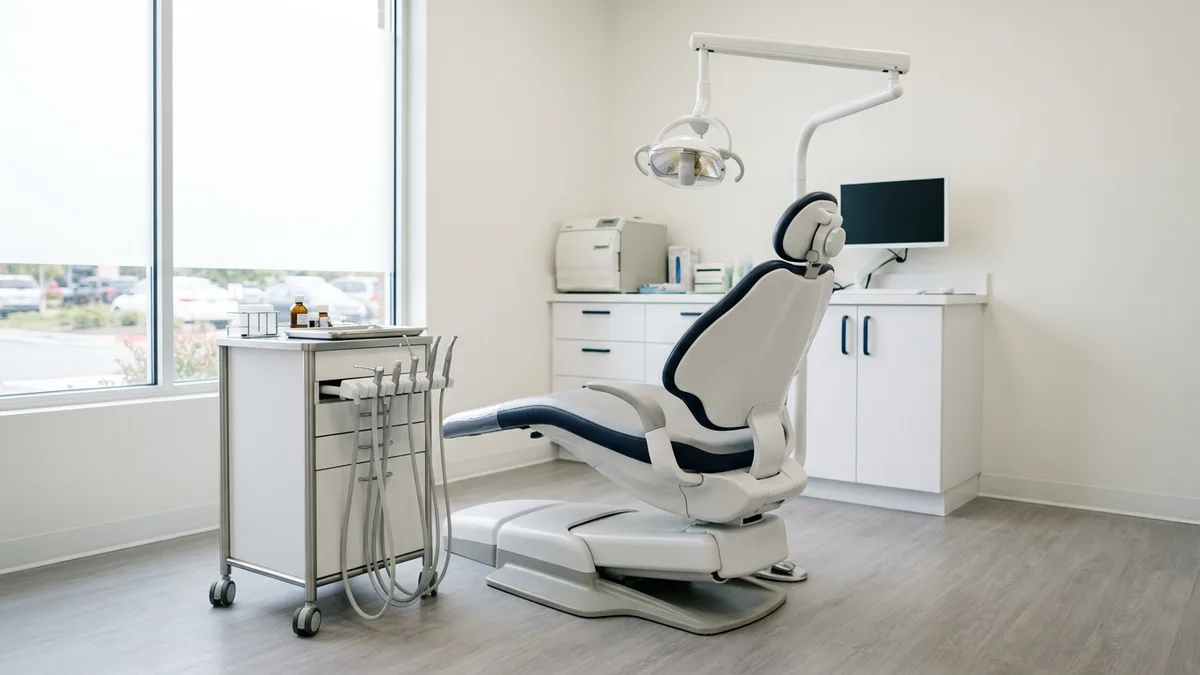
Dental equipment financing lets a practice pay for chairs, imaging and CAD/CAM systems over time with a loan or a lease. The right one depends on how fast the technology ages.
A new operatory, a 3D cone beam (CBCT) scanner and a chairside milling unit are three different purchases. They age at different speeds. One structure won’t fit all. This page sits under our guide to equipment financing by industry and goes deeper on the dental side.
Below, you’ll find what lives in each room, how the structures compare and what to have in hand before you apply, and if you’d rather talk it through with a person, talk to Paramount Financial’s team instead.
Dental equipment financing, room by room
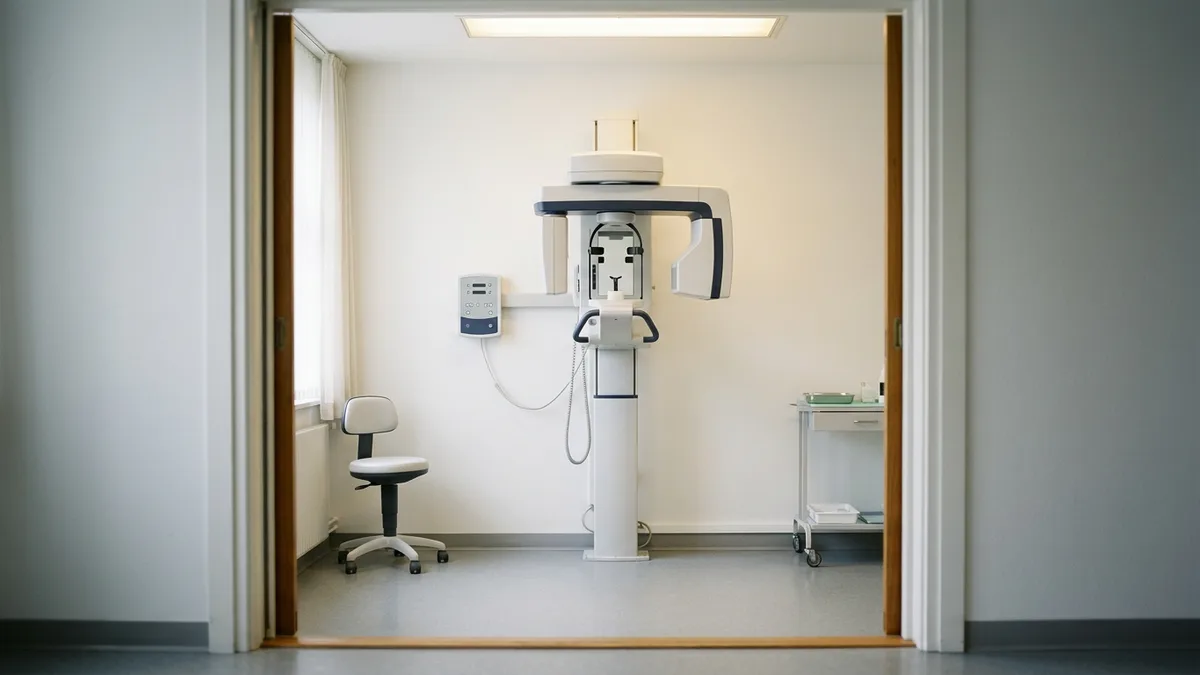
Walk through a dental office and the equipment sorts itself by how long it lasts. Some outlasts the lease. Some won’t outlast the software.
Long-life gear points toward owning it, through a loan or an equipment finance agreement. Gear on a technology clock points toward a lease with a way out, although a practice that expects to keep a unit anyway can reasonably buy it. Neither rule is absolute. Run both.
Who buys dental equipment, and how they shop
Dentists don’t all shop alike. The right structure often follows the kind of buyer more than the price on any single machine.
Whoever signs, a lender will want the same two things: a quote that names every piece of equipment, and a clear picture of the business buying it, so ask the vendor for that quote early, before the install date starts to press. Opening a first office? Startup equipment financing covers what a newer business should line up.
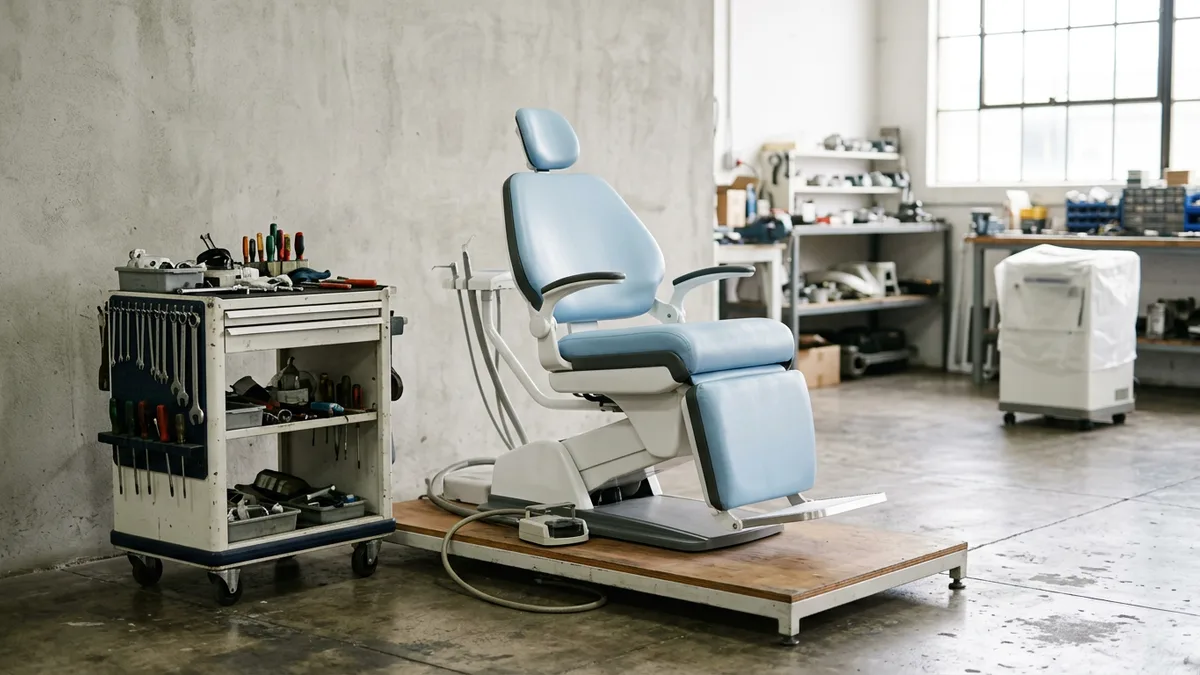
Used and refurbished dental equipment
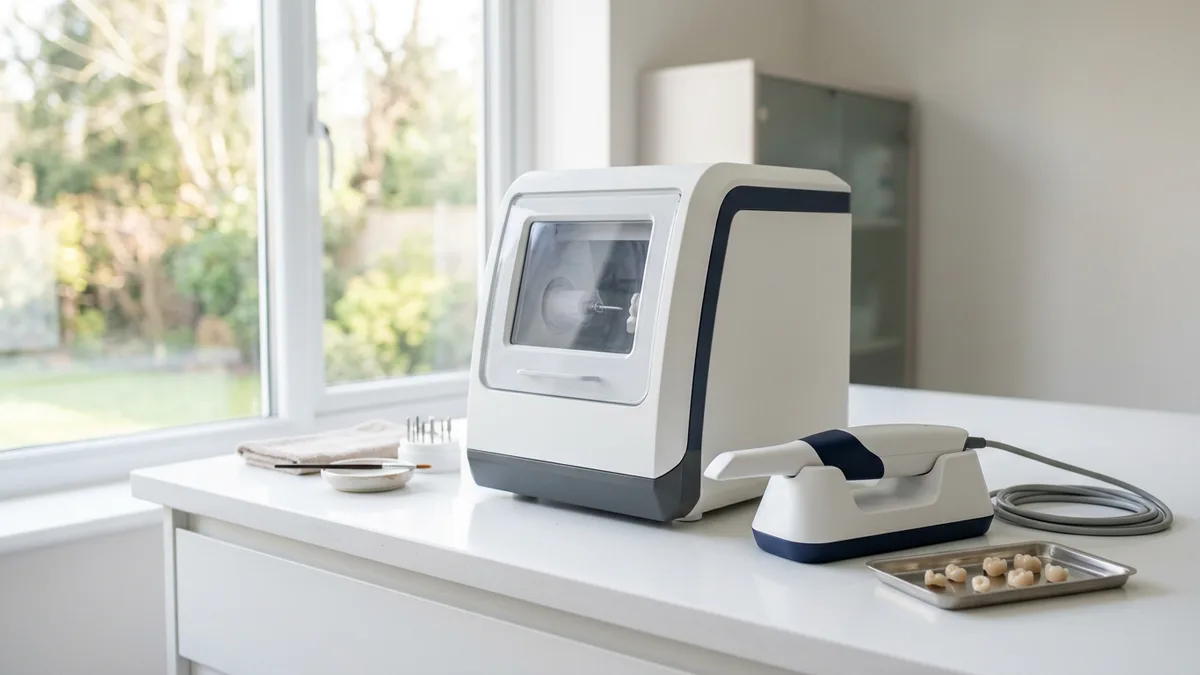
A reconditioned chair or a used panoramic unit can look like a bargain. It also changes the paperwork. With no current price list to measure against, a lender looks harder at age, condition and service history, and at what the equipment could sell for if the business stopped paying.
What to have ready
Your state may have its own rules for registering or inspecting X-ray equipment. Ask before the unit ships. Then compare the whole cost of owning it, service and installation included, not just the price on the quote. Our guide to used equipment financing goes further on older units.
Dental equipment financing structures compared
Dental equipment financing comes in two families. With a loan or an equipment finance agreement, the practice owns the equipment from day one, while the lender holds a security interest in it until the balance is paid in full. With a lease, the lessor owns it during the term, and the ending depends on the lease type.
| Structure | Who owns it during the term | At the end of the term | Where it tends to fit |
|---|---|---|---|
| Fair market value lease | The lessor | Return it, renew or buy it at its value that day | Imaging, scanners and other digital gear replaced on a cycle |
| $1 buyout lease | Structured so the practice keeps it | The practice keeps it for a nominal payment | Chairs, delivery units and anything planned for the long haul |
| Loan or equipment finance agreement | The practice, with the lender holding a security interest | Already the practice’s once the balance is paid | Long-lived equipment, and units you may sell or trade in later |
A fair market value lease prices the buyout at what the equipment is worth when the term ends, which is why it tends to suit imaging and digital gear. $1 buyout leases flip that. In a loan or an equipment finance agreement, the lender usually records its interest with a UCC-1 financing statement, so ask whether it names one unit or all of your business assets, and get the answer in writing.
Dental equipment financing, in numbers
72.5%
of U.S. dentists were private practice owners as of 2023, against 84.7% in 2005
Source: American Dental Association Health Policy Institute, dental practice research
135,665
dental practice establishments in the United States, the latest count
Source: U.S. Census Bureau, County Business Patterns 2023, as reported by the American Dental Association Health Policy Institute
$2,560,000
maximum Section 179 expense deduction for tax years beginning in 2026, before the phase-out. Consult your tax advisor.
Source: IRS Publication 946 (2025 edition), What’s New for 2026
What to settle before you apply
More on leasing, loans and tax
Questions dentists ask before they finance equipment
Should a dental practice lease or buy its equipment?
Short answer: lease what you’d want to replace in four years and buy what you’d want to keep for fifteen. A CBCT or an intraoral scanner sits in the first group, since the software ages faster than the hardware, while chairs, lights and a compressor usually sit in the second. Mixed offices end up with both. That’s fine.
What happens when a dental equipment lease ends?
A fair market value lease ends with three options: return the unit, renew the lease or buy it at what it’s worth that day. A $1 buyout lease works the other way, because the practice keeps the equipment for a nominal payment. Read the end clause twice. It also covers upgrades and early exits, and it’s the part most people skim.
How do lenders look at used or refurbished dental equipment?
Closer, mostly, because a used unit has no current price list to check against. Age, condition and service history carry more weight, and so does what the equipment could resell for. Serial numbers help, and so do X-ray tube records and proof that the imaging software license transfers. Private-party sales bring more paperwork.
What does a dental equipment quote leave out?
The quote usually covers the machine and leaves the room for later. Plumbing, a compressor, vacuum lines, shielding and electrical work can all land on top, along with software licenses, training and a service contract. Ask the vendor to put every one of them in writing, then ask your lender which of them, if any, can be rolled into the financing request instead of paid out of pocket.
What slows down a dental equipment financing request?
It’s usually the paperwork. A quote that doesn’t name the exact model, a seller nobody can identify, a business name that changes between documents: each one sends the lender back to the vendor and then back to the applicant with more questions. Buying into a practice adds another, which is whether the entity signing is the entity that owns the equipment.
Can a dentist deduct equipment that is financed or leased?
Sometimes, and it depends on how the deal is structured and on the tax year. The IRS explains how business property is depreciated in Publication 946 (2025), the edition for 2025 returns, and notes that you generally can’t depreciate property you lease from someone else. Form 4562 is the form used to claim depreciation and Section 179 deductions, and the limits change by tax year, so check the current figures on irs.gov. Consult your tax advisor before you pick a structure for tax reasons.
Do group practices buy dental equipment the same way as a solo dentist?
The real difference is how many offices share one decision. A group opening its sixth office doesn’t shop chair by chair. It wants matching equipment and matching end dates at every site, so it buys in volume and negotiates once, while the solo dentist picks one unit and lives with it for years.
Ready to price your practice’s next purchase?
A vendor quote for a new chair and a scanner is plenty to begin with. Send it over along with your install date, or start your application online instead.