
Last updated: October 28, 2026
Medical Equipment Financing and Leasing
Compare lease and loan paths for imaging, surgical, diagnostic and exam-room equipment before you commit to a structure.
Medical equipment financing lets a practice or imaging center pay for equipment over time through a loan or a lease. The right path depends on how fast the technology ages and who should own it at the end.
Surgery centers, imaging centers, urgent cares and small-town clinics all buy medical equipment, and they rarely buy it the same way. This page sits under our guide to equipment financing by industry and goes deeper on the medical side, with the equipment, the buyers and the structures that tend to matter when a clinic or imaging center buys.
Below: how the structures differ, how different equipment ages, and what to have in hand before you apply. Prefer to talk it through? Talk to Paramount Financial’s team. Either way works.

How medical equipment ages decides the structure
Medical equipment gets replaced for two different reasons. Some of it wears out. Most of it gets outdated first. A CT scanner doesn’t stop scanning when its software falls a generation behind, but the practice that owns it may still want the newer one.
Equipment on a technology cycle
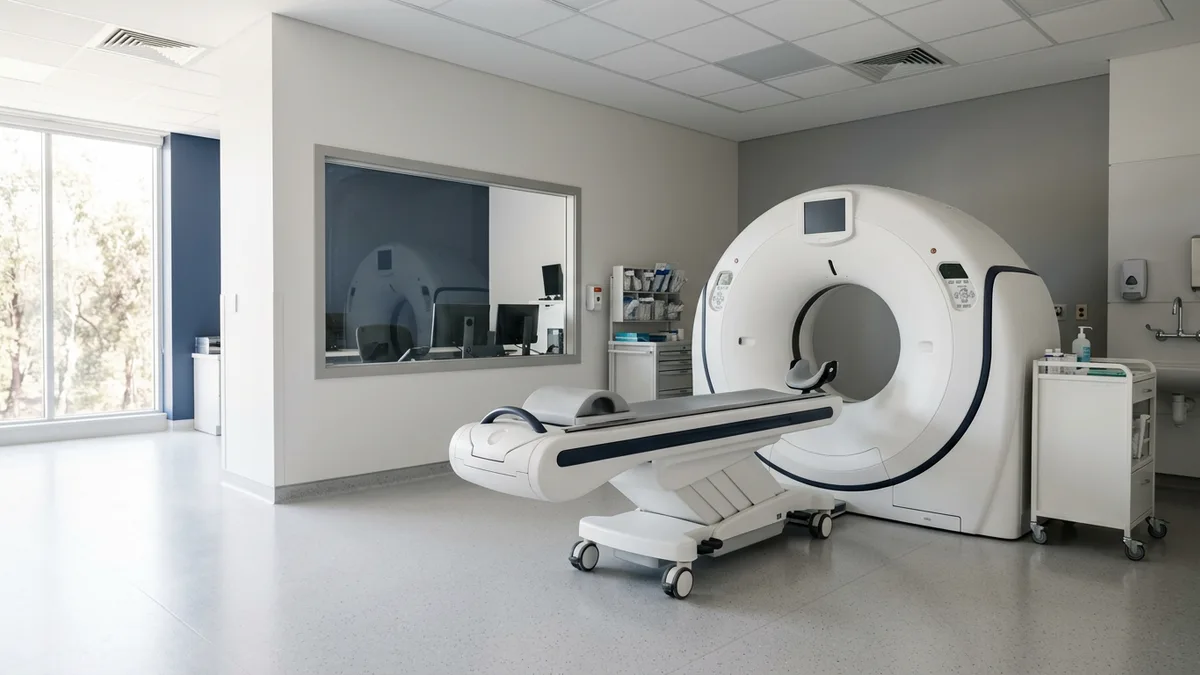
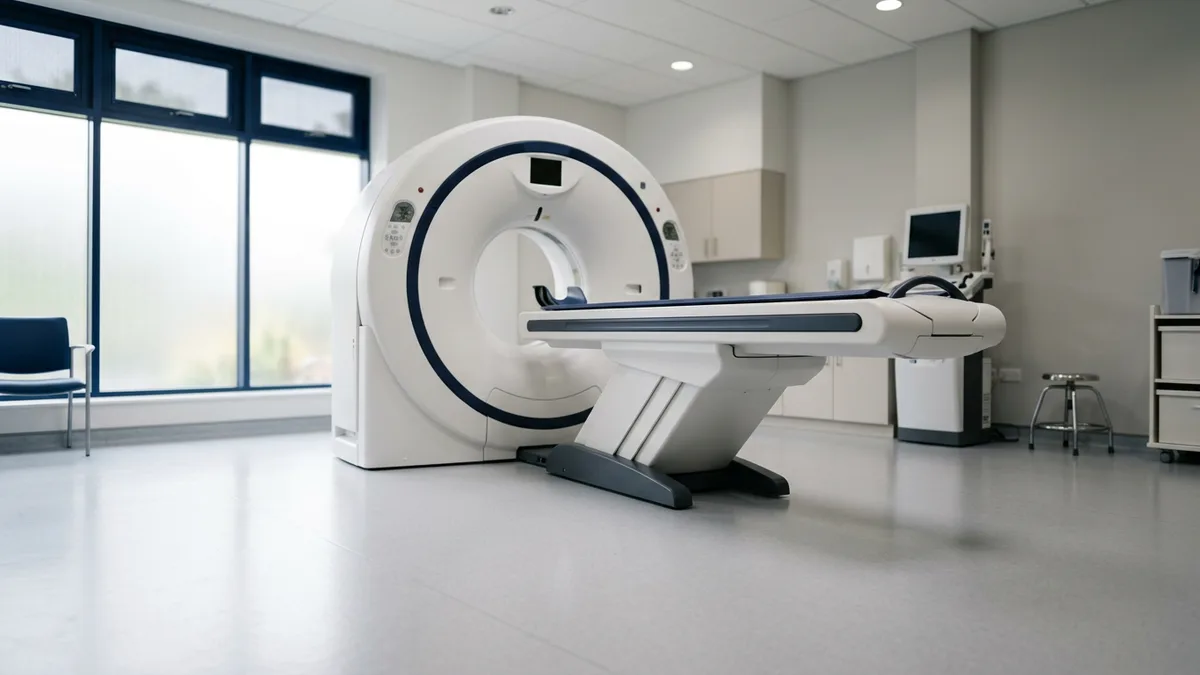
CT and MRI systems, digital X-ray, ultrasound, surgical lasers and endoscopy towers live here. A lease with a fair market value buyout keeps the exit open, so the business can return the unit, renew the lease or buy the equipment when the next generation arrives. Buying can still make sense if the unit will stay in service well past the term. Run the numbers both ways.
Equipment that stays in service
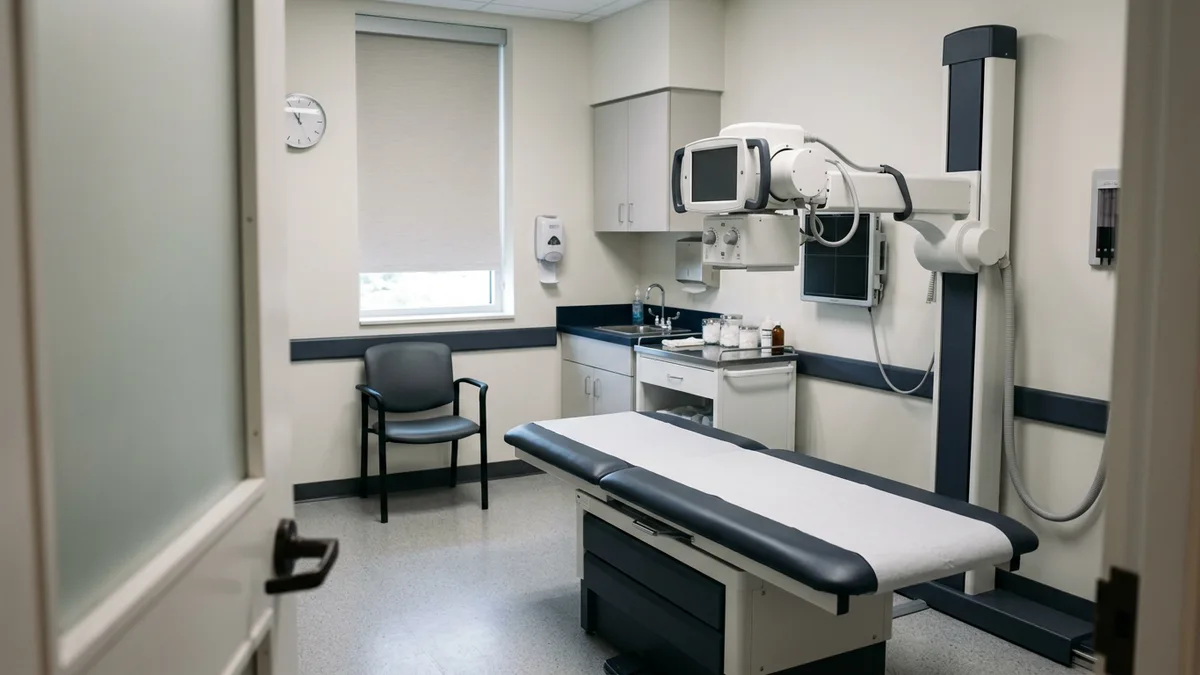
Exam tables, procedure chairs, surgical lights, sterilizers and casework tend to outlast the technology around them. A loan or an equipment finance agreement suits that gear, because the practice owns it once the balance is paid. Long life, long ownership.
Surgery centers, imaging centers, urgent cares and clinics buy differently
Each kind of site shops its own way, and that pattern, more than the price tag on any one machine, usually points toward one structure over another, so it helps to know which kind of buyer you are.
Private-equity-owned groups add a wrinkle. The entity that signs the agreement and the entity that runs the site aren’t always the same, and lenders ask which is which. Sort that out early.
Paramount Financial’s team has talked about its own medical work on site, from X-ray systems and hospital equipment to med-spa lasers and IPL devices, in an interview about choosing an equipment financing partner.
Used and refurbished medical equipment
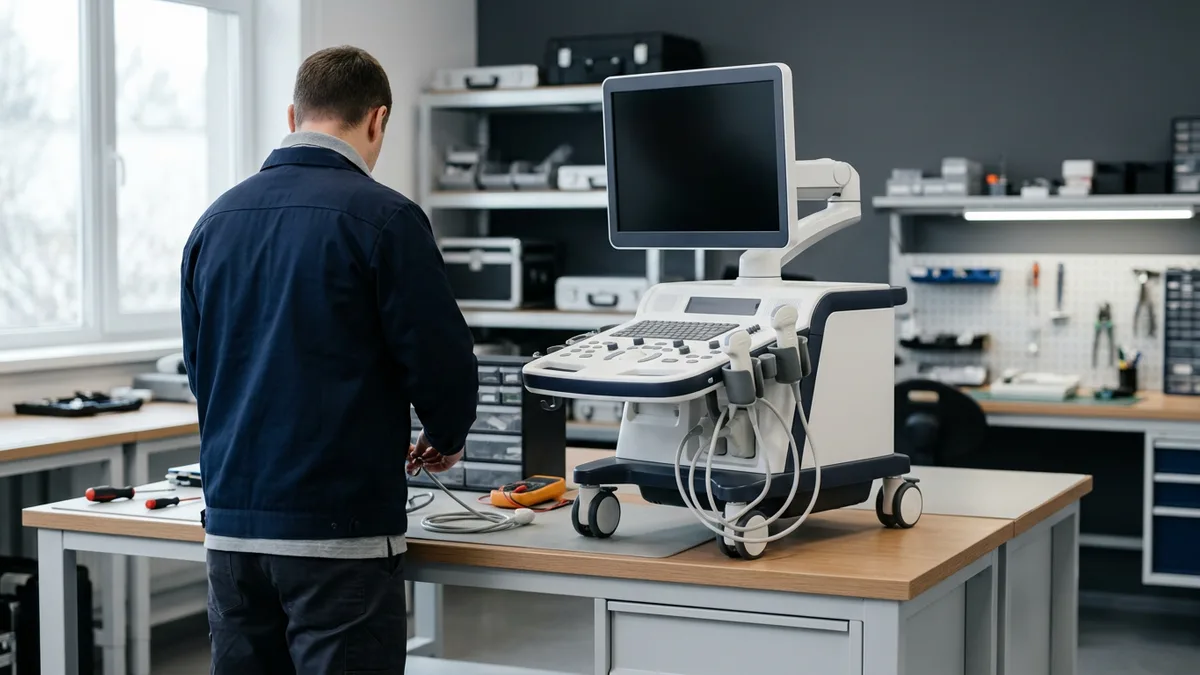
A refurbished ultrasound or digital X-ray can look like a bargain. It also changes the paperwork. There’s no new-unit price list for a lender to lean on, so it looks harder at age, condition, service history and what the equipment could sell for if the business stopped paying.
What to have ready
Then compare the whole cost of owning the unit over its working life, service contract and installation included, not just the price on the quote, because a unit that’s cheaper to buy and dearer to keep running isn’t really cheaper. Check both. Our guide to used equipment financing goes further on older units.
Medical equipment financing structures compared
A fair market value lease prices the buyout at what the equipment is worth when the term ends. The business can return it, renew the lease or buy it. Imaging and diagnostic gear that gets replaced on a technology cycle is the usual fit, because the practice isn’t left holding an outdated unit.
| Structure | Who owns it during the term | At the end of the term | Where it tends to fit |
|---|---|---|---|
| Fair market value lease | The lessor | Return it, renew or buy it at its then-current value | CT, MRI, ultrasound and other equipment replaced on a cycle |
| $1 buyout lease | Structured so the business keeps it | The business keeps it for a nominal payment | Equipment the practice plans to keep for years |
| Loan or equipment finance agreement | The business, with the lender holding a security interest | Already the business’s once the balance is paid | Long-lived equipment, and units the practice may resell or trade in |
In a loan or an equipment finance agreement, the lender usually records its interest with a UCC-1 financing statement, so ask whether it names one unit or all of your business assets, and get the answer in writing before you sign anything. Ask early.
Medical equipment financing, in numbers
84%
of medical equipment acquisition volume was secured by a lease, loan or line of credit in 2023
Source: Equipment Leasing & Finance Association, medical equipment fact sheet (2026), citing the Foundation’s 2024 Horizon Report
55%
of end-users who financed equipment and software cited protection from obsolescence as a reason
Source: Equipment Leasing & Finance Association, medical equipment fact sheet (2026), citing the Foundation’s 2024 Horizon Report
$125.0 billion
invested in medical equipment and instruments in the United States in 2024
Source: Equipment Leasing & Finance Association, medical equipment fact sheet (2026), citing the U.S. Bureau of Economic Analysis
What to line up before you apply
Pages to read next
Questions practices ask before they finance equipment
Should a practice lease or buy its medical equipment?
Short answer: it depends on how quickly the equipment goes out of date, and on whether you’d rather own it or hand it back.
CT, MRI and ultrasound turn over on a technology cycle, so they usually point toward a lease with an end-of-term option, but exam tables and sterilizers stay in service for years, and that points toward owning them. Worth a call to your accountant.
What happens to leased imaging equipment when the term ends?
When a fair market value lease ends, you’ve got three moves: send the unit back, renew, or buy it at what it’s worth that day.
A $1 buyout lease works the other way. You keep the equipment and pay a nominal amount at the end. Read the end-of-term section twice, along with whatever the contract says about upgrades and getting out early. It’s the part people skim.
How do lenders look at used or refurbished medical equipment?
Used units get a closer look at age, condition and service history, because there’s no list price to check a refurbished scanner against.
Serial numbers and calibration records help, and so does knowing who’s selling. A private-party sale means different paperwork. Records matter.
What costs come with medical equipment besides the price tag?
The price tag is rarely the whole bill: installation, site prep, training, software licenses and service contracts can all land on top.
Imaging rooms can need shielding, power and rigging before the unit even turns on. Get every one of those costs from the vendor in writing, then ask your lender which of them, if any, can go into the request. Surprises get expensive fast.
What slows down a medical equipment financing request?
Mismatched or missing paperwork slows things down more than anything else, and a vendor quote that never names the exact model is a classic.
The lender needs the equipment described closely, the seller identified and the business details to match on every document. With a multi-site group there’s one more question: which entity signs, and which one actually runs each location?
Can a practice deduct medical equipment it leases or finances?
Sometimes, and the answer depends on how the deal is structured and on the tax year.
The IRS explains how business property is depreciated in Publication 946 (2025), and Form 4562 is the form used to claim the deduction. Section 179 and the special depreciation allowance have limits that change by tax year, so check the current figures on irs.gov. Consult your tax advisor before you choose a structure for tax reasons.
Do urgent care groups and surgery centers use the same structure as a single clinic?
Not always, because a group opening its fifth urgent care is buying the same equipment again, while a single clinic is choosing one unit and living with it.
Groups tend to care about matching end dates across locations. The single clinic cares about whether this one unit will still be earning its keep years from now. Same equipment, different plan.
Have a medical equipment quote in hand?
Share the equipment, the vendor and when you need it installed, and our team will take it from there. Prefer the application? Start your application online. Either works.