
Last updated: October 29, 2026
Tow Truck Financing for New and Used Wreckers, Rollbacks and Rotators
Financing built around how a wrecker, rollback or rotator gets bought, inspected and put to work.
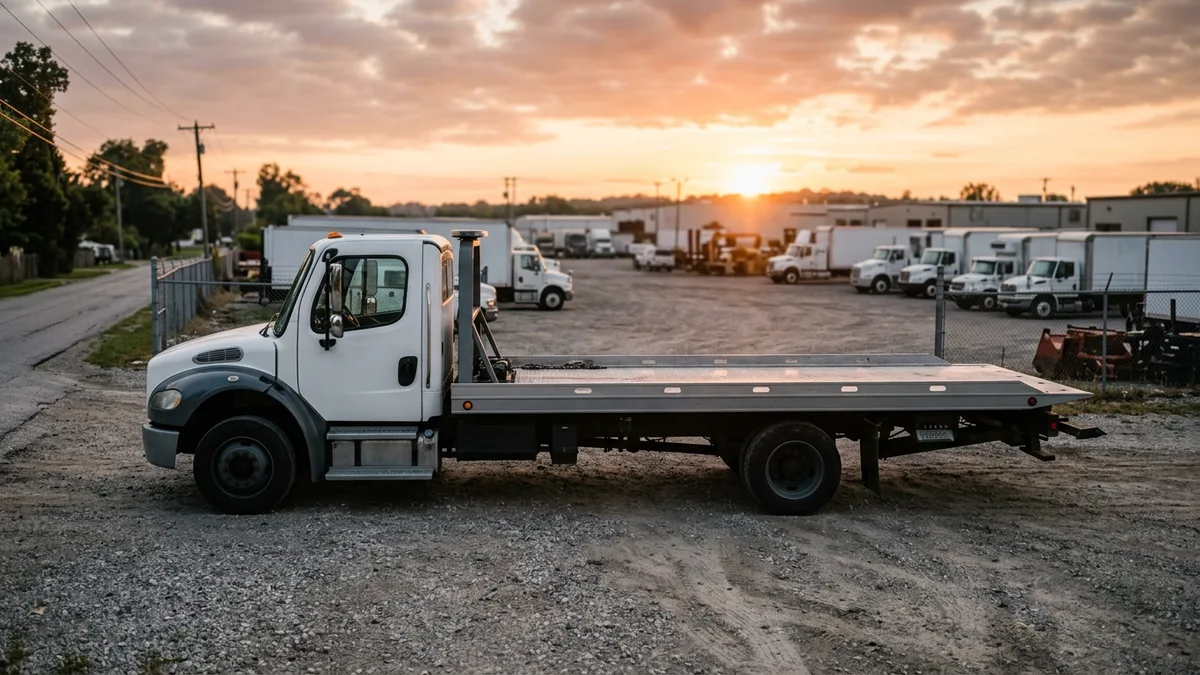
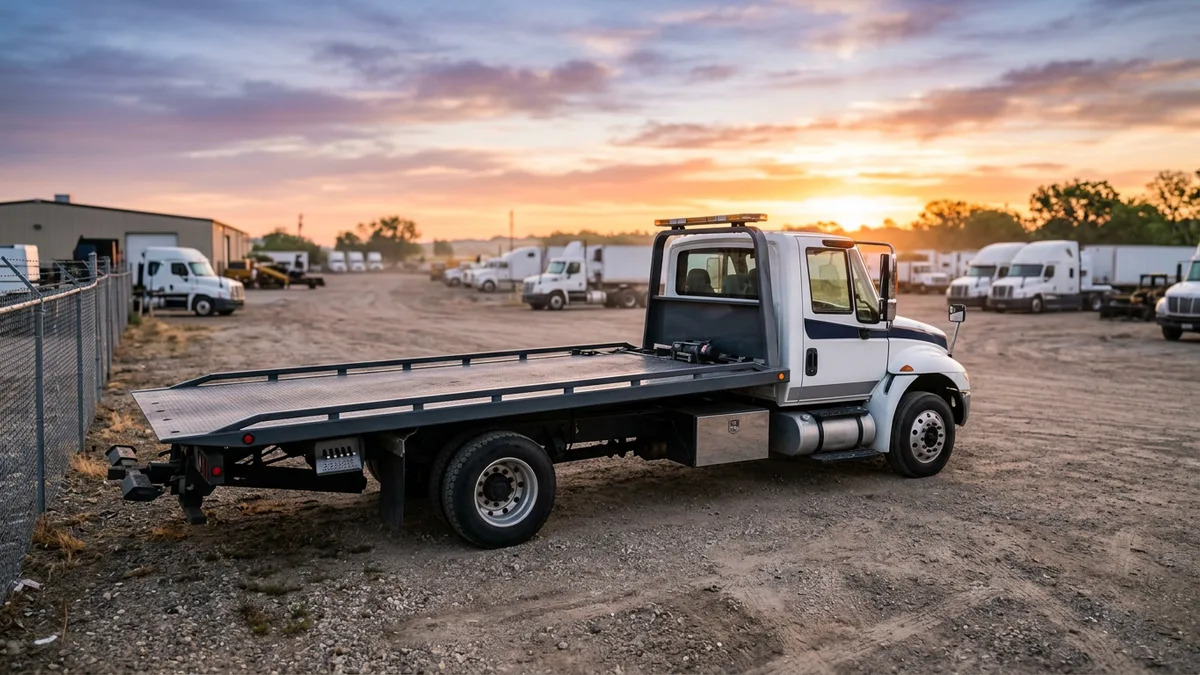
Tow truck financing covers wreckers, rollbacks and rotators bought new, used or from a private seller, with the chassis and the recovery body reviewed and valued on their own.
A tow truck isn’t shop equipment sitting still on a job site. It works for a living. Calls come in all weather, and the winch or the wheel-lift takes real load, truck after truck. That changes what a lender reads before it will finance one, and it changes what you need to have ready, whether the truck comes from a dealer’s lot, an auction, or a seller you found through another towing company.
Tow truck financing sits inside Paramount Financial’s broader commercial equipment financing for titled vehicles: box trucks, trailers and the wreckers, rollbacks and rotators that towing companies run every day. First truck or fifth, same questions. The ones below are the ones that come up first.
Rollback, wrecker or rotator: why the body matters as much as the chassis
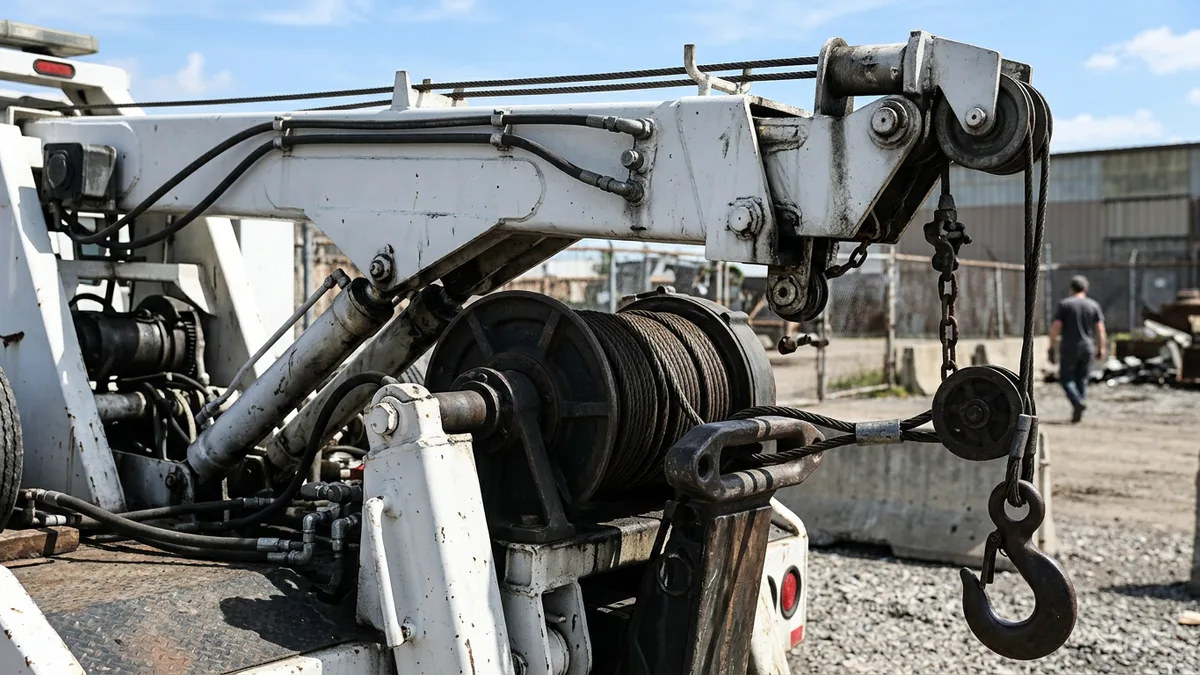
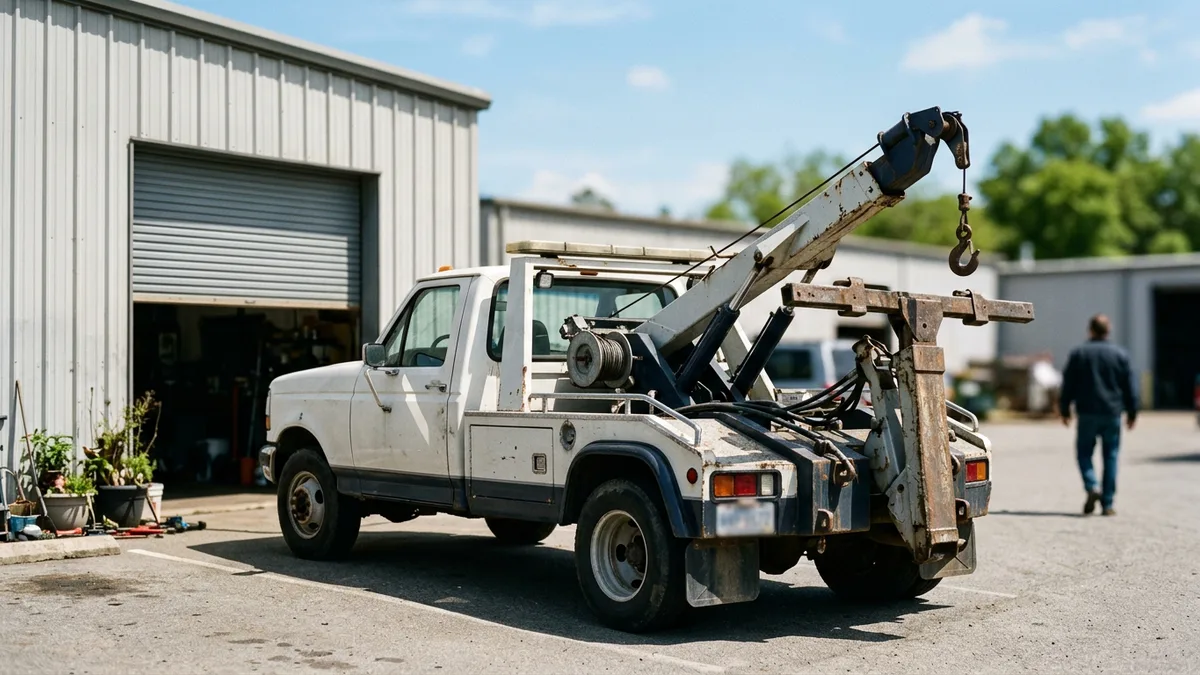
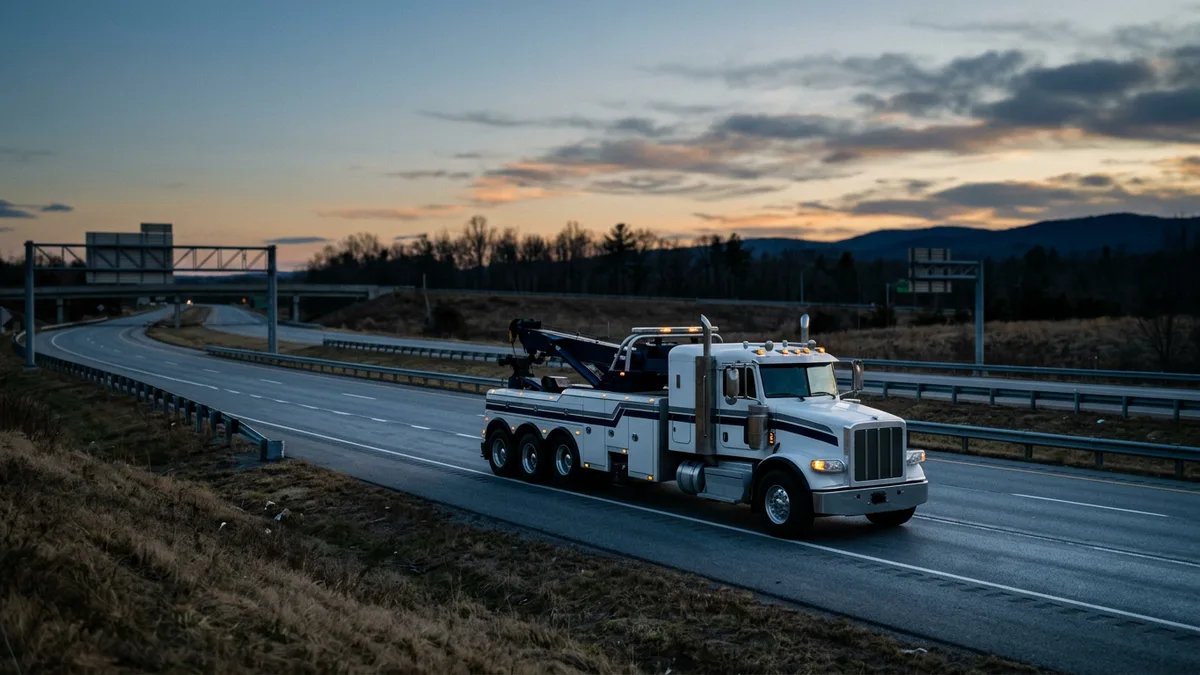
Three body styles cover most of the towing world. A rollback carries a vehicle flat on a sliding, tilting bed; a wrecker lifts with a boom and a wheel-lift; a rotator adds a rotating boom for recovery work the other two can’t do. Three jobs, three price points, not interchangeable.
That’s why a lender looks at the chassis and the recovery body separately, not as one line item. The chassis comes first, valued the way any medium or heavy-duty truck would be. The body is a different question, often built by a manufacturer such as Jerr-Dan or Miller Industries and bolted on later, and a five-year-old chassis under a two-year-old rebuilt body isn’t unusual. Expect two appraisals, not one.
Financing a used or private-party tow truck
Most towing companies don’t grow by buying a fleet at once. One truck at a time. They add one when the work shows up: a used rollback from a dealer, a repossessed wrecker at auction, or a straightforward private-party deal with another operator who’s upgrading. Each source changes what a lender needs to see, not whether used equipment can be financed at all.
A dealer handles the paperwork for you. An auction hands you a title and expects you to move fast. A private sale is the one that trips people up: no finance office, no standard packet, just a seller, a truck, and whatever lien might still sit against it, and it’s on you to sort out before the deal can close cleanly. Clear that lien first, build the payoff into the transaction, and from there the rest of the file reads like any other used-truck purchase.
Loan, equipment finance agreement or lease: structures for a titled vehicle
A tow truck can be financed the same handful of ways any titled business vehicle can: a loan, an equipment finance agreement, or a lease. A loan or EFA is the simpler of the two. Title goes to you right away, and the lender’s lien sits on top of it, recorded against the truck rather than the business as a whole. A lease works differently: whether it’s a fair market value lease or a $1 buyout lease, the lessor keeps title until the term ends or the buyout is exercised.
| Loan or equipment finance agreement | Lease (fair market value or $1 buyout) | |
|---|---|---|
| Who holds title | The buyer, from day one, with the lender’s lien recorded on it | The lessor, until the lease ends or the option is exercised |
| At the end of the term | The loan is paid off and the lien is released | Return the truck, renew the lease, or buy it at the price the lease sets |
| Often considered when | The truck is expected to stay in the fleet for years | Equipment turns over often, or the end-of-term tax treatment matters more than ownership |
Which one fits depends on how long the truck stays in the fleet, and on how the business wants that truck to show up on paper come tax time, not on anything specific to towing. Talk to your tax advisor first. Always. The structure changes how the truck is handled for tax purposes, not just the payment.
Documents a tow truck purchase usually needs
A lien on a titled vehicle like a tow truck is perfected on the certificate of title itself under UCC § 9-311, not a blanket filing against the business. One truck, one title, one lien.
What a tow truck lender typically reviews
See how this compares with box truck financing, commercial vehicle financing, or financing used equipment bought from a dealer or a private seller.
What towing companies ask before financing a tow truck
Can a used tow truck be financed, or only new ones?
Short answer: yes. A used tow truck can be financed or leased the same way a new one can. Age, mileage and engine hours all factor into the terms a lender offers, the same as they would on any used commercial truck.
What changes with a used unit is the paperwork, not the possibility. A clean title helps. So does service history. A pre-purchase look at the chassis and the body goes a long way too.
What’s the difference between a wrecker, a rollback and a rotator, for financing purposes?
A rollback carries a vehicle flat on its bed. A wrecker lifts with a boom and a wheel-lift. A rotator adds a rotating boom for recovery jobs the other two can’t handle.
Price, typical age and resale value differ across all three, so a lender treats each one as its own category rather than lumping them into one “tow truck” line.
Can I finance a tow truck I’m buying from a private seller?
Usually, yes. The better question is what paperwork the seller can hand over, not whether a private sale is allowed. A title or MSO, a bill of sale, and a lien payoff letter, if one applies, cover most of it.
Without a dealer’s finance office doing this for you, the buyer usually drives the paperwork. No one else will. Build the lien payoff into the deal if the seller still owes money on the truck.
What does a lender look at on a tow truck before financing it?
Three things carry the most weight: the condition of the chassis and the body, the work the truck will run, and what the title and any existing lien show.
Work matters most, really. Motor club contracts, a municipal rotation spot, or steady private dispatch work all speak to the revenue a lender expects the truck to generate.
What paperwork should I have ready for a used or private-party tow truck?
Have the certificate of title or MSO, a bill of sale, and a lien payoff letter if the truck isn’t free and clear. Proof of insurance naming the lender as loss payee comes next.
Paperwork stalls deals. Not trucks. A missing document is the single most common reason a used-truck file stalls early, more than anything about the truck itself.
Is a tow truck financed with a loan or a lease?
Either, really. A loan or an equipment finance agreement puts the title in the buyer’s name right away, while a lease keeps the title with the lessor until the term ends or a buyout is exercised.
A fair market value lease and a $1 buyout lease price that end-of-term option differently. Fleet turnover decides it more often than rate does.
Does Section 179 apply to a tow truck that’s financed or leased?
For tax years beginning in 2026, IRS Publication 946 sets the maximum Section 179 deduction at $2,560,000, phasing out once qualifying purchases pass $4,090,000 in a year.
A business-use tow truck, financed outright or under certain lease structures, can qualify, claimed on Form 4562. Consult your tax advisor before counting on a specific deduction; the rules depend on how the truck is used and titled.
Ready to look at financing for your next tow truck?
Tell us about the truck, new or used, and what work it’s going to run.