
Last updated: October 30, 2026
Commercial Fitness Equipment Financing for Gyms and Studios
Compare loans and leases for cardio, strength and studio equipment before you outfit a floor.
Start a Fitness Equipment Financing Application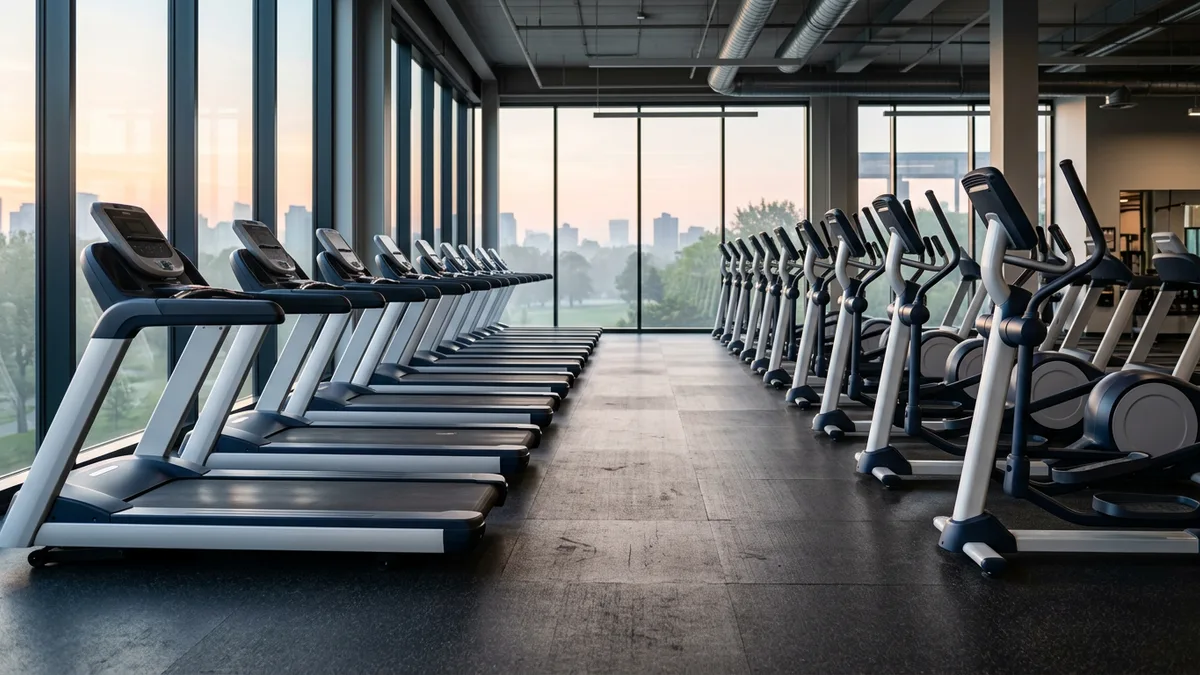
Fitness equipment financing comes in two forms. A loan makes the gym or studio the owner from day one. A lease lets it use the equipment for a set term, then return, renew or buy it.
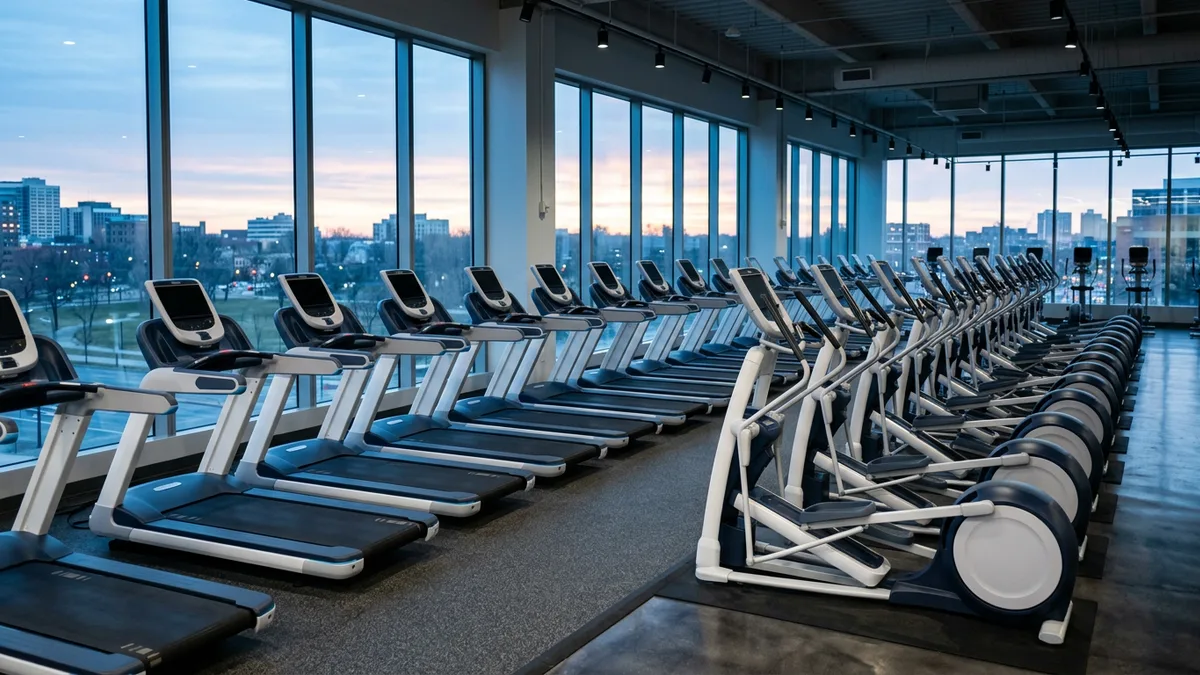
A gym floor is mostly motors, belts and cables. That mix decides the financing. Treadmills and connected bikes wear out and date fast, while racks, plates and benches barely age at all, so one loan or lease rarely fits every piece in the whole room.
Outfitting something other than a club? Our guide to equipment financing by industry covers construction, medical, restaurants and more.
Which fitness equipment are you financing?
A treadmill and a squat rack are both “gym equipment.” They behave nothing alike once they’re on the floor. Wear is the whole story. Sort the order by how each piece ages before you pick a structure.
- Cardio: treadmills, ellipticals, upright and recumbent bikes, rowers and stair climbers
- Selectorized strength machines, the pin-loaded kind with a weight stack and cables
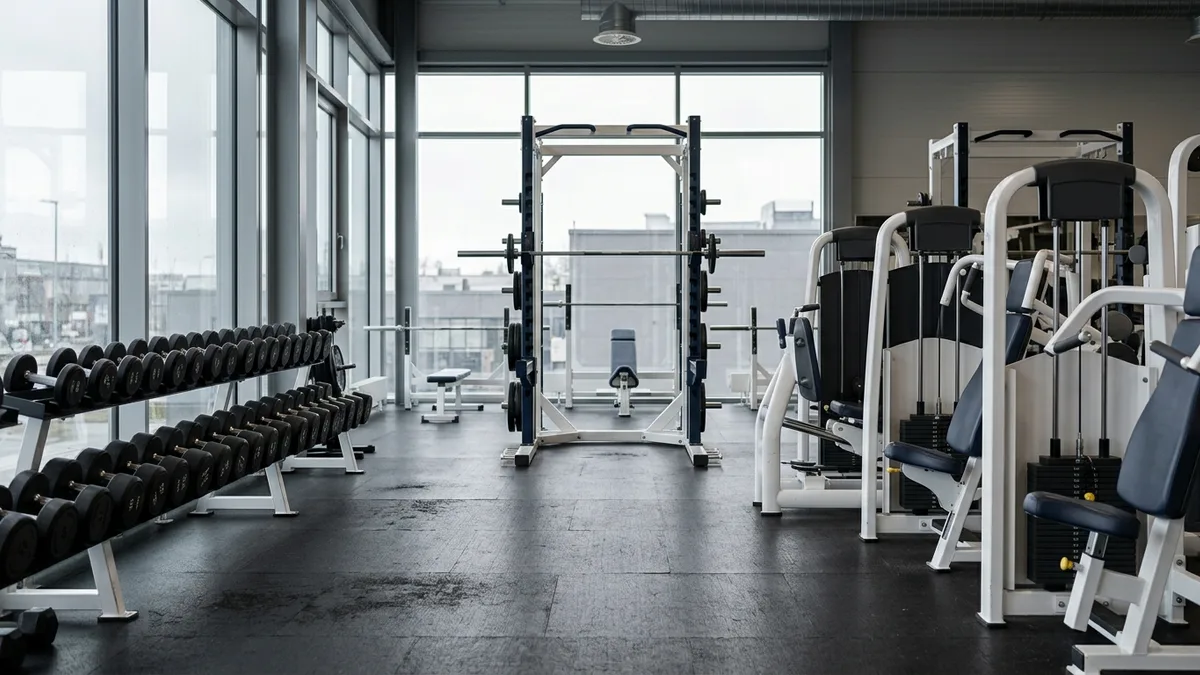
- Plate-loaded machines, squat racks and rigs, barbells, plates, dumbbells and benches
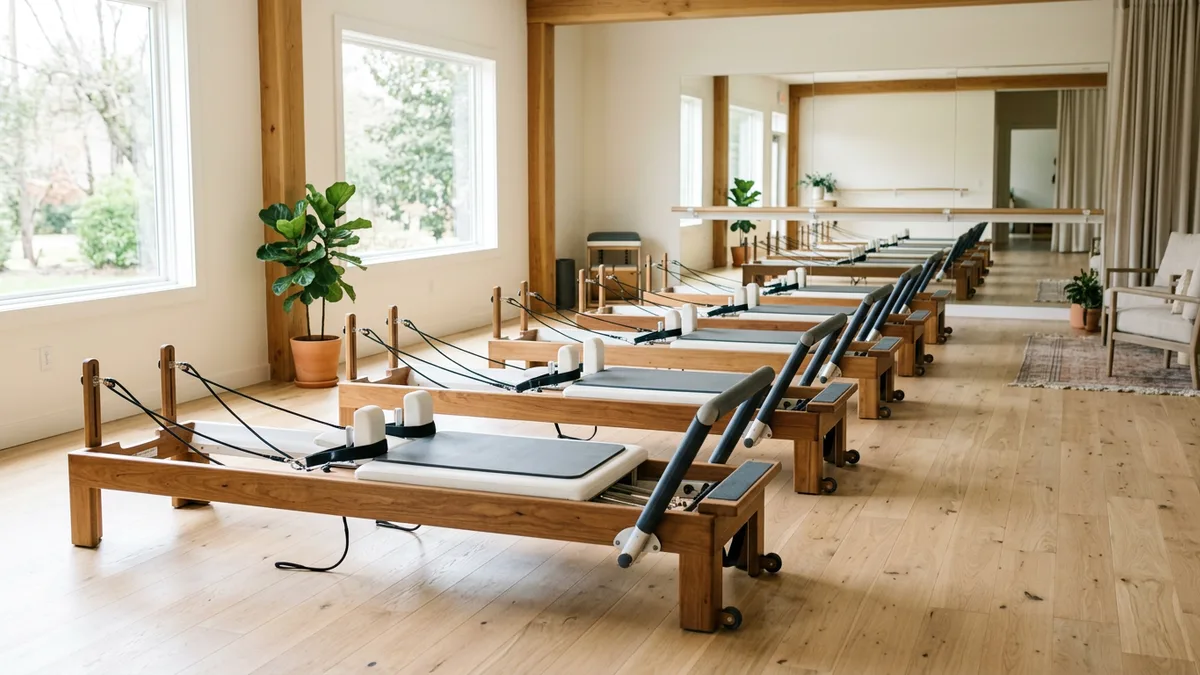
- Class and studio gear such as indoor cycling bikes, Pilates reformers and rowing ergometers
- The floor around it: rubber flooring, mirrors, sound and lockers
Cardio takes the most abuse. Motors, belts, decks and consoles all wear, and a console that was current at purchase can feel dated within a few years, even when the frame underneath it is perfectly sound. Strength equipment is the opposite. Steel frames, plates and racks keep doing their job for years after the finish wears off, whether the stack says Life Fitness, Precor or Technogym, which is why they tend to suit a loan better than a lease.
Quotes often list machines only. Ask what delivery, installation and flooring will add, and whether a lender or lessor will fold them into the same agreement. Ask early.
Fitness equipment financing: loan or lease?
Fitness equipment financing is a loan, an equipment finance agreement or a lease that spreads the cost of gym and studio equipment over a set term instead of one purchase. Which structure fits depends on how long the equipment stays in service, how quickly it ages, and what the business really wants to happen at the end of the term.
With a loan or an equipment finance agreement, the business owns the equipment from day one and the lender holds a security interest, usually recorded against it with a UCC-1 filing. A lease flips that. The lessor owns the equipment during the term. Our fair market value lease guide explains how a buyout is priced, and our equipment leasing overview covers how a true lease differs from a loan, so start there if the vocabulary is new.
Match the structure to the machine
Sort the floor by what wears out, then let that sort pick the structure. The table is a starting point, not a rule.
| Equipment | What ages it | What usually fits |
|---|---|---|
| Treadmills and ellipticals | Motors, belts, decks and consoles wear with daily use | A fair market value lease, so units can be swapped on a schedule |
| Connected bikes and screens | Software and displays date faster than the frame | A lease with a term short enough to match the screen’s useful life |
| Selectorized machines | Cables, pulleys and pads wear; the frame doesn’t | A loan, or a $1 buyout lease built to be kept |
| Racks, plates and free weights | Almost nothing, because steel holds up | A loan or equipment finance agreement, since the club will keep them |
| Reformers and class gear | Springs, straps and upholstery wear; formats change | A lease if the studio refreshes often, a loan if it won’t |
Many clubs buy the iron and lease the cardio. Ask a tax advisor how each piece is treated before you choose. Then compare. Our guide to leasing vs buying equipment walks through the decision, and our equipment lease agreement guide covers the terms to read before you sign.
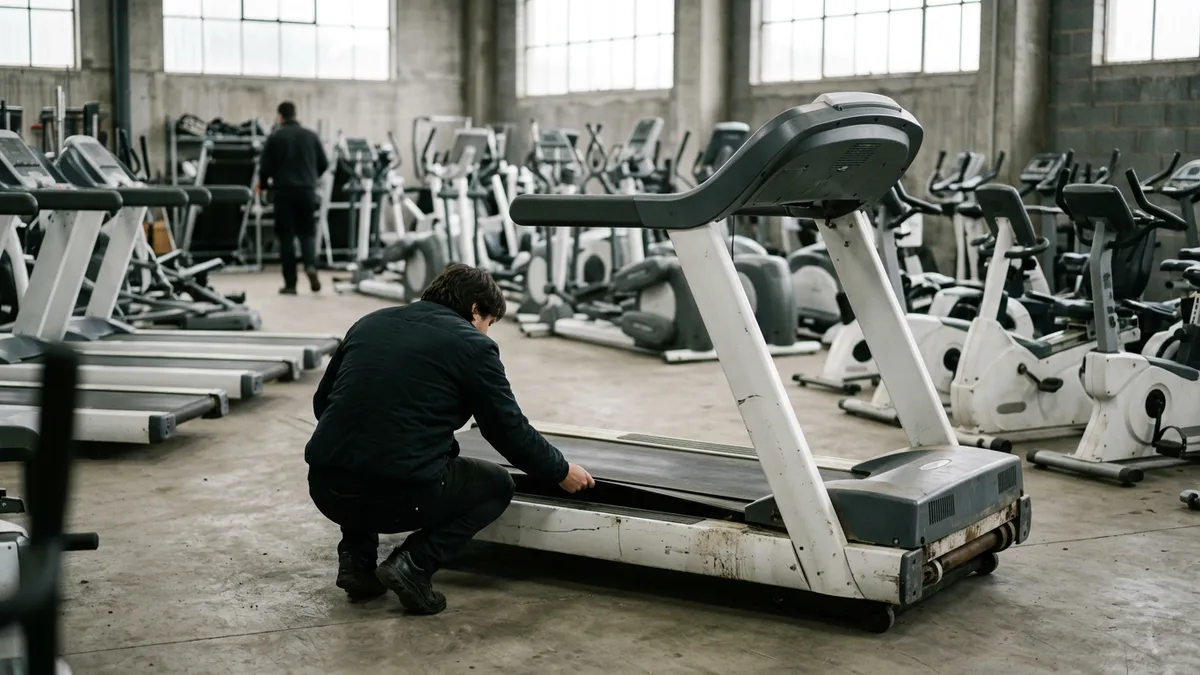
Buying used or refurbished fitness equipment
Used and refurbished cardio is common, and so is gear from clubs that closed. The price is lower. The paperwork and the inspection carry more weight.
- Hours or miles on the console, not just the model year
- Belt and deck wear on a treadmill, including the edges and any slipping
- Cables, pulleys and bearings on a weight stack, checked for fraying or play
- Frame welds, bolts and upholstery, plus rust on racks stored somewhere damp
- Whether the maker still sells parts and software updates for that model
Then the paperwork. A bill of sale, a serial number on every piece and the seller’s name and address matter more than how clean the machines look. Our used equipment financing page covers dealer and private-party purchases.
Fitness equipment financing in numbers
81 million
Americans held a fitness facility membership in 2025
Fitness equipment financing structures to know
Before you finance gym equipment
How much does commercial gym equipment cost?
Price follows the mix of equipment far more than the size of the room, because cardio and connected machines cost much more per piece than racks, plates and benches.
Quote by the piece. Not the package. Then ask what delivery, installation and flooring add, because those can sit outside a machine’s listed price.
Is it better to lease or buy commercial gym equipment?
The better question is which pieces will still earn their floor space when the term ends.
Cardio and screens date quickly, which points toward a lease. Racks, plates and benches hold up, which points toward a loan. A split is common: buy the iron, lease the cardio, then compare the cash cost of each against what the equipment will be worth in a few years before you sign anything.
Can a new gym or studio finance its equipment?
Newer businesses can be financed, but lenders usually look harder at the equipment, the owner’s experience and the plan when there’s no operating history to review.
Lenders tend to be more comfortable with equipment that holds its value, like racks and strength machines, than with a console-heavy cardio line. A signed lease on the space and a clear opening plan also tend to help. Our startup equipment financing guide goes through what newer businesses usually bring.
Can used or refurbished gym equipment be financed?
Short answer: it depends on the lender and on what the seller can document.
Serial numbers, a bill of sale and an honest read on condition carry more weight with used equipment than with new. Equipment from a closing club or a private seller has no dealer prep behind it, so an independent inspection before the deal is worth the afternoon, especially when the machines have been sitting in storage. Not a formality.
Does Section 179 apply to gym equipment?
For the 2026 tax year, the IRS caps the Section 179 deduction at $2,560,000, reduced once qualifying equipment placed in service passes $4,090,000.
Equipment bought with a loan or equipment finance agreement and placed in service that year can generally qualify. A true lease doesn’t transfer ownership, so the tax treatment changes. The figures come from IRS Publication 946; read our Section 179 deduction guide, and consult your tax advisor before counting on any deduction.
What happens at the end of a gym equipment lease?
A fair market value lease usually ends with three options: buy the equipment at what it’s worth then, renew, or return it.
The $1 buyout is the exception. It was written so the business keeps the equipment from the start. Read the return conditions before signing either lease, because worn belts and damaged upholstery can matter when a lessor takes equipment back and measures it against the wear standard written into the agreement.
Can a gym use an SBA loan to buy equipment?
SBA 7(a) loan proceeds can pay for the purchase and installation of machinery and equipment, up to a maximum 7(a) loan amount of $5 million.
The program is built for broader needs like real estate, working capital or a change of ownership, and an SBA loan comes with its own separate application and review steps. A gym that only needs machines may compare both routes. Details are on the SBA’s 7(a) loan page.
Ready to outfit or refresh your floor?
Tell us what you’re buying, new, used or a mix, and send the details through the form below.