
Last updated: October 30, 2026
Landscaping Equipment Financing for Lawn Care Companies
Compare lease and loan paths for mowers, compact loaders, trucks and trailers before the busy season starts.
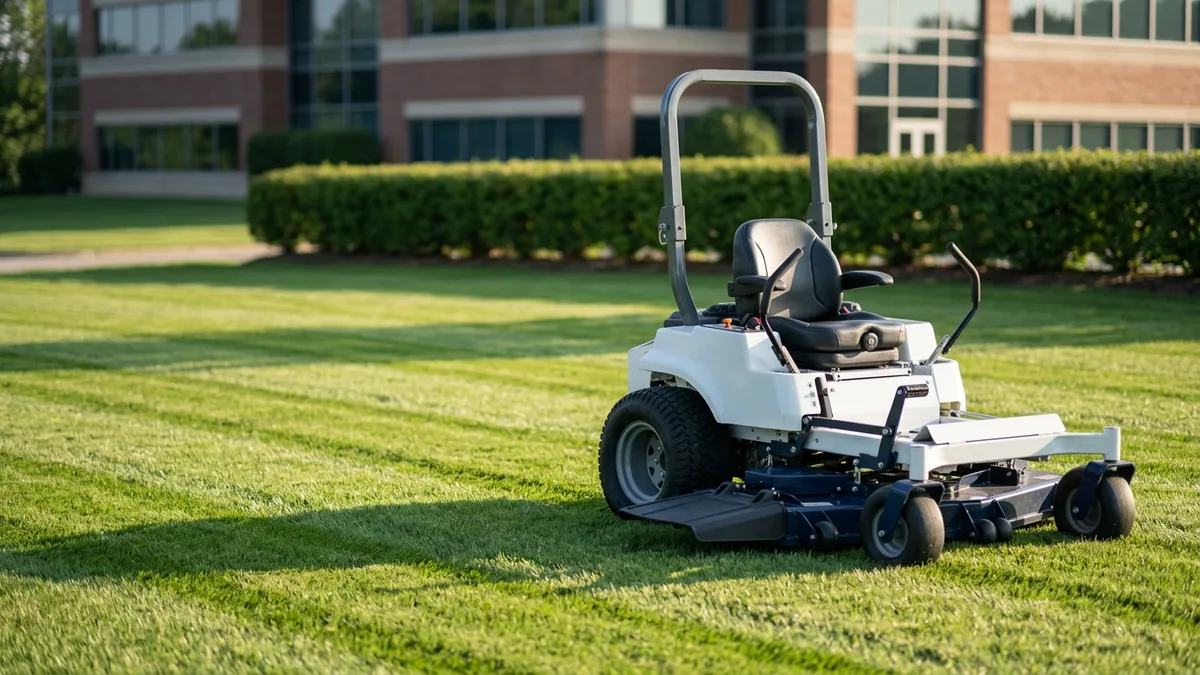
Financing landscaping equipment lets a lawn care or grounds maintenance company pay for mowers, loaders and trailers over time through a loan or a lease. The right structure depends on how each machine works through the season.
Lawn care, installation and grounds crews don’t buy equipment the way an office does. The season rules. This page sits under our guide to equipment financing by industry and covers the landscaping side, meaning the machines a crew actually runs, the season that sets the budget and the structures that tend to fit each one. It’s written for working companies, not homeowners.
Below: how the work calendar shapes the choice, what’s worth financing and what to have in hand before you apply. Prefer to talk it through? Talk to Paramount Financial’s team. Either way works.
The season decides how a landscaping company should finance equipment
A mower earns its keep from the first cut of spring to the last leaf of fall, while a trencher might sit in the shop for six weeks and then run all day for two. The Bureau of Labor Statistics says some grounds maintenance work is seasonal, available mainly in the spring, summer and fall. Cash follows the same calendar. Plan for both.
Machines that run every week
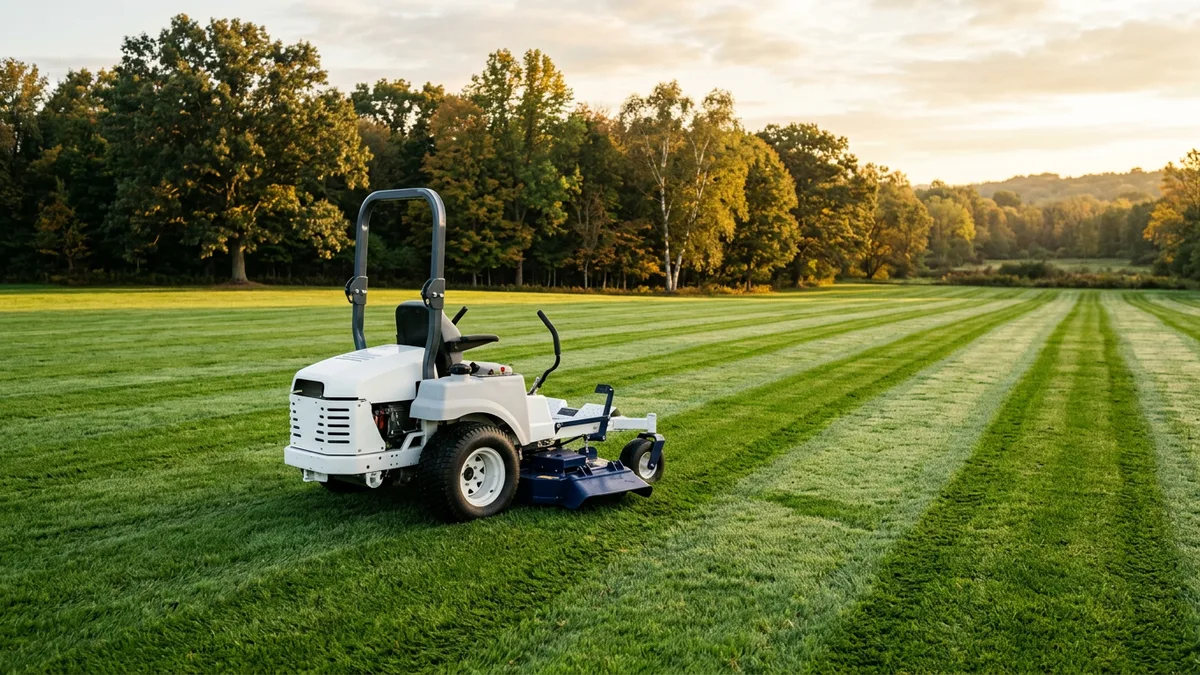
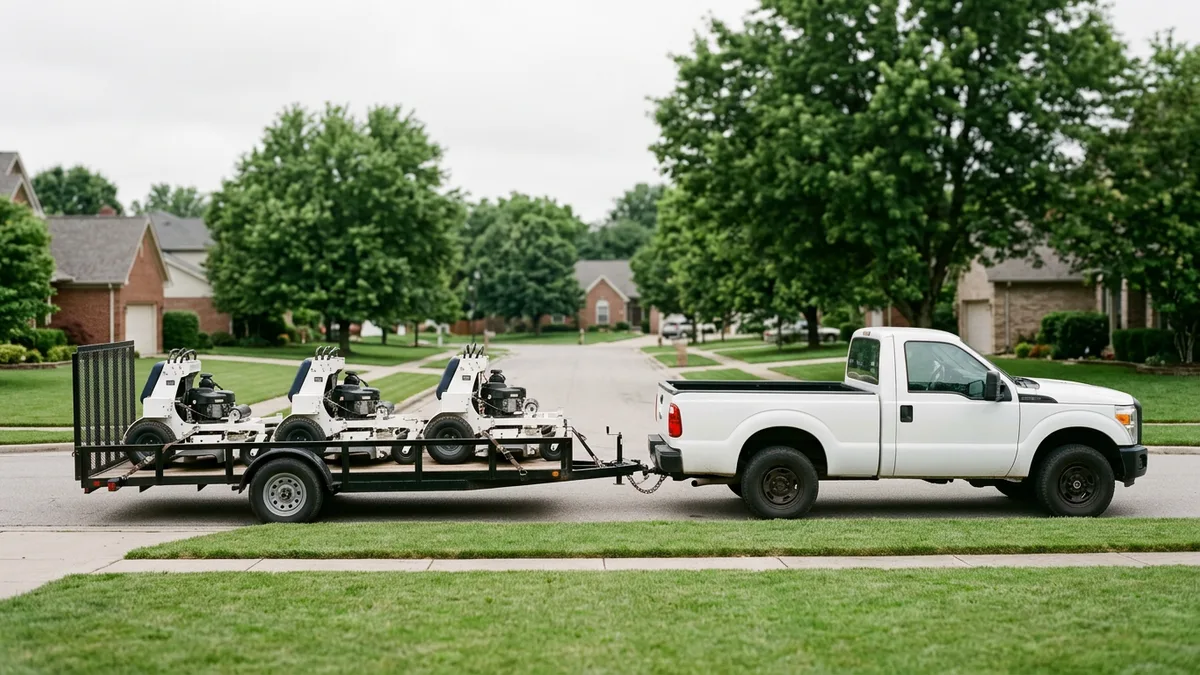
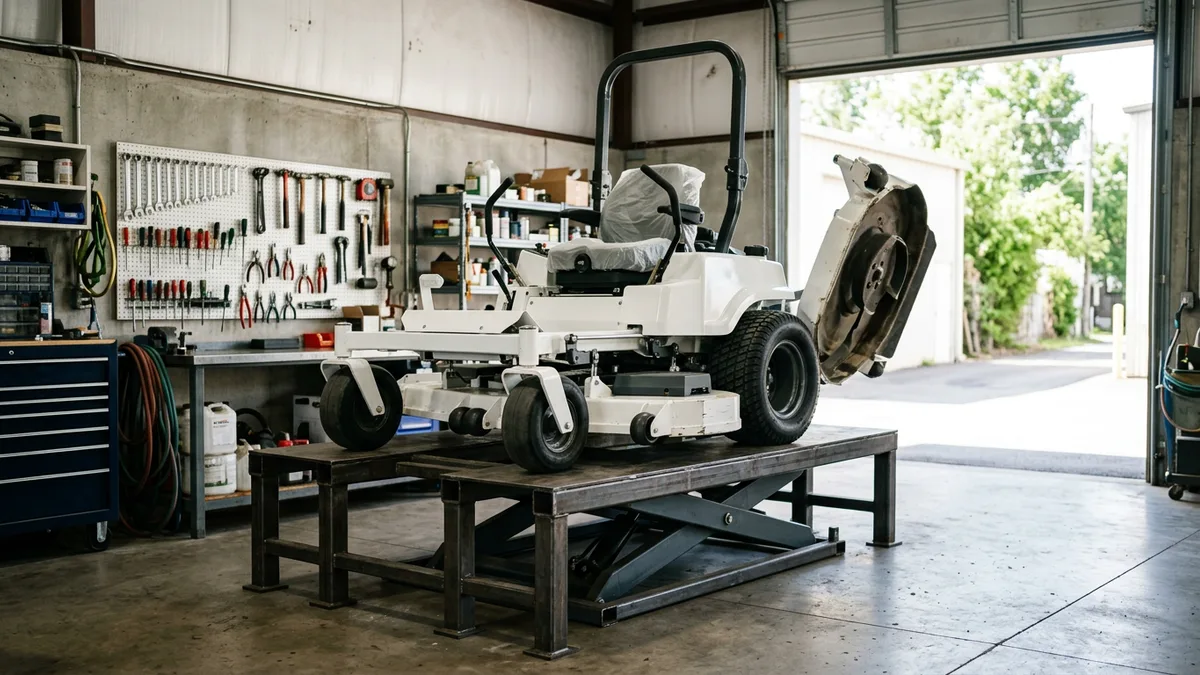
Zero-turn and stand-on mowers, trucks and trailers work most days of the season. Steady use, steady wear. They’re the first thing a company replaces when downtime starts costing jobs, so a loan or an equipment finance agreement tends to fit, because the business owns the machine once the balance is paid.
Machines that work in bursts
Aerators, seeders, chippers, stump grinders and trenchers can sit idle between jobs. A lease with a buyout option keeps the exit open if the work changes. Rent the one-offs. Finance the regulars.
What landscaping companies finance, from mowers to trailers
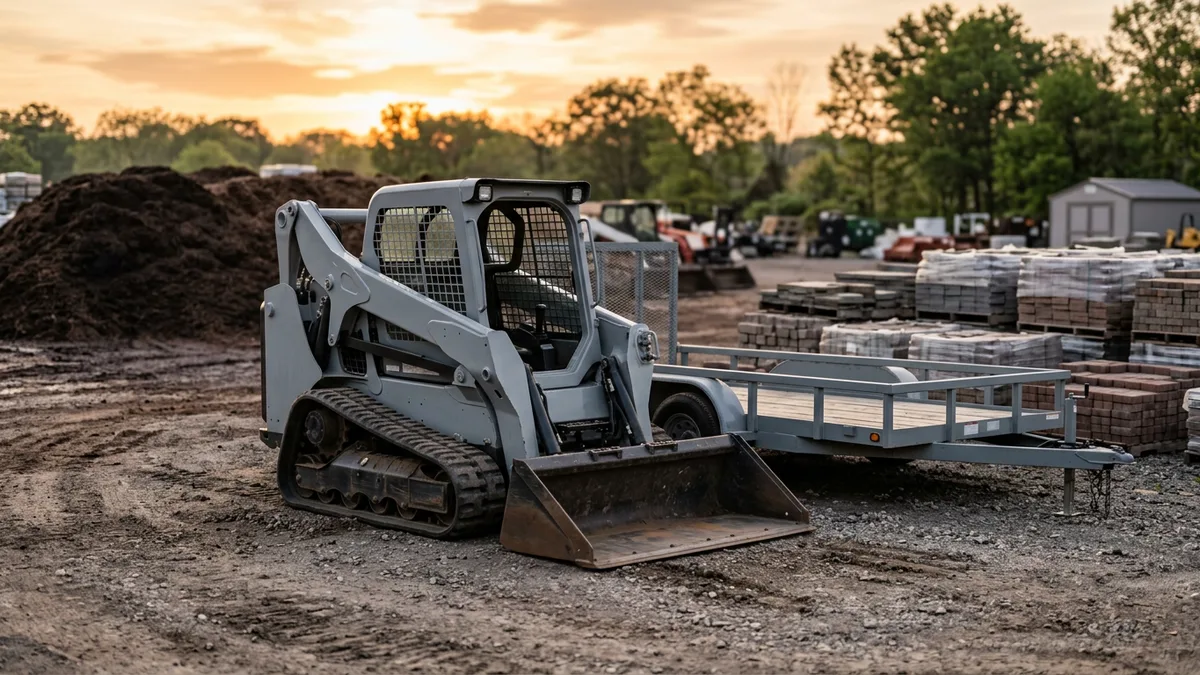
The shopping list runs longer than a mower. Much longer. A lawn care or installation company usually buys a handful of machines and the things that move and fit them.
A loader without its bucket can’t earn a dollar. Neither can a mower with no way to haul it. Plan for the whole kit, and ask whether the machine, the attachments and the trailer can sit on one quote, so the paperwork lines up from the start and nobody’s chasing a missing piece two weeks after the loader shows up.
Used mowers, loaders and trailers
A used mower or loader can be the sensible buy. It also changes what a lender looks at. Hours matter. There’s no new-machine price to check against, so age, condition and service history carry more weight than they would on a one-year-old unit sold through a dealer.
What to have ready
Then add up the cost of keeping it running, not just the sticker price. A cheap loader that’s always in the shop isn’t cheap. Run both numbers. Our guide to used equipment financing goes further on older units.
Landscaping equipment financing structures compared
A fair market value lease prices the buyout at what the machine is worth when the term ends. The business can return it, renew the lease or buy it. That fits equipment replaced on a cycle, like a loader a company trades up every few years or a mower it swaps out before the repair bills start piling up, because nobody’s stuck holding a tired machine.
| Structure | Who owns it during the term | At the end of the term | Where it tends to fit |
|---|---|---|---|
| Fair market value lease | The lessor | Return it, renew or buy it at its then-current value | Loaders and compact equipment replaced on a cycle |
| $1 buyout lease | Structured so the business keeps it | The business keeps it for a nominal payment | Mowers and machines you plan to run for years |
| TRAC lease | The lessor, with a residual value set up front | Buy it at that residual, or sell it and settle the difference | Pickups, dump trucks and trailers |
| Loan or equipment finance agreement | The business, with the lender holding a security interest | Already the business’s once the balance is paid | Long-lived machines, and units you may trade in |
In a loan or an equipment finance agreement, the lender usually records its interest with a UCC-1 financing statement. Ask whether it names one machine or all of your business assets, and get the answer in writing before you sign. Ask early.
Landscaping equipment financing, in numbers
87%
of U.S. companies use some form of financing when they acquire equipment
Source: Equipment Leasing & Finance Association, Industry Horizon Report 2026-2027
1.3 million
jobs held by grounds maintenance workers in 2025, in work that is partly seasonal
Source: U.S. Bureau of Labor Statistics, Occupational Outlook Handbook: Grounds Maintenance Workers
$2,560,000
the maximum Section 179 deduction for tax years beginning in 2026
Section 179 limits change by tax year. Consult your tax advisor before you choose a structure for tax reasons.
What to line up before you apply
Pages to read next
Questions landscaping companies ask before they finance equipment
Should a landscaping company lease or buy a zero-turn mower?
Finance it if it’s a keeper, and lease it if it’s a trade-in.
A mower that runs five days a week for years is a keeper, and owning it means the payments end while it’s still cutting. A company that swaps in new machines every couple of seasons never wants to hold a tired one, which is where a fair market value lease earns its place. Ask your accountant to run both.
What happens at the end of a lease on a loader or a mower?
Three doors open: return it, renew it or buy it.
On a fair market value lease the buy price is whatever the machine’s worth that day, hours and wear included, while a $1 buyout lease is set up so you keep it for a nominal payment. Read the end-of-term clause before you sign, not after. It’s where the surprises hide, especially anything about wear limits or getting out early.
How do lenders look at a used mower or loader?
Closely, and mostly at the hours, the age and the service records.
A new machine comes with a price list to check against. A used one doesn’t, so the lender leans on the serial number, the maintenance history and who’s selling it. Dealer, auction or private party, each comes with its own paperwork, and a gap in any of it can hold up the whole request. Records matter.
Does financing cover trailers and attachments along with the machine?
Ask before you sign: whether a trailer and attachments can sit on the same quote as the machine is up to the lender and the deal.
A loader with no bucket can’t work. A mower with no trailer can’t get to the job. Price the machine, the attachments, the trailer and delivery in writing, then ask which pieces can go into one request, because finding that out after the machine shows up is the expensive way to learn it. Surprises cost money.
How does seasonal income change an equipment financing request?
It puts the spotlight on the slow months, because that’s where a payment feels heaviest.
A lender will usually look at a full year of income, not only the busy summer, so snow work or a year-round maintenance route can change the picture. Ask what payment structure fits your calendar before you commit, and bring all twelve months of numbers with you. Nobody wants a payment landing in a month with no jobs. Plan for January.
What slows down a landscaping equipment financing request?
Usually it’s paperwork that doesn’t line up.
A dealer quote that never names the exact model is the classic. So is a missing serial number, a seller nobody can reach, or a business name that reads one way on the quote and another on the application. The lender has to match every document to every other one, and a mismatch means a call back instead of a decision.
Can a landscaping company deduct equipment it leases or finances?
Sometimes, and it turns on how the deal is structured and which tax year you’re in.
The IRS explains how business property is depreciated in Publication 946 (2025), and Form 4562 is the form used to claim the deduction. For tax years beginning in 2026, the Section 179 limit is $2,560,000, reduced once equipment placed in service passes $4,090,000, and those limits change by tax year, so check irs.gov for the year you’re filing. Consult your tax advisor before you choose a structure for tax reasons.
Have a landscaping equipment quote in hand?
Share the machine, the seller and when you need it working, and Paramount Financial’s team will take it from there. Prefer the application? Start your application online. Either works.