
Last updated: October 29, 2026
Mini Excavator Financing for Contractors
Pay for a new, used or private-party compact excavator over a term your cash flow can handle.
Mini excavator financing pays for a 1.5 to 5 ton compact excavator over a set term, whether the machine is new, used or bought from a private seller, with the excavator itself usually standing as collateral.
This page is written for owner-operators and small trades and excavation contractors buying one compact excavator at a time, not a fleet manager budgeting for fifty machines across a dozen job sites. The underlying questions barely change between those two buyers: loan or lease, new or used, and what the lender actually wants to see before funding it.
Weighing a mini excavator against something bigger? Start with Paramount Financial’s heavy equipment financing overview, which covers the whole category, including skid steer financing, full-size excavator financing and forklift financing. Not this page. This page stays narrow, to the 1.5 to 5 ton excavator class and the financing questions that are specific to it.
Why size and access decide the deal
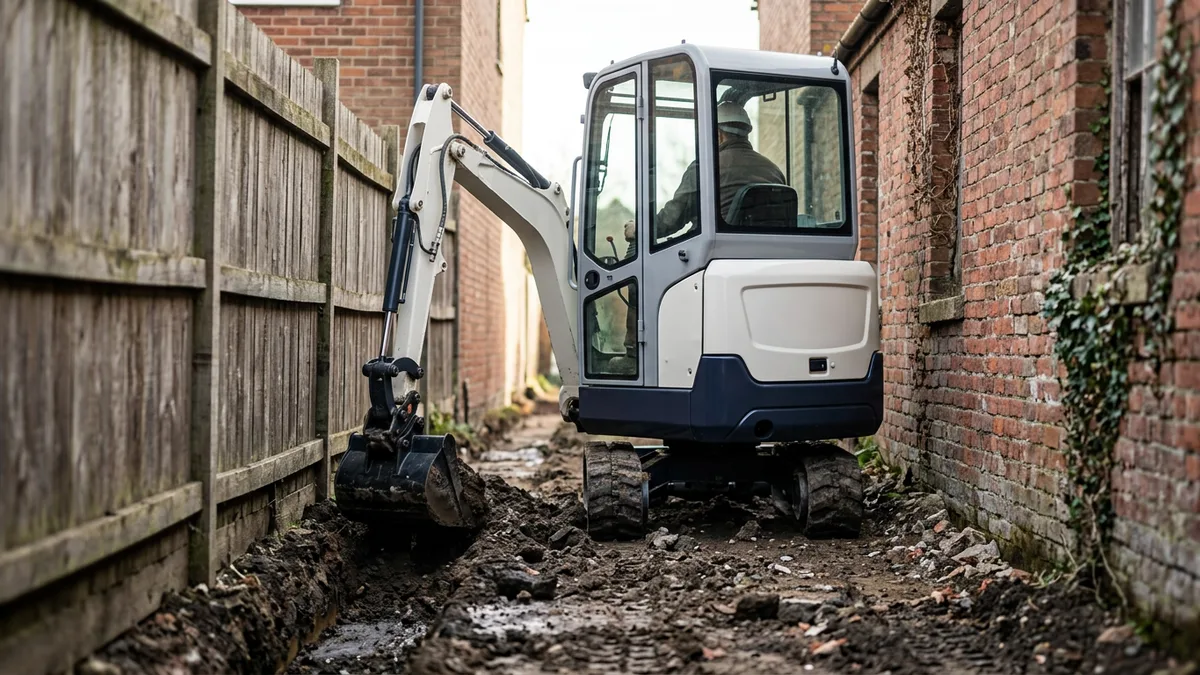
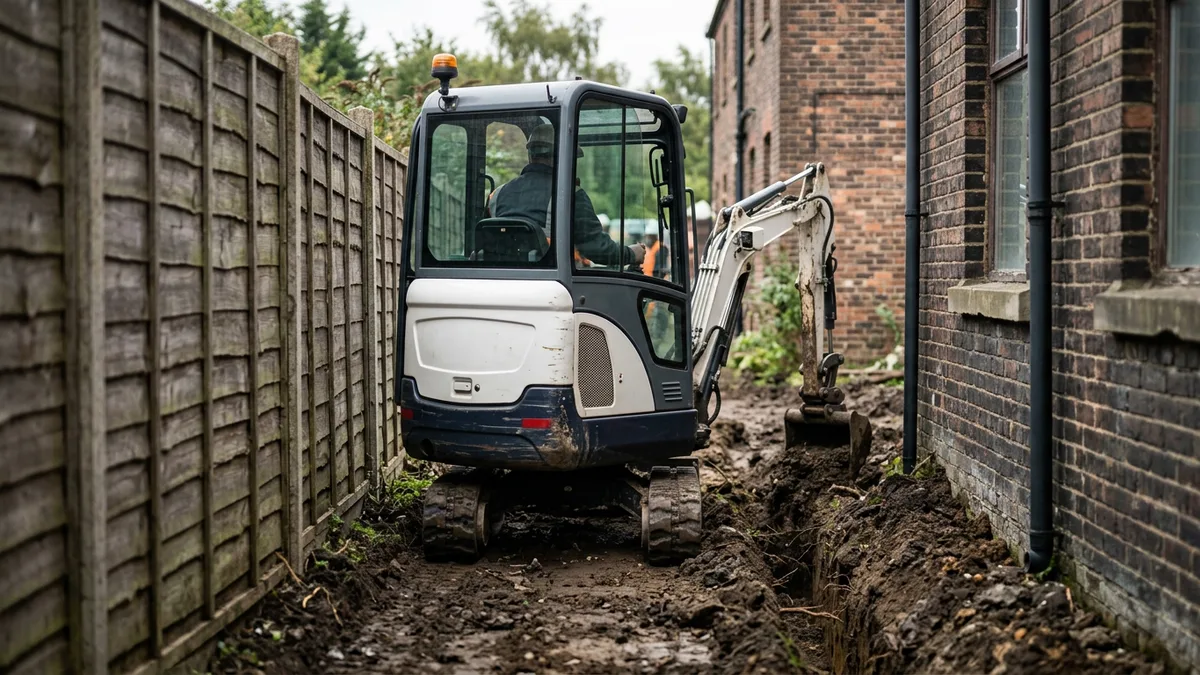
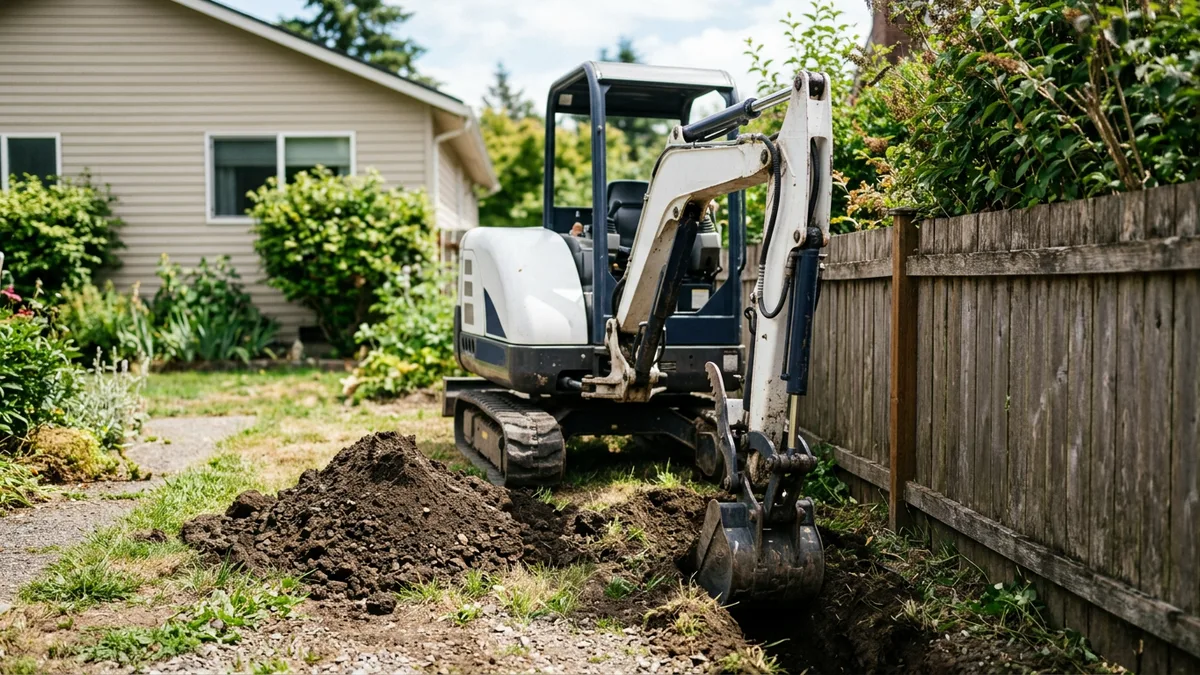
A mini excavator earns its keep where a full-size machine can’t fit: a backyard gate, a utility trench squeezed between two buildings, a basement dig inside a structure that’s already standing. That’s mini excavator territory, not a 20-ton machine’s.
The 1.5 to 5 ton class spans a genuinely wide range of jobs and prices, which is exactly why a buyer shopping “mini excavator” can end up comparing machines that have almost nothing in common.
Construction ranks among the largest end-user segments for equipment finance, and construction equipment itself is one of the categories financed most often, according to Equipment Leasing & Finance Foundation research. Attachments change the total too, and they rarely show up in the first quote a buyer gets: a hydraulic thumb for picking debris, a breaker for rock and concrete, an auger for post holes. Each one is part of what the lender finances alongside the base machine, not a separate deal bolted on afterward once the paperwork is already signed.
New, used or private-party: what a lender checks
A dealer sale is the easy case, because the invoice already lists the make, model, serial number and price in one document the lender can underwrite against without asking a second round of questions. A private-party sale doesn’t come with that convenience, since nobody’s vouching for the machine but the buyer.
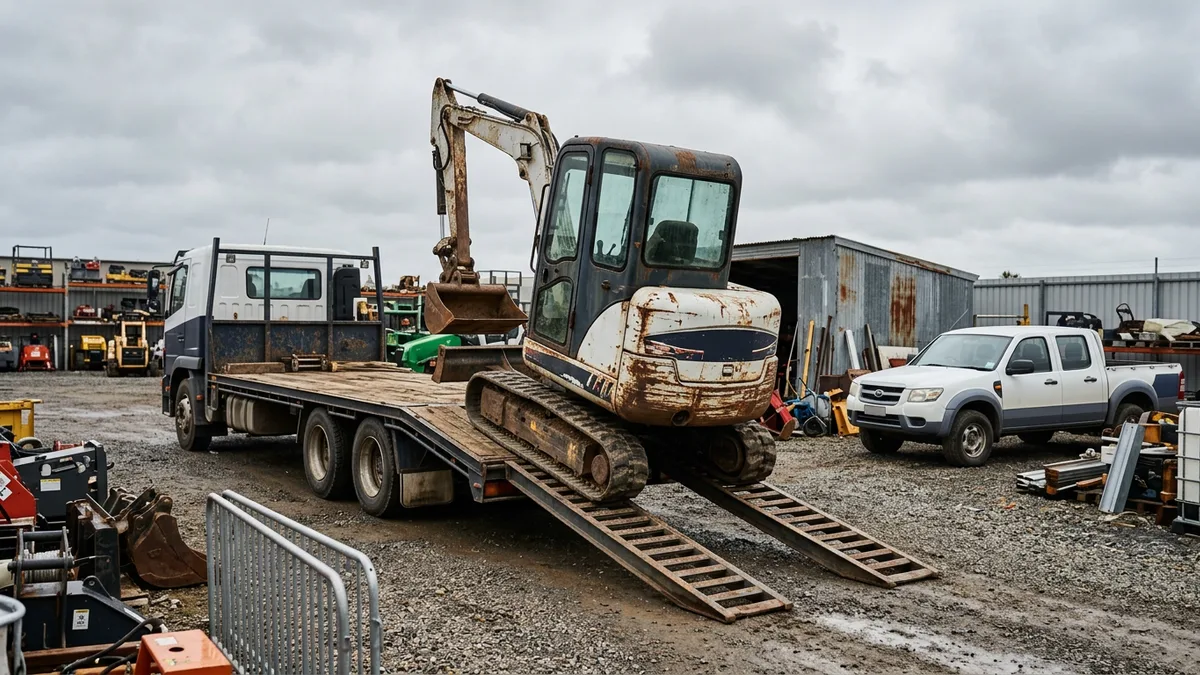
Used changes the math, and age and hours usually matter more to a lender than whatever badge is on the hood. A newer unit with moderate hours is often simpler to finance on standard terms, while a machine that’s older, or has clearly been worked hard on demolition or rock, might call for a bigger down payment, a shorter term, or an independent inspection before anyone signs off. Paramount Financial’s used equipment financing page covers how that plays out across equipment types more broadly.
What a lender wants to see
Three ways to pay for one machine
What contractors ask before financing a mini excavator
How much does a mini excavator cost, new or used?
Price depends mainly on weight class, hours and attachments, not just new versus used. A 1.5 to 2 ton machine costs noticeably less than a 4 to 5 ton model, and a well-maintained used unit with moderate hours typically costs less than a comparable new one would. Attachments add to that total too, whether it’s a hydraulic thumb, a breaker or something built for the specific job ahead.
Does the age or hours on a used mini excavator affect financing?
Short answer: yes, a lender reviewing a used mini excavator weighs its age and the hour meter reading right alongside the asking price. A newer machine with fewer hours usually finances more simply, on standard terms, while an older one or a unit that’s clearly been worked hard tends to need a bigger down payment, a shorter term, or extra paperwork before anyone’s comfortable.
Can a mini excavator be financed from a private seller, not a dealer?
The better question is what paperwork a private sale is missing, not whether it can be financed at all. A dealer invoice bundles the make, model, serial number and price into one document, but a private sale doesn’t have that. Instead: a bill of sale, the title or a manufacturer’s statement of origin, often a condition report or photos of the hour meter and serial plate. Lenders that finance private-party equipment typically ask for these instead.
Is it possible to finance an imported or Chinese-brand mini excavator?
A lender’s main questions are usually the machine’s resale value, parts availability and condition, not the brand’s country of origin. An unfamiliar or less common brand can mean a smaller resale market and fewer parts suppliers, something some lenders weigh when a machine comes from outside the major manufacturers. Whether one specific imported machine qualifies is a lender-by-lender call, not a blanket rule.
What’s the difference between financing a mini excavator and a rent-to-own agreement?
Financing transfers ownership through a loan or a lease with a buyout; a rent-to-own or rental-purchase option applies rental payments toward buying the machine later. Those are two different starting points: a rental agreement begins as a short-term rental, with part of the payment credited toward a purchase if the contractor decides to keep the machine, while financing begins as a purchase from day one, whether structured as a loan or a lease.
Is a mini excavator financed with a loan or a lease?
Either, and the choice changes who owns the machine during the term. With a loan, or an equipment finance agreement, the business owns the excavator from day one, and the lender just holds a security interest until it’s paid off. With an equipment lease, the lessor owns the machine instead, for the whole term, and the contract sets what happens at the end: return it, renew, or buy it at a stated price.
What does a lender want to see before financing a mini excavator?
Three things move first: the equipment details, the business’s financials, and, for a used or private-party machine, proof of its condition and ownership. A quote or invoice with the make, model, serial number and hour meter reading identifies the machine, while recent bank statements and the business’s formation documents cover the rest. The lender typically takes a UCC-1 filing against the machine itself as collateral, and a mini excavator purchase may also qualify for a Section 179 deduction depending on when it’s placed in service, for the 2026 tax year. The IRS explains the mechanics in Publication 946 and Form 4562 instructions; consult your tax advisor to confirm what applies to your business.
Ready to finance your next mini excavator?
Tell us about the machine, new, used or private-party, and a member of our team will follow up.