
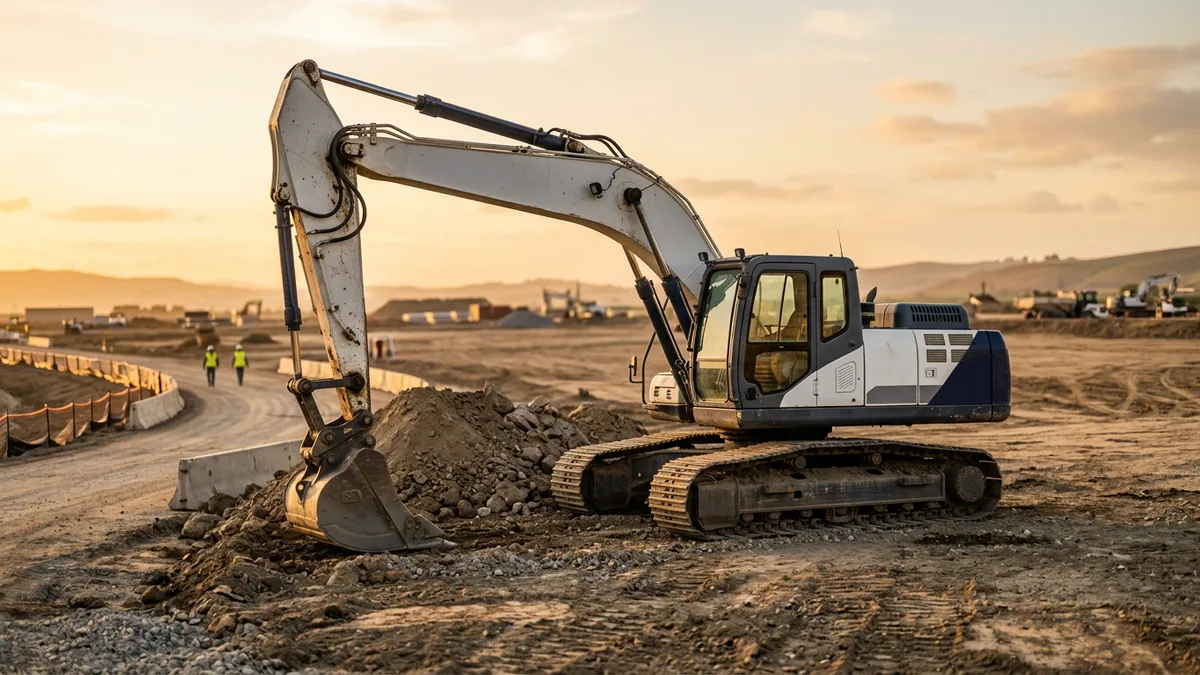
Last updated: October 29, 2026
Excavator Financing: Loans, Leases and Rental Buyouts for New and Used Excavators
Compare loan, lease and rental-purchase options for a standard or full-size excavator before you apply.
See Financing Options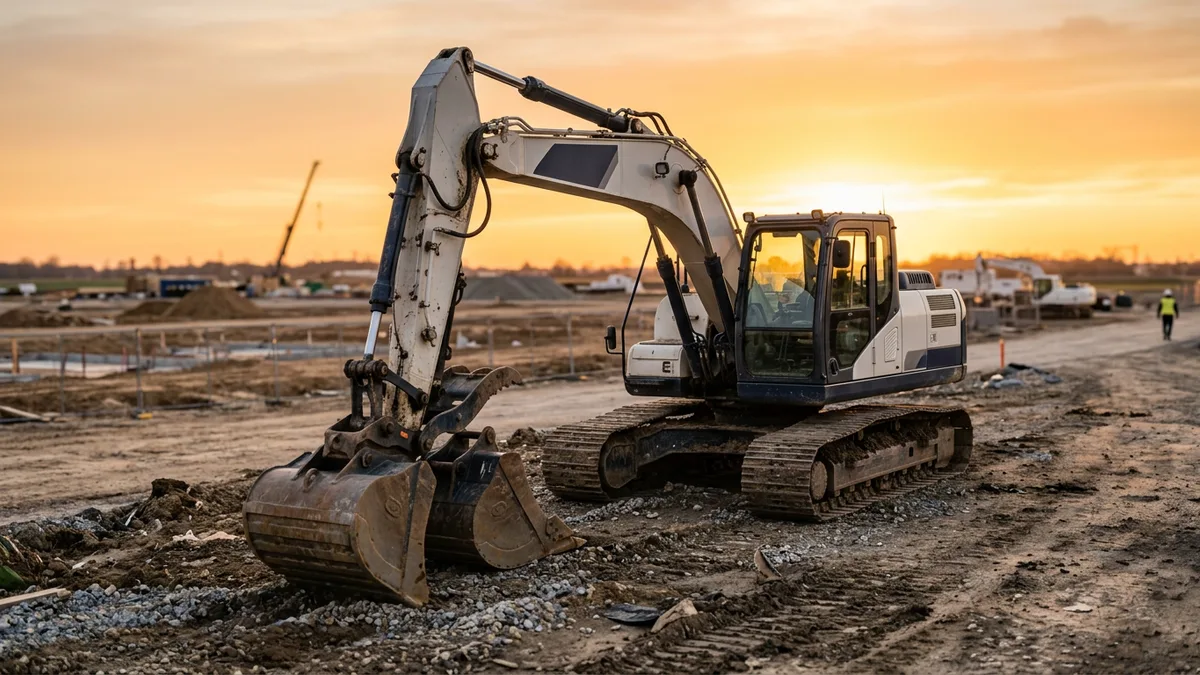
Excavator financing covers two different tools: a loan that makes the business the owner from day one, and a lease that lets it use the machine for a set term, then return, renew or buy it.
This page is for a business comparing excavator financing options, not applying for one specific machine yet. Standard and full-size machines. New or used, any brand. Sany, John Deere, Kubota and Bobcat all finance the same way, because the lender underwrites the deal, not the badge on the machine.
A mini excavator is its own machine, with its own costs and buyers. Not this page. This page covers the standard, full-size fleet that moves real dirt all day. Start with the heavy equipment financing overview for the full lineup, then come back here to pick a loan, a lease or a rental-purchase buyout.
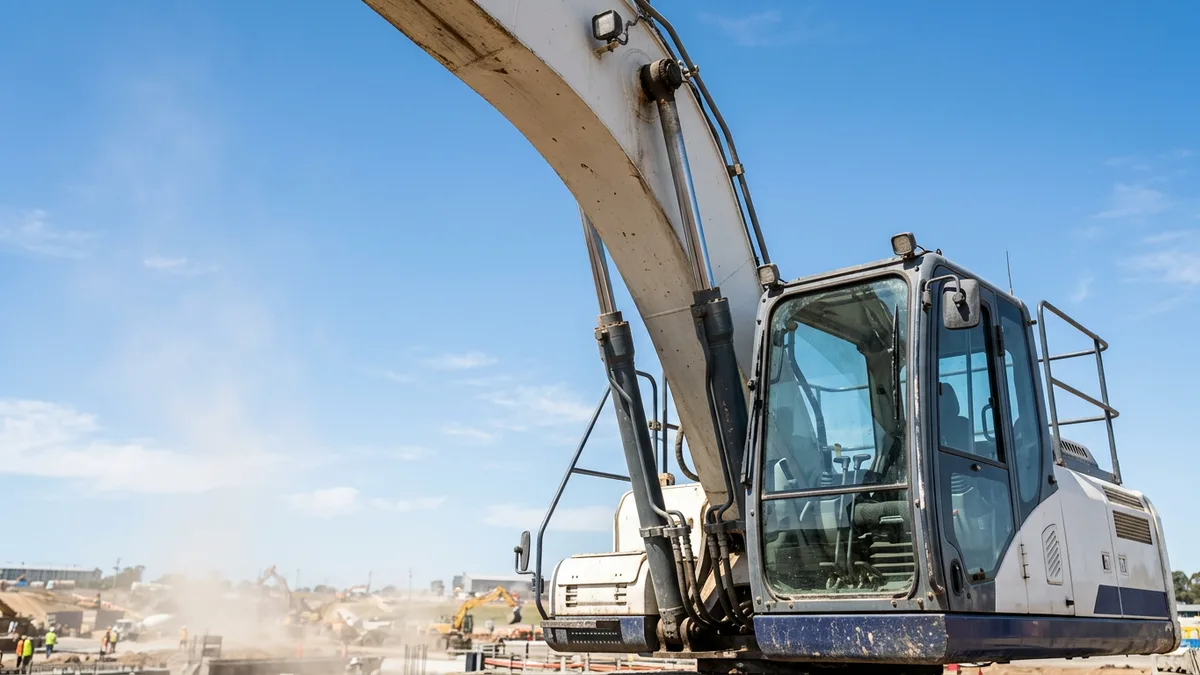
Excavator financing: loan or lease, what actually changes
A loan makes the business the owner of the excavator from day one. The lender holds a security interest, usually filed as a UCC-1 financing statement against that one machine by its serial number, not a blanket lien on everything the business owns. A lease works differently. The lessor keeps title during the term; the business pays to use it, then returns it, renews, or buys it outright, depending on how the lease is structured.
Tax treatment follows the structure, not the paperwork’s label. A business financing or buying equipment it plans to keep may be able to elect the Section 179 deduction, capped at $2,560,000 for tax years beginning in 2026 (IRS Publication 946). A lease can work differently. Consult your tax advisor, and see the Section 179 deduction guide for the fuller picture.
Used excavator financing: what lenders look at
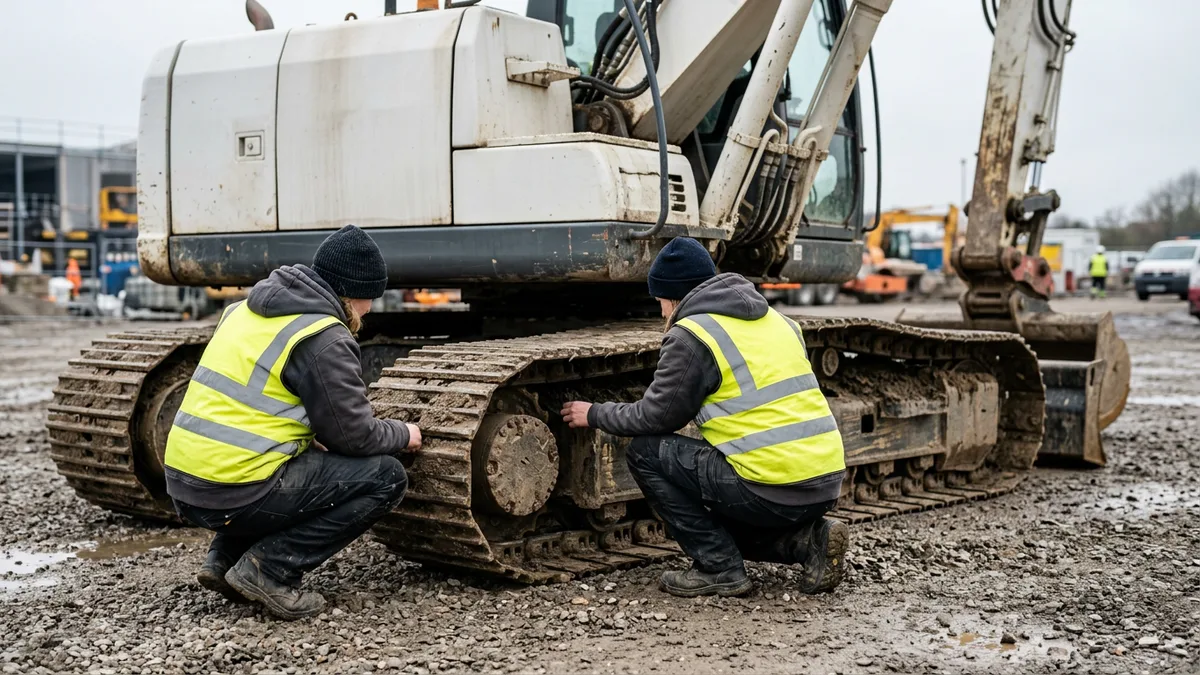
Used machines vary the most. So a lender looks closely at the details. Age and hours come first. Undercarriage wear and hydraulic pressure come right behind, and a machine run hard for ten years on 6,000 hours tells a different story than one run gently for the same years on 2,000.
The serial number plate has to match the bill of sale, because excavators aren’t titled the way a truck is. Buying from a dealer? Usually straightforward paperwork. Buying from a private party takes more work: get the serial number, the hour meter reading and the sale terms in writing before money changes hands, because a lender reviewing a used machine is weighing the same things a buyer should already be checking.
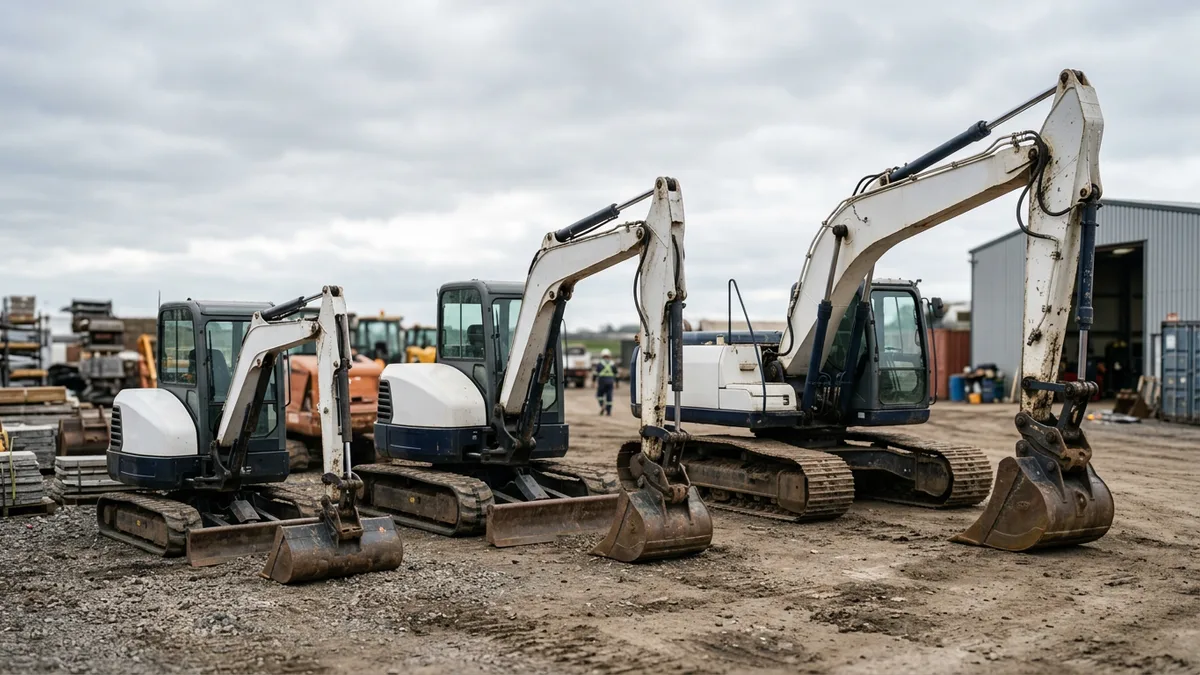
Any brand, any buyer
Buyers search by brand name, so this page names them: Sany, John Deere, Kubota, Bobcat. Badge doesn’t matter. None of that implies a dealer tie-in or a manufacturer partnership. A lender looking at one of these machines cares about three things first: its age, its hours, and the shape it’s in, then turns to the business’s own credit file.
A rental doesn’t have to stay a rental. Some agreements let part of what’s already been paid count toward owning the machine, if the buyout happens before the rental term runs out. People call that an RPO, short for rental-purchase option. Get the terms in writing before the rental starts, not after, because most rental agreements won’t let the option get added on later.
| Loan | Lease | Rental-purchase buyout | |
|---|---|---|---|
| Who owns it during the term | The business, from day one | The lessor | The rental company, until bought |
| What happens at the end | Paid off, no change | Return, renew or buy, set by the lease | Buy at the agreed credit, or return the machine |
| Typical use case | Equipment the business plans to keep long-term | Equipment the business expects to upgrade or cycle | A machine already on the job that may get bought before the rental ends |
How excavator financing works
Not a script. These are the general stages a lender follows when a piece of equipment, instead of general business assets, stands behind the financing (the SBA’s own funding guidance covers collateral the same way).
1
What the machine looks like
The lender checks the excavator’s age, hours and condition, then takes a look at the business’s financials.
2
Where the business stands
Personal credit, business credit and how long the company’s been running all shape what gets offered.
3
Structure selection
Loan, lease or rental-purchase buyout: the business and the lender land on one together.
4
Documents and funding
Paperwork gets filed, the lien or lease included, and the money moves so the machine can change hands.
What excavator financing covers
Running other iron too? See skid steer financing for the wheeled and track-loader side of the yard.
Before you finance an excavator
What’s the difference between financing and leasing an excavator?
A loan makes the business the owner right away; a lease keeps the lessor as owner while the business pays to use the machine. The better question is what the business wants to own when the lease term ends. An equipment finance agreement works like the loan, with the lender holding a security interest until it’s paid off. A true lease returns, renews or buys out the machine on terms set when the lease was signed.
Can I get financing for a used excavator?
Age, hours and condition decide more than the calendar year on a used excavator. Lenders financing used equipment typically look at the machine’s hour meter against its age, the condition of the undercarriage and hydraulics, and whether the seller is a dealer or a private party. A private-party sale usually needs more documentation: the serial number, the hour reading and the sale terms in writing. Ask your lender which used-equipment documentation it requires before you shop.
How does a rental-purchase buyout work on an excavator?
Short answer: a rental-purchase option, or RPO, lets some or all of a rental payment count toward buying the same machine later. The terms, how much credit applies and by when, are set in the rental agreement itself, not added on after the fact. It’s a separate structure from both a loan and a lease, built for a contractor who’s already running a rented machine and decides to keep it. Ask about RPO terms before signing the rental agreement, because adding one later usually isn’t possible.
What do lenders check on a used excavator before approving financing?
Three things come up on nearly every used-excavator review: hours against age, undercarriage and hydraulic condition, and a serial number that matches the bill of sale. A machine that’s seen heavy hours relative to its age draws closer scrutiny, even if it looks clean on the surface. Buying from a dealer usually means the paperwork trail already exists. Buying from a private party means the buyer, and the lender, have to build that trail from scratch.
Does the excavator’s brand, like Sany or Kubota, change the financing?
Not in how the deal gets underwritten. Sany, Kubota, John Deere, Bobcat and every other brand go through the same review: the machine’s condition and value, and the business’s credit and operating history. Parts availability and resale value can shift slightly by brand, which a lender may factor into the machine’s value as collateral. None of this is an endorsement or a dealer relationship with any manufacturer; the names come up because buyers search by them.
Is leasing or owning better for an excavator a business plans to keep for years?
Mostly it comes down to how long the machine stays in the fleet. Keeping it for the long haul? Owning tends to win out, usually through a loan or an equipment finance agreement, and there’s no hour cap or modification restriction once the balance is paid. A business planning to swap machines every three or four years often finds a lease fits the rhythm of the work better.
What’s the difference between a mini excavator and a standard excavator for financing purposes?
Size, mostly. A mini runs under about 6 to 10 tons and tends to get financed on its own track, with its own buyers and its own costs. Full-size machines move more dirt, cost more, and that’s the range this page actually covers. Keep both in the fleet and expect two separate financing conversations, not one.
Ready to compare excavator financing?
New or used, tell us about the machine. We’ll walk through the loan, lease and rental-purchase options that fit how long you plan to run it.