
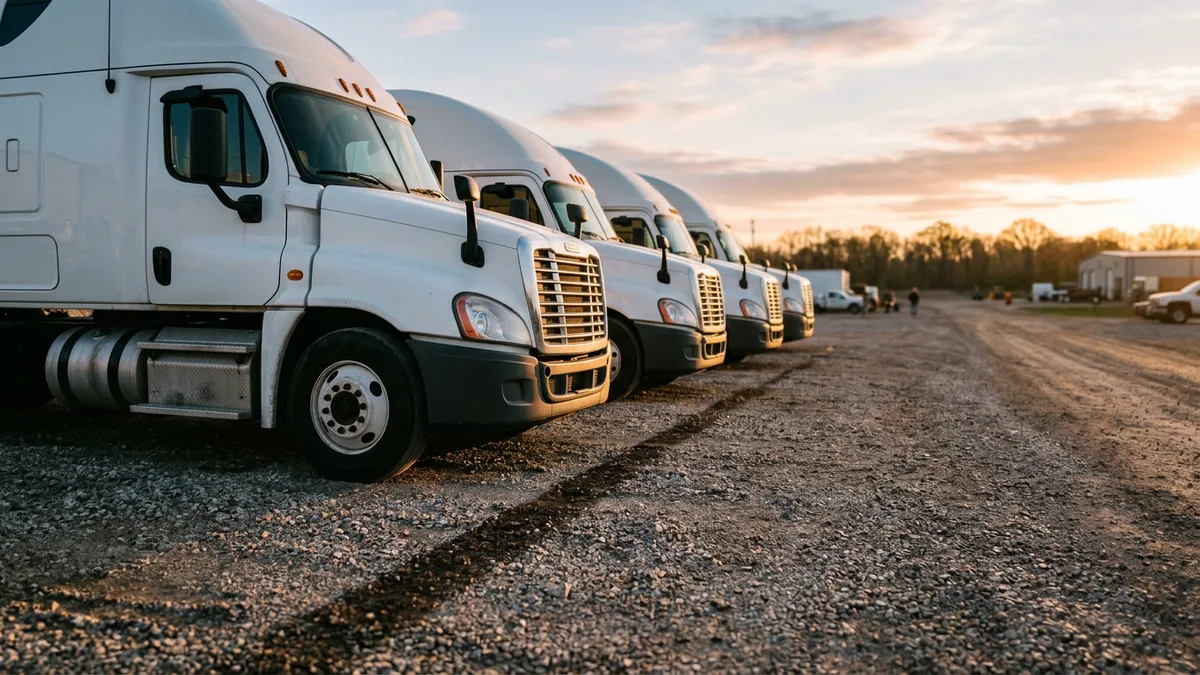
Last updated: October 28, 2026
Semi Truck Leasing for Owner-Operators and Fleets
How TRAC, fair market value and lease-purchase deals differ, and what to read before you sign.
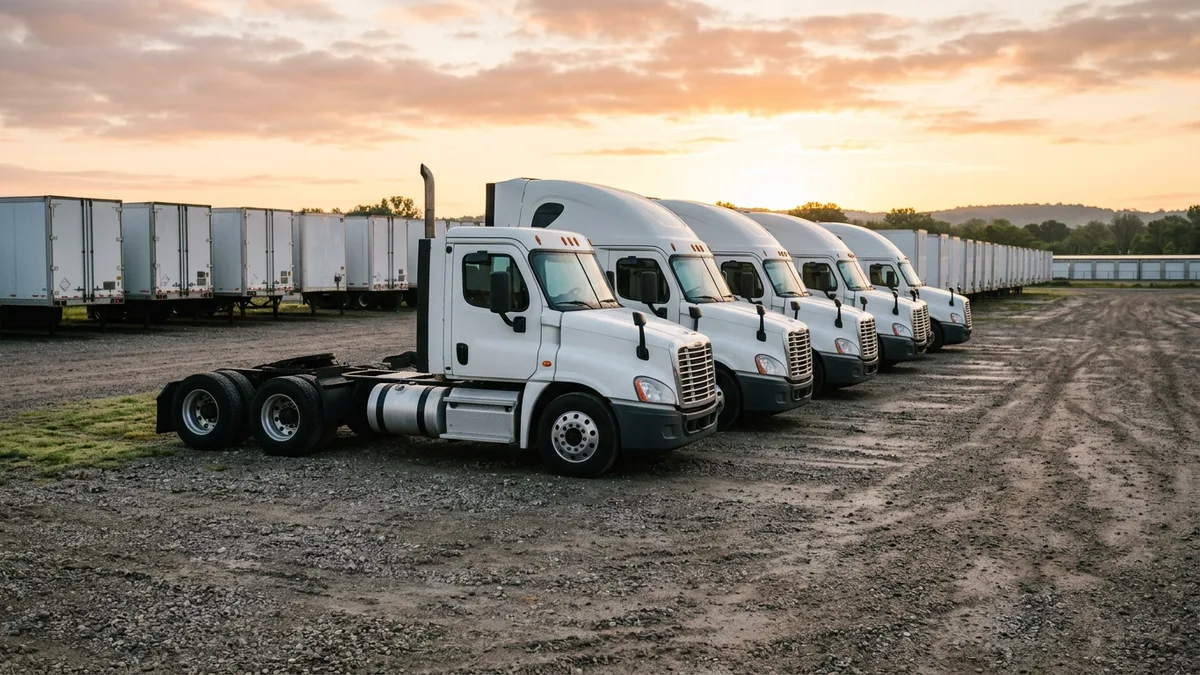
Semi truck leasing lets a business or owner-operator use a tractor for a set term in exchange for payments, then return it, renew or buy it. The end-of-term clause decides what the deal really is.
Here’s the catch. Three different deals all get called a truck lease, and they don’t work alike, since one comes from a lessor, one is a lease-purchase sold through a dealer or a carrier, and one is you leasing your own truck onto a carrier.
Paramount Financial’s equipment leasing guide covers the basics of every lease type. Here, it’s all tractors.
How semi truck leasing works
In a semi truck lease, a lessor buys the tractor you pick and lets your business use it for an agreed term. You make scheduled payments and run the truck. When the term ends, the lease says whether you return it, renew, or buy it at a price the agreement sets, and that clause is the part to read first.
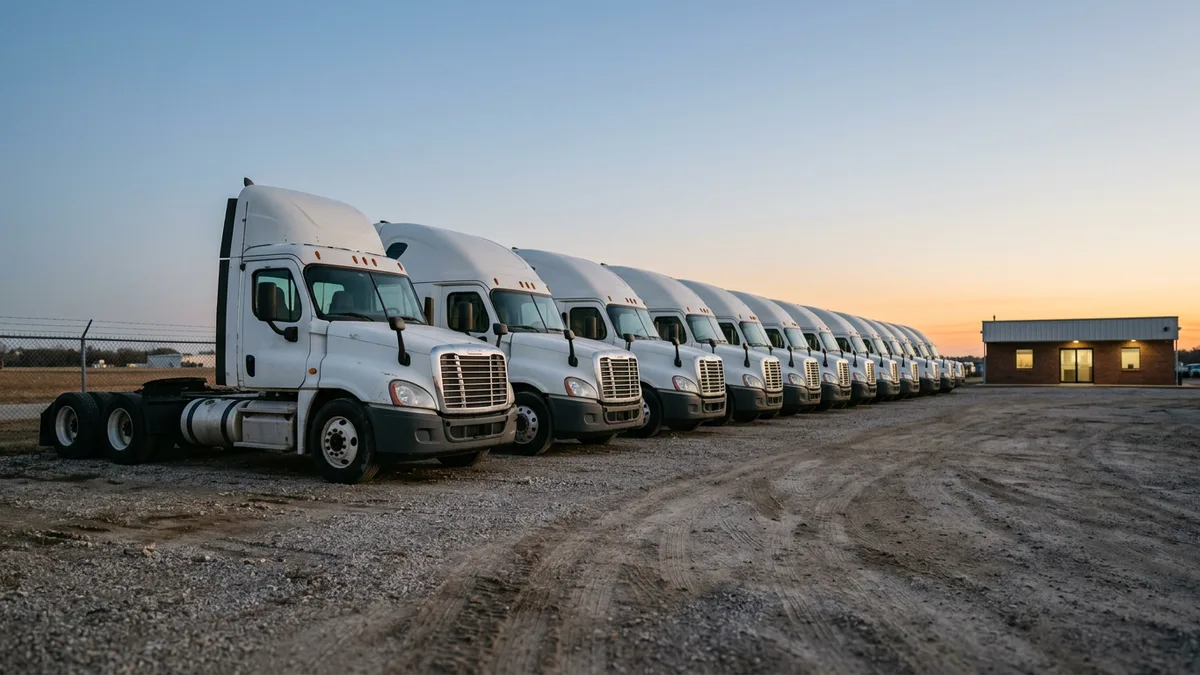
Lessors write these on new and used tractors, from a day cab on regional runs to a sleeper on long haul, and a Freightliner Cascadia, a Peterbilt 579, a Kenworth T680 and a Volvo VNL all get leased the same way. What changes the deal is the truck’s age, its miles and what it’ll be worth when the term ends. Plain as that.
How a TRAC lease sets the end value
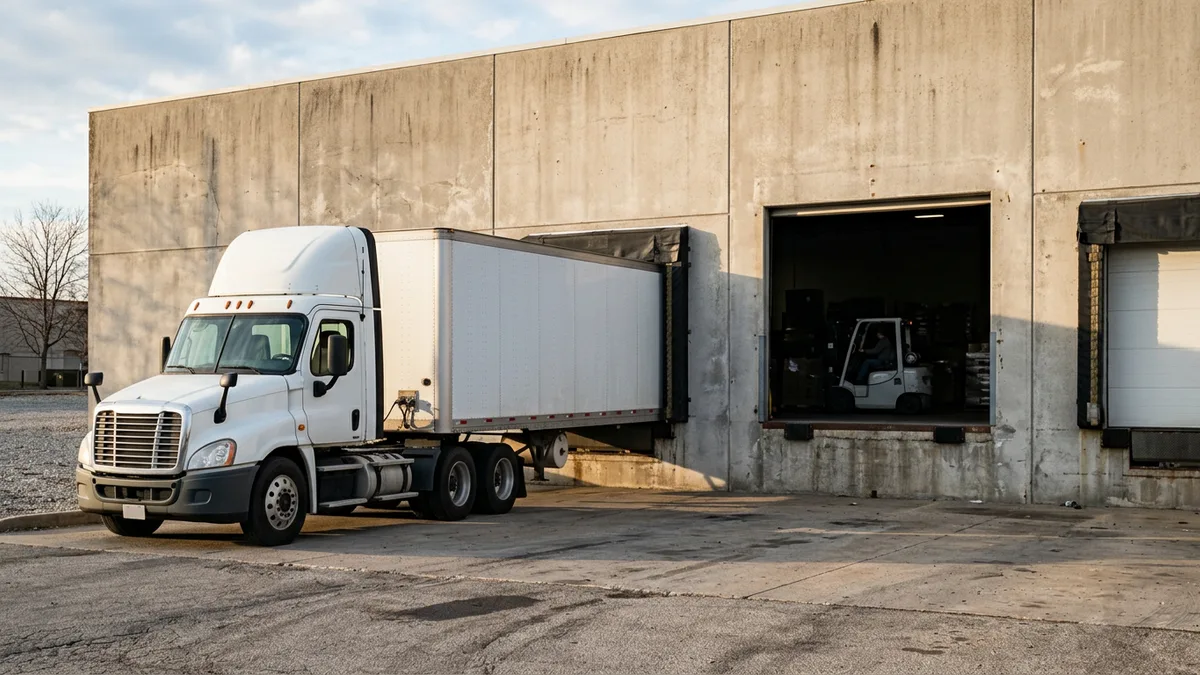
A TRAC lease (terminal rental adjustment clause) fixes the truck’s end value when you sign. At the end of the term the truck is sold, and the sale price is measured against that agreed value, with the difference settled between you and the lessor as the lease sets out. Simple enough.
The tax code treats a qualifying motor vehicle agreement with a TRAC as a lease when it meets the conditions in 26 U.S.C. § 7701(h), and one of those conditions is your certification that over half the truck’s use is for your business. Whether your agreement qualifies is a question for your tax advisor. Ask before you sign.
Lease or buy a semi truck: four ways to decide
Start with how long the tractor stays in your fleet. Then ask what it’ll be worth when you let it go. That’s most of it. The leasing vs buying equipment guide goes deeper.
A true lease and a purchase work differently at tax time. IRS Publication 946, written for 2025 returns, says you generally can’t depreciate property you lease, because you don’t keep the incidents of ownership that come with holding the title and carrying the risk of loss. A loan or a purchase-style lease can bring depreciation into play, as the Section 179 deduction guide explains. Limits change every year, so check the 2026 figures on irs.gov, and consult your tax advisor before you sign.
Buying instead? Commercial truck financing covers loans on a tractor, and the operating lease and finance lease guide explains how those two labels differ. For work trucks and vans, see commercial vehicle financing.
Three deals that all get called semi truck leasing
| What to compare | Lease from a lessor | Lease-purchase program | Leasing your truck onto a carrier |
|---|---|---|---|
| Who the other party is | A leasing company that buys the tractor for you. | A dealer or a carrier selling the truck through payments. | A motor carrier that hauls freight with your truck. |
| Who owns the truck during the term | The lessor, in a true lease. | Set by the contract, so read it. | You do. The carrier uses it under the lease. |
| How it ends | Return it, renew, or buy it under the purchase option. | Ownership depends on the contract and on meeting its terms. | The lease ends and you take the truck back. |
| What governs it | The lease itself, and your tax advisor for a TRAC. | The contract, mainly its default and early-exit sections. | The written lease that 49 CFR 376.12 requires. |
Three federal lines every tractor lease touches
A lease contract sits on top of federal rules. Three of them come up in almost every tractor deal.
55,000
Pounds of taxable gross weight where the heavy highway vehicle use tax begins
26,001
Pounds of combination weight rating that puts a tractor-trailer in CDL Group A
Over 50%
Share of the truck’s use that must be for your business under the TRAC rules
Source: 26 U.S.C. § 7701(h), Cornell Legal Information Institute
Four clauses to read in any truck lease
The paperwork has its own guide: what to check in an equipment lease agreement.
Semi truck leasing questions
So how does leasing a semi truck actually work?
Short answer: a lessor buys the tractor and your business pays to use it for an agreed term.
The lease sets the payments and the end-of-term options before anyone signs, and unless it says otherwise you run the truck, carry the insurance and handle the routine upkeep yourself. Read the end-of-term clause first. Then read it again.
What’s a TRAC lease on a semi truck, in plain terms?
A TRAC lease agrees the truck’s end value up front, then settles the gap against the actual sale price.
Sell it above the agreed value and the lease usually passes the difference to you. Sell it below and you usually cover the shortfall. The tax code sets conditions for treating a TRAC as a lease, and whether your agreement meets them is a question for your tax advisor, so ask before you commit to a truck. Terms differ by lessor.
Is a lease-purchase the same thing as a lease?
The label matters less than the contract, but a lease-purchase is generally built to end in ownership, while a true lease keeps the title with the lessor.
A carrier or dealer may offer a lease-purchase, and terms vary widely. Read what happens if you miss a payment or leave early. Ask who owns the truck on the day you stop. Get it in writing.
Is it better to lease or buy a semi truck?
The better question is how long you’ll run the truck and what it’ll be worth after.
A tractor you’ll run hard for its whole working life points toward buying or a $1 buyout lease. One you’ll swap every few years points toward a lease. Resale value matters. Neither wins every time.
What decides whether I can lease a semi truck?
Three things usually decide it: the truck, the business and the paperwork.
A lessor looks at the tractor’s age and value, the business’s history and cash flow, and whether your CDL, your insurance and the rest of the paperwork are in order, which is why the same truck can lease on different terms for two different businesses. Terms vary. No one can promise an outcome before they’ve seen yours.
Does a semi truck lease cover maintenance?
Only a full-service lease usually bundles maintenance, and most other leases leave it with you.
Ask who covers tires, repairs and roadside service. Get it in writing. Mileage caps and wear-at-return charges sit in the same fine print. Check them against your routes.
What’s the difference between leasing a truck and leasing onto a carrier?
Leasing a truck onto a carrier is a different deal from leasing a truck from a lessor.
In a carrier lease you own the truck and the carrier runs it under its operating authority. 49 CFR 376.12 requires that lease to be written and signed, with a copy delivered to you before the carrier’s trip. It’s a separate contract from any lease or loan you hold on the truck itself, so a signed carrier lease doesn’t change what you owe the lessor or the lender who financed the tractor. Keep the two straight.
Talk through the lease before you sign it
Tell us what you haul, how long the tractor will run and what you want at the end of the term, or start an equipment application now if you already know what you need. Questions first? Talk to a Paramount Financial specialist, or read the equipment financing FAQs.