
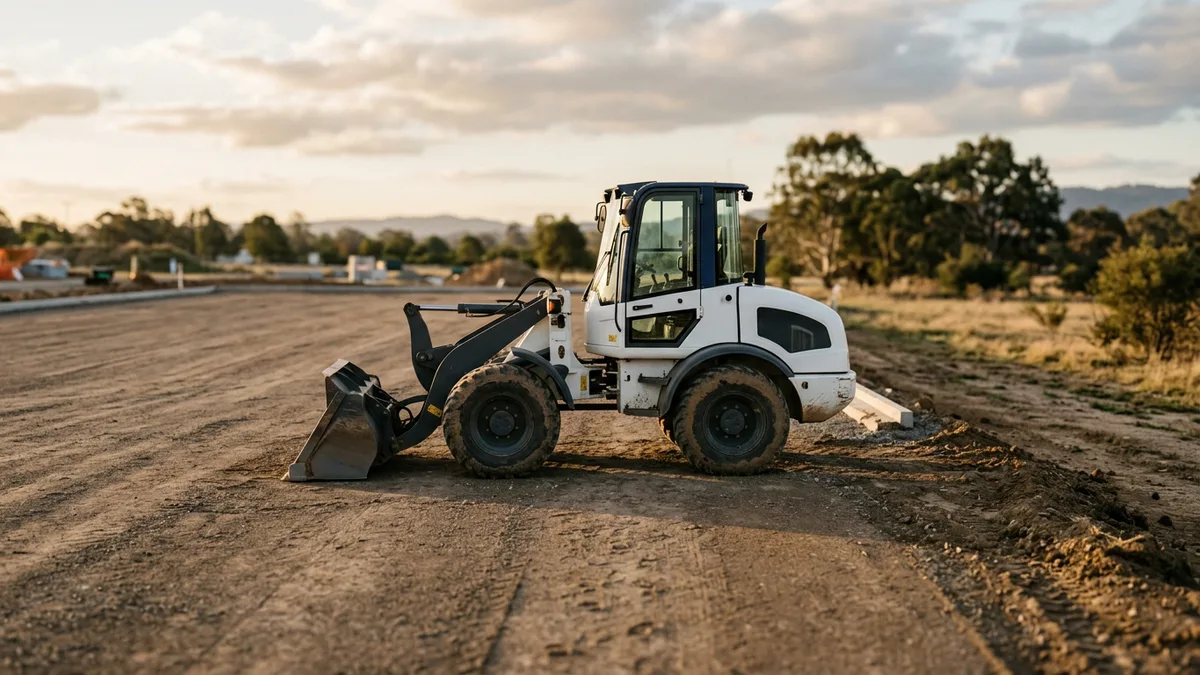
How Does Equipment Financing Work? Loans, Leases and EFAs Explained

Key takeaways
How does equipment financing work? A lender pays for the equipment, the business repays over a set term, and the equipment usually secures the deal.
- Loan, finance agreement, or lease: the label changes who owns the equipment and what happens at the end.
- Read the end-of-term clause before you compare payments.
- The lender’s claim needs a signed security agreement and, usually, a public filing.
- A lease with a one-dollar buyout is a loan wearing a lease’s name.
You’ve found the machine. Now somebody has to pay for it, and “financing” covers at least three different contracts. Here’s the path from quote to last payment, with a look at how equipment financing differs by structure and at the legal plumbing underneath. Most of the plumbing you’ll only need once.
How Equipment Financing Works, Step by Step
Equipment financing is a way to buy or use business equipment without paying for all of it up front. A lender pays the seller, the business repays the lender over a set term, and the equipment itself usually serves as the collateral. The contract’s structure, loan, finance agreement, or lease, decides who owns the equipment along the way.
Most deals follow the same sequence.
- The seller quotes the equipment. The dealer’s quote or invoice names the machine, its options and its price, and the lender builds the deal around that paper.
- The business applies and sends documents. Lenders commonly ask for business financial statements or tax returns, recent bank statements, and the quote. A private-party purchase adds a description of the machine with its serial number.
- The lender looks at the business, its finances, and the equipment.
- Everyone signs. This is where the structure gets fixed, so it’s the page worth reading twice.
- The lender pays the seller directly, and the business takes delivery.
- The business makes its scheduled payments. What they cost depends on the contract, which is why we don’t put a figure on them here.
- The term ends, and what happens next depends on what was signed in step four.
Notice who gets the money. The seller does. Not the owner. That’s why the invoice matters, because the machine it describes is the machine the lender is lending against, and any mismatch between the paper and the equipment that shows up at your door becomes everybody’s problem.
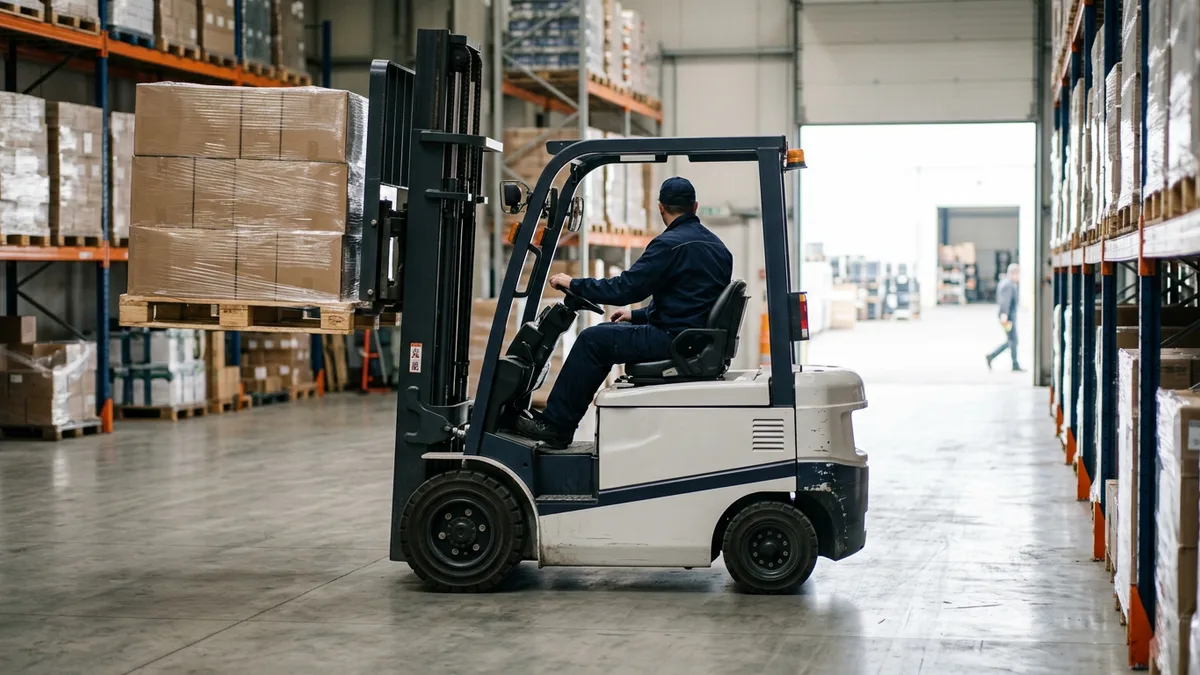
Loan, Finance Agreement, or Lease
| Equipment loan | Finance agreement | Equipment lease | |
|---|---|---|---|
| Owner during the term | The business | The business, in most | The lessor |
| What secures it | The equipment | The equipment | The lessor’s ownership |
| At the end | Nothing left to decide | Usually nothing | Return, renew, or buy |
| Paper to read | Note and security agreement | The agreement itself | The lease and its purchase option |
Now the plain-language version. A loan comes first. The business owns the equipment from day one, the lender holds a security interest in it, and when the last payment clears the lender’s claim ends. Simple.
An equipment finance agreement, or EFA, is a financing contract written to work like a purchase. Names vary. Lenders use this one in different ways, so don’t lean on it. Open the document and find two things, who owns the equipment and what the business does at the end.
A lease is another animal. The lessor owns the equipment during the term, and the business pays for the use of it. The two end-of-term options that matter most are a fair market value (FMV) lease, which prices the buyout at what the machine is worth when the term ends, and a $1 buyout lease, which is built so the business keeps the machine for a dollar. They look alike on page one. They look nothing alike on the last page.
We’ve written more on the operating lease and a finance lease, and on the terms to review in an equipment lease agreement.
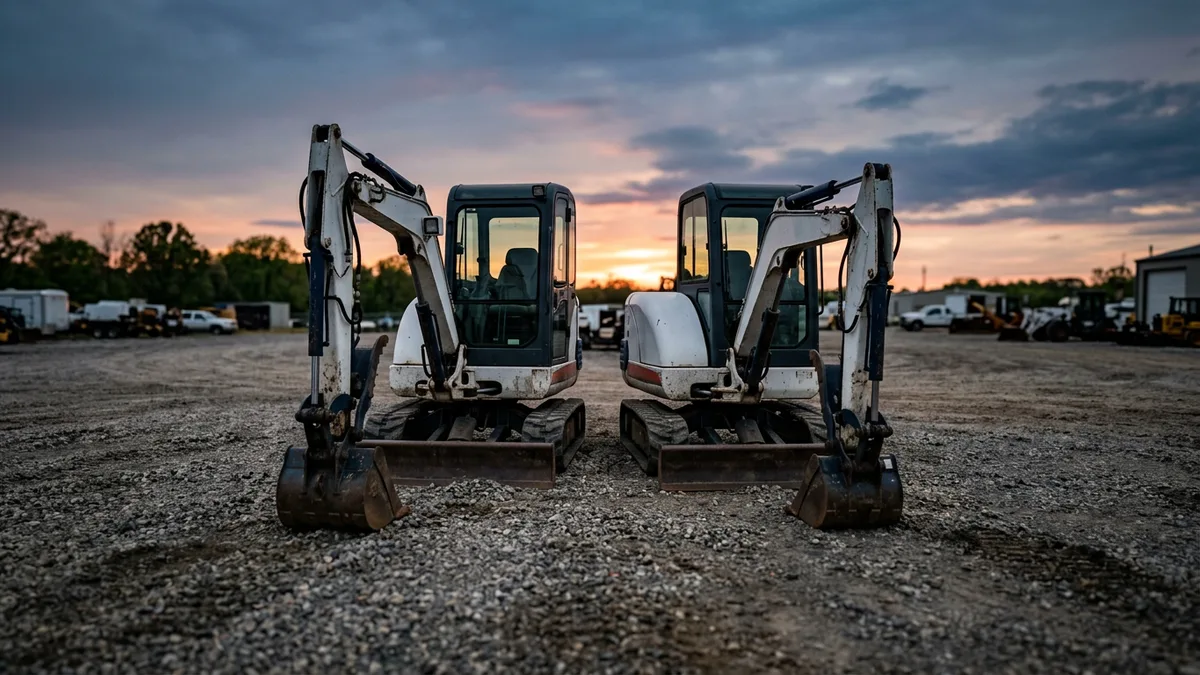
Same Machine, Three Endings
Three contracts, one excavator. Run it through each to the end of the term.
Start with the loan. The last payment arrives and the lender’s claim ends. The business already owned the excavator, and now nobody else has a hold on it. On an EFA the picture is usually the same, unless the agreement ends with one more payment or step, which is the kind of detail that sits on page six.
An FMV lease is a three-way fork. Return the excavator, renew the lease, or buy it at what it’s worth then. A $1 buyout lease has one real ending. The business pays the dollar and owns the machine.
Fair question, then. What is that last contract, really?
When a Lease Is Really a Loan
Calling a contract a lease doesn’t make it one. UCC 1-203 sets the test. Substance wins. A transaction labeled a lease is treated as a security interest, the legal term for a loan secured by the equipment, when the business is bound to pay for the whole term with no right to cancel and also holds an option to renew or buy for no extra cost or a nominal one.
A $1 buyout clears that bar. Easily. An FMV lease doesn’t, because under UCC 1-203(d) an option priced at fair market value, determined when the option is exercised, isn’t nominal.
Why should an owner care? The label alone won’t tell you who really owns the machine, what the lender files, or how the contract is handled if something goes wrong. How each structure is treated for tax, and under the ASC 842 lease accounting standard, also depends on the facts and the tax year. Consult your tax advisor before you sign, and ask about tax year 2026 specifically.
The rule we’d hand an owner is short. Read the end-of-term clause before you compare payments. If the buyout is a dollar, you’re buying. If it’s whatever the machine is worth then, you’re renting with an option.
What the Lender Files and Why
Whatever the label, the lender wants a claim on the equipment it paid for. Under UCC 9-203, that claim attaches when three things are true, namely that the lender gave value, that the business has rights in the equipment, and that the business has signed a security agreement describing it. Miss one and it fails.
Then the public part. The lender files a UCC-1 financing statement with the state, a notice to every other lender that a claim exists. Two things, then, the claim and the notice, and our UCC filing guide shows how to read, search for, and end one.
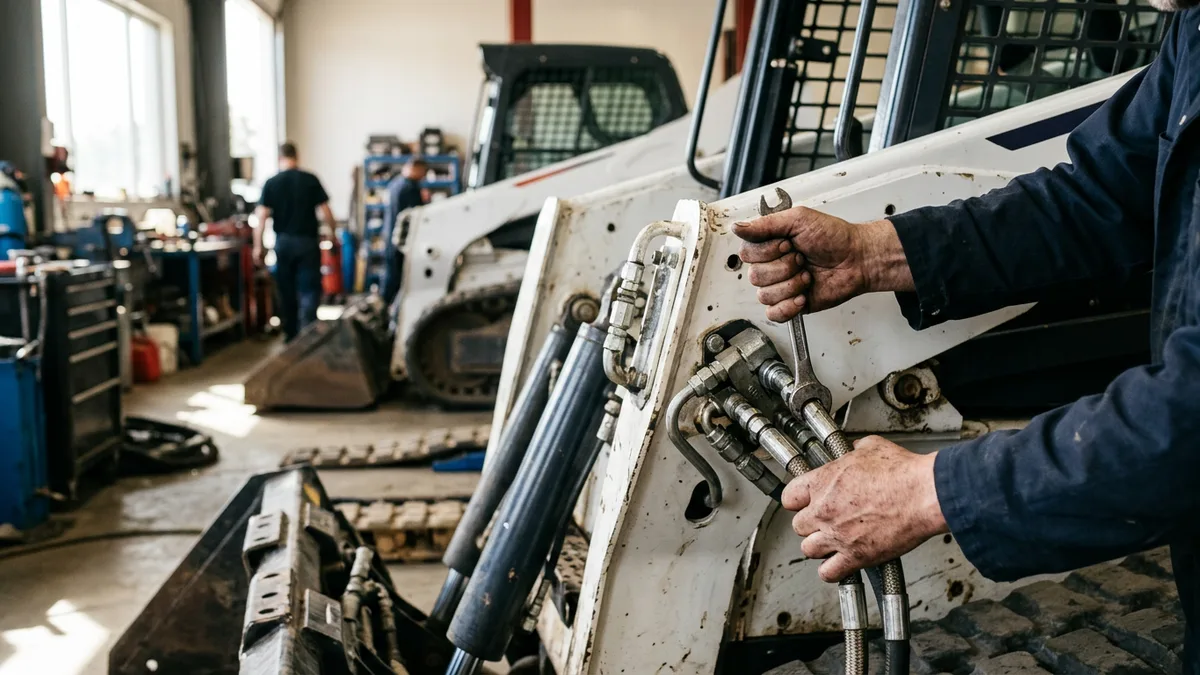
The description of the collateral is where the action is. A specific-collateral filing names the financed machine, usually by make, model, and serial number, which generally leaves the rest of the business free for other credit, while a blanket lien reaches all or nearly all of a business’s assets and can complicate the next deal. Ask any lender, us included, which one it files, and get the answer in writing.
Trucks are different. Titled trucks and trailers mostly skip all this, and the lender’s lien goes on the certificate of title instead. The same title step comes up when a loan is replaced, which our equipment refinancing guide covers.
After the last payment, the filing stays. A UCC-3 termination statement ends it, so ask for one.
How Lenders Look at an Application
Lenders weigh the business, the equipment, and the deal. On the business side that means finances, history, and credit. On the equipment side it means what the machine is, how old it is, what it’s worth, and how long it should stay in service, since the equipment is the collateral. Then comes the seller, because a dealer’s clean invoice reads differently from a bill of sale with gaps in it.
No two lenders weigh these the same. There’s no magic number, and we won’t pretend there is one.
What can you do about it? Ask. In writing. Put these to any lender before you pick a structure.
- What happens at the end of the term?
- What is the full schedule of payments, and is there a charge for paying early?
- Which assets does the filing cover, this machine or more?
- Does the lender fund the deal itself, or sell it on after closing?
- Whatever the contract says about default. Read that one slowly.
An excavation contractor adding a compact excavator, a regional trucking fleet adding a tractor, and a dental practice adding an imaging unit all run the same sequence, with different paper at the end.
When Financing May Not Be Needed
We finance equipment, so keep that in mind as you read this. Paying cash keeps the equipment free of any lender’s claim and leaves no payment schedule to manage, while financing keeps that cash in the business, so the real comparison is what else the money could do over the same months. An existing line of credit may cover a smaller purchase, and a bank or an SBA program may fit a larger one, since the SBA backs loans that lenders make rather than lending itself. For the cash-flow side of the decision, see our page on working capital.
37%
of U.S. employer firms applied for outside financing, such as a loan or a line of credit, in the 12 months before the Federal Reserve Banks’ 2024 survey of 7,653 small firms.
Source: Federal Reserve Banks, Small Business Credit Survey, 2025 Report on Employer Firms
So outside financing is ordinary. Not a red flag. Whether it’s right for your business is the question, and your accountant can help with the answer.
Questions Owners Ask About Equipment Financing
So what’s the actual difference between an equipment loan and an EFA?
Short answer: the name matters less than the contract. A loan and an EFA both usually leave ownership with the business and the equipment as collateral. Lenders use “EFA” for their own versions, so read what yours says about ownership, the end of the term, and default.
Realistically, how long does equipment financing run?
The term usually follows the equipment’s useful life. A lender doesn’t want payments still running after the machine has worn out, so a long-lived truck and short-lived technology don’t get the same schedule. We don’t quote terms here. Your contract states the exact length, and it’s worth asking for it in writing.
Does the lender own the equipment during a loan?
In a plain loan, the business owns it. The lender holds a security interest until the debt is paid, which gives it a claim on the equipment if the business defaults. A lease works the other way, with the lessor owning the equipment during the term.
What do lenders look at before they approve a financing request?
Usually the same few things. The business and its finances, the type, age, and value of the equipment, and the seller. Each lender weighs them differently, and nothing here promises any outcome, so ask the lender what it needs.
Can used equipment from a private seller be financed?
UCC 9-203 explains why lenders ask questions here. A lien only attaches if the business has rights in the equipment, so the lender wants to see that the seller can actually transfer it. Some lenders finance private-party purchases and some don’t, and age and condition affect the answer.
Do you need financing at all if you can pay cash?
Not always. Cash keeps the equipment free of any lender’s claim and avoids a payment schedule, while financing keeps cash in the business for other uses. Which one wins depends on what else the money could do, so it’s worth a conversation with your accountant.
Next Steps
Ending first. Payment second. If you’re weighing a purchase now, see how Paramount Financial finances equipment, read about equipment leasing, or start an application. Get the end-of-term clause in writing first, and for any specific contract, your attorney has the last word.