
Leasing vs Buying Equipment: How to Decide for Your Business

Key takeaways
Leasing vs buying equipment comes down to which risks you want to carry: resale value, going out of date, upkeep, and cash tied up. Lease what you’d rather not carry; buy what you’ll keep and maintain.
- Start with the end-of-term clause, not the payment.
- Same machine, same stretch of years: add every payment and the buyout before you compare anything.
- Used equipment changes the buyout question. It doesn’t change the method.
- Taxes follow the structure of the deal, so show your tax advisor the draft before you sign.
One quote says lease. The other says buy. You’ve got a machine in mind and a payment you can picture, and the question of leasing vs buying equipment still won’t settle by staring at either number.
It settles when you ask what each road leaves you holding at the end, and what it asks of you in between, from the repair bills and the insurance to the day somebody walks around the machine with a return-inspection form. Taxes get a short summary here, with the figures for tax year 2026 in our Section 179 deduction guide. We lease and finance equipment, so we have a stake in your answer. And if you can pay cash, you may not need either.
Leasing vs Buying Equipment in Plain Terms
Buying equipment means you own it from day one, whether you paid cash or borrowed to cover it. Leasing means a lessor owns it, and you pay to use it for a set term, then return it, renew it, or buy it under the lease’s end-of-term option. Different contracts, different obligations.
That gives you three roads. You can pay cash. You can finance a purchase with a loan or an equipment finance agreement, the way equipment financing works step by step. Or you can lease.
Financing of some kind is the norm, not the exception.
87%
of U.S. companies use some form of financing, such as loans, leases, or lines of credit, when they acquire equipment.
Source: Equipment Leasing and Finance Association, Industry Horizon Report: A Market Sizing Study 2026-2027
Four Risks, and Who Carries Them
Set the sales pitch aside for a minute. Every piece of equipment hands its owner four risks, and the contract you pick decides who holds each one.
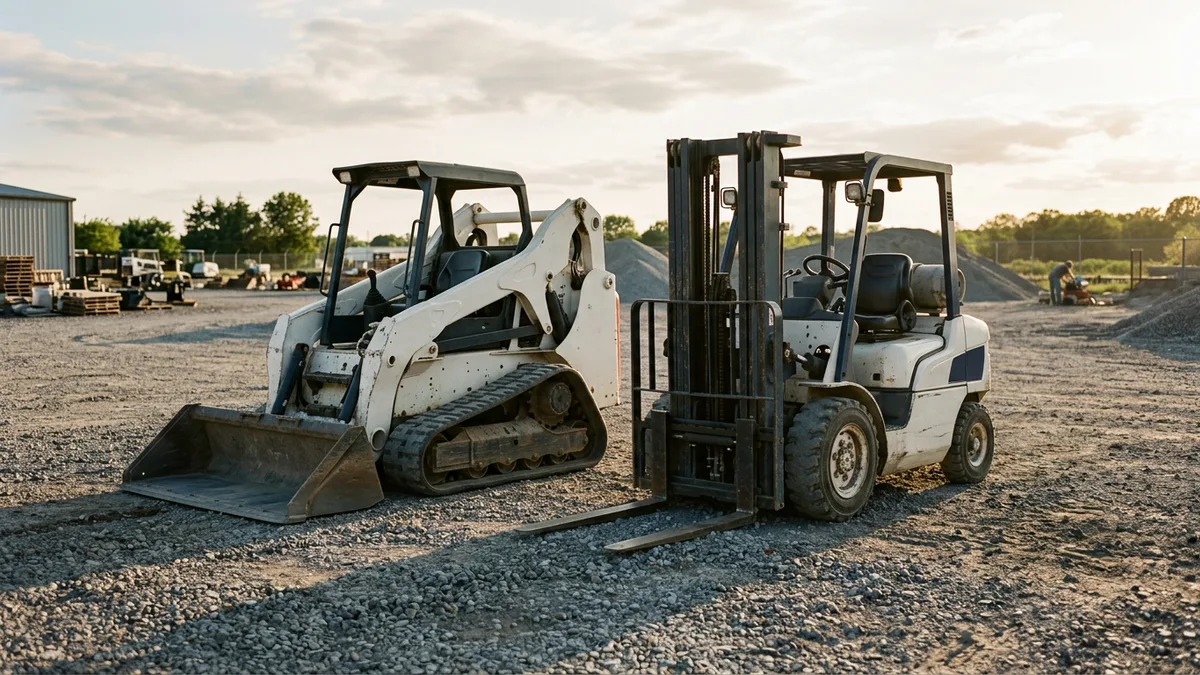
Resale value comes first. A compact track loader that has worked three seasons still sells to somebody, and whoever owns it on the last day gets that money, or the disappointment when the used market has softened.
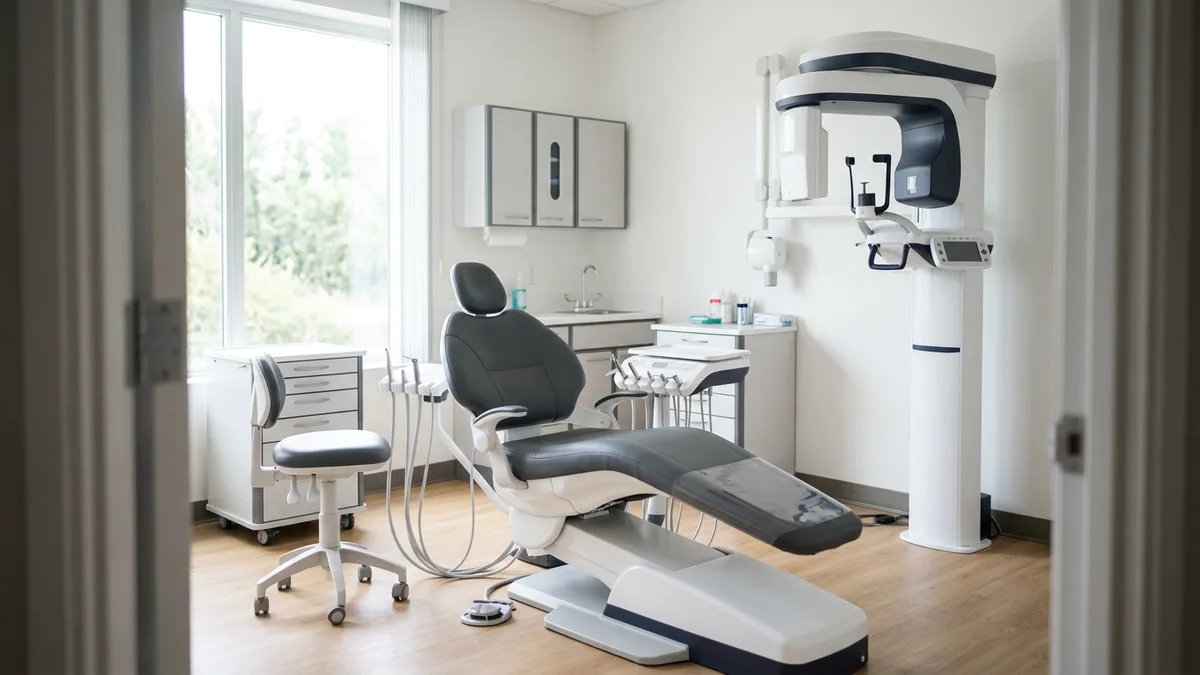
Then there’s obsolescence, which hits a dental imaging unit far harder than a flatbed trailer. Upkeep is third: hydraulics, tires, insurance, and the repair bill nobody budgeted. Cash is the last, and it’s the one everybody sees. The other three hide.
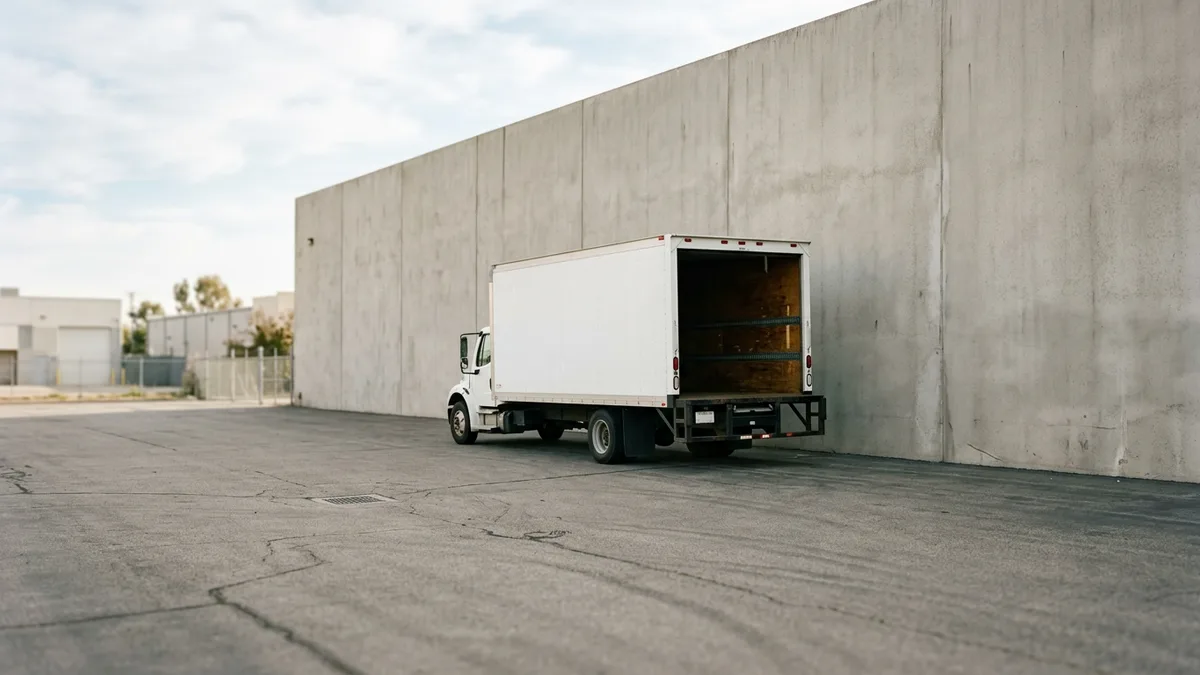
Here’s the rule that sorts most of these decisions. Put each risk on the party better placed to carry it. A contractor who’ll run a box truck for ten years never has to sell it, so resale value barely touches that business. A dental practice that swaps its imaging equipment every few years is badly placed to carry the same risk.
Five Questions to Settle It
Work through these in order. Often, two decide it.
- How long will the machine stay in service in your business? If the lease term runs past the year you’d replace it, you’re paying for something you’re about to hand back. If you’d run it for ten years, a lease ends with a buyout or a second purchase. Be honest about the date.
- What will it be worth when you’re done? Equipment that holds its value, like a vocational box truck with a clean service history, rewards its owner. Equipment with a thin resale market is a risk better left with the lessor under a true lease.
- Will it go stale before it wears out? A forklift rarely does. An imaging unit tied to software and standards often does. Software ages out before steel does.
- What does your cash need to do right now? Paying outright leaves the machine free of any lender’s claim, but it spends the money. A lender that finances the purchase will usually file a UCC-1 filing describing the collateral. Ask whether it names the one machine or everything the business owns. A blanket description can crowd out other borrowing later.
- Who keeps it running? An owner pays for every repair. A lessee often does too, plus whatever the return-condition clause says about wear and hours. Budget for it either way.
Fair warning: question four is the loud one, because the payment is visible. Question one is the one that costs you.
Leasing vs Buying Equipment, Side by Side
The structures differ in the same few places. This table puts those places in one view.
| Cash purchase | Financed purchase | Lease | |
|---|---|---|---|
| Owner during the term | You | You, with a lender’s claim on it | The lessor |
| Resale risk | You | You | The lessor, in a true lease |
| At the end | Nothing to decide | Nothing to decide once paid | Return, renew, or buy |
| Upkeep and insurance | You | You | Set by the lease, often you |
| Tax treatment | Follows ownership | Follows ownership | Follows the structure |
The lease column hides the most variation. A fair market value lease and a $1 buyout lease sit in the same column and behave nothing alike, which is why the terms to review in an equipment lease agreement matter more than the label on the quote.
Compare Payments Over the Same Horizon
A lease payment next to a loan payment tells you very little. The terms differ, and one of them ends with nothing in your hands. Same horizon, every option.
- Pick the number of years you’ll really use the machine.
- For each option, add every payment across that period.
- Add what the end costs: a buyout price, return charges, or nothing at all.
- For an owned machine, subtract what it would sell for then. A dealer’s written estimate beats a guess.
- Compare the totals, then ask what the gap buys you.
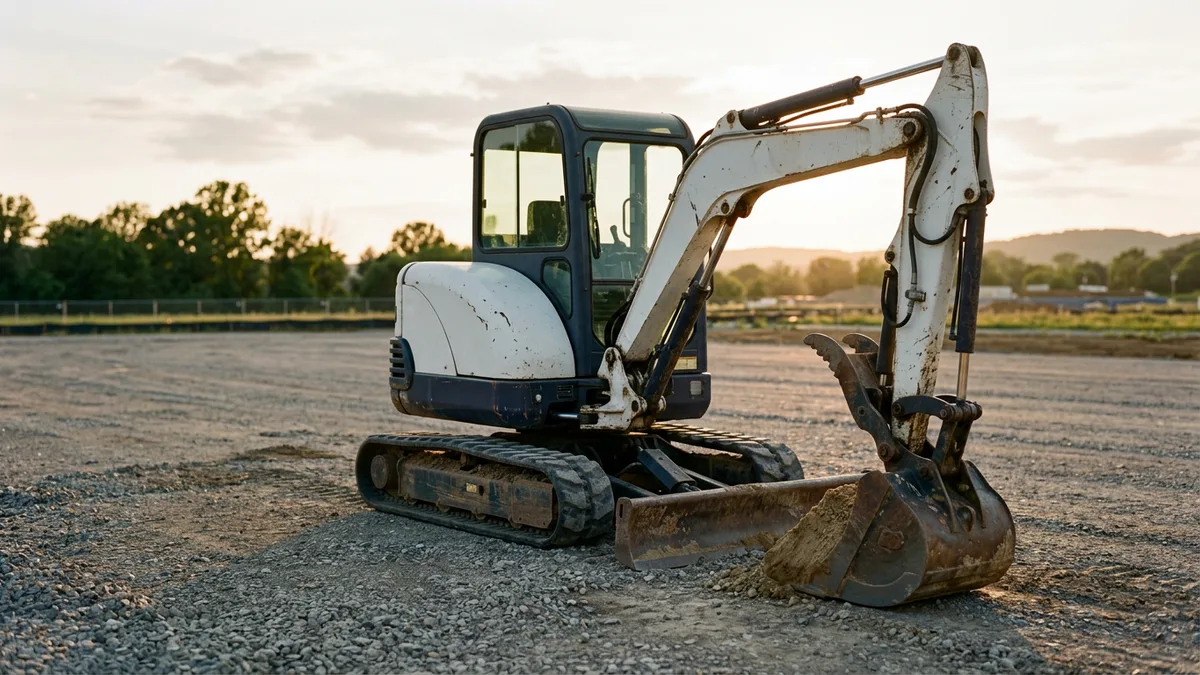
Say you’d run a mini excavator for six years, and a lease ends after three. Now the comparison has a hole in it. You’d renew for three more years, buy it out, or return it and start over, and each of those belongs in the lease’s column before you total anything. A purchase just keeps running.
Sometimes the lease costs more in total and still wins, because the gap pays for not holding the resale risk. Sometimes it loses outright. Your accountant may also bring the payments back to today’s dollars, which is a fair step and their job. Quotes don’t do this math.
Leasing vs Buying Used Equipment
Everything above holds for used equipment. One thing moves: the value at the end of the term.
A used machine’s age, hours, and condition all feed the end-of-term assumptions in a lease, so the buyout price deserves a harder look than it would on a newer unit. Get it in writing before you sign, and set it beside what the same machine costs used today. Ask for the serial number and the hour-meter reading to be written into the agreement too, so the machine described is the machine delivered. A lower purchase price also makes paying cash a more realistic road, which is worth pricing before you assume you need a contract at all.
For taxes, our Section 179 guide for tax year 2026 covers how used equipment is treated, and our used equipment financing guide covers the buying checks.
What Happens When the Term Ends
A lease ends one of three ways. You return the equipment, renew the lease, or buy the equipment under the purchase option the lease gave you. Price is the whole game.
A fair market value (FMV) lease prices the buyout at what the machine is worth when the term ends, so nobody knows the figure on the day you sign. A $1 buyout lease is built so you keep the equipment for a dollar, and in substance that’s a purchase, which is the reason accountants and the IRS treat it differently from a true lease; our piece on the operating lease and a finance lease walks through the tests. Titled vehicles add a TRAC lease, where the end value is set up front and settled against the real sale price. For tractors, see semi truck leasing.
Not every lessor offers every option. Ask which your draft holds.
Where Taxes and the Balance Sheet Fit
This part stays short because it belongs to your tax advisor. The IRS says you can depreciate leased property only if you retain the incidents of ownership in it, which is its test for who really holds the equipment, rather than who signed the paper. The label isn’t the test.
A true lease usually leaves that position with the lessor. A lease that works like a purchase may be treated as one, which is why two quotes for the same machine can land in different tax columns.
Limits change every tax year. The figures for tax year 2026, and the Section 179 election itself, sit in our Section 179 deduction explainer, drawn from IRS Publication 946.
The balance sheet is a separate question. Under FASB’s ASU 2016-02, known as ASC 842, a lessee records lease assets and lease liabilities for finance and operating leases alike, with an exception for terms of 12 months or less. A lease no longer keeps the obligation off the books.
None of this is tax advice, so consult your tax advisor, and your accountant for the books, before you sign. Short version: ask.
Questions Owners Ask Before Choosing
Does leasing cost more than buying over the long run?
It can. A lease that ends in a return leaves you with nothing to resell, so the payments and any return charges are the whole cost. Add the buyout if you want to keep the machine, and compare the total with the purchase price over the same years.
Is it better to lease or buy heavy equipment?
The machine’s working life decides it. An excavator or wheel loader that will run a decade on your jobs points toward owning it, while a machine you need for one project and then return points toward a lease or a short-term rental.
Which is better for taxes, a lease or a purchase?
Wrong question, slightly. The structure of the agreement matters more than the label on it, because the IRS looks at who holds the incidents of ownership. A purchase-style lease and a true lease can be treated differently for tax year 2026, so ask your tax advisor to read the draft. Ask first.
What if you want out of a lease early?
The lease decides, so find the early-termination clause before you sign. Some leases don’t allow it. Others do, for a charge, and the clause says how that charge is figured. Don’t guess.
Can used equipment be leased, or only bought?
A used machine can be financed as a purchase or leased, and the same end-of-term questions apply. What changes is how its age and condition feed the buyout. Ask for that figure in writing. Early.
Do you need to lease or finance at all if you can pay cash?
Not always, because paying cash keeps the equipment free of any lender’s claim and avoids a payment schedule. It also spends money the business might need for payroll or the next job. Weigh both.
Next Steps
Weighing a lease against a purchase for a specific machine? Bring the quote, the equipment details, and any draft agreement, then talk to our team about the structures, or see how Paramount Financial finances equipment. Our equipment leasing page goes deeper on the lease structures. When you’re ready, start an application.