

Last updated: October 27, 2026
Asset-Based Lending for Equipment-Heavy Businesses: How It Works
See how a lender sizes a loan against equipment and receivables, and what the review asks of you.

Asset-based lending sizes a loan by the value of the assets you pledge, usually receivables, inventory and equipment, instead of by cash flow or credit history alone, and the amount you can borrow moves as those assets change.
Picture a contractor with a yard full of machines, a stack of unpaid invoices and a slow month coming. The balance sheet is strong. The bank account isn’t. That gap is where this kind of loan comes in.
Below, we cover how the borrowing base works, which assets count, how the structure compares with an equipment loan or an unsecured loan, and what a lender expects to see on your side of the table. Still sizing things up? Start with our overview of working capital financing for businesses.

How the borrowing base works in asset-based lending
A borrowing base is the ceiling on what you can borrow at any moment. The lender takes the eligible value of each pledged asset, applies a percentage to it, called the advance rate, and adds the results together. Pledge more eligible assets and the ceiling rises. Lose some and it falls.
The Office of the Comptroller of the Currency’s asset-based lending booklet, written for bank examiners, puts it this way: the outstanding balance is limited by the size of the facility and by a borrowing base set from collateral value. So the lender watches the collateral as closely as the borrower. Paper matters. Expect borrowing base reports on a regular schedule, and a field exam at the start, where the lender’s staff test your receivables, inventory and books against what you’ve reported.
Which assets count, and which ones don’t
Receivables are easy to value. They turn into cash on their own. Lenders still set some aside: invoices badly past due, invoices owed by an affiliate and invoices from one customer who makes up too much of the total, and government receivables. A common cutoff in the OCC booklet is an invoice past due by three times its terms, such as 90 days past due on 30-day terms.
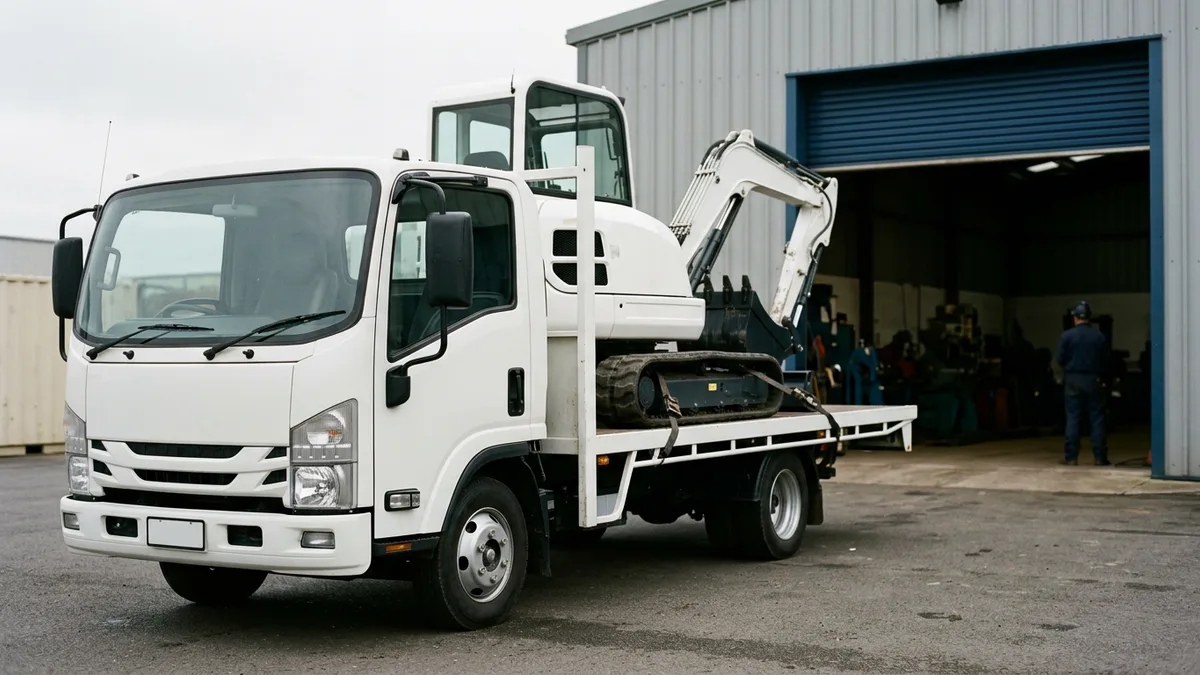
Inventory comes next, and it’s valued lower because it still has to be sold. Equipment is the least liquid of the three, and the booklet says a borrowing base may include it only in certain cases, depending on the borrower’s industry and credit needs. That’s the catch. For an excavation or trucking business, the biggest assets sit in the yard, and lenders discount them hardest.
What a lender reads in each asset
Every lender sets its own list, so treat this as a starting point. Pull it together before you ask anyone for a quote. Lenders ask for all of it.
| Asset | What the lender looks at | What to have ready |
|---|---|---|
| Receivables | How old each invoice is, who owes it and how concentrated your customers are | An aging report from your accounting system and the customer list behind it |
| Inventory | What it is, how fast it sells and whether it could be resold if it had to be | A count by item and location, with recent purchase records |
| Equipment | Make, model, year, condition and what a used one would bring | A list with serial numbers and any recent appraisal |
| Titles and liens | Whether anyone else already holds a claim on the asset | Titles, current loan statements and a UCC search on your own business |
Lenders usually record their claim with a UCC-1 financing statement. In asset-based lending, the collateral description can cover every asset the business owns, not just one machine, so read it before you sign. Our guide to what a UCC filing is shows how far a description can reach. Under UCC section 9-502, a financing statement has to name the debtor, the secured party and the collateral.
Asset-based lending compared with the loans you already know
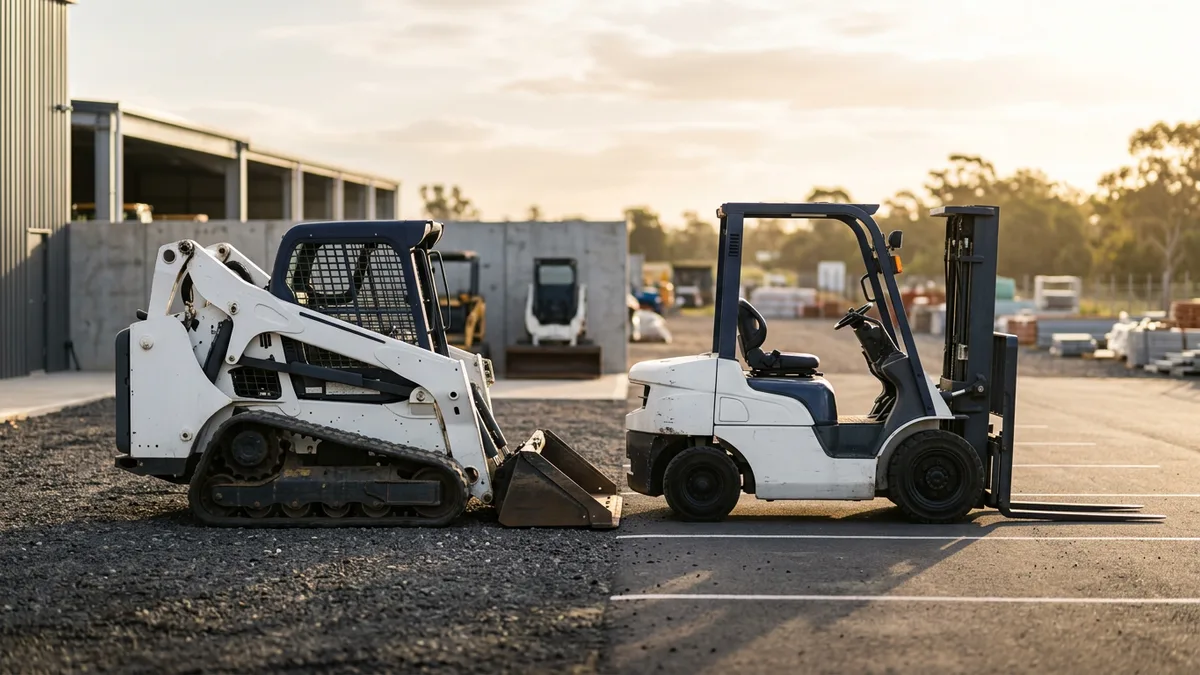
Three structures cover most of what an equipment-heavy business borrows against. They answer different questions.
Structure varies by lender. Some asset-based facilities work like a revolving line and others like a term loan, so ask any lender which one it is and what the lender requires before you spend time on an application. Some businesses pair one with a separate equipment loan, so each asset is financed the way it behaves.
Paramount Financial’s pages on commercial equipment financing and equipment leasing for businesses cover the one-machine structures in detail.
Three figures worth keeping in mind
51%
Of firms with debt secured it with business assets
59%
Of firms with debt used a personal guarantee
90
Days past due on 30-day terms before a receivable is normally ineligible
Source: OCC Comptroller’s Handbook, Asset-Based Lending, version 1.1 (checked October 2026)
Four things to settle before you pledge assets
More on equipment financing and working capital
Questions owners ask about asset-based lending
So what does asset-based lending actually mean?
Short answer: it’s a loan secured by business assets, with the amount you can borrow tied to what those assets are worth.
Receivables, inventory and equipment are the usual collateral. The lender values them and applies a percentage. The sum is the ceiling. It moves as the assets do.
Can equipment be the collateral in asset-based lending?
A borrowing base can include equipment, but only in certain cases, because a machine is harder to sell quickly than an invoice or a pallet of stock.
Lenders that accept it tend to value it at what it would bring in an orderly sale, not what you paid, and some cap its share of the base. Whether a given lender includes it at all is that lender’s call. Policies differ.
What’s the difference between asset-based lending and an equipment loan?
The better question is what gets measured: an equipment loan looks at one machine and a fixed schedule, while an asset-based facility re-measures a pool of assets and moves its limit with them.
In a lease, the lessor owns the equipment during the term. With a loan, the business owns it and the lender holds a security interest.
Which receivables does a lender usually set aside?
Three kinds come up most: invoices badly past due, invoices owed by an affiliate and invoices from one customer who makes up too large a share of the total.
The OCC booklet also lists government, foreign, unbilled and re-aged receivables as commonly ineligible. Each lender writes its own definition. Ask for it in writing.
What is a field exam in asset-based lending?
A field exam is a review in which the lender’s staff check your receivables, inventory and records against what you’ve reported.
Lenders that tie a loan to collateral commonly run one at the start and again from time to time. Ask how often. Ask who pays.
Will I have to sign a personal guarantee?
Whether a guarantee is required is the lender’s decision, and the Federal Reserve Banks’ 2026 survey found that 59% of firms with debt had used a personal guarantee while 51% had used business assets.
Both can apply. Ask what a guarantee covers, when it applies and how it ends. Read those terms carefully before you sign.
How does a UCC-1 filing fit into asset-based lending?
A UCC-1 financing statement is the public filing that records a lender’s claim on the pledged assets, and its collateral description sets how far that claim reaches.
A narrow description names a machine by serial number. A broad one can cover every asset the business owns. Wording matters. The filing is a notice, and the loan agreement spells out the rights.
Ready to talk through your assets?
Tell us what the business owns and what it needs the money for, and a Paramount Financial specialist will take it from there. Or start the credit application.