
How Much Does an Excavator Cost? New, Used and Mini Excavator Prices

Key takeaways
How much does an excavator cost? Bobcat’s 2026 list prices for mini excavators run $31,950 to $141,406, and used machines sold at 2026 auctions for about $10,000 to over $200,000 depending on size, age and hours.
- New mini excavator list prices climb with operating weight, not with the model name.
- Used machines are priced on hours and condition, not the year on the title.
- A standard-size excavator costs several times what a mini excavator does, and there are real reasons for the gap.
- Freight, dealer fees and attachments sit on top of every list price you’ll see online.
Most price guides for excavators give you a round number and nothing to check it against, no manufacturer page, no marketplace listing, no date you could go verify yourself if you wanted to. This one doesn’t. Every figure below comes from a manufacturer’s own list price or a published auction sale record, dated the week we checked it. A number with no source is just a guess with a dollar sign on it.
We also give used and private-party pricing the same weight as new equipment in this guide. Plenty of buyers end up financing a used machine instead of a new one off the showroom floor, so if you’re weighing excavator financing, the used-market numbers below aren’t an afterthought tacked on at the end.
How Much a New Mini Excavator Costs
A mini excavator’s price follows its operating weight, the fully loaded weight of the machine with fluids, a full tank and an operator aboard. Heavier machines dig deeper. They lift more. They cost more, and Bobcat’s own lineup shows the climb cleanly because the manufacturer publishes a suggested list price for every model it sells in the U.S.
| Model | Operating weight | Suggested list price |
|---|---|---|
| E10 | 2,593 lb | $31,950 |
| E17 | 3,774 lb | $38,820 |
| E26 | 6,489 lb | $53,623 |
| E32 | 7,403 lb | $60,131 |
| E38 | 7,893 lb | $72,274 |
| E48 | 9,830 lb | $77,377 |
| E60 | 12,315 lb | $94,376 |
| E88 | 19,600 lb | $141,406 |
Bobcat’s footnote on that list matters as much as the numbers do. It says the suggested list price covers base models only. It leaves out freight, pre-delivery inspection, taxes, surcharges, options, accessories and attachments, and it says the local dealer sets the final sale price independently. Read that twice. Then quote the table to someone else.
$141,406
Bobcat’s suggested list price for a base E88 mini excavator with a 19,600-lb operating weight, read on October 29, 2026
Not every manufacturer publishes a number this way. Kubota’s compact excavator pages show no list price at all. Only financing promotions. That pushes a shopper straight to the dealer for the real figure. Common enough. Ask two dealers for the same model and compare, because the suggested price is a starting line, not a quote.
Weight-for-weight, the small end costs more per pound than the big end. The E10 to E26 jump adds 3,896 pounds of weight for $21,673 more. The E60 to E88 jump adds nearly as much weight again for $47,030 more. Scale helps the manufacturer’s margin less than you’d think. Once a machine gets big enough to need its own trailer, the math changes.
Mini or Standard: Why the Size Class Changes the Price So Much
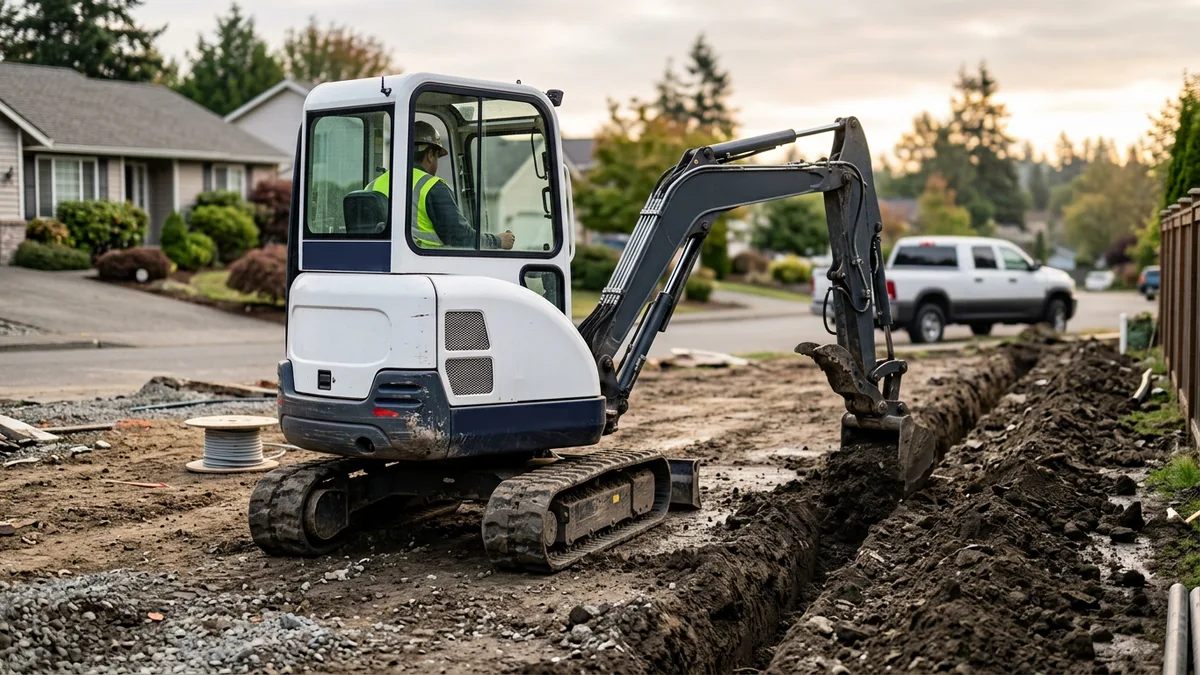
“Excavator” covers two very different shopping decisions. A mini excavator fits through a backyard gate. It digs a utility trench without wrecking the lawn. A standard-size machine moves real volume on a commercial site, and costs accordingly.
| Mini excavator | Standard-size excavator | |
|---|---|---|
| Typical operating weight | Under 10,000 lb | 20,000 lb and up |
| Typical use | Utility trenches, landscaping, tight residential sites | Site grading, foundation digging, commercial excavation |
| New list price range (2026) | $31,950 to roughly $95,000 | Rarely published; dealer quote only |
| Used auction price range (2026) | Roughly $10,000 to $54,000 (Bobcat E35) | Roughly $13,500 to $216,000 (Cat 320) |
Here’s the part a lot of buyers miss. A used standard excavator can cost less than a new mini. A used mini can cost more than some new ones. Size class sets a ballpark, nothing more. Hours, attachments and the dealer’s margin move the actual number around inside it.
Used Mini Excavator Prices
A listing site tells you what sellers hope to get. Auction results tell you what machines actually sold for. We pulled the second kind from Construction Equipment Guide’s auction-results database, which logs sale prices by make, model and month, and looked at one of the most common mini excavators you’ll run into, the Bobcat E35.
$10,000–$54,000
range of 34 Bobcat E35 mini excavator auction sales from January to October 2026, read on October 29, 2026
Source: Construction Equipment Guide, Bobcat E35 Auction Results, 2026
A fair warning about that data. CEG shows the sale month, the model year and a price converted to US dollars. It doesn’t show hours or condition, so two machines from the same year can sell $20,000 apart and the table won’t tell you why. Treat it as a range, not an appraisal.
- A 2025 E35 sold for $54,000 in May 2026, the top of the year so far. Nearly new, priced near new.
- A 2022 E35 sold for $50,000 in May 2026. Another 2022 went for $22,000 in March. Same model year, more than double the price.
- A 2019 E35 sold for $34,000 in October 2026, while a 2023 sold for $20,900 the same month.
- A 2016 E35 sold for $10,000 in May 2026, the low end of the year.
That 2019-over-2023 sale is the whole lesson. Hours matter more than the year stamped on the title. A newer machine with hard hours behind it isn’t automatically a better buy than an older one with light, well-documented use. Ask for the service records first. Then talk price.
Used Standard-Size Excavator Prices
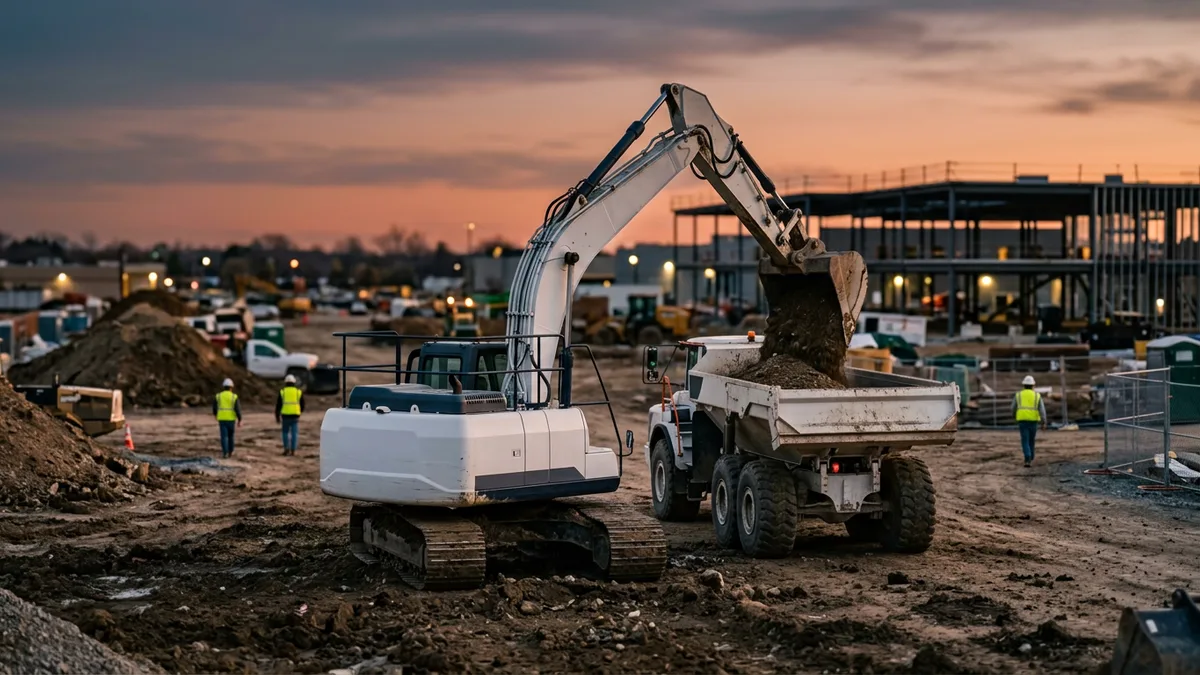
Step up to full-size iron. The spread gets wide fast. CEG’s auction results for the Caterpillar 320, a 20-ton class machine you’ll see on plenty of commercial sites, logged more than 70 sales from January to October 2026, running from $13,500 for a 1993 unit up to $215,855 for a 2023.
- A 2023 Caterpillar 320 sold for $215,855 in February 2026, the top of the year so far.
- A 2022 sold for $130,000 in September 2026. Another 2022 went for $57,000 in August. Same model year, a $73,000 gap.
- A 2019 sold for $70,000 in October 2026.
- A 1994 machine still brought $22,500 in September 2026. Old iron keeps a real price.
Buying from a dealer is one path, with a title and a paper trail already sorted out. A private seller is a different animal entirely. Most first-timers skip a step that matters: run a UCC filing search against the machine’s serial number before a dollar changes hands. Why bother? Because a lender who financed that excavator years ago may still have a UCC-1 sitting on it at the state filing office, and that claim doesn’t disappear just because the seller swears the machine is paid off. Get the lien search. Get the title or a signed bill of sale. Get whatever service history exists, on paper, not a story told across a tailgate. What a lender ultimately wants to see on a private-party deal isn’t the same from one lender to the next.
What Buckets and Attachments Add
The machine in the ad almost never comes with everything you’ll actually use. A standard digging bucket usually rides along, but a thumb, a hydraulic breaker, a compaction wheel, an auger or a grading blade is its own purchase, and a powered attachment needs the excavator’s hydraulics to supply the flow it calls for.
Nobody’s built a clean, cross-brand price sheet for excavator attachments the way skid steer buyers can find for theirs. That gap catches people off guard. A number you spot in a forum thread or an old listing isn’t worth the screen it’s on; get every attachment priced on its own line, in writing, straight from the dealer quoting your machine.
Reading a Dealer or Seller’s Number
A quote or an asking price can hide a lot inside one total, the way a restaurant bill hides the tip until the end. Break it out, line by line, before you sign anything.
- The base price, and whether it matches the manufacturer’s published list price for that exact model.
- Freight and pre-delivery inspection, which Bobcat’s own footnote says its list price excludes.
- Taxes and dealer fees.
- Every attachment, priced on its own line, not bundled into “extras.”
- For a used machine: hours, service records and whatever lien search the seller can show you.
Get two quotes. Always two. Totals that look close on the surface can hide very different inclusions underneath.
Pricing a first machine for a company that’s still on paper? Our guide to how to start a construction company sets the machine beside the license, the insurance, and the cash it has to fit.
What Owners Ask About Excavator Prices
Why do excavator price guides disagree with each other so much?
Most of them blend new list prices, used asking prices, and auction results into one number without saying which is which, and those are three different markets that don’t move together. That’s why this guide separates new, used mini and used standard pricing and names the source behind each one.
What’s a realistic starting budget for a first mini excavator?
Short answer: start from the trench depth and reach your jobs actually need, find the operating weight class that covers it, then price only that class.
Bobcat’s own lineup runs from about $32,000 to $141,000 new depending on weight, and a used machine in the smaller classes often lands in the $25,000 to $60,000 range. Budget for attachments and freight on top of either number.
Is a mini excavator or a standard excavator the right size for most jobs?
A mini excavator handles trenches, landscaping and tight residential sites; a standard-size machine earns its higher price on commercial grading and foundation work where volume and reach matter more than fitting through a gate.
If you’re not sure which camp your work falls into, size to your tightest access point first and your deepest dig second.
Does a used excavator’s hour meter matter more than its age?
Usually, yes. By a lot, sometimes. A newer machine with heavy, hard use can be worth less than an older one that sat lightly used.
Ask for the service records. Always. Ask what the machine actually did for those hours, not just how many there are.
Can a used excavator from a private seller be financed?
Some lenders will finance a private-party purchase and some won’t, so ask before a deposit changes hands.
Expect questions about the machine’s age, hours and condition, and whether the seller actually owns it free of liens. A UCC-1 search answers that last one.
What do attachments and buckets add to an excavator’s price?
A thumb, a breaker, an auger or a grading blade is a separate purchase from the machine itself, often a few thousand dollars each.
There’s no standard published price list across brands the way skid steer attachments have, so get every attachment priced on its own line from the dealer.
Does renting an excavator cost less than buying one?
For one short job, renting almost always costs less than buying.
Run the math past a season of regular use and the answer can flip, and where exactly it flips depends on local rental rates only a rental yard near you can quote.
Next Steps
Once you know the size class and a realistic all-in number, the next question is how to pay for it. See how Paramount Financial handles heavy and construction equipment financing, read how construction equipment lenders compare, or compare notes with our guide on skid steer financing and pricing. Ready to move on a specific machine? Start an application.