Equipment Financing
How Does Equipment Financing Work? Loans, Leases and EFAs Explained
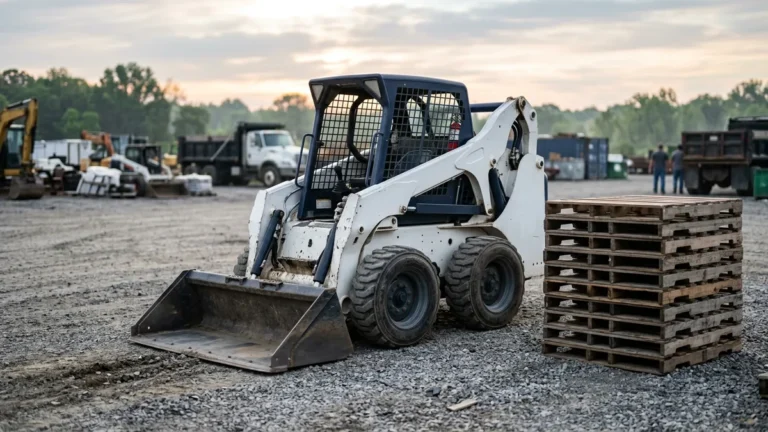
How equipment financing works from quote to last payment, and how a loan, a finance agreement, and a lease differ on ownership and collateral.


Executive Vice President, Paramount Financial
Ryan Baderian is Executive Vice President of Paramount Financial. He has spent more than 25 years in sales, operations and executive leadership roles at commercial finance companies and banks, and he writes about equipment financing, working capital and how business owners can work with banks and specialty lenders.
Ryan's work combines the details of commercial finance with practical strategy for the business owners Paramount Financial serves.
He completed his undergraduate studies at the University of California, Santa Barbara, with a major in economics, and holds a graduate degree in banking from the Pacific Coast Banking School.
Outside the office, he is dedicated to community engagement and has served on various boards. He lives in Newport Beach with his wife and two children.
Showing 1–4 of 4 articles
How equipment financing works from quote to last payment, and how a loan, a finance agreement, and a lease differ on ownership and collateral.
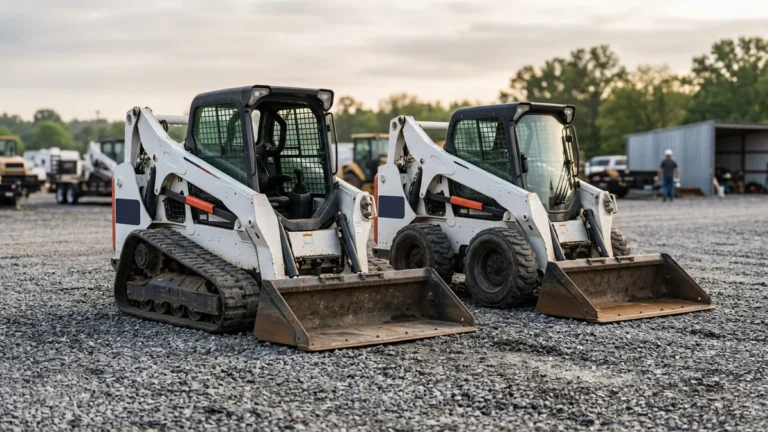
Dated list prices for wheeled and track skid steers, what used machines ask, and what attachments add, with the factors that move each number.
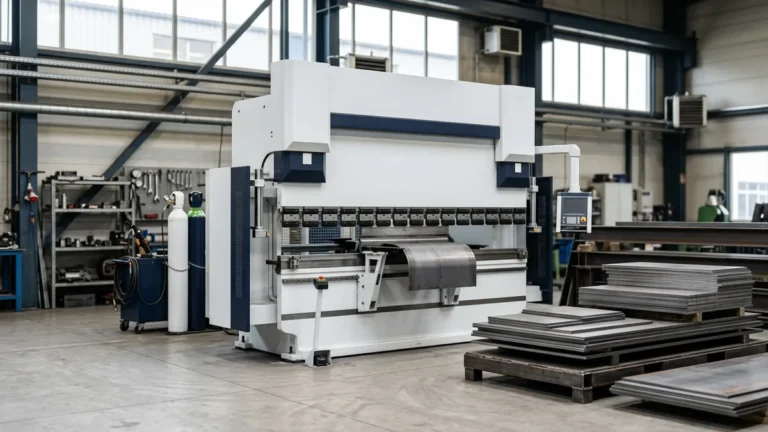
How the Section 179 deduction works for the 2026 tax year, and how buying, financing or leasing equipment changes who can claim it.
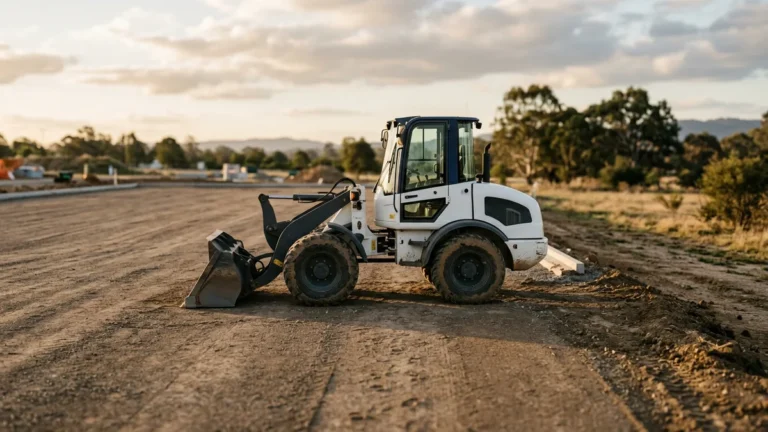
What the term, payment, end-of-term, insurance and default sections of an equipment lease agreement do, and what to check before you sign.
The right lease or loan depends on your equipment, your cash flow and your plans. Talk it through with Paramount Financial.