
Last updated: October 30, 2026
CNC Machine Financing: Mills, Lathes and Routers for Your Shop
See how lenders review a CNC machine, new or used, and what to have ready before you apply.
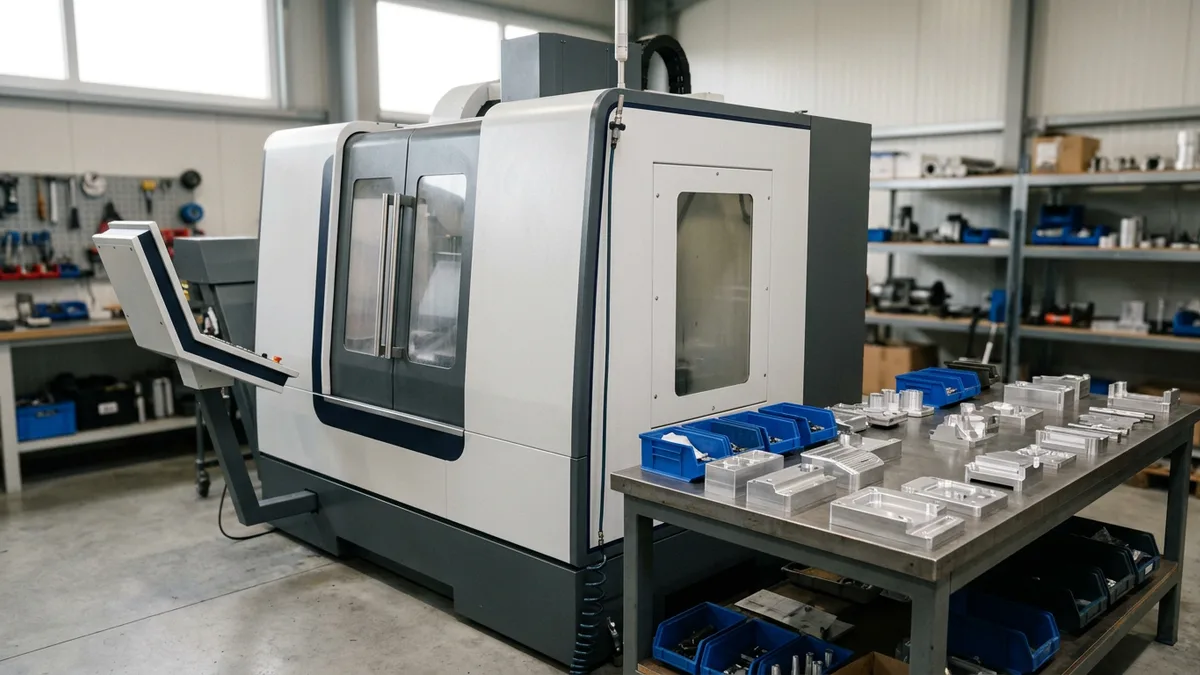
CNC machine financing pays for a mill, lathe or router through a loan, equipment finance agreement or lease, and the lender reads the machine, its controller and the soft costs around it together.
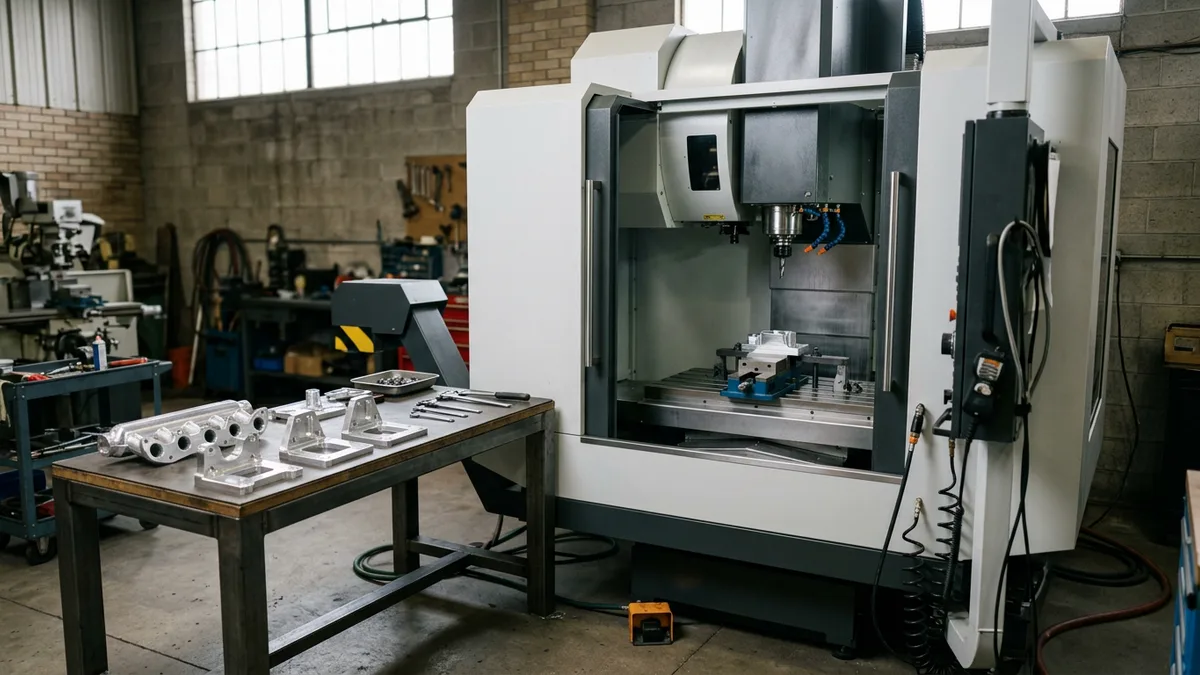
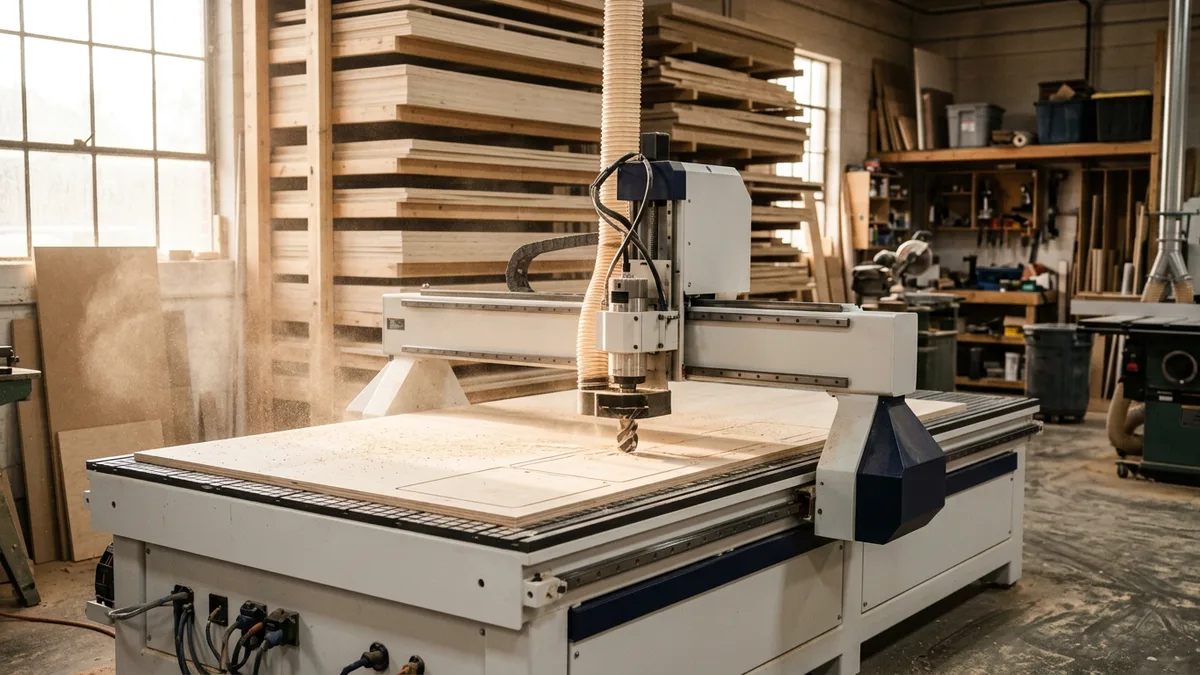
Mills cut. Lathes turn. Routers run a gantry across a flat bed of plywood, plastic or foam. A machine shop, a fabricator or a cabinet and sign shop might buy any of them, and each one is a single high-value machine with a serial number a lender can write down.
This page sits inside our guide to commercial equipment financing and stays with the CNC machine itself, from the quote to the first part cut. For the mechanics behind loans and leases, read how equipment financing works.
How CNC machine financing reads a mill, a lathe and a router
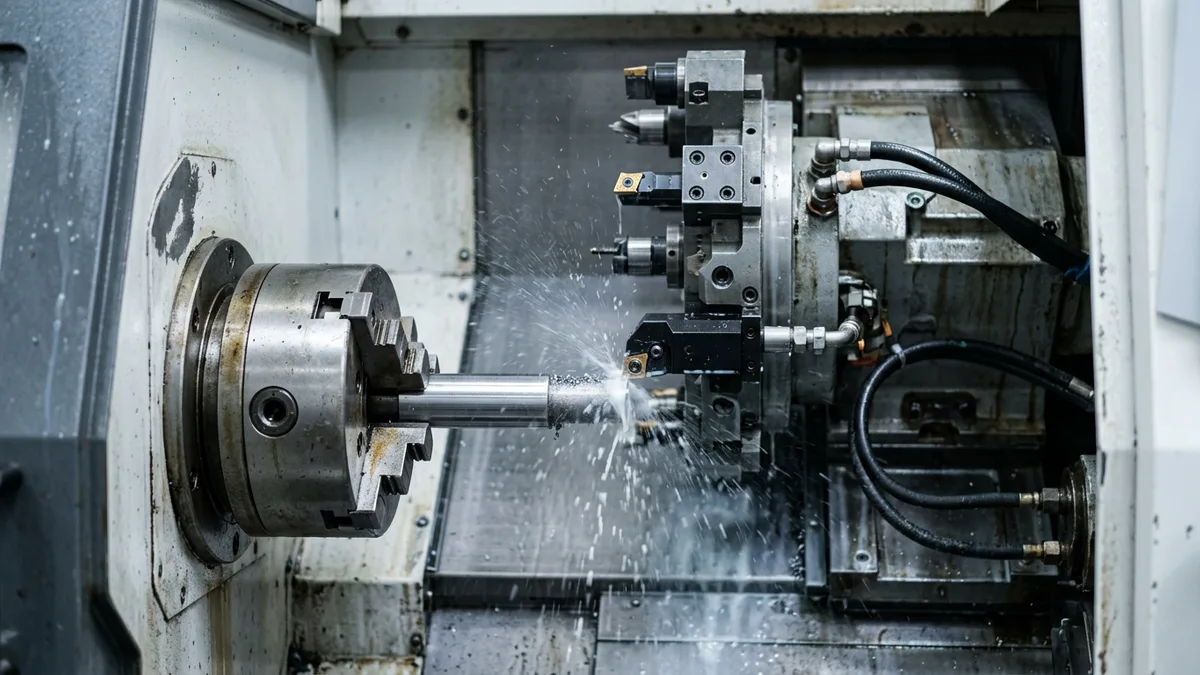
CNC machine financing is a loan, equipment finance agreement or lease that pays for a computer-controlled mill, lathe or router. The machine itself secures a loan or finance agreement, and a lessor owns it during a lease. Either way the lender prices the whole installed machine. Not only the sticker.
Makers matter to a lender. Haas, Mazak, Okuma and DMG Mori machines turn up on dealer floors and auction lists all the time, and a lender prices a machine it can resell more easily than one with no second market. A rare brand with a controller nobody services is harder to place.
What to know before used CNC machine financing starts
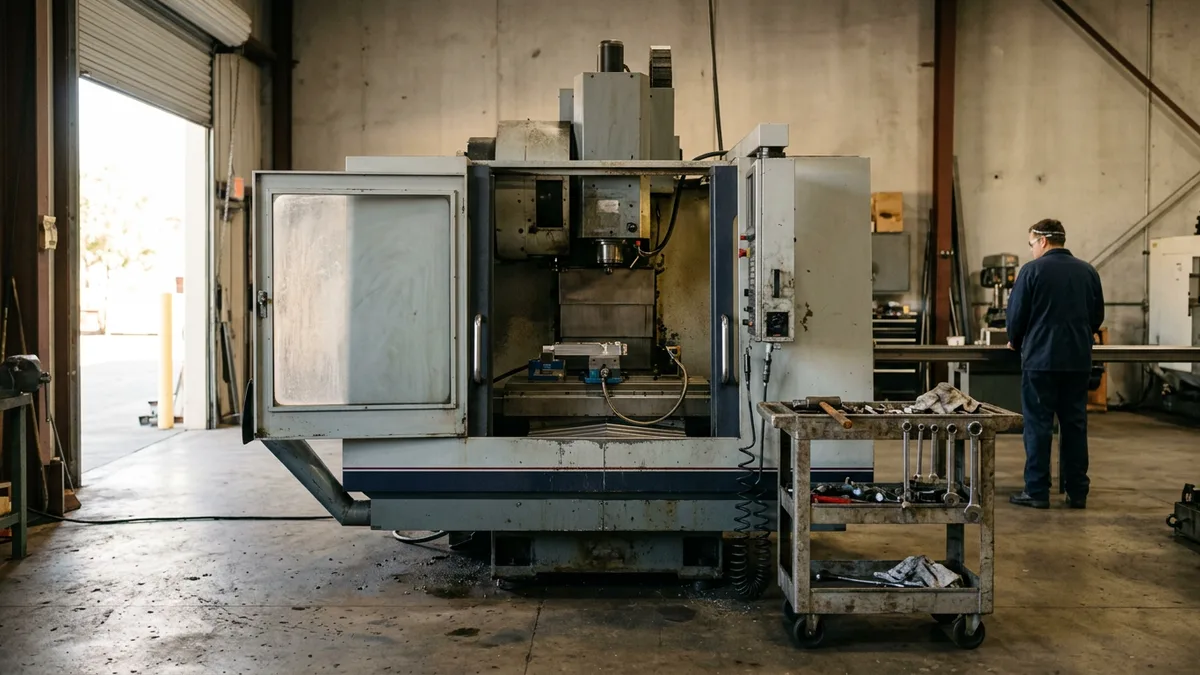
Used CNC machines come from dealers, auctions, brokers and other shops that are upgrading or closing, and each seller hands over a different file. A dealer may have inspected the machine and run it. An auction usually hasn’t. Lenders read a short list.
Ask early. The service log is the cheapest inspection there is, and our page on used equipment financing shows how dealers and private sellers compare.
What else sits on the invoice
The machine is rarely the whole bill. Here’s what usually rides alongside it, and what a lender may ask to see for each one. Line by line.
| Line | What it covers | What a lender may ask to see |
|---|---|---|
| The machine | The base price with the controller and listed options | A seller’s quote or invoice naming the model and serial number |
| Rigging and freight | Crating, a crane or machinery skates, and delivery | The rigger’s and the carrier’s quotes |
| Installation and utilities | Leveling pads or a slab, three-phase power and compressed air | The electrician’s or contractor’s quote |
| Tooling and workholding | Tool holders, vises, fixtures and probes | An itemized tooling list |
| Software and training | CAM software and the first operator training | The software quote and the training invoice |
Ask each lender which lines it will fold into the financed amount before you sign the machine quote. Get it in writing. A soft cost the lender leaves out comes straight out of the shop’s cash. Our pages on equipment lease agreements and the top 5 mistakes companies make when buying equipment cover the terms and traps worth reading first.
Loan, finance agreement or lease for a machine that runs for years
A loan or an equipment finance agreement makes the shop the owner, with the lender holding a lien. A lease doesn’t. The lessor keeps the machine for the term. A fair market value lease prices the buyout at what the machine is worth then, and a $1 buyout lease is built so the shop keeps it.
Here’s a rule of thumb. Ten years in one shop usually points to owning, through a loan or a $1 buyout lease, while a plan to move up to five-axis in four years can point to a fair market value lease. For a loan, the lender records a UCC-1 financing statement describing the machine, as UCC section 9-310 sets out, and our page on UCC filings explains it.
The 2026 Section 179 numbers behind a machine purchase
These figures come from IRS Publication 946 for tax years beginning in 2026. A business elects Section 179 on Form 4562, the machine has to be placed in service in the tax year, and you should consult your tax advisor about what applies to you. The numbers move every year.
$2,560,000
Maximum Section 179 deduction for tax years beginning in 2026
Source: IRS Publication 946, What’s New for 2026 (checked October 2026)
$4,090,000
Cost of equipment placed in service before the limit starts to shrink dollar for dollar
Source: IRS Publication 946, What’s New for 2026 (checked October 2026)
100%
Special depreciation allowance for qualified property acquired and placed in service after January 19, 2025
Source: IRS Publication 946, What’s New (checked October 2026)
Who buys CNC machines, and what each asks of one
Related equipment financing pages
CNC machine financing questions shop owners ask first
So how does CNC machine financing actually work?
A lender pays for the machine, and the shop repays it over an agreed term, with the machine itself as collateral on a loan or finance agreement. What it costs each month depends on the lender, the machine and the file, so compare the structure in writing and the total over the whole term, not only the monthly figure. Fine print matters.
Can you finance a used CNC machine?
Short answer: lenders do review used CNC machines, and age, spindle hours and the controller’s support are what they read first. Every lender draws its own lines on age, so one cutoff isn’t another’s. A power-on inspection, a clean service log and a nameplate serial number that matches the bill of sale all help. Each machine stands alone.
Is it better to lease a CNC machine or finance it?
The better question is how long the machine stays in your shop. A machine that will run for a decade can suit ownership, while a shop that upgrades every few years can suit a lease, where the lessor owns the machine during the term, and our leasing vs buying equipment page lays out how to decide. Think years, not months. Consult your tax advisor, because how a lease is treated for tax depends on its terms.
Can tooling, installation and software be financed with the machine?
Some lenders fold rigging, installation and tooling into the financed amount, and some leave them out, so ask line by line before you sign the machine quote. Software and training are often quoted separately. Get the answer in writing. A soft cost the lender excludes comes out of the shop’s cash.
Does a CNC machine qualify for Section 179?
For tax years beginning in 2026, the Section 179 limit is $2,560,000, and the machine has to be placed in service in the tax year to count. Tangible business equipment is the kind of property the election covers, but ownership for tax purposes decides who can claim it, so a lease can change the answer, and IRS Publication 946 has the detail. Consult your tax advisor.
What if the shop is new and the machine is the business?
A lender reviewing a newer shop leans on what it can see: the machine, the work lined up and the owner’s years at the controls. Purchase orders help. So does a clear plan for the machine’s first jobs. Our startup equipment financing page covers that review in more depth.
Can you borrow against a CNC machine you already own?
Some lenders will, through a refinance or a sale-leaseback, and the machine’s age, condition and any existing lien decide how far it goes. A refinance puts a new loan on the machine, and a sale-leaseback sells it to a lessor and leases it straight back. An existing lien changes things. Our equipment refinancing page explains the first, and a lien already on the machine has to be paid off or released.
Ready to talk through your next CNC machine?
Share the machine, the seller and a few details about the shop, and a Paramount Financial specialist will pick it up from there. You can also start the credit application directly.