
Equipment Refinancing: Refinancing Dealer Loans and Taking Cash Out of Equipment You Own

Key takeaways
Equipment refinancing replaces an existing equipment loan with a new one, or borrows against equipment you already own, so the machine secures fresh financing. Which version fits depends on what you owe and what the machine is worth.
- There are two situations: a dealer loan you’d replace, and equipment you own outright.
- What you owe, set against what the machine would sell for, is the number that decides it.
- Get the payoff letter and the lien release in writing.
- A lower payment can still cost more over the full term.
A dealer loan gets signed the day the truck leaves the lot. Months later, with the truck earning its keep, the terms are worth a second look. Easy to forget, though.
That second look is equipment refinancing, and it comes in two forms. One replaces a loan you already carry, while the other borrows against equipment you’ve paid off, and both sit under the wider heading of equipment financing even though they work differently. We finance equipment, so weigh what follows with that in mind.
Equipment Refinancing in Plain Terms
Equipment refinancing is a new loan, secured by equipment your business already uses, that either pays off an existing loan or lends against the machine’s value. The old lender, if there is one, gets paid and the new lender takes the lien. The machine keeps working either way.
Same machine. New paper.
60%
of small employer firms applied for financing in the 12 months before the Federal Reserve Banks’ 2025 Small Business Credit Survey. The survey is a convenience sample of 6,525 firms with 1 to 499 employees, not a random one.
Source: Federal Reserve Banks, Small Business Credit Survey, 2026 Report on Employer Firms (2025 survey)
Financing is routine for small firms. Routine, then. That’s the reason to revisit a loan you signed once and filed away.
Two Situations, Two Different Loans
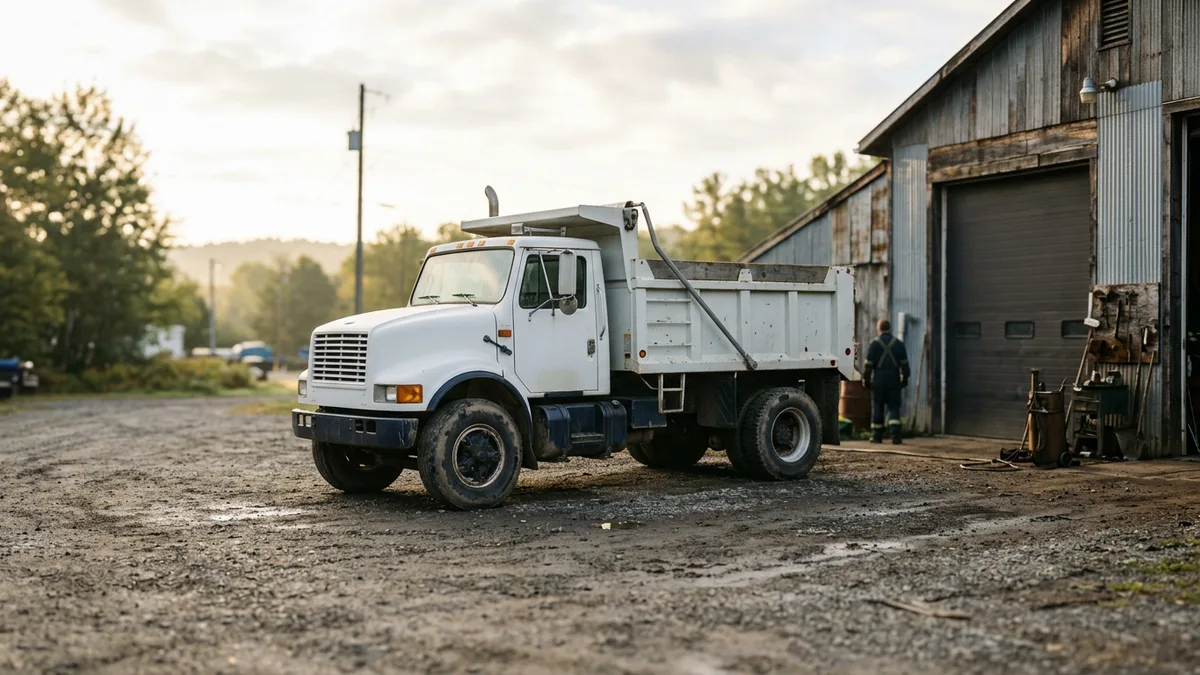
Situation one: you owe money on the machine. Think dealer truck loan. It’s the classic, and so is a skid steer financed through the seller or shop equipment bought on the dealer’s installment plan; in each case a new lender pays off the old one and the machine secures the new loan.
Situation two: you own it free and clear. No loan. No lien. Just a machine that still has value. Some lenders will lend against that value, which is what people mean by cash out, and an owner might put the money toward the down payment on a building purchase.
Different starting points. Different questions. The first is about the loan you have, and the second is about the machine you own.
Refinancing a Dealer Truck or Equipment Loan
On a titled vehicle, the lien lives on the certificate of title. Under UCC § 9-311, a security interest in goods covered by a certificate-of-title statute is generally perfected by following that statute, and filing a UCC-1 financing statement is neither necessary nor effective. The title is where the lien shows. Your current lender is listed on it, on paper or in the state’s electronic record, and a refinance isn’t finished until the new lender’s name replaces that one.
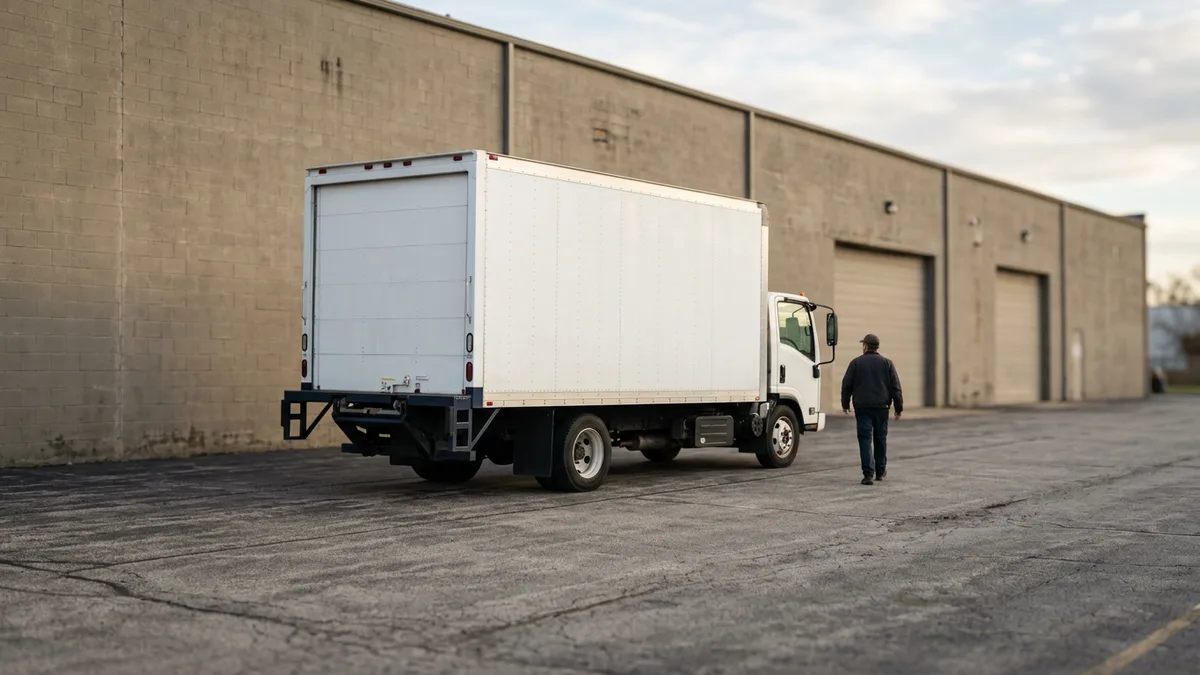
Order matters. The new lender pays the old balance, then the old lender releases its lien, and only then does a title come back with the new name on it.
What does it take to close the loan out on a given day? Your last statement can’t say. A payoff letter can, because it adds the interest built up since the statement closed, plus any payout fee the contract sets.
Somewhere in the old contract sits a prepayment clause. Some contracts charge for paying early. Others don’t. Which kind did you sign?
A longer term shrinks the monthly payment. It can also grow the total, since interest keeps running on a balance that’s paid down more slowly, so the number worth comparing is the sum of every payment on both loans through one shared end date.
Owing more than the machine would sell for is a different problem. The gap follows you to the new loan.
Taking Cash Out of Equipment You Own
Take the machine’s market value and subtract the payoff. What’s left is equity. Own it outright and there’s nothing to subtract.
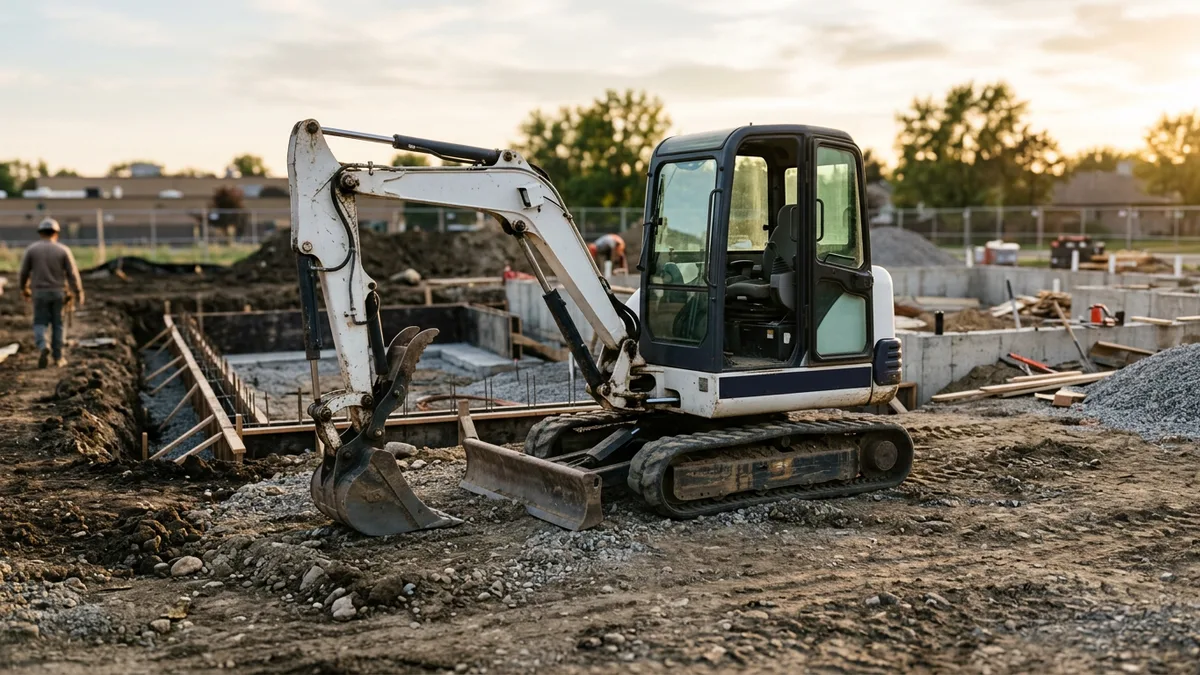
Value depends on who’s asking and why. Fair market value assumes a willing buyer and seller with time to deal. Orderly liquidation value assumes a sale in pieces, and the American Society of Appraisers’ text, as quoted by the UNC School of Government, says it plainly: orderly liquidation value “assumes the property would be sold piecemeal.”
A lender might work from either number, so one excavator can carry two values. Two numbers, one machine. Ask which one.
Then comes the trade. It’s new debt, secured by something you’d paid off.
Under UCC § 9-203, a lender’s security interest is enforceable once value is given, you have rights in the collateral, and you’ve signed a security agreement that describes it. Owning the machine is what gives you those rights. The lender then files a UCC-1 (here’s what a UCC filing does) or, on a titled truck or trailer, takes the lien on the title.
Owners use the cash for a building down payment, to pay down other debt, or toward the next machine. All reasonable. All borrowing. Fair warning: if you default, the lender can take the machine you’ve been earning a living with.
A sale-leaseback is the cousin. You sell the machine to a lessor and lease it back, so title moves. A cash-out loan leaves title with you, and that one difference changes what you can do with the machine when the term ends, whether that means selling it, trading it, or running it past the last payment. We cover how equipment leasing works in its own guide.
Equipment Refinancing Side by Side
| Sale-leaseback | Cash-out loan | Refinance of a loan | |
|---|---|---|---|
| Where it starts | You own the machine | You own it outright | You owe on it |
| Title afterward | The lessor | You | You |
| The old loan | Paid off first, if there is one | None to pay off | Paid off, lien released |
| What secures the new money | The lessor’s ownership | A lien on the machine | A lien on the machine |
| Check first | The end-of-term option | Which value the lender used | The payoff letter and prepayment clause |
Three structures. One question under all of them: who holds the title when it’s done?
What Lenders Ask to See
Every lender builds its own list. Treat this one as a starting folder, not a promise of what any one of them wants.
- The payoff letter from your current lender, if there is one.
- Titles for trucks and trailers, plus a VIN or serial number for every unit.
- Proof of insurance on the machine.
- Hours or mileage and the condition, since somebody has to decide what it’s worth.
- Own it outright? Bring the proof: the title, or the original bill of sale.
- Financial statements and a signed credit authorization, in whatever form that lender asks for them.
A Decision Rule Before You Refinance
Run these five checks in sequence. Stop at the first one that fails.
- Set what you owe beside what the machine would sell for. Owe more? Stop here. A refinance moves that gap and leaves it standing.
- Add every payment on the old loan, and every payment plus fee on the new one, through the same end date. Compare the totals.
- Find the prepayment clause in the old contract and the fees in the new one.
- For cash out, name the job the money does. A down payment is a job. A general cushion is a wish.
- Put both sets of paper in front of your accountant before you sign.
Sometimes the right call is to leave the loan alone. A loan that’s nearly paid off starts a new clock when you refinance it, and the thing you need might be cash to cover payroll in a slow month rather than another piece of equipment. In that case, look at working capital instead.
What Owners Ask Before Refinancing Equipment
Can a dealer loan on a used truck be refinanced?
That’s up to each lender. The truck’s age and condition, the payoff amount, and a clean lien release all come into it. Start by asking your current lender for a payoff letter, since you’ll need one either way.
What does a lender look at before it refinances equipment?
Two things come first: what the machine would sell for, and what’s still owed on it. After that comes the business itself, meaning its finances, its credit history, and how the equipment earns money, and each lender weighs those differently, so it’s worth asking what a particular one looks at.
Can you take cash out of equipment that’s already paid off?
Short answer: that’s what a cash-out loan is. The machine becomes collateral for new financing, and the lender works from what it’s worth today. It’s still borrowing, and the lien comes back.
Will applying to refinance show up on a credit report?
A lender’s inquiry can appear on a credit report, and not every kind of inquiry does. Lenders differ on which kind they run first and when. Ask before you apply, not after.
Who ends the old lien once the loan is paid off?
The old lender does, and under UCC § 9-513 it has 20 days after your written demand to send or file a termination statement, once nothing is owed on the loan. A titled truck follows its state’s title process instead.
Cash-out loan or sale-leaseback: does the difference matter?
A cash-out loan leaves title with you. A sale-leaseback hands it to the lessor, who owns the machine until the lease says otherwise. It matters most on the last day, when your options come from the lease and not from the loan.
Realistically, how do you tell if a refinance is worth doing?
Compare totals, not payments. Add every remaining payment on the old loan, then every payment and fee on the new one, over the same end date, and if the total goes up, the lower payment is buying cash flow and not savings.
Next Steps
Weighing a refinance? Pull the payoff letter and the title first, then put both in front of your accountant. Comparing lenders as well? Read how to choose an equipment financing partner before you shortlist anyone. When you’d like to talk it through, see how Paramount Financial finances equipment or talk to our team.