
Equipment Financing Alongside an SBA 7(a) or 504 Loan: Covering What the Loan Will Not

Key takeaways
An SBA 7(a) or 504 loan can fund a lot of equipment, but not everything a business ends up buying, and equipment financing that runs alongside it, not inside it, covers what the SBA deal leaves out.
- 7(a) proceeds are committed to that deal’s own eligible uses and closing timeline.
- 504 equipment has to clear a 10-year-or-longer useful-life test tied to the real estate project.
- A forklift, a sprinkler retrofit, or a moving cost often doesn’t fit either program cleanly.
- A specific-collateral filing on the new machine doesn’t have to touch the SBA loan or a bank line.
The SBA loan closes. The real estate or the production line gets funded. Then a forklift shows up on the quote. Or the racking contractor wants a deposit. Somebody asks whether the SBA deal covers that too. Usually not. That gap is where equipment financing next to an SBA 7(a) or 504 loan earns its keep. Paramount Financial doesn’t make SBA loans. It finances the equipment that sits outside one.
What an SBA 7(a) or 504 Loan Actually Covers
An SBA-backed loan is an eligible use of proceeds, structured by a participating lender under rules the SBA sets and that lender enforces. For a 7(a) loan, that’s a broad list: working capital, real estate, debt refinancing, and “purchasing and installation of machinery and equipment,” according to the SBA’s own 7(a) program page. The maximum loan is $5 million, and the SBA doesn’t lend the money itself; it guarantees a portion of what the lender funds.
A 504 loan works differently. Long-term. Fixed-rate. Financing for major fixed assets, delivered only through a Certified Development Company. Equipment qualifies, but with a condition most borrowers don’t hear until the application is already moving: machinery and equipment need a 10-year-or-longer useful remaining life, per the SBA’s 504 program page. That’s the whole test. In plain terms: a production line that will run for two decades clears it easily. A piece of equipment that gets replaced every five or six years doesn’t. Simple as that.
Where the Loan’s Coverage Runs Out
Three kinds of equipment show up on nearly every job that pairs an SBA loan with new machinery. None of them sit comfortably inside either program. None.
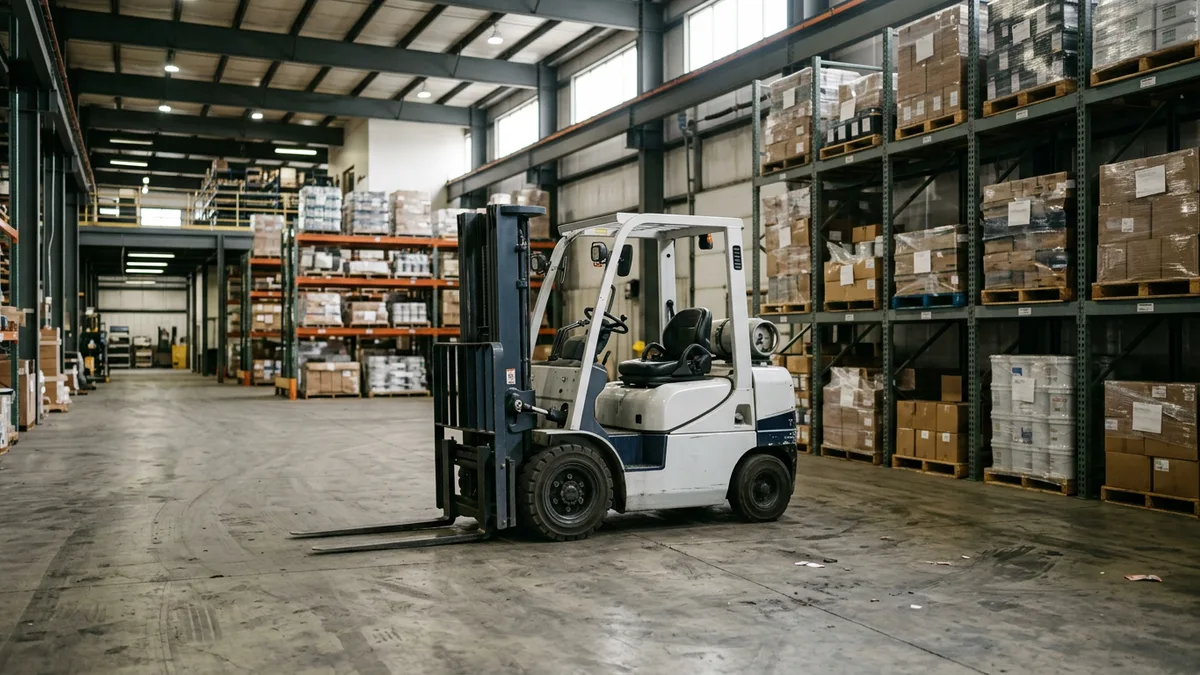
A forklift is the clearest case. It’s mobile. It typically gets replaced well inside a 10-year window, and a 504 loan’s useful-life test is built for equipment that stays put and keeps working for decades. A 7(a) loan can technically fund a forklift, but only if the lender structures it into that specific loan’s own eligible-use package, at that loan’s own closing, on that loan’s own timeline. Buy the forklift six months after the SBA deal closes and there’s no loan left to put it in. None at all.
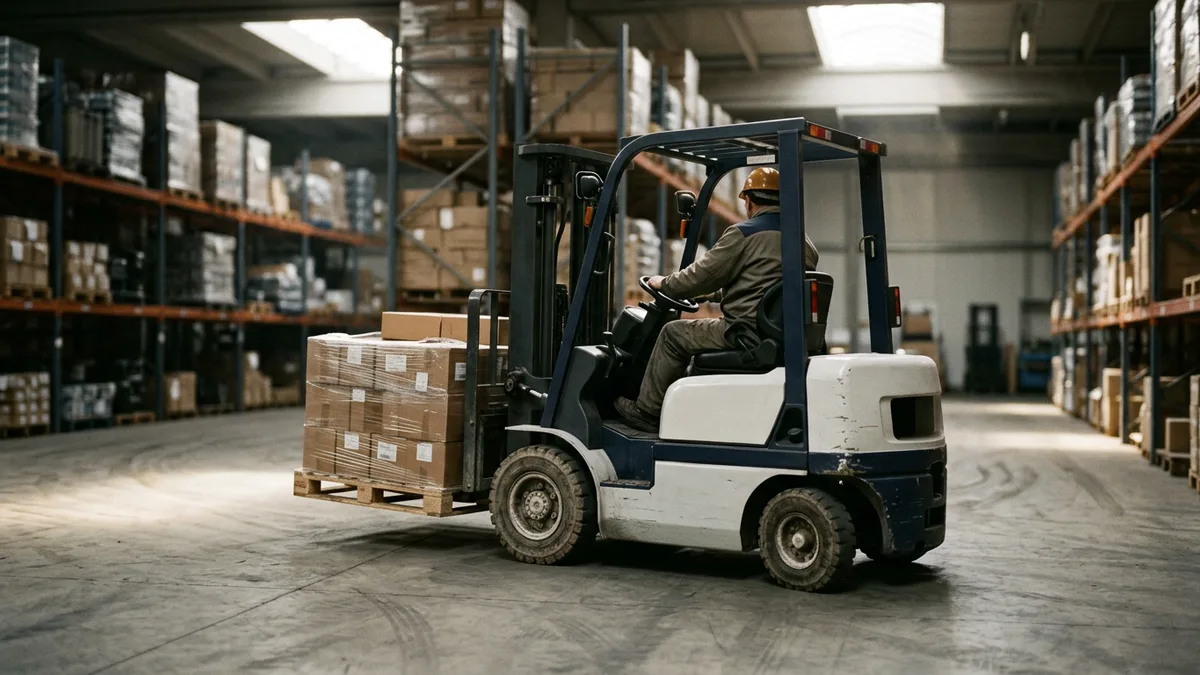
Racking and sprinkler work land in a different gap. A warehouse racking system or a sprinkler retrofit usually gets treated as a building fixture or improvement, not as standalone equipment, which means it has to fit inside the real estate scope of a 504 project rather than ride along as its own line item. Moving costs are simpler to explain and just as commonly missed. A loan’s proceeds pay for what the loan was scoped and closed to pay for. Moving a machine later usually isn’t that.
10-year minimum
The remaining useful life the SBA requires for machinery and equipment financed through a 504 loan.
| 7(a) loan | 504 loan | |
|---|---|---|
| Equipment rule | Eligible use within that loan’s own scope | 10-year-or-longer useful life |
| Tied to | The loan’s own closing and documents | A real estate or major fixed-asset project |
| Who delivers it | A participating SBA lender | A Certified Development Company (CDC) |
| Add equipment later? | Not without a new loan or amendment | Generally no; the project scope is fixed at closing |
Neither column has room for a forklift bought in March after a 504 loan closed in January. That’s not a flaw. It’s a scope.
Adding Equipment Financing Without Touching the SBA Loan or the Bank Line
Here’s the part that surprises people who assume a new piece of financing automatically complicates the old one. It doesn’t have to. Not even close.
Many businesses with an SBA loan already carry a bank line of credit. That line is often secured by a blanket lien, covering most of what the business owns, current and future. See how a UCC-1 filing works on financed equipment for the full mechanics of blanket versus specific-collateral filings. The short version: a blanket filing reaches broadly; a specific-collateral filing reaches only what it names.
A lender financing one new machine can file against just that machine, describing it by make, model and serial number instead of claiming everything the business owns. Under UCC §9-324, a purchase-money security interest in equipment can rank ahead of an earlier, broader lien on the same asset, as long as it’s perfected when the business takes delivery or within 20 days after. File on time. Describe the equipment correctly. The new lender’s claim sits on that one machine. The SBA loan’s collateral package stays untouched. So does the bank line.
That’s the general rule. Ask any lender how its filing works, specific-collateral or blanket, before you sign. We finance equipment and would tell you the same thing twice: read the collateral line before the closing, not after.
This matters most to the people who see it before the borrower does. A banker closing a 504 deal. A BDO structuring a line of credit. A CDC walking a client through eligible uses. Each one eventually hits the moment where a piece of equipment doesn’t fit the file in front of them. Routing that piece to equipment financing, instead of forcing it into the SBA structure, keeps everyone’s paperwork clean.
Common Questions About Equipment Financing Next to an SBA Loan
So what equipment won’t an SBA loan pay for?
Equipment that doesn’t fit the program’s own scope. A 7(a) loan can fund machinery, but only within that specific loan’s eligible-use package and closing. A 504 loan requires equipment with a 10-year-or-longer useful life, tied to the real estate project it’s funding. Anything bought later, or anything shorter-lived, usually needs its own financing.
Does a forklift qualify for SBA 504 financing?
Rarely. A 504 loan’s equipment rule calls for a 10-year-or-longer useful remaining life, and most forklifts get replaced well inside that window. A 7(a) loan can sometimes work, but only if a forklift is built into that loan’s own eligible uses at closing, not added afterward.
Realistically, can a bank’s blanket lien block a new equipment lender?
Not automatically. A blanket lien reaches broadly, but a lender financing a specific machine can file a purchase-money security interest against just that asset. Under UCC §9-324, filing it within 20 days of delivery lets the new claim rank ahead of the earlier blanket lien on that one piece of equipment.
Does adding equipment financing put the SBA loan at risk?
Not when the new financing is filed against the new equipment specifically, rather than against everything the business owns. The SBA loan’s own collateral package doesn’t move. Ask any lender how its filing is structured before signing, the same way you’d ask about a credit pull or the documents a file needs.
What is a specific-collateral filing, and how is it different from a blanket lien?
A specific-collateral filing names one asset, by make, model and serial number, and reaches only that asset. A blanket lien names “all assets of the debtor” and reaches nearly everything the business owns, current and future. Same form, the UCC-1, very different reach.
Is Paramount Financial an SBA lender?
No. Paramount Financial doesn’t make SBA loans. What it does is finance equipment that an SBA 7(a) or 504 deal didn’t cover, which is a different transaction sitting next to the SBA loan rather than inside it.
What’s a realistic timeline for adding equipment financing next to an SBA loan already in process?
It depends on the lender and the file, not on the SBA loan’s own schedule. Because the two transactions are separate, equipment financing can often move on its own timeline instead of waiting on the SBA closing, which is part of why bankers and CDCs route it separately once they see the gap.
Next Steps
If a piece of equipment doesn’t fit cleanly inside an SBA 7(a) or 504 deal, it doesn’t have to wait for one. See how equipment financing works, then start an application or talk to our team about structuring it alongside the SBA deal you already have.