
Last updated: November 1, 2026
Crane Financing: How Contractors Fund New and Used Cranes and Crane Trucks
How crane type, inspection records and a rental buyout shape a deal, and what to gather first.
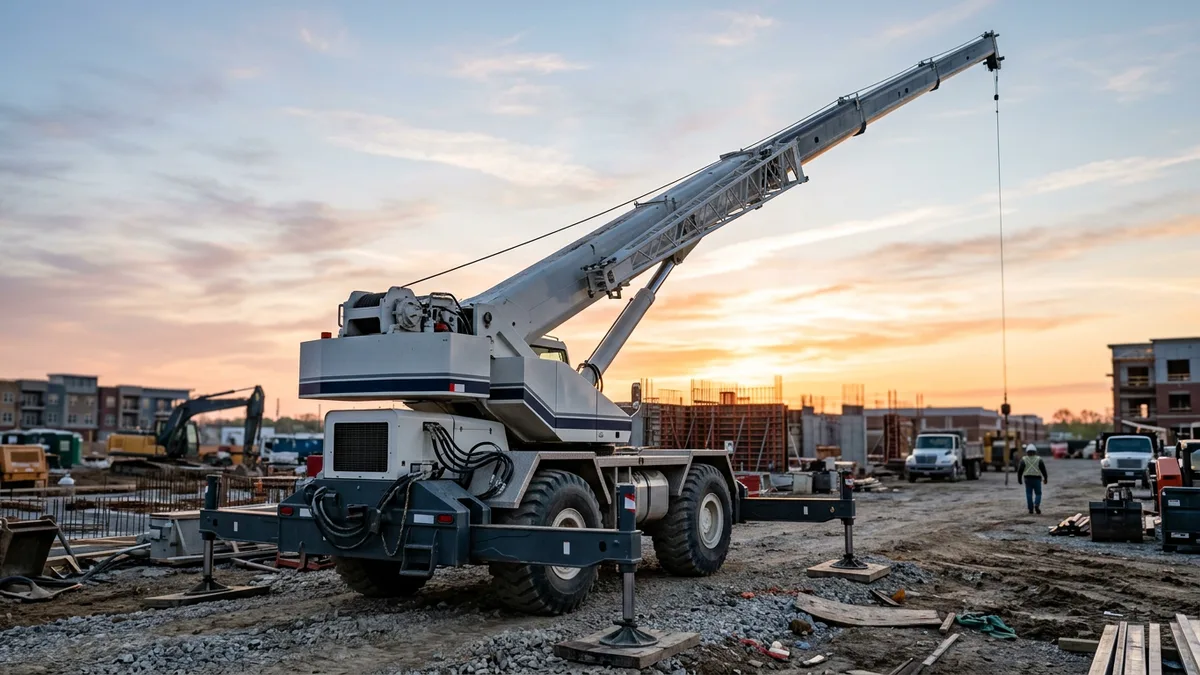
Crane financing spreads the cost of a new or used crane or crane truck over a set term through a loan, an equipment finance agreement or a lease, with the crane itself usually standing behind the deal.
A crane doesn’t get bought like other iron. One machine can sit on a highway title, carry a stack of federal inspection records and show up in pieces on several trailers, and every one of those facts lands on somebody’s desk when the deal gets written up.
This page sits under Paramount Financial’s heavy equipment financing overview and stays on lifting: which machine you’re buying, what its paperwork looks like, what an older one has to prove and how a rental buyout works.
How crane financing works
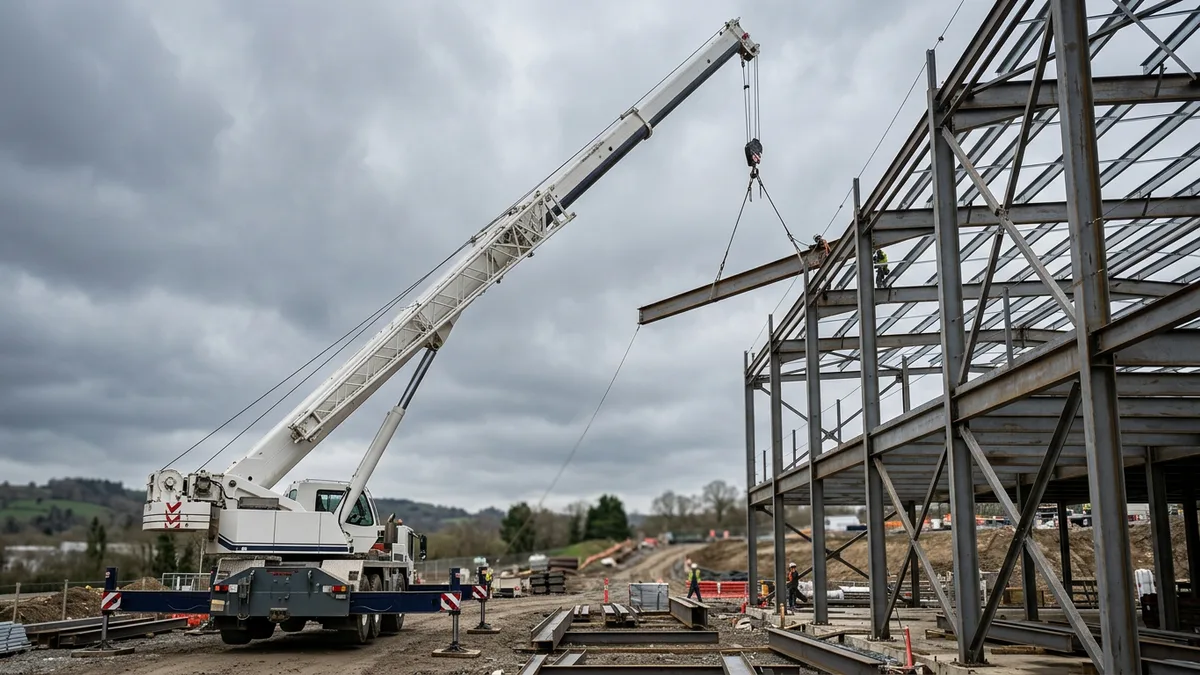
Crane financing is an agreement where a lender or lessor pays for a crane up front and the business pays over a set term. With a loan or an equipment finance agreement, the business owns the crane and the lender holds a security interest. With a lease, the lessor owns it until the term ends.
Then comes the paper. Most cranes get a UCC-1 financing statement, a public notice naming the machine by serial number, and our guide to what a UCC filing is explains it. Truck-mounted cranes are different. Under section 9-311 of the Uniform Commercial Code, a financing statement doesn’t do the job for goods covered by a state title law, so the lien goes on the title instead.
Ask early which one applies. It changes who signs what.
Crane financing by crane type
Start with the class. It sets what the machine does all day, how it reaches the job and what’s going to be asked for on paper. OSHA’s crane standard names all five of these, so none of it is shop slang.
| Crane type | An example, with rated capacity | Where it works | On the paperwork |
|---|---|---|---|
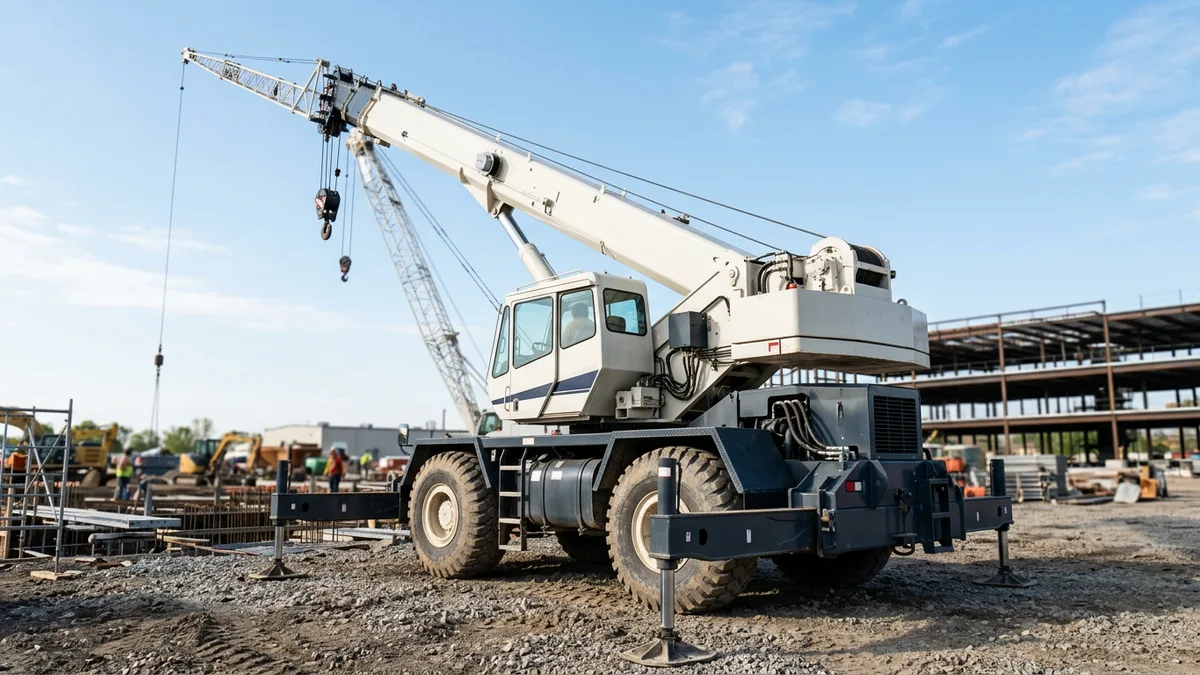
| Rough-terrain | Grove RT540E, 40 US tons | Site and yard work on big off-road tires | Usually no highway title, so a UCC-1 by serial number |
| All-terrain | Grove GMK4090-1, 100 US tons | Drives between jobs, then works rough ground | Check for a title or registration in the owner’s state |
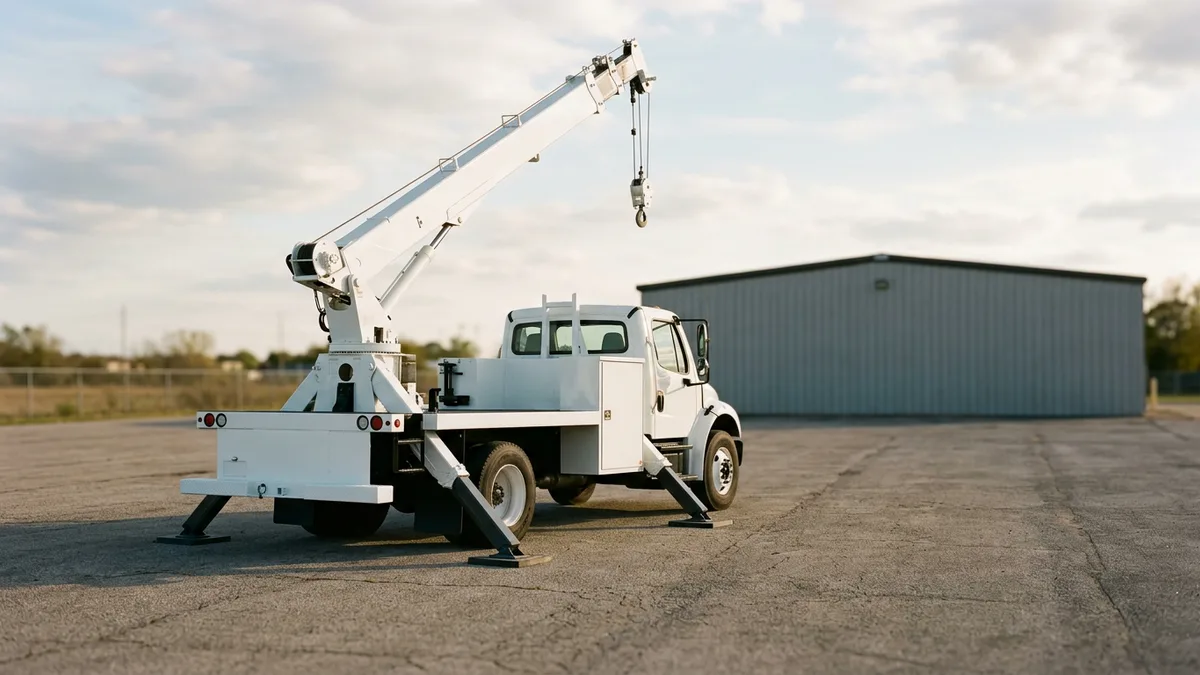
| Boom truck | National Crane NBT40-2, 40 or 45 US tons | Steel, HVAC and utility picks, one setup per stop | A titled truck with a crane mounted on it |
| Crawler | Manitowoc MLC100A-1, 100 US tons | Long stays at bridges, plants and wind sites | No title; moves in pieces, so freight and assembly may be quoted apart |
| Tower | Potain Igo T 99, a self-erecting model, 6.6 US tons | Tall or tight sites where nothing else fits | No title; base and erection are often quoted separately |
Read the chart, not the headline
Those capacities sit at the very top of the chart, close in. Out at a working radius the number falls, sometimes by a lot, and the load chart decides what the crane can really pick. Tadano, Liebherr, Link-Belt and Terex all build across these classes too. The paperwork questions don’t change. Still pricing one? Our guide to how much a crane costs goes type by type.
Crane truck financing: two machines on one invoice
A boom truck is a chassis and a crane that somebody bolted together. The chassis has a title. The crane has a serial number all its own. If the truck dealer, the crane dealer and the upfit shop are three different companies, you could be holding three invoices for one rig.
Weight counts too. Federal limits hold gross vehicle weight on the Interstate to 80,000 pounds, and the bridge formula can bring that lower, so ask how a heavy rig will get from job to job before you sign for it.
A title also opens a door other cranes don’t get. A TRAC lease, short for terminal rental adjustment clause, settles up against a set residual value when the term ends, and it’s a truck-side structure you’ll also see on commercial truck financing. Knuckle-boom delivery trucks? OSHA leaves out some material delivery, not all of it.
Used crane financing runs on the logbook
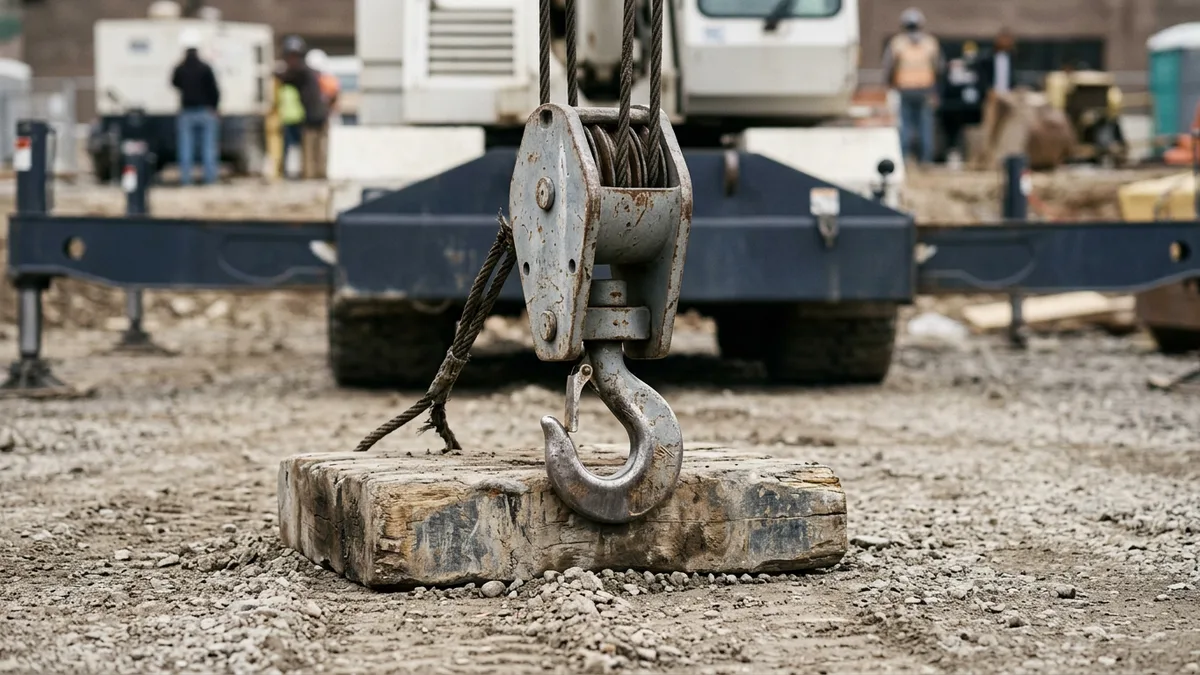
Hours matter. Records matter more. OSHA’s crane inspection rule already makes an owner write down monthly and annual inspections, so a seller with nothing to show you has told you something.
Here’s the catch. The rule only makes an owner keep monthly records for three months and annual ones for 12, and a clean file that short can still hide a rough decade, so ask for more than the legal minimum. People who buy and sell these machines told Crane Hot Line much the same thing: they weigh hours and upkeep, ask about rough duty like pile driving and lean hard on a reliable inspection.
Has it been parked? A crane idle for 3 months or more needs a qualified person’s inspection before it goes back to work. Pay for your own look anyway. Our page on used equipment financing covers dealer versus private seller.
Buying the crane you’re already renting
Familiar story. A rental shows up for one job, the next job needs it too, and after a while the invoices start to look silly. A rental-purchase option, or RPO, lets some of what you’ve already paid count toward buying that same crane, if the agreement says so.
No such clause? Then you’re simply buying a used crane from a rental company, and everything in the section above applies. Our page on construction equipment leasing sets a rental-purchase contract next to a true lease and a $1 buyout, and excavator financing walks through the same idea on a machine you dig with.
Own the crane or lease it: count the years
A crane you’ll run for a decade, rebuild once and eventually sell yourself points toward owning it, with a loan or a $1 buyout lease. One big project is another matter. So is a fleet that swaps machines on a schedule. A fair market value lease might fit there, because you can hand the crane back when the work ends, but read the return conditions first, since they can spell out hours, wire rope and boom condition.
What might share the invoice
Operators and taxes
Owning brings duties. Under 29 CFR 1926.1427 the employer has to make sure each operator is certified or licensed for that kind of equipment, at no cost to the employee, so a new crane class can mean new certifications. Budget for it.
Taxes come last. IRS Revenue Procedure 2025-32 sets the Section 179 limit at $2,560,000 for tax years beginning in 2026, and it starts shrinking once Section 179 property placed in service passes $4,090,000. The election goes on Form 4562. A loan and a lease can land differently, so consult your tax advisor, and read our Section 179 deduction guide first.
The calendar that comes with every crane
Every shift
A visual check by a competent person, begun before the shift starts
Source: OSHA, 29 CFR 1926.1412(d)
Every month
The same check, with results written down and kept at least three months
Source: OSHA, 29 CFR 1926.1412(e)
Every year
A full inspection by a qualified person at least every 12 months, signed and kept 12 months
Source: OSHA, 29 CFR 1926.1412(f)
Those records are the closest thing a crane has to a service history. They’re also the first thing to ask for when you’re buying one used.
Who ends up owning a crane
Other machines on the job, and how the money works
Crane financing questions from the job site
So how does crane financing actually work?
Somebody else pays the seller, and your business pays them back over an agreed term with the crane as collateral. That’s a loan or an equipment finance agreement. On a lease, the lessor owns the crane until the end, and then you return it, renew or buy it, depending on what the lease says.
Can you finance a used crane, and how old is too old?
Short answer: used cranes do get financed, but no single age cutoff applies everywhere. Hours, condition, inspection records and rough duty all come up. Ask before you commit to a machine.
Is a boom truck financed like a truck or like a crane?
A boom truck is usually a bit of both, with a title on the chassis and a serial number on the crane. Expect questions about each. If the crane got mounted later, the upfit invoice matters too.
Can rental payments count toward buying the crane?
Only if the rental agreement says so. A rental-purchase option sets how much of each payment counts and by when, and the buyout figure should come in writing. With no such clause, you’re making a plain used-crane purchase from a rental company.
Should I lease or buy a crane?
The better question is how many years of work you can see for it. Steady lifting over a long stretch tends to favor owning. One long project, or a plan to swap machines often, can favor a lease. Tax treatment differs, so consult your tax advisor.
What slows a crane financing request down?
Missing paper, most often. Think of a serial number that doesn’t match the invoice, no recent annual inspection, a title still in a prior owner’s name or a lien nobody knew about. Bigger cranes can add an appraisal or a third-party inspection, and those have to get scheduled around the machine’s own work.
Does a crane qualify for Section 179?
Revenue Procedure 2025-32 sets the 2026 Section 179 limit at $2,560,000, though whether your crane qualifies turns on how it’s used and how you acquired it. A lease can work differently. Talk it through with your tax advisor before you count on a number.
Got a crane picked out?
Gather the crane type, the seller and the serial number if you have it, then start your application, or leave your details below and a member of our team will follow up.