
Last updated: October 31, 2026
Used Dump Truck Financing and New Truck Options for Construction and Hauling Businesses
See how lenders read a dump truck, on-road or articulated, before you sign with a seller.
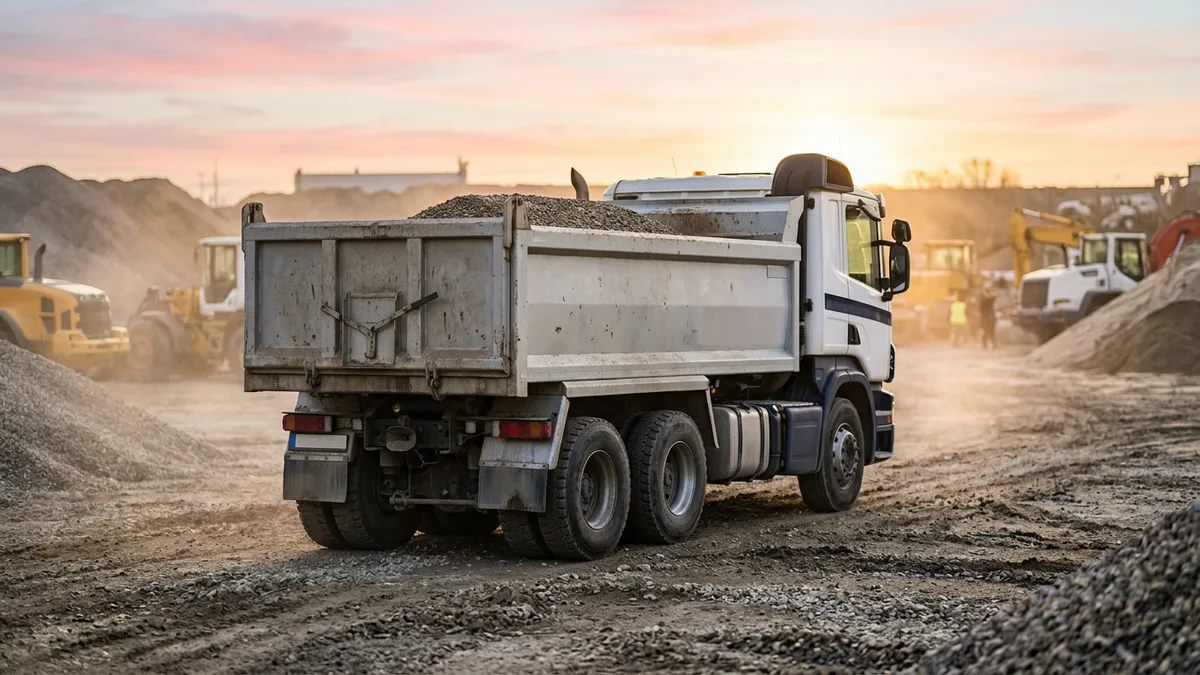
Used dump truck financing pays for a pre-owned on-road or articulated truck through a loan, equipment finance agreement or lease, and the lender weighs the chassis, the dump body, the title or serial number, and the work behind it.
Excavation contractors, aggregate haulers and road crews all end up shopping for the same kind of truck. Buying used? Plenty do. A truck that’s already worked somewhere else also hands a lender more to read: years of miles, a worn bed, a title with someone else’s name on it, and sometimes a lien nobody mentioned.
This page sits under our heavy equipment financing overview, and it stays with the dump truck itself. New trucks follow the same logic, with less history to check. Running tractors and trailers too? Our commercial truck financing guide goes wider.
On-road or articulated: where dump truck financing splits
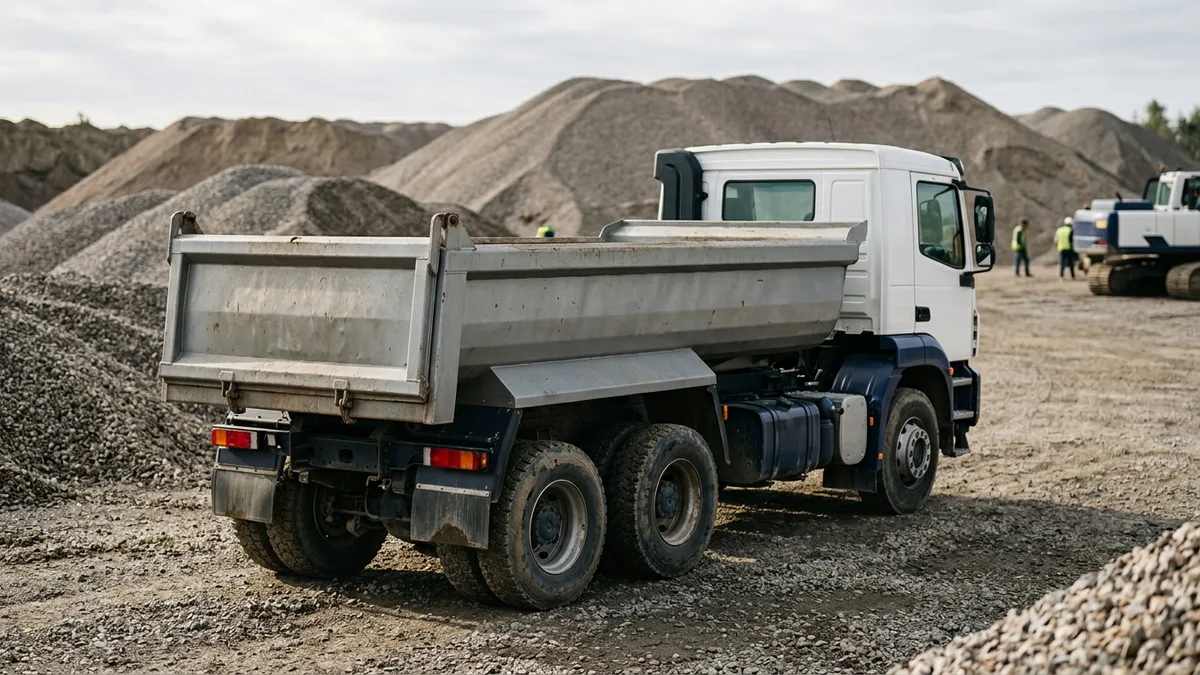
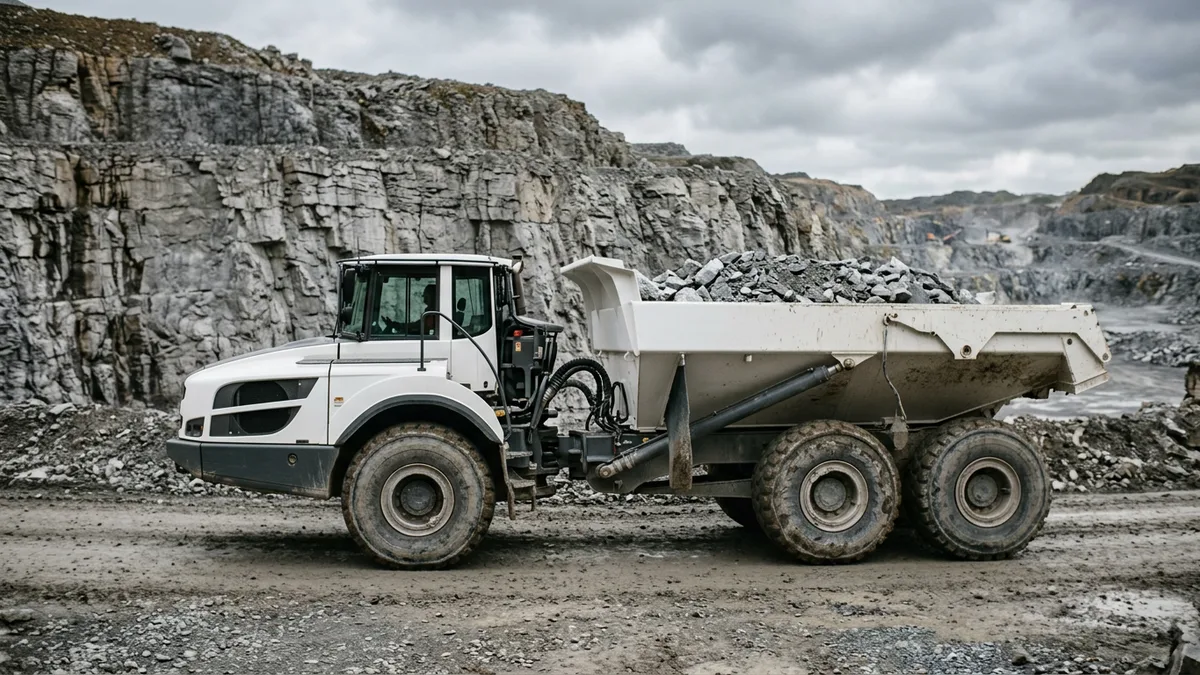
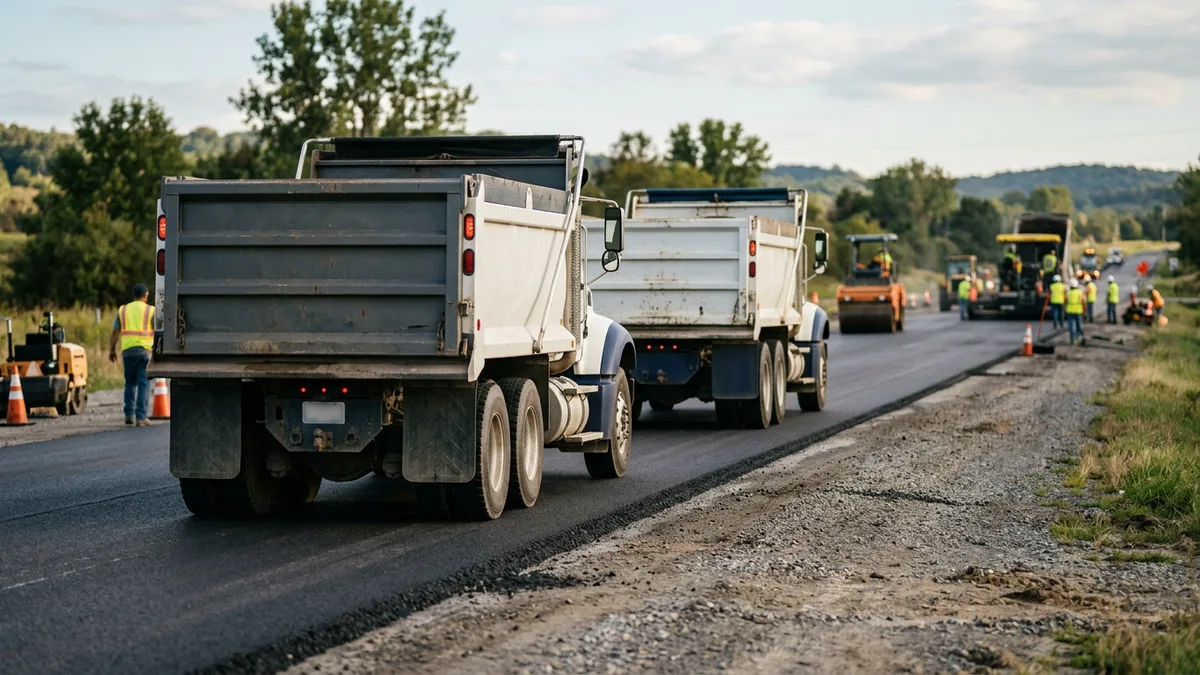
Dump truck financing is a loan, equipment finance agreement or lease that pays for a truck built to carry and tip loose material. The first question is where it runs. An on-road truck has a state title and a VIN. An articulated hauler stays on site, so it usually has neither.
That one fact changes the paperwork. On a titled truck, the lien goes on the certificate of title under UCC section 9-311. On an articulated truck, a lender usually files a UCC-1 financing statement against the serial number, and it reads hours instead of miles. Two different files.
On-road chassis usually come from Mack, Kenworth, Peterbilt or Western Star. We name makes because buyers search by them. Nothing more.
What to check before used dump truck financing starts
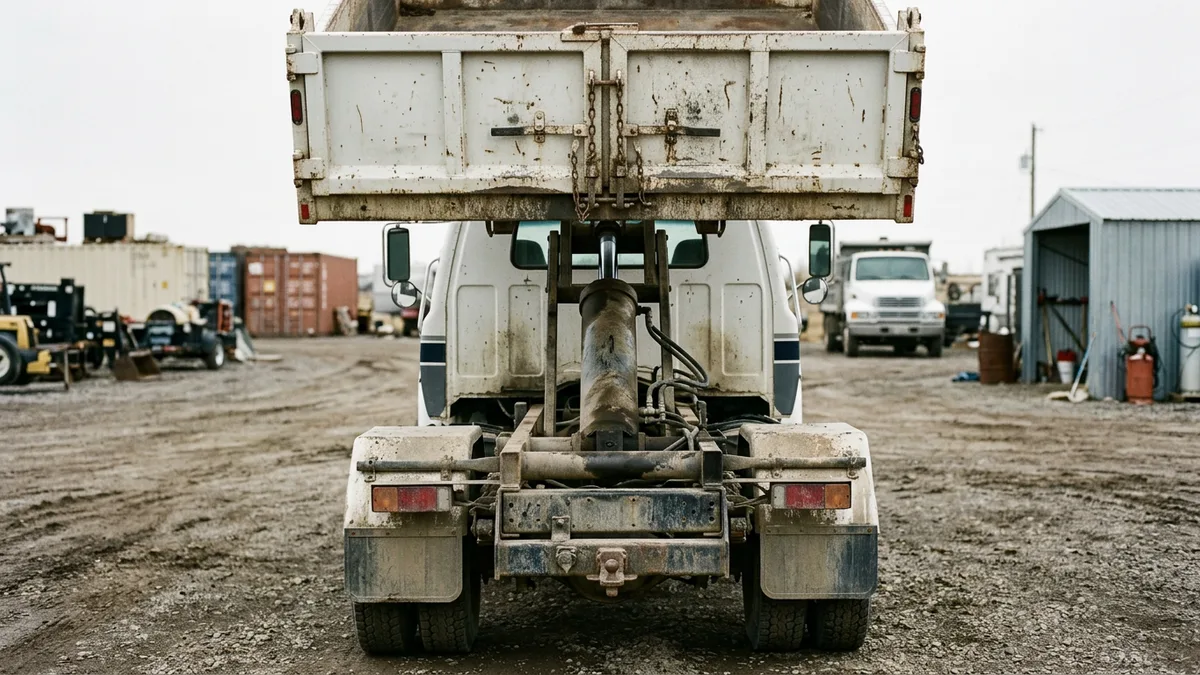
A dump truck wears out in places a pickup never does. Start at the bed. Hauling rock thins the floor and the tailgate, and a floor that’s been patched over and over says more about the truck than the paint ever will. Then the hoist: raise it loaded if the seller will let you, and watch for a weeping cylinder or a bed that drifts back down.
Then get underneath
Bring a flashlight. Bring a hammer too. Tap the floor and listen, then look for frame cracks near the hoist mount, and ask what the power take-off, pump and suspension have had done.
Age, miles, condition, resale. That’s what most lenders price, and each draws its own lines, so a truck one lender passes on might suit another. An older truck with a thick service file can read better than a newer one nobody kept records on, because the file tells a lender what the odometer can’t: who ran it, what it hauled and what broke. Our guide to how much a dump truck costs sets new and used prices side by side.
Dealer, auction, private seller or a refinance: what each file needs
Lenders set their own lists, so treat this one as a starting point. Ask early. Before the deposit.
| Where the truck comes from | What you can usually get | What to confirm |
|---|---|---|
| A dealer | A bill of sale, the title or a title application, and any reconditioning notes | The VIN matches on the title and on the quote |
| An auction | The title, sometimes only after the sale, and an inspection report if the auction runs one | Whether your lender will look at an auction purchase, before you bid |
| A private seller | A signed title and a bill of sale | The seller’s name matches the title, any old lien is released and the VIN matches the truck itself |
| Your own dealer loan | A payoff letter from the current lender, the loan agreement and a copy of the title | Any prepayment terms, and the date the payoff figure is good through |
One wrong digit in a VIN can send a file back, so read the quote, the title and the plate on the truck side by side.
A refinance is different. No seller, for one. The old lender has to release its lien before a new one goes on, which means a payoff letter with a good-through date, a new lien on the title and a stretch in between where somebody has to watch both sets of paperwork. Our equipment refinancing page walks through it, and used equipment financing covers dealers and private sellers across other machines.
Dump truck leasing, loans and the structures between them
Leasing isn’t financing with a different name. With a loan or equipment finance agreement, the business owns the truck and the lender holds a lien, while with a lease the lessor owns it during the term and what happens next depends on the kind of lease you signed. Read it closely.
Ten seasons on your own jobs? Owning tends to fit. Swapping trucks every few years as contracts change, a lease can. Equipment leasing lays out the wider set of structures, and operating lease vs finance lease explains how the accounting differs.
| Structure | Who owns the truck during the term | What happens at the end |
|---|---|---|
| Loan or equipment finance agreement | The business, with a lien held by the lender | Paid off, and the lien is released |
| Fair market value lease | The lessor | Return it, renew, or buy at what the truck is worth then |
| $1 buyout lease | The lessor, on paper | Built so the business keeps the truck for a nominal amount |
| TRAC lease | The lessor | The rental adjusts up or down based on what the truck brings when it’s sold |
TRAC, short for terminal rental adjustment clause, is a motor-vehicle structure written into the federal tax code at 26 USC 7701(h), so it comes up on titled trucks and trailers. It leaves the resale risk with the business. Worth reading twice.
Three weights that shape a dump truck
Weight decides who can drive the truck, what tax it draws and where it can run. Each bar is drawn to scale against the 80,000-pound limit.
26,001
Pounds of GVWR where a single truck falls into CDL Group B
Source: Commercial driver’s license standards, 49 CFR 383.91 (checked October 2026)
55,000
Pounds of taxable gross weight where Form 2290’s highway use tax starts
80,000
Pounds of gross weight allowed on the Interstate System, unless the bridge formula sets less
Source: Federal size and weight rules, 23 CFR 658.17 (checked October 2026)
A truck specially designed for off-highway loads may not count as a highway vehicle at all, and one expected to run 5,000 public-highway miles or fewer in the period can have the tax suspended, per the IRS instructions for Form 2290.
Four jobs, four different dump trucks
Other machines and guides for the same jobs
What contractors and haulers ask about dump truck financing
How much down payment does a dump truck take?
No single figure applies, because each lender sets it from the truck, the structure and the business behind the file. An older truck or a newer company can push the ask higher, and a lease handles money up front differently from a loan. Anyone quoting one number before seeing the truck is guessing. Get the requirement in writing, along with the total cost over the term.
Can you finance a used dump truck with high miles or hours?
Short answer: lenders set their own lines on age, miles and hours, so there’s no one cutoff. A well-kept truck with records can read better than the odometer alone suggests. Ask for the limits before you pay a deposit. Not after.
Can a dump truck from a private seller be financed?
A private sale runs on paperwork: a title signed in the seller’s own name, any old lien released, and a bill of sale with a VIN that matches the truck. Lenders may also ask for photos or a condition report, and each one decides for itself whether it reviews private sales at all. If the seller can’t produce the title, stop there. No title, no deal.
Is it better to lease a dump truck or buy it?
The better question is what you want to own when the term ends. A truck that’ll run for a decade on your own jobs tends to suit a loan or equipment finance agreement, while a fleet that turns over every few years may suit a lease. Both can work. Tax treatment differs between them too, so consult your tax advisor before you pick one on that basis.
Can I refinance a dump truck loan I took through the dealer?
Refinancing swaps the loan on the truck for a new one, which pays off the old lender and moves the lien. Whether it helps comes down to the balance left, what the truck’s worth today and any prepayment terms in the dealer contract. Compare the total cost, not just the monthly figure. Our equipment refinancing page has more.
Do I need a CDL to drive a dump truck?
Most full-size dump trucks call for one, because a single vehicle at 26,001 pounds of GVWR or more sits in CDL Group B under 49 CFR 383.91. Some smaller single-axle trucks fall under it, so read the rating on the door label. States add rules too. Check yours before you buy.
Can a dump truck qualify for a Section 179 deduction?
Revenue Procedure 2025-32 sets the Section 179 limit at $2,560,000 for tax years beginning in 2026, and that limit shrinks once Section 179 property placed in service passes $4,090,000. Whether a given truck qualifies turns on how it’s used and how it was acquired, and a lease can work differently. The IRS text and our page on Section 179 for vehicles cover the detail. Consult your tax advisor, since none of this promises a deduction.
Got a dump truck in mind?
Share the truck, the seller and a bit about the work, and a Paramount Financial specialist will pick it up from there. You can also start the credit application directly.