
Last updated: November 1, 2026
Backhoe Financing: New and Used Machines for Contractors and Utility Crews
How a machine with two working ends shapes a loan or lease, and what to gather before you apply.
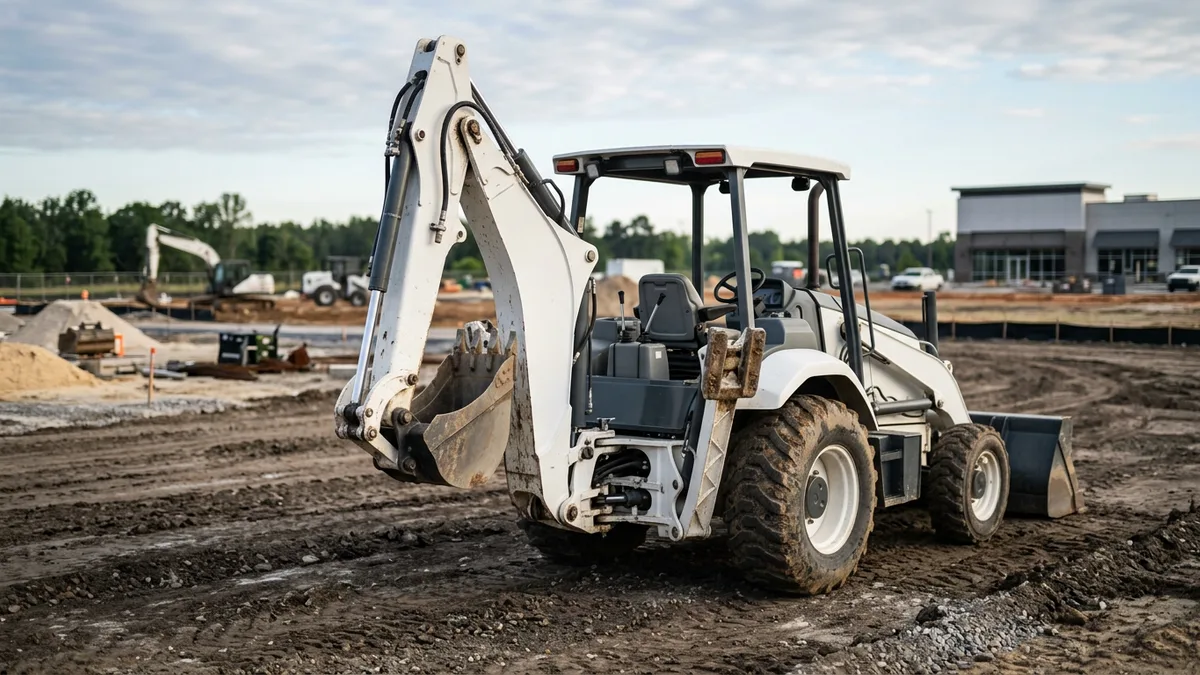
Backhoe financing lets a contractor or utility crew pay for a backhoe loader over a set term, through a loan, an equipment finance agreement or a lease, with the machine usually securing the deal.
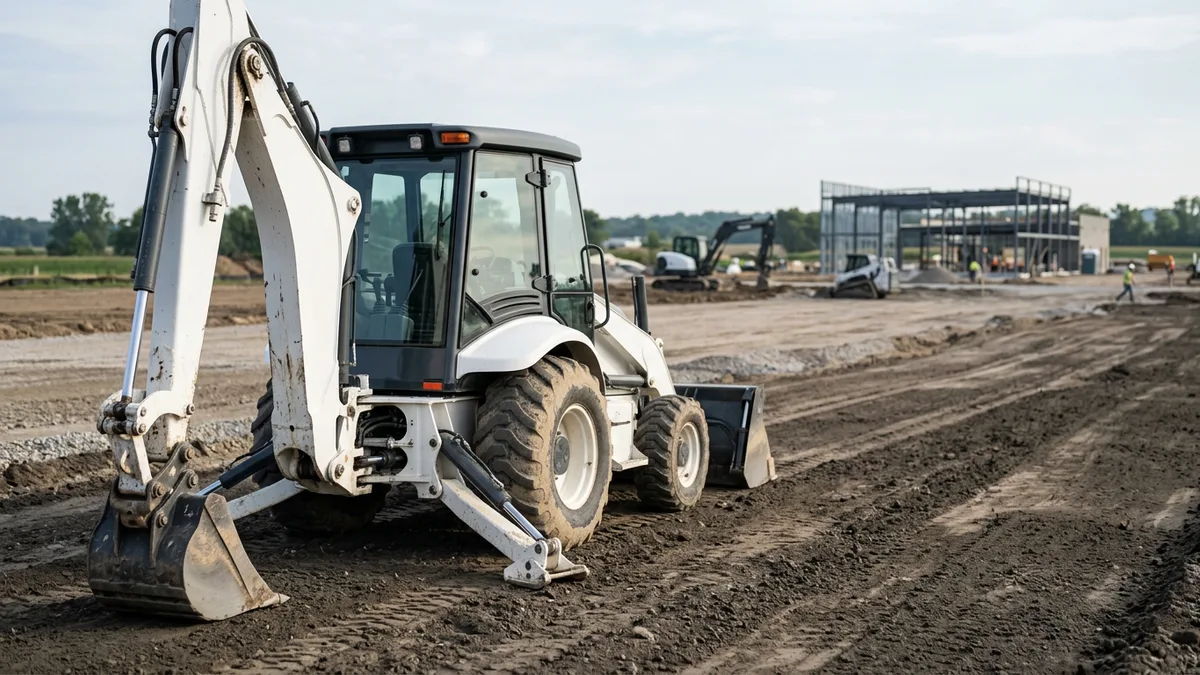
Some jobs can’t justify two machines. A backhoe digs the trench at one end, backfills it with the other, then drives itself to the next street. So water and sewer subs, septic installers and small site contractors keep them around, whether that’s a new John Deere 310 or a CASE 580 with a few owners behind it.
This page sits under Paramount Financial’s heavy equipment financing overview and sticks to the backhoe: whether it’s the right machine at all, how to check both ends of a used one, and how a loan stacks up against a lease when the work comes in contracts.
How backhoe financing works
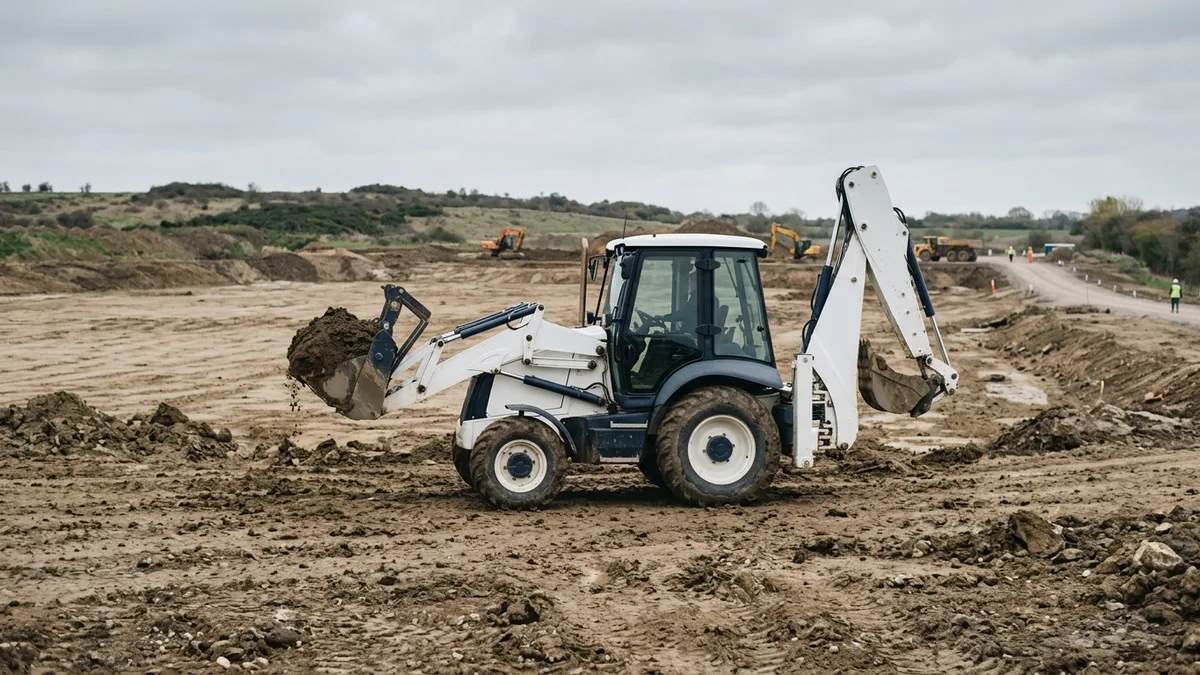
Backhoe financing is an agreement where a lender or lessor pays the seller and your business pays over a set term. With a loan or an equipment finance agreement, you own the machine and the lender holds a security interest in it. With a lease, the lessor owns it until the term ends. Ownership is the whole difference.
Backhoes generally don’t come with a title. So a lender usually records its interest on a UCC-1 financing statement, a public notice that can describe one machine by serial number or reach much further. Read that part. If you’ve got a bank line too, it matters whether the filing names this backhoe or everything your company owns, and our guide to what a UCC filing is explains the difference.
Backhoe financing or two smaller machines?
Ask this before you price anything. A backhoe is one machine, one agreement and one seat, but it’s a compromise at both ends, and on a tight lot a mini excavator with a skid steer can outwork it. Neither answer is free.
| Backhoe loader | Mini excavator and skid steer | Standard excavator | |
|---|---|---|---|
| On the paperwork | One machine | Two machines, often two invoices | One machine, plus a loader if the job needs one |
| Getting to the next job | Drives there, where road rules allow | A trailer and a truck that can pull it | A lowboy or heavy trailer, depending on size |
| Best at | Trenching, then backfilling with the same machine | Tight lots and attachment work | Production digging all day |
| What you give up | Room, since stabilizers and turning need space | A second seat to fill when both run at once | Loading, and any trip without a trailer |
One operator, scattered small jobs, a trench and then a backfill? That’s a backhoe. Backyards and infill lots with a narrow gate point toward mini excavator financing and skid steer financing instead, while a crew digging basements from morning to night belongs on our excavator financing page.
Used backhoe financing means inspecting both ends
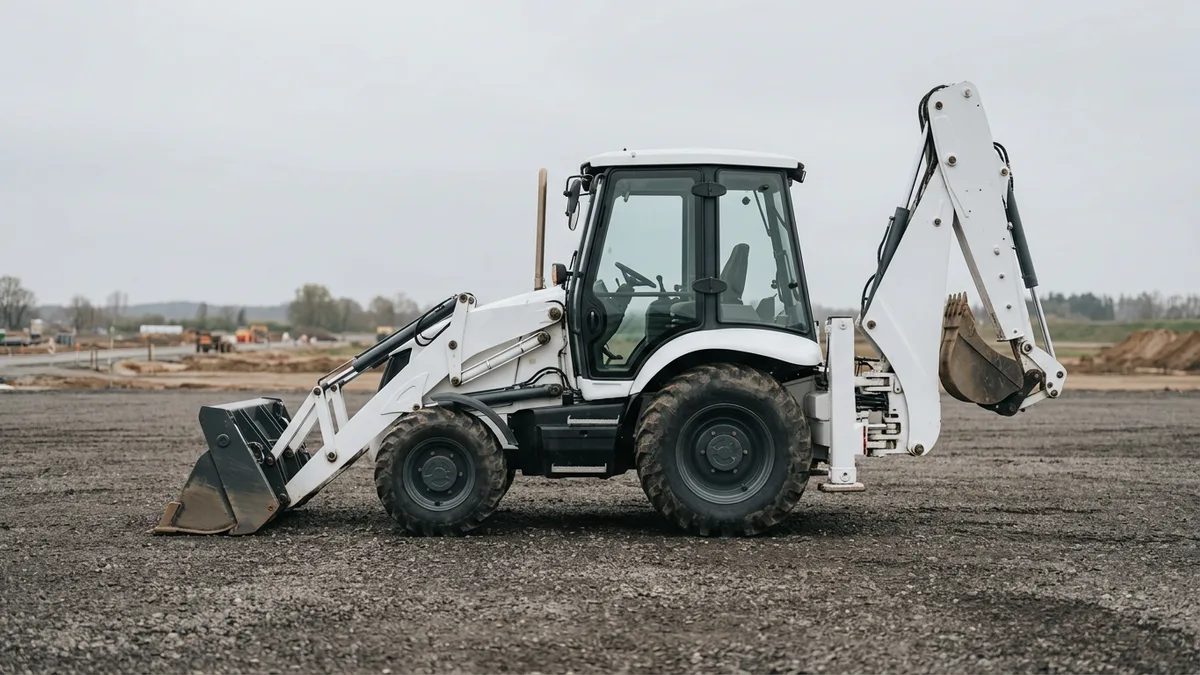
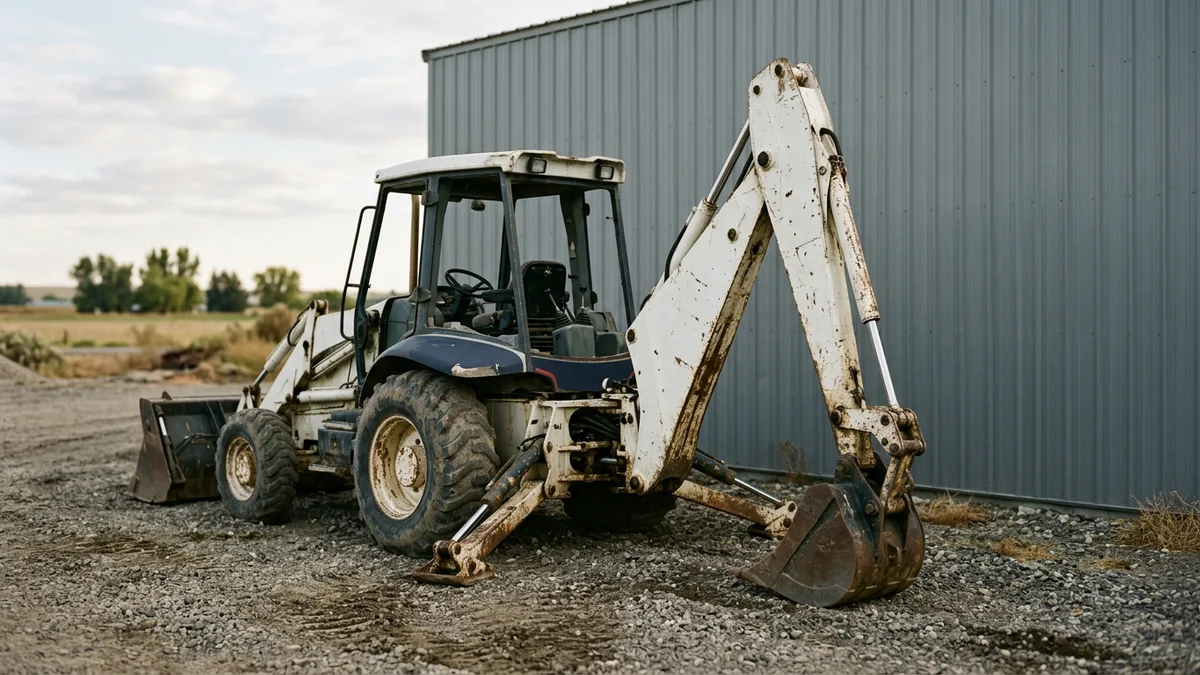
Two working ends, two sets of wear. The hour meter can’t tell you which one took the beating, because a machine that spent its life trenching through rock can look tidy up front and be worn out behind the cab. Walk it left to right.
The loader end
The middle
The hoe end
MY Equipment, an equipment seller, makes the same point in its August 2026 note on used backhoe loaders, saying hours don’t show how well a machine was treated. Mico Equipment’s used backhoe buying guide adds a useful test: hold the hour meter up against the visible wear, since heavy damage on low hours suggests overuse or a meter somebody touched.
We’d pay for a written inspection on anything you can’t check yourself. Facts help. Lenders are apt to ask for that serial number, the hour reading and photos anyway.
Where a used backhoe comes from changes the paperwork
Same machine, four stacks of paper.
Private sales are where old liens bite. Section 9-315 of the Uniform Commercial Code generally keeps a security interest attached to collateral after a sale unless the secured party agreed otherwise, so a retiring contractor’s unpaid loan can follow that backhoe right into your yard. Run a UCC search in the seller’s state. If a balance turns up, get a payoff letter before anybody gets paid.
Lenders don’t all treat those four alike. Ask early. Our page on used equipment financing goes further on dealer versus private seller.
Financing or leasing a backhoe for utility work
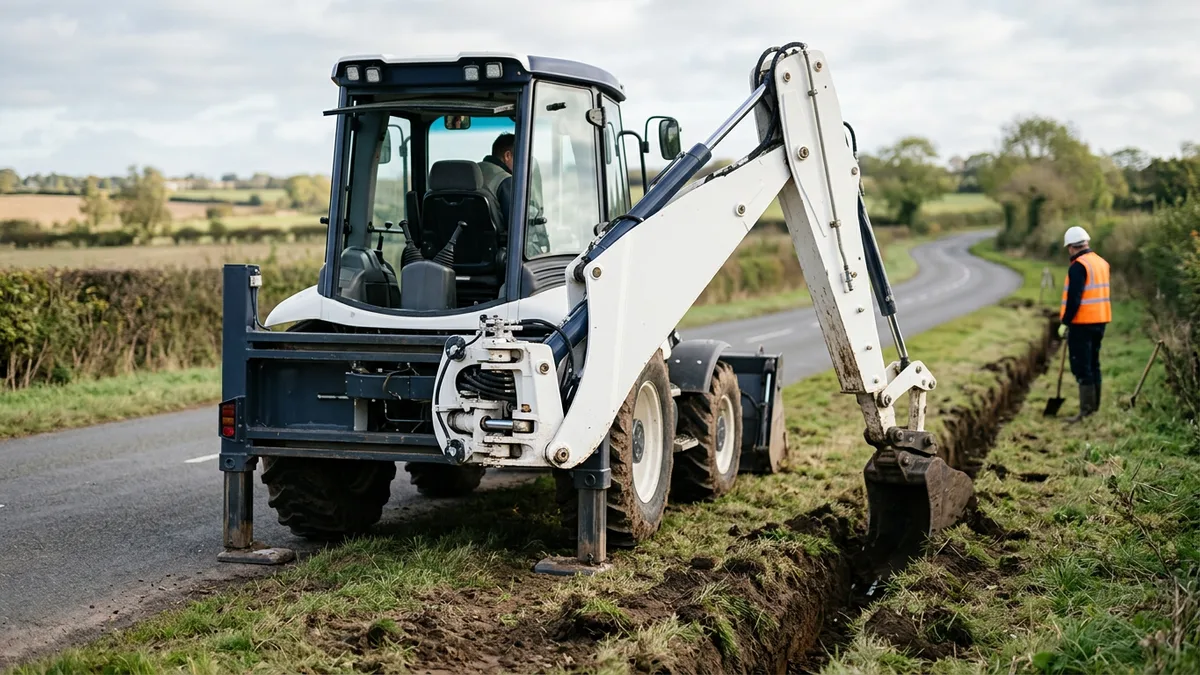
Utility work tends to arrive as a contract with an end date. Use it. A machine you’ll keep for a decade of service calls after that contract closes leans toward owning, with a loan or a $1 buyout lease. For one long water main, a fair market value lease might fit, as long as you read the return conditions on hours and wear.
Our page on construction equipment leasing compares the structures. And budget for the wait. The federal pipeline safety agency, PHMSA, says every state requires a call to 811 ahead of digging, and OSHA’s excavation rule wants utilities located before a trench is opened, so a payment can come due on a machine that’s still parked. Plan on it.
Ask whether those can share one agreement. Taxes are a separate talk. IRS Publication 946 puts the Section 179 limit at $2,560,000 for tax years beginning in 2026, elected on Form 4562, and a loan and a lease can land differently, so consult your tax advisor and start with our Section 179 deduction guide.
How deep, how heavy, how fast
17 ft 10 in
Deere 310 P-Tier dig depth, extendable stick out; 14 ft 1 in on the standard stick
16,532 lb
Cat 416 estimated operating weight, in Caterpillar’s listed setup
22.7 mph
Deere 310 P-Tier top forward travel speed, in fourth gear
Depth tells you which jobs it can bid, and options change the rest. Caterpillar adds 613 pounds for the extendible stick on that 416. Whether you can road one is a state and local question, so check before you sell the trailer.
Who keeps a backhoe working
Other machines, and how the financing side works
What crews ask before financing a backhoe
How does financing a backhoe actually work?
A lender pays the seller, you repay over an agreed term, and the backhoe stands behind the deal. A lease flips the ownership. The lessor holds the machine until the end, when you return it, renew or buy it, depending on what the lease says.
Can you finance a used backhoe?
Used backhoes do get financed, but lenders look harder at them than at new ones. Hours, the seller and the shape of both ends all come up. No single age or hour cutoff applies everywhere. Ask first.
How many hours is too many on a used backhoe?
There’s no magic number. A rental machine with a full service file can beat a low-hour backhoe nobody ever greased, which is why the records and a test of both ends tell you more than the meter does. Your lender may keep its own limit, though, so get that answer before you make an offer.
What changes when the backhoe comes from a private seller?
More of the clerk’s job lands on you: a bill of sale, the serial number, the hour reading and a lien search. Any old loan on the machine has to be paid off or released. Do it before the sale.
Should I buy a backhoe or a mini excavator?
The better question is how many places the machine has to reach in a day. A backhoe drives itself and loads as well as digs, while a mini excavator fits through tighter gaps but rides a trailer and leaves the loading to something else. Tight lots favor the mini. Scattered trenches favor the backhoe.
Can I lease a backhoe and keep it at the end?
A $1 buyout lease is built for exactly that. A fair market value lease prices the purchase at what the machine is worth when the term ends, if it offers one at all. Read that clause first.
Does a backhoe qualify for Section 179?
Three things decide it: how the backhoe is acquired, how it’s used and how much the business put in service that year. IRS Publication 946 sets the 2026 limit at $2,560,000. Don’t budget around it yet. Talk to your tax advisor first.
Got a backhoe picked out?
You can start your application now, or leave your details below with the machine, the seller and the work it’s headed for, and a member of our team will follow up.