
Last updated: November 4, 2026
Roofing Equipment Financing and Leasing for Contractors
How loans and true leases fit crew trucks, dump trailers, hoists and lifts through a seasonal year.
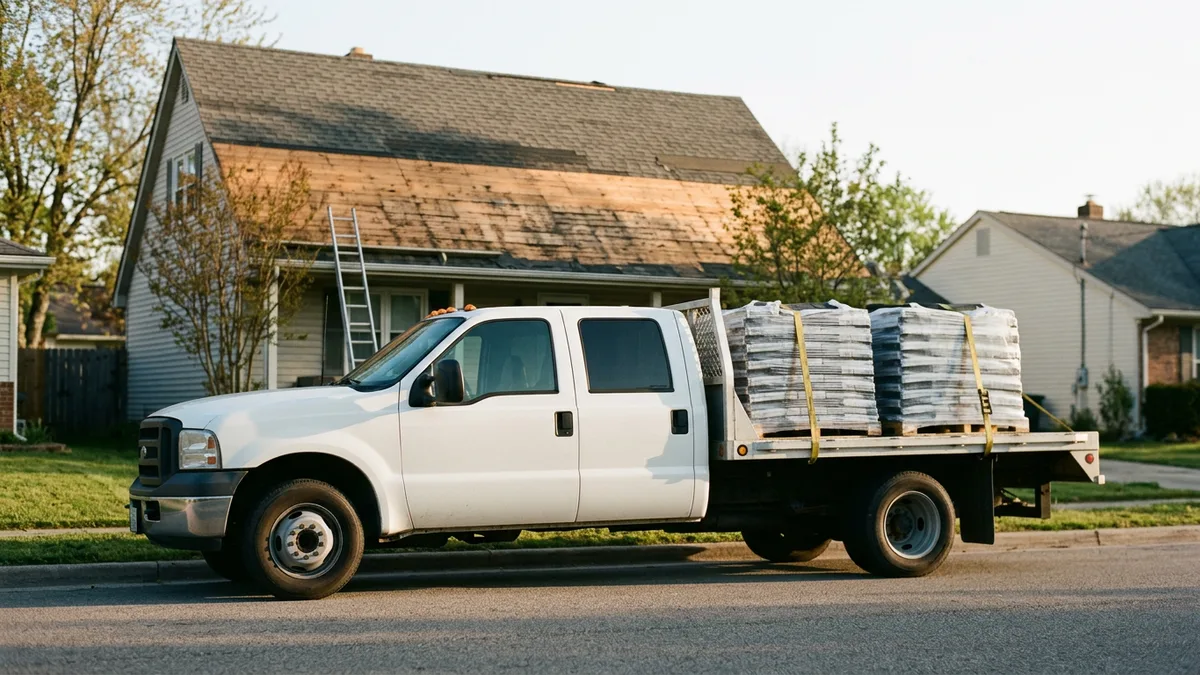
Roofing equipment financing spreads the cost of crew trucks, dump trailers, hoists and lifts over a set term, through a loan or a true lease, so the equipment can earn while you pay for it.
A roofing company’s equipment list reads like three businesses at once: a truck fleet, a materials crew and a debris operation. Each ages differently. This page sits under our guide to equipment financing by industry and goes deeper on roofing, so you can price each piece against the way it’s actually used, on the job and through the year.
Paramount Financial offers true equipment leases, including operating leases, not only loans. Rather ask a question first? Contact Paramount Financial’s team.
Roofing equipment financing follows the work through the year
Roofing doesn’t run level. Crews ramp up when the weather turns, peak when every roof in the neighborhood is open, and sometimes get hit with a wave of storm calls that fills the schedule for weeks and then vanishes. Then the jobs thin out. The payments don’t.
So the useful question isn’t only which loan or lease. It’s what each stretch of the year does to the equipment and to the cash. Start there.
Ramp-up
Trucks come out of winter storage and new crews start. Nothing’s broken down yet, which makes this the cheapest time to decide what to add. Decide now. A purchase made in this stretch is working by peak, not arriving after it.
Peak
Every truck, trailer and hoist is working. No spares. One breakdown parks a crew, which is the case for owning equipment that earns on every job, on a loan or a $1 buyout lease.
Storm surge
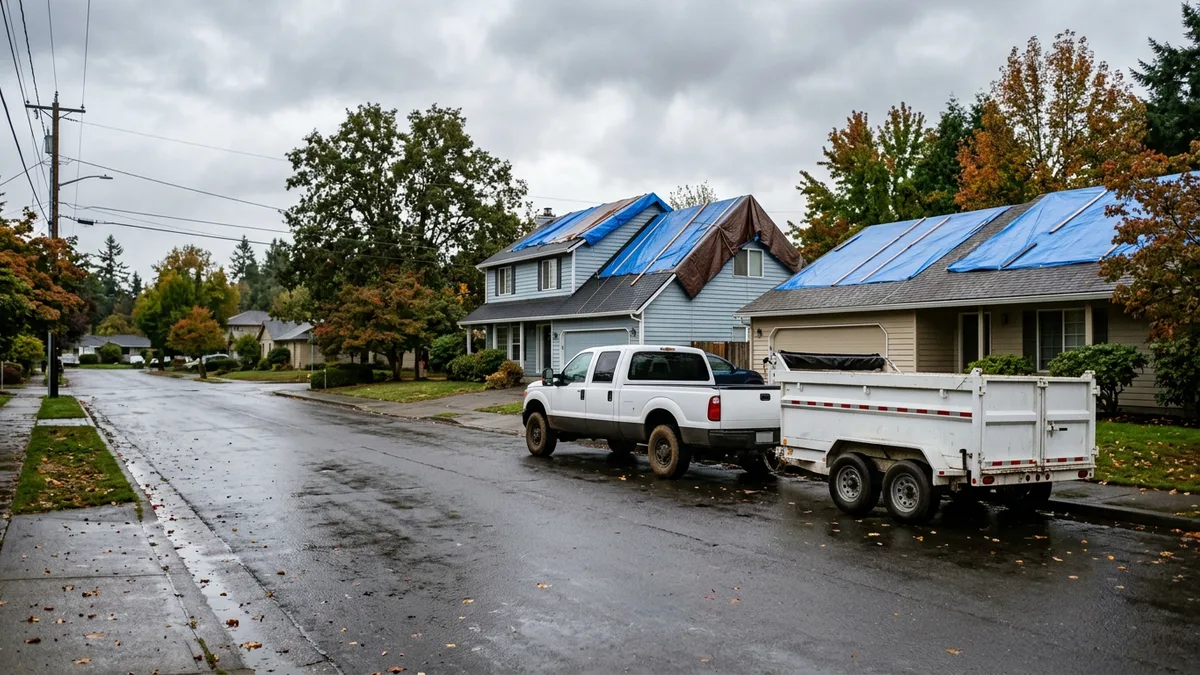
Hail, wind or a hurricane can fill a schedule in days. Next year? It may not repeat. Own what you’d use in an ordinary month, and rent or sublet the rest, because a fleet financed for a surge that doesn’t come back is a payment with no work behind it.
Slow months
Where winter shuts roofs down, work can stop for weeks, and where storms drive the calendar it slows once the surge is over. The payments keep coming. Before you sign, ask what the lender can do about the schedule in a thin season.
Roof hoists, conveyors and tear-off machines: lease, loan or rent?
Roofing equipment financing is a loan, an equipment finance agreement or a lease that pays for trucks, trailers, hoists and lifts over a set term. With a loan or an agreement, the business owns the equipment and the lender holds a security interest. With a true lease, the lessor owns it during the term.
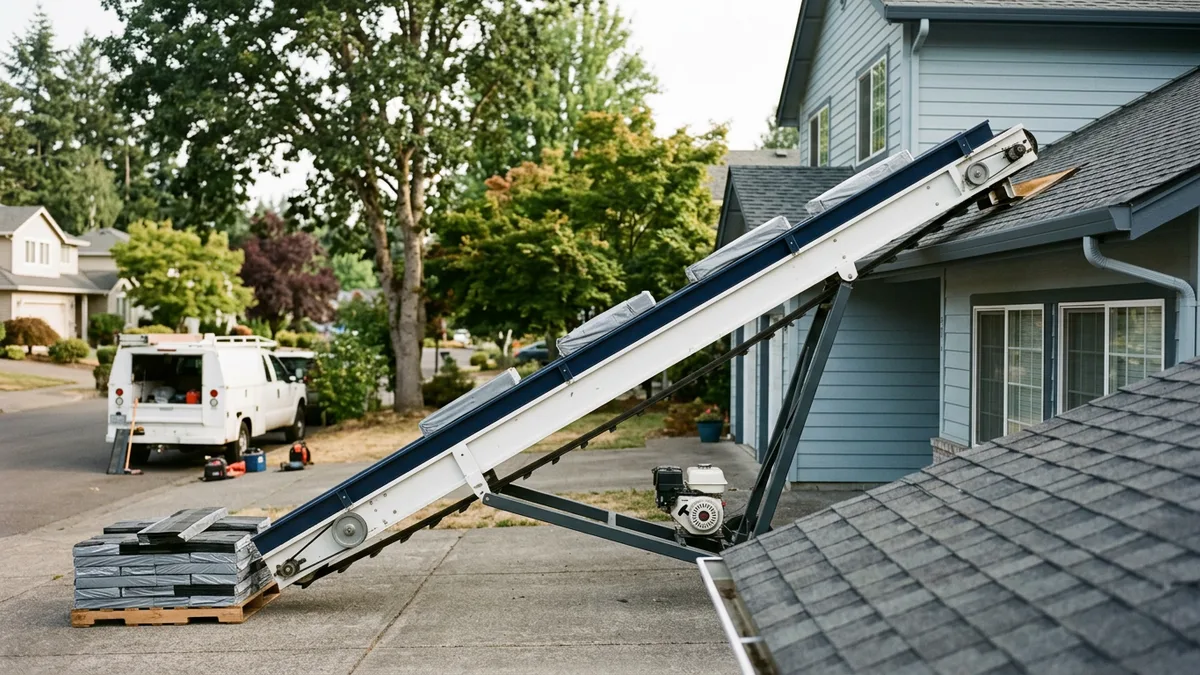
Now the machines. A hoist or conveyor that runs on every re-roof for a decade is a loan or buyout kind of purchase. A tear-off machine that earns its keep on a handful of commercial jobs a year is another story, and renting it by the job may beat any payment you could sign for it.
Four questions for the lessor
Want the mechanics? Start with the fair market value lease, then set it beside operating lease versus finance lease.
Roofing equipment financing, item by item
| Equipment | What ages it | Structure worth pricing first |
|---|---|---|
| Flatbed or dump-body crew truck | Miles, the body and the lift gear | A loan or an equipment finance agreement, with the title and any body work itemized |
| Hydraulic dump trailer | Lift cylinder, floor, axles and tires | A loan, or a $1 buyout lease if it’ll run for years |
| Shingle hoist or conveyor | Engine hours, belts, rails and cables | A loan if it works most jobs, a rental if it doesn’t |
| Tear-off or debris machine | Hydraulics, tracks or tires, and hours | A fair market value lease, or a rental while you learn how often it pays |
| Scissor lift, boom lift or telehandler | Hours, hydraulics and inspection records | A lease or a rental for occasional edge and staging work, a loan if it’s on every commercial job |
| Kettles, nailers and safety gear | Everyday wear | Often cash, or one line on a larger quote |
Read the right-hand column as a starting point. Get two prices. A roofer who keeps a trailer for fifteen years and one who trades machines every third season shouldn’t sign the same paper, and the right-hand column only hints at which one you are. Our guide to leasing versus buying equipment walks through the decision.
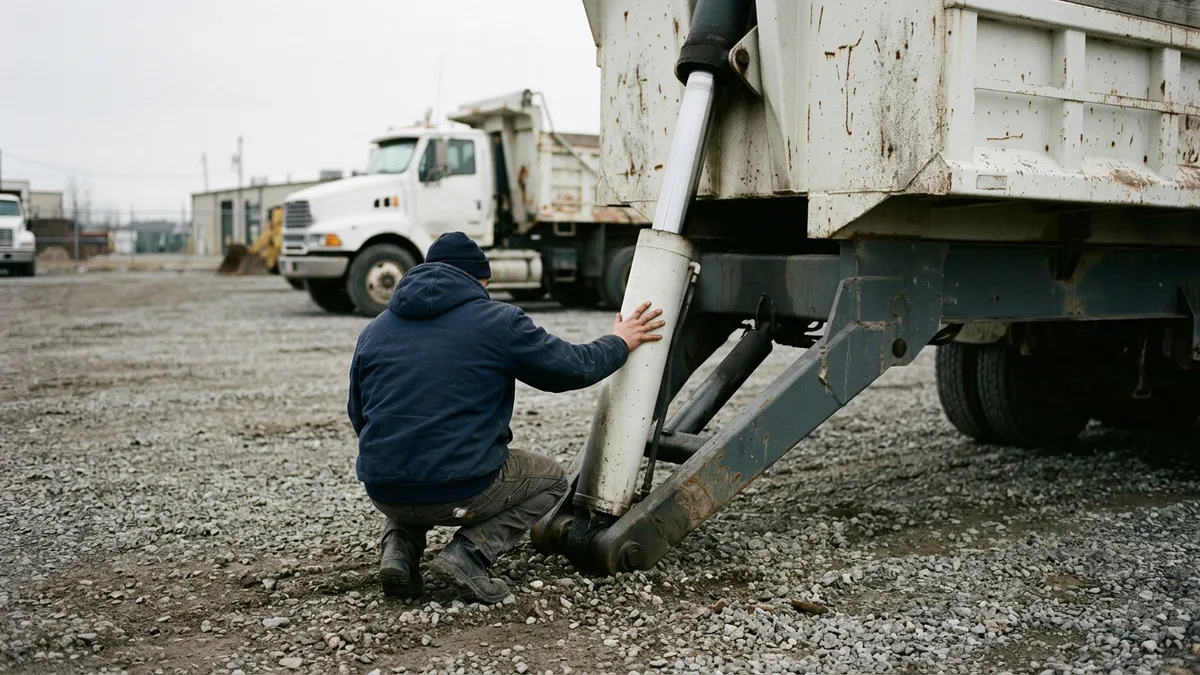
Financing used roofing equipment starts with a walk-around
A lot of roofing iron changes hands. Crews upgrade and shops close. A trailer that’s three seasons old can have plenty left. With no new price list to measure against, a lender leans harder on age, condition and resale value, so your own walk-around counts for more than the asking price ever will.
Run it first. Our guide to used equipment financing covers older units in more depth.
From shingles to flat roofs: what a commercial division adds
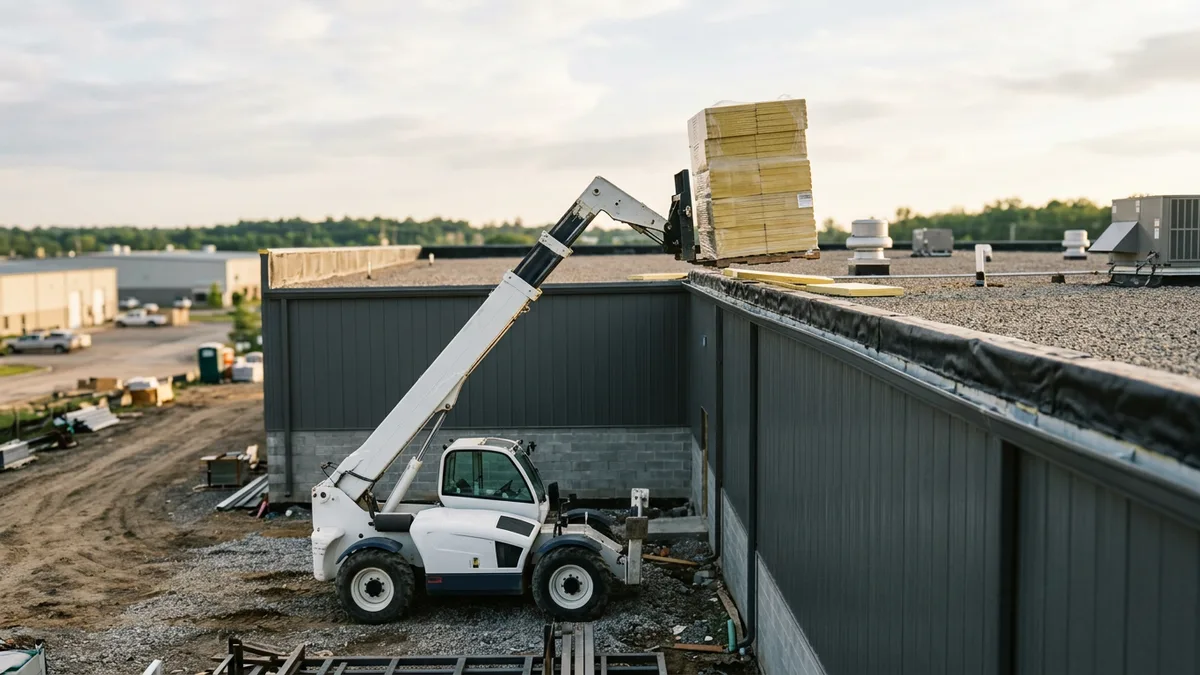
Residential re-roofs run on a truck, a trailer and a ladder or two. Flat roofs ask for more. Low-slope commercial work in single-ply TPO, modified bitumen or built-up roofing needs rolls and insulation boards lifted onto the deck, which brings in a telehandler or a hoist, and sometimes a kettle for hot work.
Banks and the SBA belong on the list too. A 7(a) loan can fund machinery and equipment, up to the program’s $5 million maximum, and it comes with paperwork, a credit review and a wait that you’d want built into your timeline before the old truck dies. For trucks and trailers on their own, our guide to commercial vehicle financing goes further.
Roofing by the numbers
166,900
roofers employed in the United States in 2025
Source: Bureau of Labor Statistics, Occupational Outlook Handbook
5%
projected employment growth from 2025 to 2035, which the agency calls faster than average
Source: Bureau of Labor Statistics, 2025 to 2035 projections
About 12,000
roofer openings projected each year, on average, over the decade
Source: Bureau of Labor Statistics, page updated September 2026
Four questions before the paperwork
Keep reading: trucks, trailers and the other trades
What roofing contractors ask before they finance
How do roofing contractors usually finance trucks and trailers?
Usually with a loan, an equipment finance agreement or a lease written against the truck or trailer itself. The title decides a lot. With a loan or an agreement it’s in your name with the lender’s lien noted, and with a true lease the lessor keeps ownership until you buy the unit, and under UCC Section 9-311 a lender’s claim on a titled vehicle shows on the title, not in a UCC-1 filing. Our guide to trailer financing covers trailers.
Should a roofer lease, rent or buy a hoist, conveyor or tear-off machine?
The better question is how many jobs a year it’ll work. A machine that’s on most jobs for years earns its keep on a loan or a $1 buyout lease. One that comes out for a few commercial tear-offs a year is often cheaper to rent by the job, and a fair market value lease sits in between for a machine that works enough to matter but not enough to own outright. Count the jobs first.
Can a roofer finance a used dump trailer or work truck?
Short answer: many lenders will, and they judge a used unit by its age, condition and resale value. A clean title in the seller’s name helps. Service records help too. Private sales and auction buys can take extra paperwork, so ask what the lender needs before you agree on a price with the seller, not after you’ve shaken hands on it.
How do slow months affect an equipment payment?
A payment is due on the same schedule whether the crew is on a roof or in the shop, so the slow months need a plan before you sign anything and not after the first winter. Build a cushion. Size the payment to an ordinary month, not your best one. Our working capital page explains the tools for the gap between jobs.
What do lenders look at when a roofing company is new?
Lenders reviewing a newer roofing company usually focus on the owner’s trade experience, personal credit, the equipment and how the business will pay for it, month after month, through the thin stretches as well as the busy ones. A booked schedule or a signed job can help show where the payments will come from. Crew experience counts. Our startup equipment financing guide shows what to line up first.
Is it smarter to rent equipment for storm work?
A rental fits a surge you don’t expect to repeat. Trucks and trailers you’d run in March and in August alike belong on a loan or a lease. Hail seasons come and go. Rent or sublet the extra lift and the second dump trailer, then finance or lease the core fleet that works every month of the season.
What do you need to apply for roofing equipment financing?
The vendor’s itemized quote, a short profile of the business and, for a used unit, the title or serial numbers. If your state licenses roofing contractors, have the license number handy. Some lenders add a certificate of insurance that names them as loss payee on the equipment. Details vary by lender.
Pricing a truck, trailer or hoist for the next season?
What’s the quote for, and when does the crew need it? Tell us below. Or apply online.