
Last updated: November 4, 2026
Farm Equipment Financing for Tractors, Combines and Implements
Compare loans and true leases for tractors, combines and the implements that hitch to them, new or used.
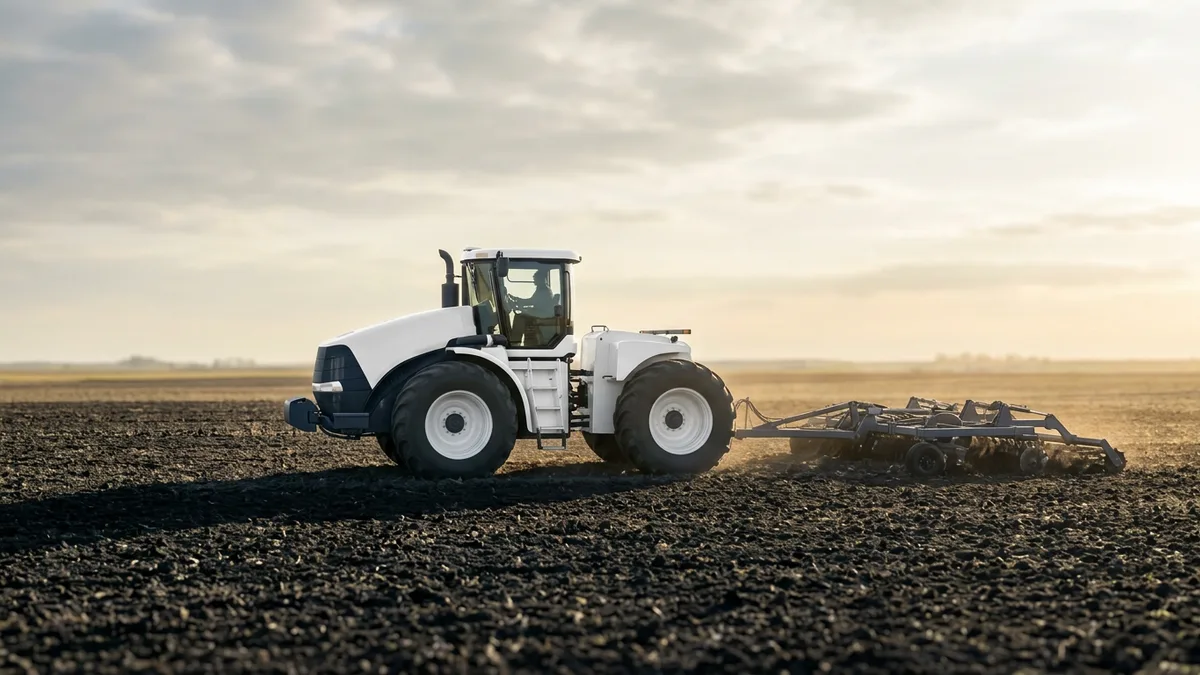
Farm equipment financing spreads the cost of a tractor, combine or implement over time through a loan or a lease. A loan makes the farm the owner from day one; in a true lease, the lessor owns the machine.
A tractor works most of the year. A combine works a few weeks. Different machines, different paper. This page sits under our guide to equipment financing by industry and goes deeper on the farm, from the first pass in spring to the last load of the fall harvest.
Paramount Financial offers true equipment leases, including operating leases, not only loans. We’ll cover both. Rather talk it through? Talk to Paramount Financial’s team.
Farm equipment financing starts with the calendar
Farms don’t run on a steady clock. Spring is tillage and planting, summer is spraying and hay, fall is harvest, and winter is loader work, feed and the repairs that harvest was too busy to get to. A tractor might touch every one of those. A combine touches one.
So hours decide how a machine pays you back, more than the price on the quote. Match the paper to the weeks the machine works. Then ask about the rest.
A year on the farm, machine by machine
Spring
Tillage and planting
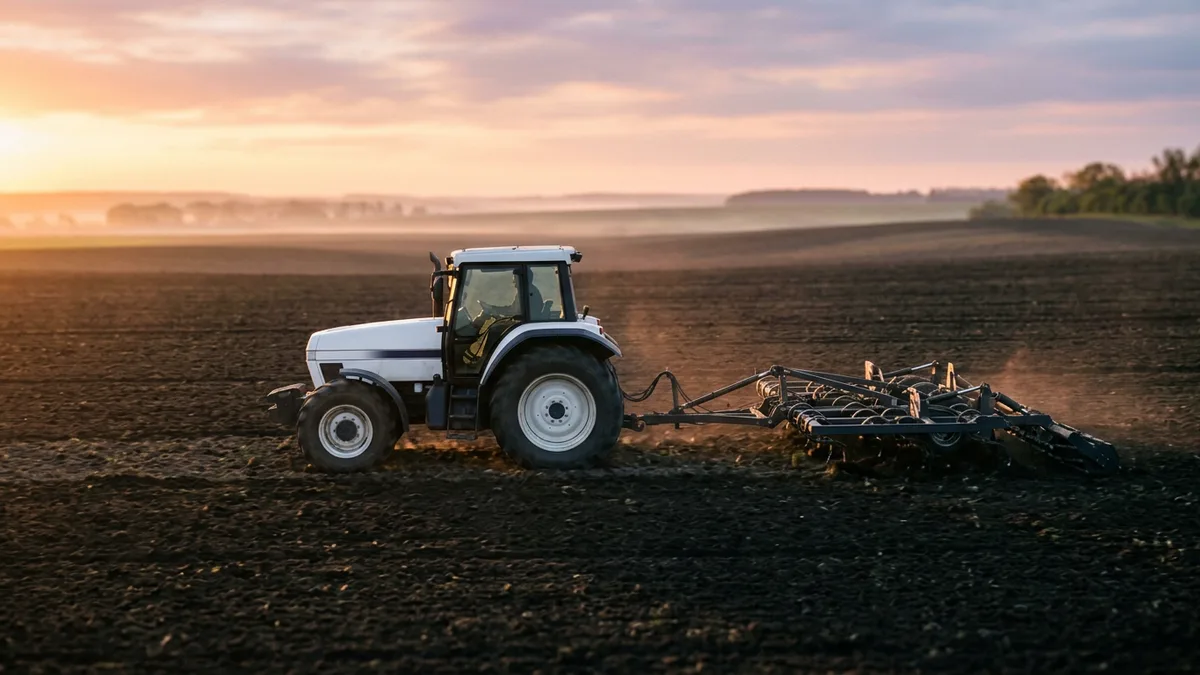
Tractors pull tillage tools, planters and drills, sometimes from sunup to dark for a few busy weeks. Tires, hitches and hydraulics take the wear.
Summer
Spraying and hay
Sprayers cover acres between rains, then mowers and balers take over once the hay is ready. Weeks, not months.
Fall
Harvest
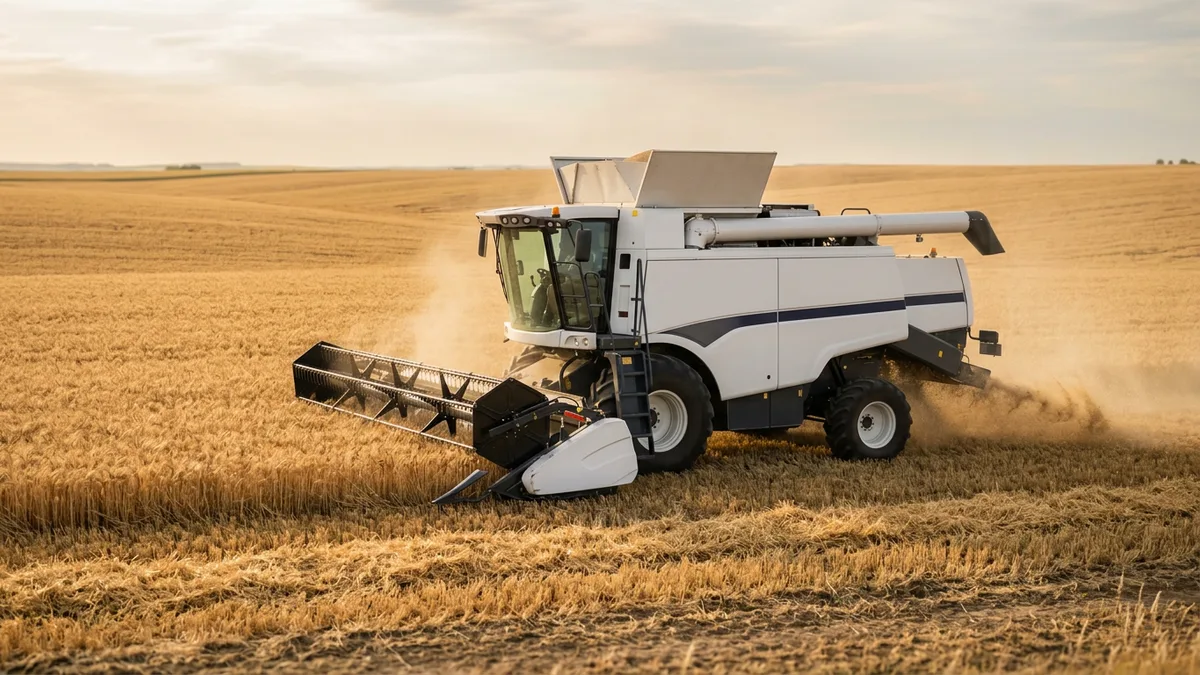
The combine and its header cut the crop while a grain cart and trucks keep it moving. A combine may earn its keep in a handful of weeks, then sit.
Winter
Loader work and repairs
Loaders move feed and snow while the shop catches up. Hours run low. Payments don’t.
Same farm, same lender, two very different bets. Price each machine against its own year, not the farm’s average one.
Farm equipment financing: loan, lease or in between
Sign a loan or an equipment finance agreement and the farm owns the machine from day one, while the lender keeps a security interest in the machine until the last payment clears. With a true lease, the lessor stays the owner, and at term end you return the machine, renew the lease or buy it at fair market value.
A $1 buyout lease is the odd one out. The paper says lease, the farm is headed for ownership, and the law often treats the whole thing as a loan.
Rules of thumb for the farm
Our guide to leasing versus buying equipment works through the same choice in more detail.
Farm machines, one by one
| Machine | What wears first | Structure worth pricing first |
|---|---|---|
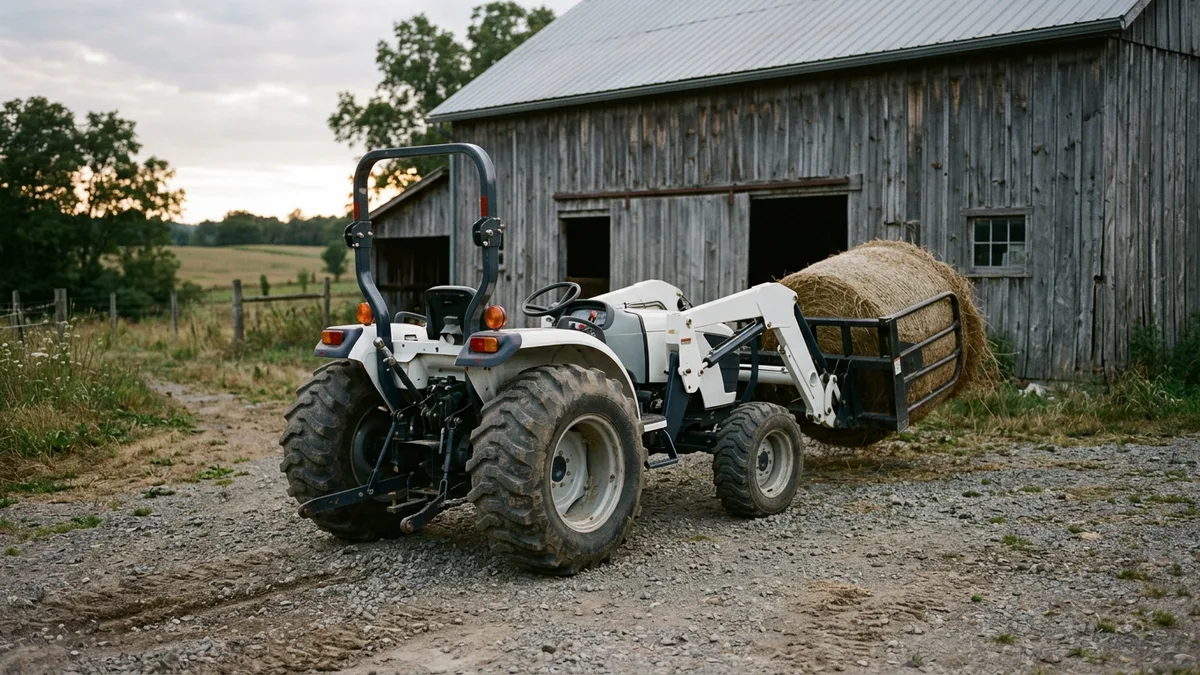
| Compact and utility tractor, under 100 PTO horsepower | Tires, clutch, loader pins, hydraulic hoses | A loan or an equipment finance agreement, if it works most of the year |
| Row-crop tractor, 100 PTO horsepower or more | Transmission, axle seals, hydraulic pumps, tires | A loan, an equipment finance agreement or a $1 buyout |
| Combine and header | Feeder house, rotor or cylinder, belts, header knives | A fair market value lease or a loan, priced against custom harvesting |
| Planter or seed drill | Row units, openers, seed tubes, monitors and sensors | Often quoted with the tractor, or a lease if the electronics age fast |
| Sprayer | Pumps, nozzles, boom hoses, guidance and rate controllers | A loan, or a lease if you’d trade up on the technology |
| Baler and hay tools | Pickup teeth, belts or knotters, bearings | A loan, sometimes on the same request as the tractor |
| Grain cart and wagon | Auger gearbox, tires, axles, scale cells | A loan, quoted on its own |
Treat that last column as a starting point for quotes, not an answer. A used tractor bought to run every day on a feed lot and the same model bought to cut hay for a month each summer call for different paper, even from one dealer. Get both prices.
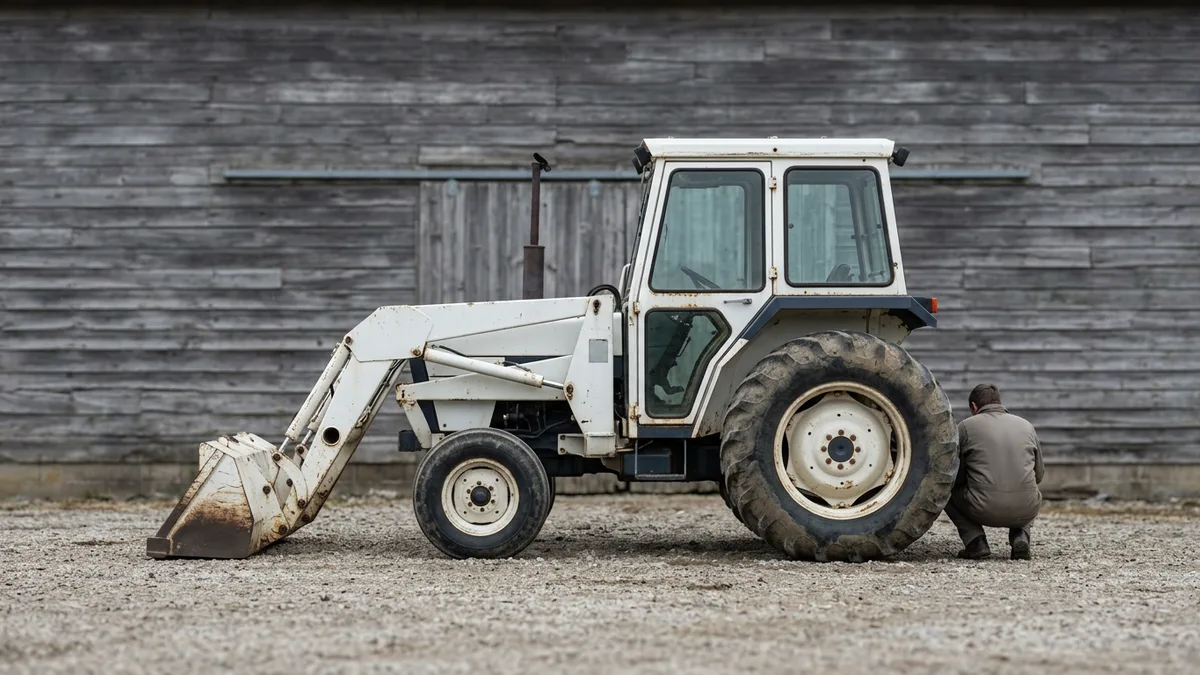
Used farm equipment financing: hours, PTO and the paper
A meter reading means little without the service history behind it. At an auction, a tractor with high hours, a rebuilt transmission and the receipts to show for it can be a safer buy than one with fewer hours and no paper at all. Expect a lender to ask about that meter. A John Deere, a Case IH and a Kubota all get the same checklist.
Untitled machinery usually calls for a UCC-1 financing statement, and UCC section 9-310 sets filing as the general rule. A private sale adds a bill of sale. Before you trust a horsepower number, look the model up at the Nebraska Tractor Test Laboratory, the officially designated U.S. tractor testing station, which runs PTO and drawbar tests under OECD codes. Dealers and private sellers get more room in our guide to used equipment financing.
Harvest checks, input bills and the payment calendar
Farm income comes in lumps. Grain payments follow harvest, cattle sales follow their own calendar, and the seed, fertilizer and fuel bills come due before either one. Before you sign, ask any lender whether the payment schedule can follow your cash, what that does to the total cost over the term, and what happens after a short crop.
What helps a lender read a farm
Two public programs belong in the comparison. The Farm Service Agency lists equipment among the purchases its direct farm operating loans can cover, with repayment terms that typically run one to seven years depending on the loan’s purpose. The Small Business Administration’s 7(a) program names machinery and equipment among its permitted uses too. Both come with an application and a review, so start before planting.
The American farm, from the public record
$164,212
average estimated value of machinery and equipment per U.S. farm in 2022
1,509,666
of 1,900,487 U.S. farms reported at least one tractor in 2022
$2,560,000
maximum Section 179 deduction for tax years beginning in 2026, before the phase-out
Source: IRS Revenue Procedure 2025-32. Consult your tax advisor.
What to have in hand before you ask for a quote
More for farms and ranches
What farmers ask before they finance a machine
Should a farm lease or buy a tractor?
Short answer: own the tractor you’ll run until the hours run out, and price a lease for a machine that works a few weeks a year. A 100-horsepower utility tractor on a cattle and hay place sits in the first group. A combine can sit in the second, and so can a precision planter whose software will date quickly. Price both.
Can you finance a used tractor?
Used tractors can be financed. A lender will read each one through its hours, its service history and the person selling it. Buying at auction or from a neighbor? Line up a bill of sale and photos of the hour meter and serial plate before you bid.
Can implements go on the same request as the tractor?
Implements can often be quoted with the tractor. That puts a planter, a baler and a loader on one set of paper instead of three. Each one should be named on the agreement. Check the hitch category and PTO speed before anyone signs, because an implement built for a 1,000 rpm shaft behind a tractor that only offers 540 is a payment on a machine you can’t put to work.
What credit score does farm equipment financing need?
No single score decides it. Each lender sets its own bar, and one that funds combines every harvest may weigh farm income, the machine’s resale value and the farm’s record differently than a bank that rarely sees one. Ask what it looks at first. Then compare the answers.
Can a farm make payments once or twice a year?
The better question is whether the schedule can follow your income, since some lenders offer irregular schedules and many don’t. Ask how a harvest-timed payment works, what it adds to the total cost and what happens after a short crop. Get the answers in writing before you sign.
Does Section 179 apply to farm equipment?
Section 179 can apply to farm machinery, and the limits change by tax year. For tax years beginning in 2026, IRS Revenue Procedure 2025-32 sets the maximum Section 179 deduction at $2,560,000, reduced once qualifying property placed in service tops $4,090,000. Publication 225 for 2025 returns lists farm machinery in its own recovery-period table: 5 years for new machinery and 7 years for used. Consult your tax advisor before you pick a structure for tax reasons, and see our Section 179 deduction guide.
Can a new farm get equipment financing?
A newer farm can still get quotes, though expect more questions than an established operation gets. Lenders reviewing a newer farm tend to look harder at the owner’s farming experience, whether the acres are owned or rented, and the machine itself. Our startup equipment financing guide lists what to line up.
Have a dealer quote in hand? Bring it.
Leave your details and we’ll talk through the machine, the seller and your season. Or start your application online.