
Last updated: November 2, 2026
Commercial Truck Refinance: Replacing a Dealer Loan or Freeing Up Cash
Read the payoff, the title and the truck’s value before you trade one truck loan for another.
A commercial truck refinance is a new loan, secured by a truck your business runs, that pays off the existing loan or lends against a truck you own outright. The new lender’s lien goes on the title.
A truck loan often gets signed at a dealer’s desk, because the truck was needed Monday. A year or three later it’s earning, and the paper deserves a second read. Sometimes that read ends with a new loan. Sometimes it doesn’t.
This page sits under our commercial equipment financing overview and stays with trucks: tractors, dump trucks, box trucks, rollbacks. For skid steers and shop machinery, our equipment refinancing guide covers the general case.
When a commercial truck refinance is worth a look
Refinancing a commercial truck means a new loan takes the place of the old one, or, when there’s no old one, borrows against what the truck would sell for today. Either way the truck keeps running under the same business, and a lender’s lien sits on its certificate of title until the new loan ends.
And sometimes the answer’s no. A loan with few payments left starts a new clock when you replace it, and a smaller payment stretched over more months can cost more in total, even when each month feels easier. Short on payroll for a slow month? Working capital is probably the better conversation.
Three places your truck can sit
Take what the truck would sell for today. Take the payoff. The gap between them decides which conversation you’re in.
What it would sell for
What’s owed
You owe more than it’s worth
Underwater. A new loan doesn’t fix that, because the gap comes along for the ride. Paying it down and looking again later is often the more useful plan.
What it would sell for
What’s owed
You owe less than it’s worth
That room is equity. It’s what a lender weighs when it looks at replacing the loan, or replacing it with some cash on top. Compare totals first.
What it would sell for
What’s owed: nothing
You own it outright
No payoff, no lien. Borrowing against the truck puts a lien back on a clean title, so decide what the cash is for first.
The bars show the shape of each position, not real numbers. Your two figures come from a payoff letter and a current valuation.
Replacing a dealer truck loan, in the order it happens
Your statement balance isn’t your payoff. A payoff letter from the current lender gives the exact figure to close the loan, good through a named date, with interest counted up to that day and any fee the contract sets.
While you’ve got the contract out, find the prepayment clause. Some charge for leaving early. Some precompute the interest, so paying ahead saves less than you’d guess.
- You get the payoff letter and add up both loans through one shared end date.
- A lender reviews the file and the truck.
- If it goes ahead, the new lender pays the old one directly, using the payoff figure.
- The old lender releases its lien, on paper or through the state’s electronic system.
- The state title shows the new lienholder. Your insurance certificate names it too.
Why the title runs the whole thing
Under UCC section 9-311, a lien on goods covered by a certificate-of-title statute is perfected through that statute, and a UCC filing won’t do it, which is the main way a truck differs from a shop machine. In Nevada, to pick one state, the lienholder releases electronically and the DMV mails a clean paper title. Yours may run differently.
Comparing two offers takes real work
That truth-in-lending box from your last car loan? It won’t be there. Regulation Z exempts credit primarily for a business purpose, though a few states, California and New York among them, have commercial financing disclosure laws of their own that reach only certain offers. So do the arithmetic yourself, every payment and every fee on each loan, through the same end date.
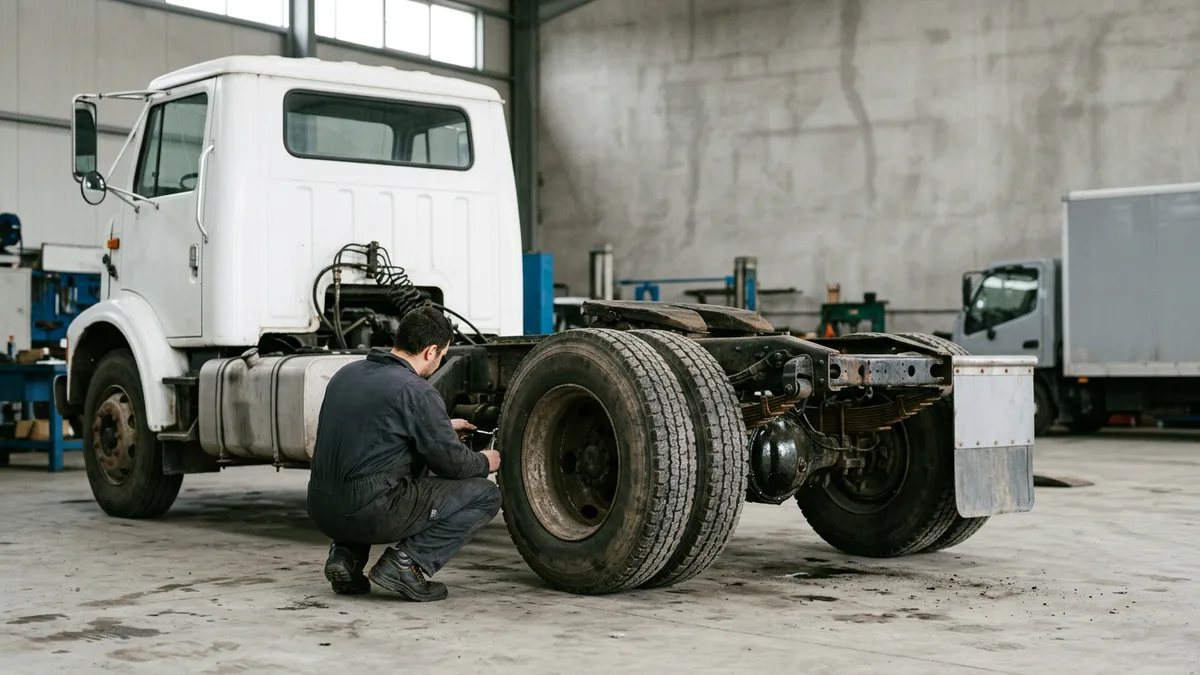
Taking cash out of a truck you own outright
Paid off doesn’t mean worthless. A cash-out loan borrows against what the truck would bring, and the lender’s lien goes back on the title. That’s the trade. You’ve got the cash and the truck both, and if the loan goes bad a year or two down the road, the lender can repossess the very thing that earns your living.
What’s it worth, then? Not what you paid. Expect someone to read the miles, the engine and transmission history, the maintenance records and the body, because a wrecker’s boom or a dump body can matter as much as the chassis. One lender may work from a retail number and another from wholesale or liquidation, which runs lower, so ask which one.
Know the job before you borrow. A down payment has an end date. A vague cushion doesn’t, and a need that keeps coming back may suit asset-based lending better.
Four ways out of the same truck, and who holds the title
| Structure | Where you start | Who holds title afterward | Read this first |
|---|---|---|---|
| Truck loan refinance | A loan on the truck, and some equity | The business, with the new lender’s lien on it | Payoff letter and prepayment clause |
| Cash-out loan | A truck owned outright | The business, with a new lien added | Which value the lender used |
| Sale-leaseback | A truck you can sell, loan or no loan | The lessor | End-of-lease options and the fees that come off the cash |
| TRAC lease buyout | A truck on a TRAC lease | The lessor, until the buyout closes | The adjustment amount in the lease |
TRAC stands for terminal rental adjustment clause, a lease term that squares the truck’s sale value at the end against a figure written into the lease, so the two sides settle up on the difference. A lease isn’t a loan. Our semi truck leasing page goes through how those contracts run.
What goes in a commercial truck refinance file
Every lender keeps its own list. These are the items that come up on a truck.
Three market numbers to hold a valuation against
$61,751
Average retail price of a used Class 8 truck, June 2026
410,000
Average miles on those same trucks, up from 401,000 a year earlier
$0.28
Average motor carrier cost per mile to buy or lease the truck, 2025
Averages, all of them. They can’t tell you what your truck is worth or what any lender will do, but a number you’ve been quoted should make sense next to them.
Who ends up reading the paper twice
More on trucks and the loans behind them
Before you refinance a semi truck
So can a semi truck loan move to a different lender?
Short answer: that’s what most refinances are, a new lender paying off the old one and taking over the lien. Each lender sets its own limits on truck age, miles and the amount owed, so it’s worth asking about those limits early, before you’ve paid for a valuation or pulled the contract apart. Your current lender might rewrite the loan too. It’s worth one phone call.
Why’s the payoff higher than the balance on my statement?
Interest keeps running after a statement closes, and a payoff letter counts it up to a named date. It can also add a prepayment charge or payout fee from your contract. Get it in writing.
Can you get cash out of a truck that’s already paid off?
A cash-out loan does exactly that, using the paid-off truck as collateral for new borrowing. Lenders differ on whether they’ll do it at all and on which value they use. What you give up is the clean title.
What if I owe more than the truck would sell for?
The better question is whether replacing the loan solves anything, since the gap comes along to the new one. Two things to compare are paying down the balance for a while and running the truck longer than you’d planned, since both shrink the gap before you go through a round of paperwork. Sometimes a refinance just doesn’t make sense yet.
Do lenders care about a truck’s age and miles?
Three things tend to shape that: what the truck would bring, how long it’ll keep running, and what its records show. Cutoffs on year and mileage vary by lender and by truck type. A low-mile rollback and a long-haul sleeper get read differently.
Who takes the old lender off the title?
The old lender does, once it’s been paid, through your state’s title process. In electronic lien states that usually means a release sent to the DMV, and elsewhere the lender signs off on paper. Keep your copy of the release until the new title shows up.
Can a truck on a TRAC lease be refinanced?
A lease isn’t a loan, so there’s no balance to refinance until the business buys the truck out under the lease’s own terms. The lessor owns it until then. Read the adjustment clause first, ideally with your accountant beside you.
Got the payoff letter in hand?
Leave your details and a Paramount Financial specialist can talk through the truck and what’s on it, or go straight to the credit application.