
Last updated: November 3, 2026
Plumbing Equipment Financing and Leasing for Contractors
Compare loans and true leases for service vans, hydro-jetters, sewer cameras and line-repair machines.
Plumbing equipment financing spreads the cost of vans, jetters and cameras over time through a loan or a lease. With a true lease, the lessor owns the equipment, and you return, renew or buy it.
A plumbing shop doesn’t buy one thing. It buys a van, then a camera, then a jetter, and sometimes a machine to dig, and each one ages differently and is secured differently from the others. It adds up fast. This page sits under our guide to equipment financing by industry and goes deeper on plumbing and drain work.
Paramount Financial offers true equipment leases, including operating leases, not only loans. Rather talk it through first? Talk to Paramount Financial’s team.
Plumbing equipment financing follows the service call
Follow one call. The van pulls up. A camera goes down the line, and the jetter clears it. If the pipe has failed, a mini excavator opens the ground.
That’s four tools and four different financing questions. Some are titled and some aren’t. Some age in months and some in decades. Lenders and lessors sort them the same way, so it helps to start there too.
1
The van arrives
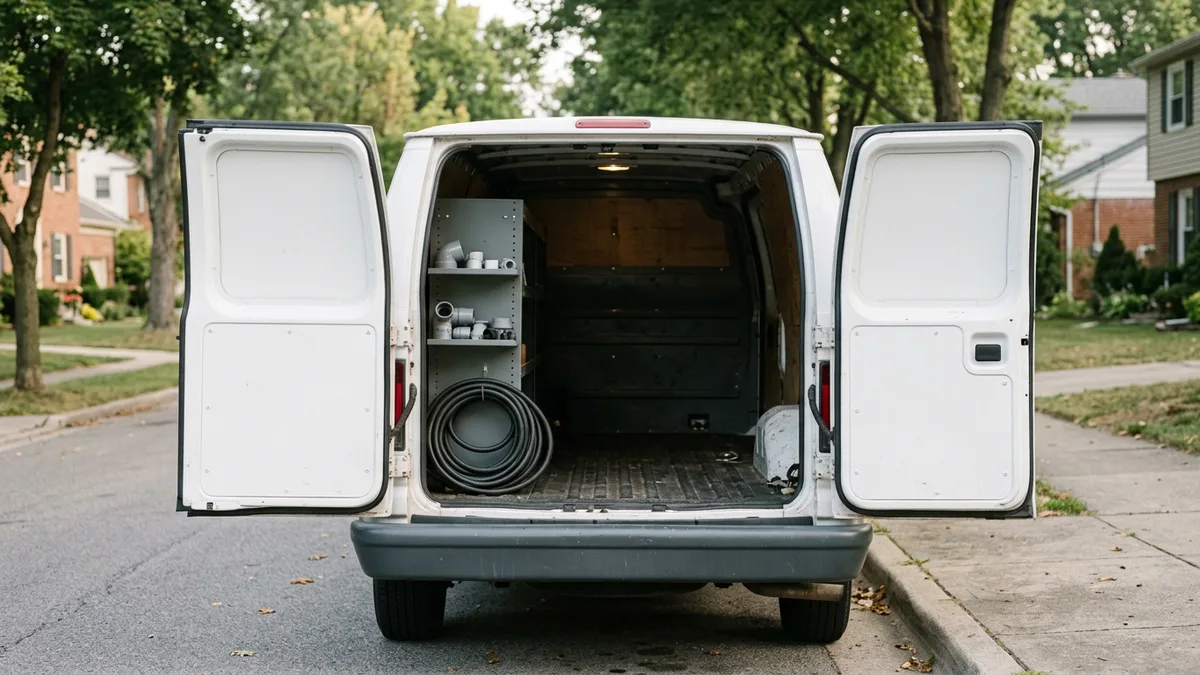
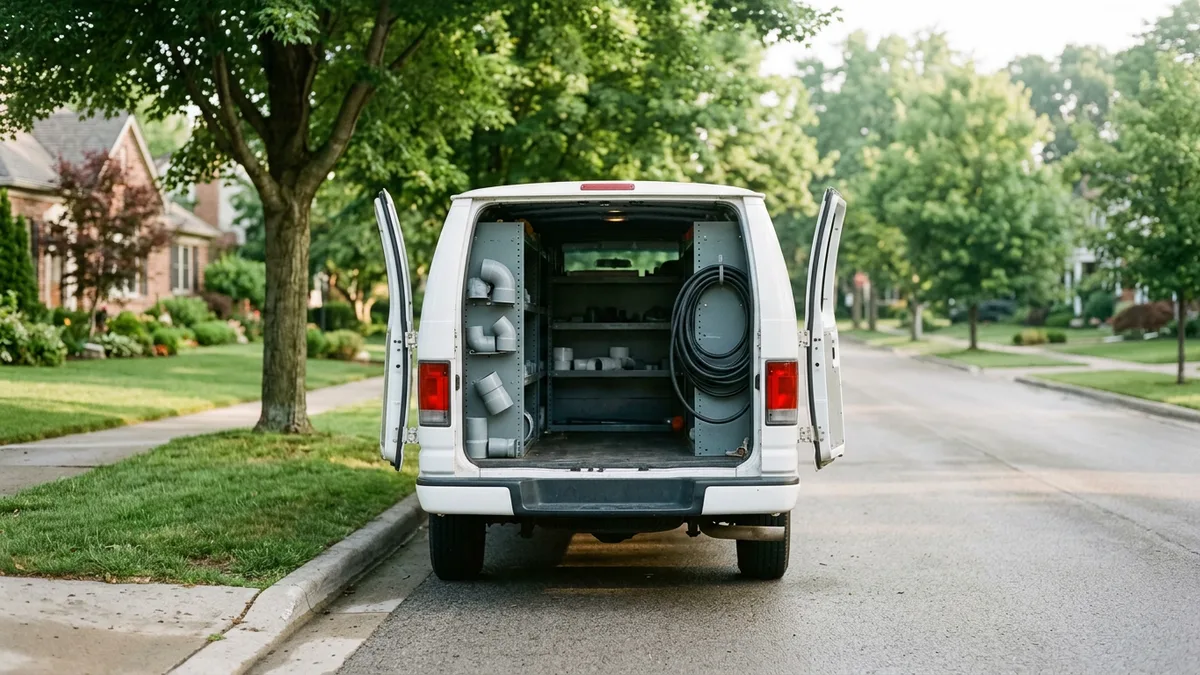
The van is the shop, and it’s titled. Under UCC Section 9-311, a lender’s claim on it is shown on the title, not in a UCC-1. The shelving and racks often come on a separate invoice.
2
The camera goes in
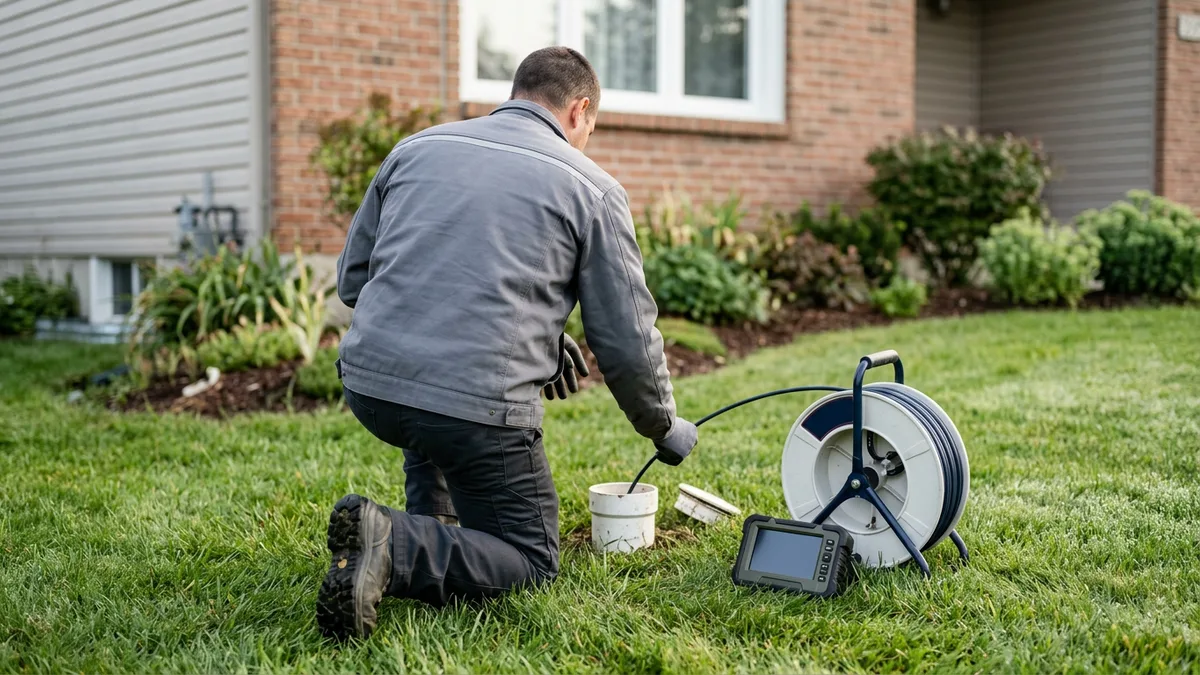
A push camera, a crawler and a pipe locator are electronics. Screens and software change faster than steel does. That argues for a shorter term, or a lease you could trade up. Price both.
3
The jetter clears it
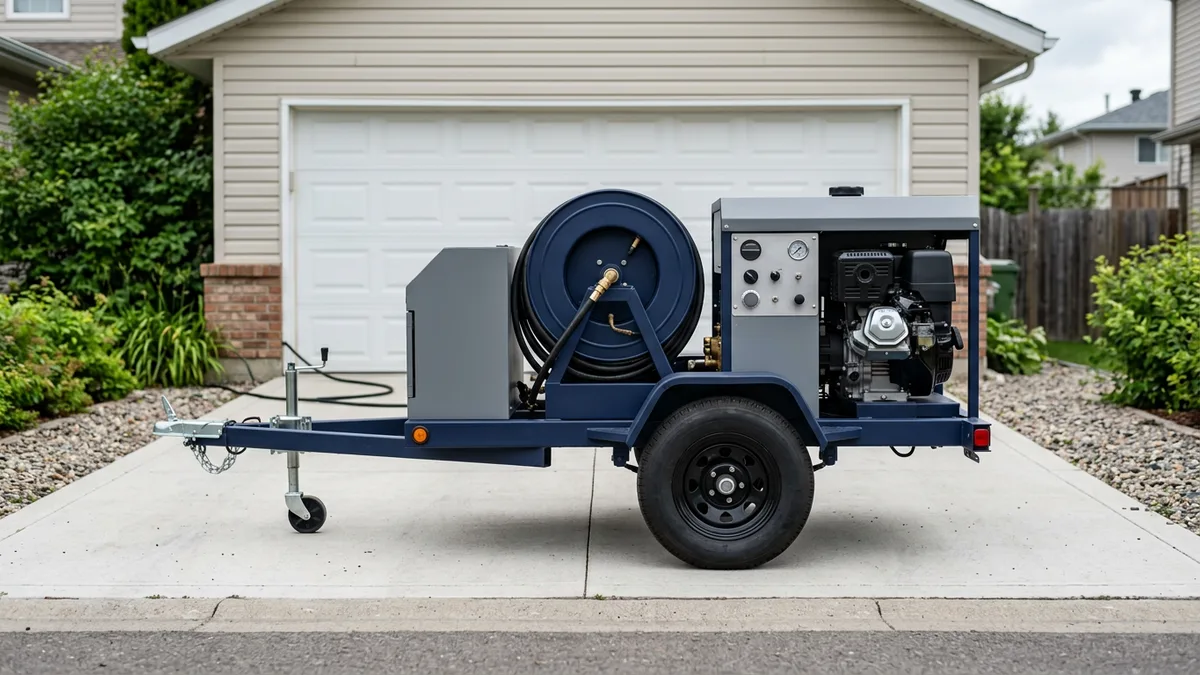
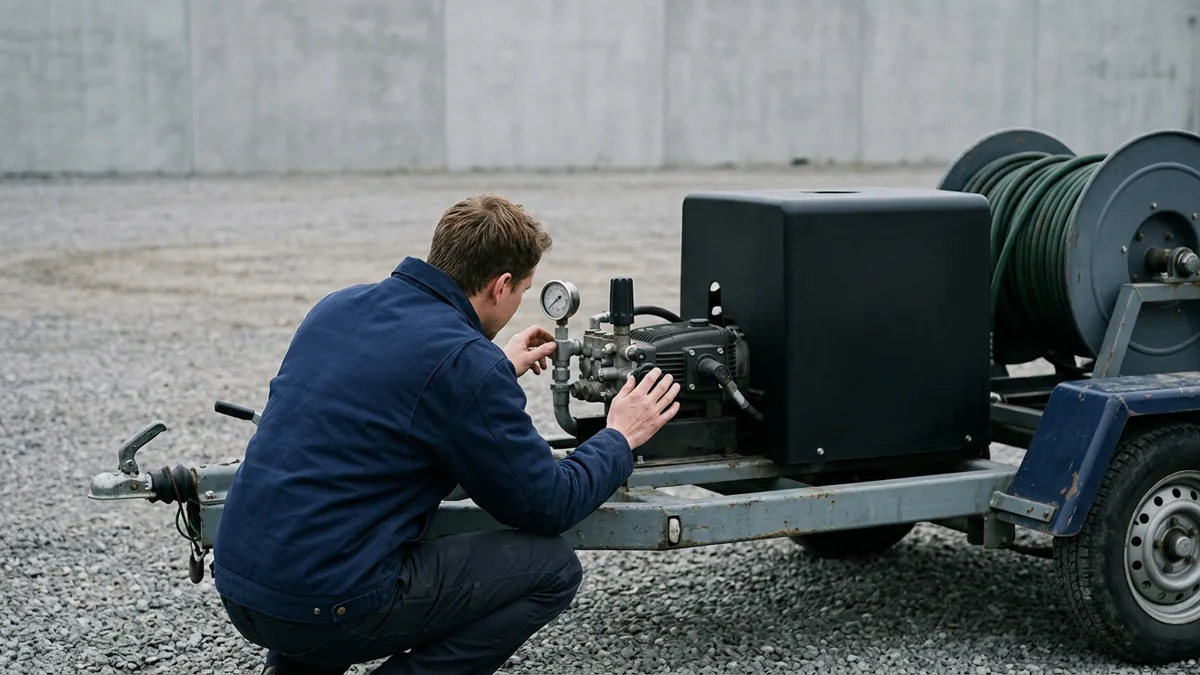
A hydro-jetter is a pump, an engine and a hose reel on a trailer or a truck. It can last for years. Pump and engine hours say more than the calendar does, and a loan or an equipment finance agreement tends to suit a machine you’ll run that long, while a lease suits one you’d trade.
4
The excavator digs in
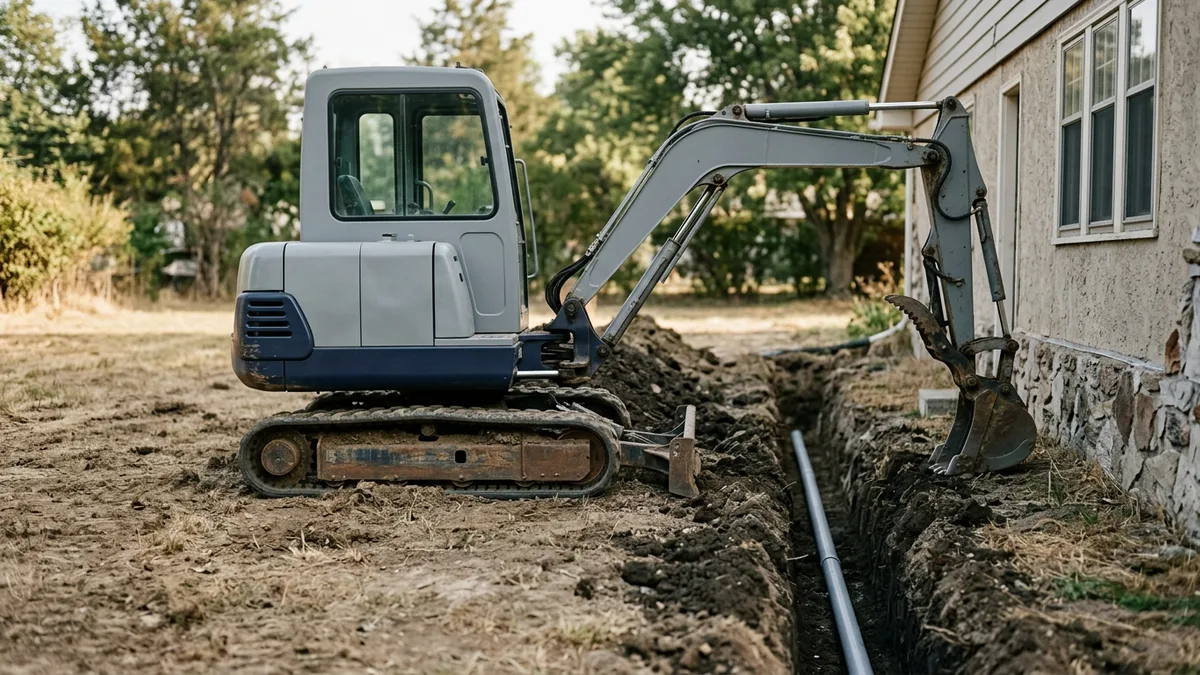
When a line has collapsed, someone has to dig. Owning a mini excavator for line work is one answer. Renting or subcontracting is another. Mini excavator financing covers the owning side.
Hydro-jetters and sewer cameras: lease, loan or lease to own?
Hydro-jetter financing pays for a jetter over time through a loan, an equipment finance agreement or a lease. With a loan or an agreement, the business owns the machine and the lender holds a security interest. With a true lease, the lessor owns it during the term, and the business returns it, renews or buys it.
A camera is a different animal. Its screen, software and cable can feel dated in a few years while the reel still works. A fair market value lease, which prices the buyout at the unit’s worth at that point, fits that better than a $1 buyout, which suits a business that means to keep the camera for good. Same camera, different paper.
Ask before you sign any lease
Want the detail? Read about the fair market value lease, then operating lease versus finance lease.
Plumbing equipment financing, item by item
| Equipment | What ages it | Structure worth pricing first |
|---|---|---|
| Service van and upfit | Miles, body wear and the shelving bolted in | A loan or an equipment finance agreement, with the upfit itemized |
| Trailer or truck-mounted jetter | Pump and engine hours, hoses and nozzles | A loan, or a $1 buyout lease if you’ll run it for years |
| Sewer camera and locator | Screens, software and cable | A short true lease, or a fair market value lease if you’d upgrade |
| Drain machines and cable | Drums, cables and cutters wear out | Often bought outright, or one line in a larger package |
| Mini excavator and trailer | Hours, undercarriage and attachments | A loan, or a fair market value lease if the work comes in bursts |
| Pressure-testing gear and hand tools | Calibration and everyday wear | Often cash, or one line on a bigger quote |
Use the right-hand column as a first guess, not a verdict. Get two prices. A shop that keeps a camera for a decade shouldn’t sign the same paper as one that upgrades every other season. Our guide to leasing versus buying equipment walks through the decision.
Used plumbing equipment financing: what to check first
Shops upgrade and fleets turn over, so used vans and jetters aren’t hard to find. Some are bargains. Others are somebody else’s repair bill. With no current price list to measure against, a lender leans harder on age, condition and resale value, which is why the checklist below matters more than the asking price.
Run the pump first. Our guide to used equipment financing goes further on older units.
Adding a line: a first truck, a second van or line repair
The same camera is a different purchase depending on why you’re buying it.
A mini excavator brings heavy-equipment capability at a lower cost than a full-size machine, for a narrower job, which is the whole appeal for a small contractor who needs to open a trench a few times a year and not run a crew of operators. That makes it an easier machine to justify when line work is a sideline.
Banks and the SBA are worth a look too. A 7(a) loan can fund machinery and equipment, up to the program’s $5 million maximum. It also asks for a solid plan, good credit and patience.
What the labor numbers say about the trade
510,600
plumbers, pipefitters and steamfitters employed in the United States in 2025
Source: Bureau of Labor Statistics, Occupational Outlook Handbook
7%
projected employment growth from 2025 to 2035, which the agency calls much faster than average
Source: Bureau of Labor Statistics, 2025 to 2035 projections
About 42,000
openings projected each year, on average, over the decade
Source: Bureau of Labor Statistics, page updated October 2026
Settle these before you sign
Related guides
What plumbing contractors ask before they sign
Can you finance a service van and its upfit together?
Sometimes, depending on the lender and on how the invoices are written. A van and its shelving, racks and inverter may come from two different sellers, and two invoices don’t always fit one request, so a lender may need to see both before it can price the whole package. Raise it early. Our guide to commercial vehicle financing goes further on upfits.
Is it better to lease or buy a hydro-jetter?
The better question is how long you’d run it before wanting a newer one. A pump and engine on a trailer can run for years, which tends to favor a loan or an equipment finance agreement, while a camera or locator whose screens and software date quickly often suits a shorter lease. Plenty of shops do both.
Do I need a CDL to tow a trailer-mounted jetter?
Usually not, because a Class A license applies when the combined weight rating hits 26,001 pounds and the towed unit is rated above 10,000 pounds. Both conditions must hold. A van and a light trailer rarely get there, but add up the ratings on your actual rig before you tow it, and check your state’s rules and 49 CFR 383.91, since some states add their own.
What do lenders look at when you finance sewer camera equipment?
Four things carry most of the weight: cash flow, time operating, the owner’s experience and the equipment itself. Every lender weighs them differently. A camera is small and easy to move, so some lean on the owner’s record more than on resale value, and a lender that can’t count on reselling it quickly will want to see how the business actually earns. Get the quote itemized, with the monitor and any software license on their own lines.
Is a mini excavator worth buying for line work?
A mini excavator makes sense for a shop that keeps turning down line repairs, less so for one that digs twice a year. Count the jobs you’d run. Then price owning against renting by the week and against subcontracting, and add the trailer, the attachments and the truck that tows it. Our guide to mini excavator financing covers the owning side.
What do you need to apply for plumbing equipment financing?
Start with an itemized quote and a short profile of the business. Lenders often add bank statements on a larger request, plus serial numbers and titles on a used van or jetter, and a few ask for a certificate of insurance naming them on the equipment. If your state licenses plumbing contractors, have the license number ready. Details vary by lender.
Does Section 179 apply to plumbing equipment?
It can, and the limits are set by tax year. Under the 2025 edition of IRS Publication 946, the 2026 maximum is $2,560,000, and it phases down once qualifying purchases pass $4,090,000, which is why a big purchase year can change the math. Vans and trucks follow their own weight rules, so read our Section 179 vehicles guide before you count one. Consult your tax advisor before choosing a structure for tax reasons.
Got a quote for the next van or jetter? Start there.
Leave your details and we’ll talk through what you’re buying and when you need it, or start your application online instead.