
Last updated: November 2, 2026
Semi-Truck Financing for Owner-Operators and Fleets: New and Used Trucks
What shapes a tractor deal, new or used, from a dealer or a private seller.
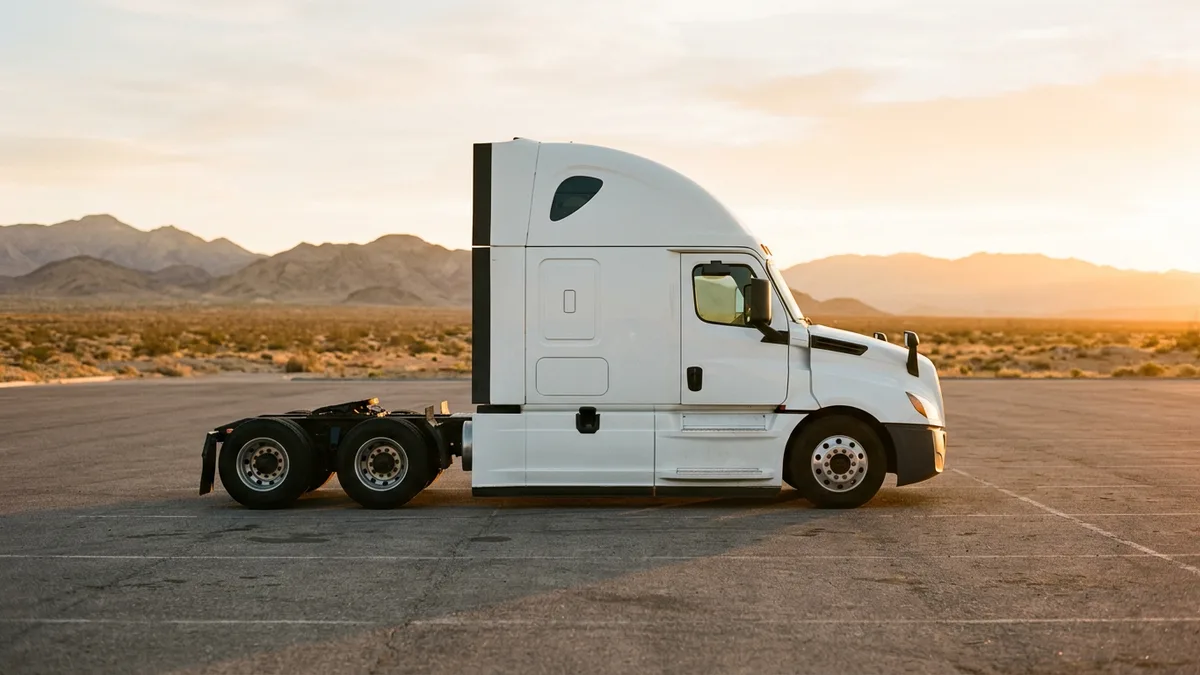
Semi-truck financing lets an owner-operator or fleet pay for a new or used tractor over time through a loan, equipment finance agreement or lease, with the truck’s age, miles and seller weighing on the deal.
A driver buying a first tractor and a ten-truck fleet adding an eleventh end up with the same three questions. What’s the truck worth? Who’s selling it? And what keeps it earning once it’s yours?
This page sits under our commercial equipment financing guide and stays with over-the-road tractors. For box and vocational trucks, start with commercial truck financing instead. Thinking about a lease? Semi truck leasing goes deep on TRAC and lease-purchase deals.
How semi-truck financing works
Semi-truck financing is a loan, equipment finance agreement or lease used to buy or run a Class 8 tractor. A lender or lessor pays the seller, your business makes scheduled payments over an agreed term, and the tractor itself backs the deal.
Who owns the truck depends on the paper. With a loan or an equipment finance agreement, you do, and the lender’s lien comes off once it’s paid, but with a lease the lessor holds ownership during the term and the contract decides what happens at the end. Two very different things.
A Freightliner Cascadia, a Kenworth T680, an International LT and a Mack Anthem all go through the same process, day cab or sleeper. Age and condition move it. Badges don’t.
Used semi truck financing starts with the tractor’s history
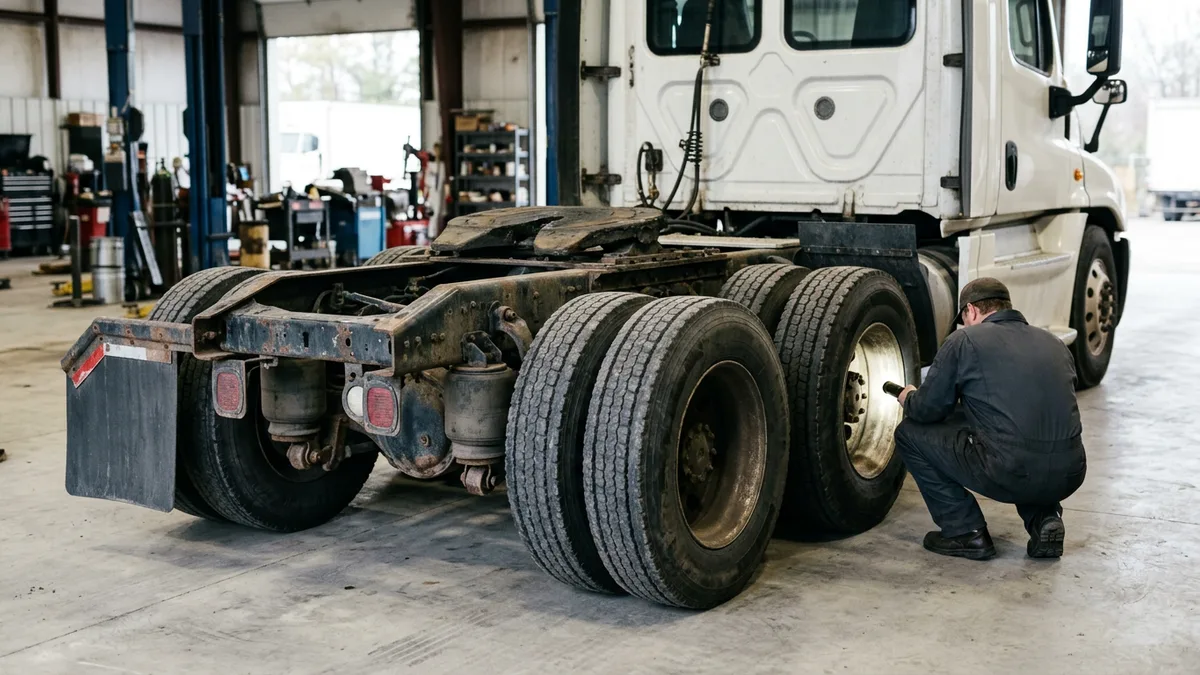
Every lender draws its own lines on age and miles, and those lines move. Ask for them before you pay a deposit. An odometer is only the start, because a lender (and whoever you hire to inspect the truck) wants to see what those miles did to the engine, the frame and the aftertreatment system.
What to pull before you commit
Then pay a shop with no stake in the sale to check the frame, brakes, tires and fifth wheel. A documented truck with more miles can read better than a low-mile one with no file. Not always. But records give a lender something to go on besides the odometer, and our used equipment financing page walks through the same logic on other machines.
New or used semi truck: how the deal changes
Neither one wins by default. New buys certainty, and used buys a lower sticker with more homework attached. See how much a semi truck costs for asking prices by model and cab.
| What changes | New tractor | Used tractor |
|---|---|---|
| How value gets set | The build sheet and the dealer invoice | Comparable sales, condition and sometimes an appraisal |
| Warranty | Factory coverage, as the maker writes it | Whatever’s left, or what the seller puts in writing |
| Who tends to lend | Captive finance arms, banks and equipment lenders | Banks, independent lenders and lessors, each with its own limits |
| Engine and lanes | Built to the current engine standard | The engine’s year can limit where it runs, California above all |
| Who’s selling | A dealer | A dealer, an auction or a private owner |
| What the file leans on | The price and the business | The records, the inspection and the business |
Owner-operator or fleet: what a lender looks at first
Running one truck
A single-truck file is mostly about you: your CDL history, your time behind the wheel, your credit and how you’ll get freight. That last part splits two ways. Hauling under your own authority means registering as a motor carrier under 49 USC 13901, while leasing on to a carrier means a written agreement under 49 CFR 376.12, and each one tells a lender a different story about where the revenue comes from.
Adding to a fleet
A fleet has history to show. Expect to bring tax returns, bank statements and a debt schedule listing the trucks already on paper, plus the contracts or lanes that explain why one more tractor should earn its keep when freight softens. Will the new payment fit beside the old ones? That’s the question.
Buying your first truck
No business history yet? Lenders reviewing a newer business tend to look harder at the driving record, the owner’s personal credit and the truck, and each one draws that line its own way. Our startup equipment financing guide explains that review, and equipment financing with imperfect credit covers the credit side. Starting a carrier from scratch? Read how to start a trucking company.
What to gather, and how the seller changes it
Lists differ by lender. This one’s a fair starting point.
| Where the tractor comes from | What you’ll usually get | What to confirm before money moves |
|---|---|---|
| A dealer | A bill of sale, the title or a title application, and any reconditioning notes | The VIN on the quote matches the title |
| An auction | The title, sometimes only after the sale, and an inspection report if one’s offered | That your lender reviews auction purchases, before you bid |
| A private owner | A signed title, a bill of sale and the stamped Schedule 1 from Form 2290 | The seller’s name is on the title, and any old lien is released |
| Your own dealer loan | A payoff letter, the loan agreement and a copy of the title | Prepayment terms, and the date the payoff figure is good through |
That Schedule 1 line trips up private sales. The IRS instructions for Form 2290 tell a buyer to confirm the seller paid the highway use tax for the current period, and states generally want proof of payment before they’ll register a taxable truck, though a recent bill of sale can stand in for a while.
A refinance has no seller at all. The new lender pays off the old one and the lien on the title changes hands under UCC section 9-311 and your state’s title law, so what matters is what you still owe and what the tractor’s worth today. Equipment refinancing has the general steps, and commercial truck refinance has them for a truck.
Three numbers behind every tractor payment
$2.336
Industry-average cost per mile to operate a truck in 2025
Source: American Transportation Research Institute, Operational Costs of Trucking, 2026
$750,000
Public liability coverage the federal schedule sets for for-hire interstate general freight
Source: 49 CFR 387.9, Cornell Legal Information Institute (checked November 2026)
55,000
Pounds of taxable gross weight where Form 2290’s highway use tax starts
A lender sees the payment. You’ve got to see the whole cost per mile, so run your own lanes and loads against it before you sign.
Four costs semi-truck financing doesn’t cover
More on tractors, trailers and truck paperwork
What owner-operators ask about semi-truck financing
So how do you actually get semi truck financing?
Start with the truck, not the lender. Get a quote with the VIN, year, make, model and miles, line up an insurance quote, then pull together your CDL, bank statements, any tax returns and the formation papers if a company’s buying. Lenders read the whole file, so a missing VIN or a stale quote holds it up. Apply once that’s ready.
How much do you need down on a semi truck?
Nobody can honestly give you one number, because each lender sets it from the tractor, the structure and the business behind it. Older trucks and newer businesses can push the ask up, and a lease handles money up front differently from a loan. Get the requirement in writing, along with the total cost over the term.
How old can a used semi truck be and still get financed?
Short answer: lenders set their own limits on age and miles, so there’s no industry cutoff. Some publish them. Many don’t. Ask before you pay a deposit, and bring the service records along, because a documented high-mile truck can read better than its odometer suggests.
Can you finance a semi truck from a private seller?
A private sale comes down to paperwork, and to whether your lender reviews private sales at all. Expect to need a title in the seller’s own name, any old lien released, a bill of sale and a VIN that matches the truck. Some lenders won’t look at one. So ask first.
What do lenders look for from a first-time owner-operator?
Three things usually carry it: driving history, personal credit and how the truck will get loads. Say you’ve driven for a carrier for years and you’ve got a dedicated lane lined up. That’s a story a lender can read, even with no company behind it yet. Nobody can promise how it lands, though.
Is it better to lease or finance a semi truck?
Flip it around and ask how long this tractor stays in your fleet. Plan to wear it out? A loan or an equipment finance agreement usually fits that. Trading in every few years leans toward a lease, and the two get taxed differently, so consult your tax advisor on that side of it.
Can I refinance a truck loan I took through the dealer?
Refinancing swaps that dealer loan for a new one, with the new lender paying off the old one and the lien on the title moving over. Would it help? Look at what you still owe, what the tractor would bring today and whether the dealer contract charges for paying early, then add up the whole cost, because a smaller monthly figure over more months can run you more.
Picked out a tractor yet?
Tell us what you’re looking at and how you’ll run it. A Paramount Financial specialist picks it up from there, or you can start the credit application yourself.