
Last updated: November 2, 2026
Food Truck Financing for New and Used Trucks and Their Kitchens
Compare loans and leases for the truck and its kitchen, whether it’s new, used or custom-built.
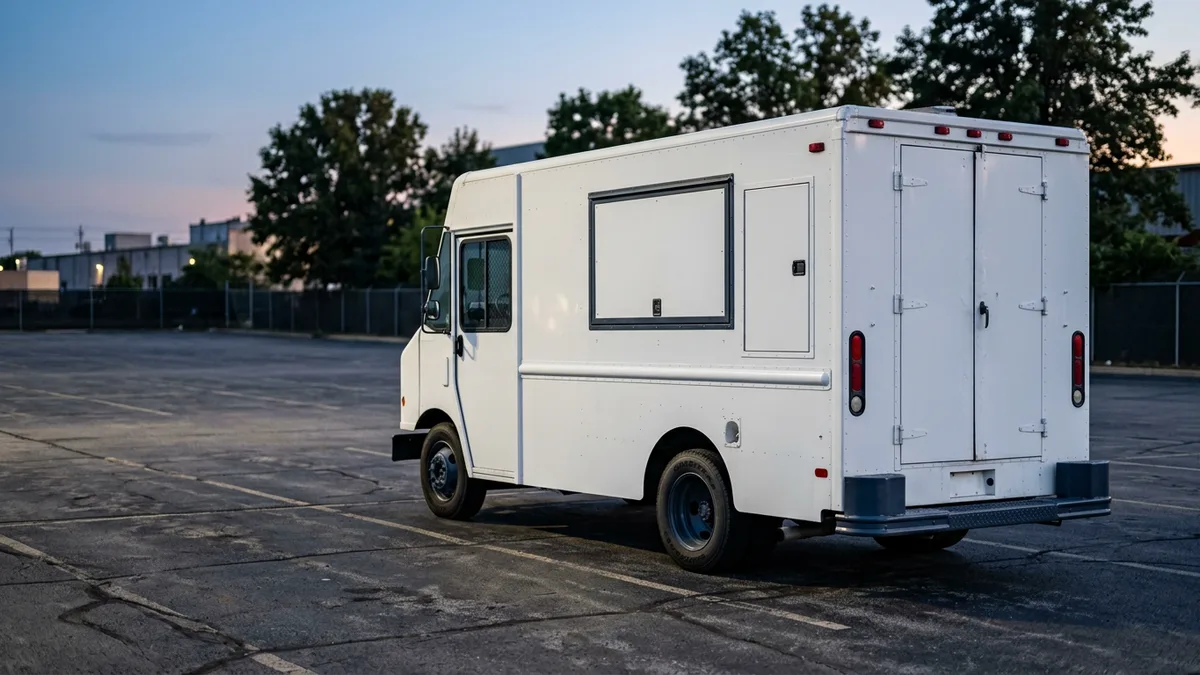
Food truck financing pays for a titled vehicle and the kitchen built into it, through a loan, an equipment finance agreement or a lease. Who owns the truck during the term depends on which one you pick.
Nobody really buys one food truck. You’re buying a step van that has to pass on the road and a commercial kitchen that has to pass with the health and fire inspectors, then paying for both on a single invoice. This page sits under our guide to commercial equipment financing and covers what changes when the equipment drives away at night.
Paramount Financial offers true equipment leases, including operating leases, not only loans. So leases get the same airtime here, and buying used gets as much room as buying new. Rather have a conversation? Talk to Paramount Financial’s team.
Food truck financing covers two machines, not one
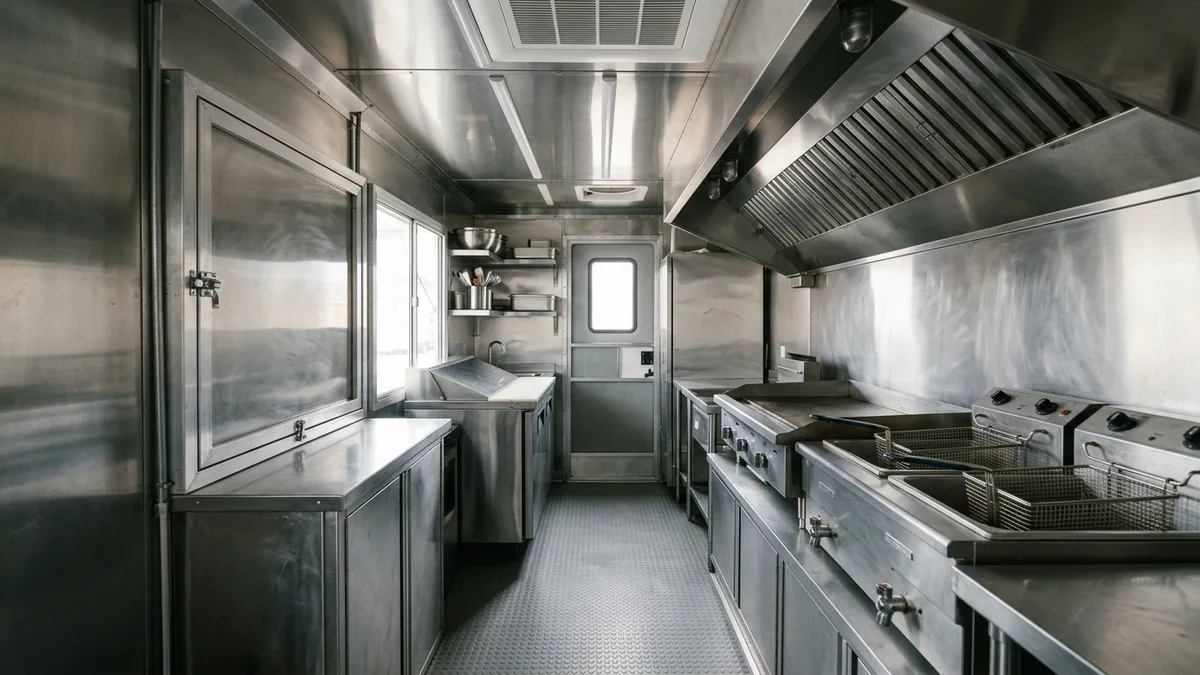
Food truck financing is a loan, equipment finance agreement or lease that pays for a mobile food vehicle and its cooking equipment, with that equipment usually serving as the collateral. The van is a titled motor vehicle. The fryers, hood, refrigeration and generator inside it are business equipment.
It sounds like a technicality. It isn’t. A lien on a titled vehicle goes on the certificate of title, not in a financing statement, under UCC Section 9-311.
Now add a kitchen later. Equipment bolted into something bigger is what the code calls an accession, and under UCC Section 9-335 a separate lender’s claim on it generally ranks behind a lien noted on the title. So if one company holds the truck and another holds the line, ask who comes first. Before you sign, not after.
The truck and the kitchen, side by side
| Compare | The truck | The kitchen |
|---|---|---|
| What it is | A step van or box truck, often on a chassis such as a Ford F-59 or Freightliner MT45 | Type 1 hood, griddle, fryers, reach-ins, generator, propane system |
| Where the lien shows up | The state’s certificate of title | The title, if it’s financed as part of the truck; a UCC filing, if it isn’t |
| What ages it | Miles, idle hours, rust | Grease, road vibration, code changes |
| Who checks it | The state’s vehicle rules and your insurer | The health department and the fire marshal |
| Worth pricing first | A loan or finance agreement if you’d run it for years; a lease if you wouldn’t | Usually the same deal as the truck; a separate deal needs the title question answered |
Treat that bottom row as a place to begin, since a truck parked at one brewery five nights a week and a truck working a county-fair circuit will wear out on very different schedules even with the same griddle. Don’t need an engine at all? A food trailer drops the chassis and adds a tow vehicle, and business trailer financing works differently.
New or custom-built: who holds the money during the build?
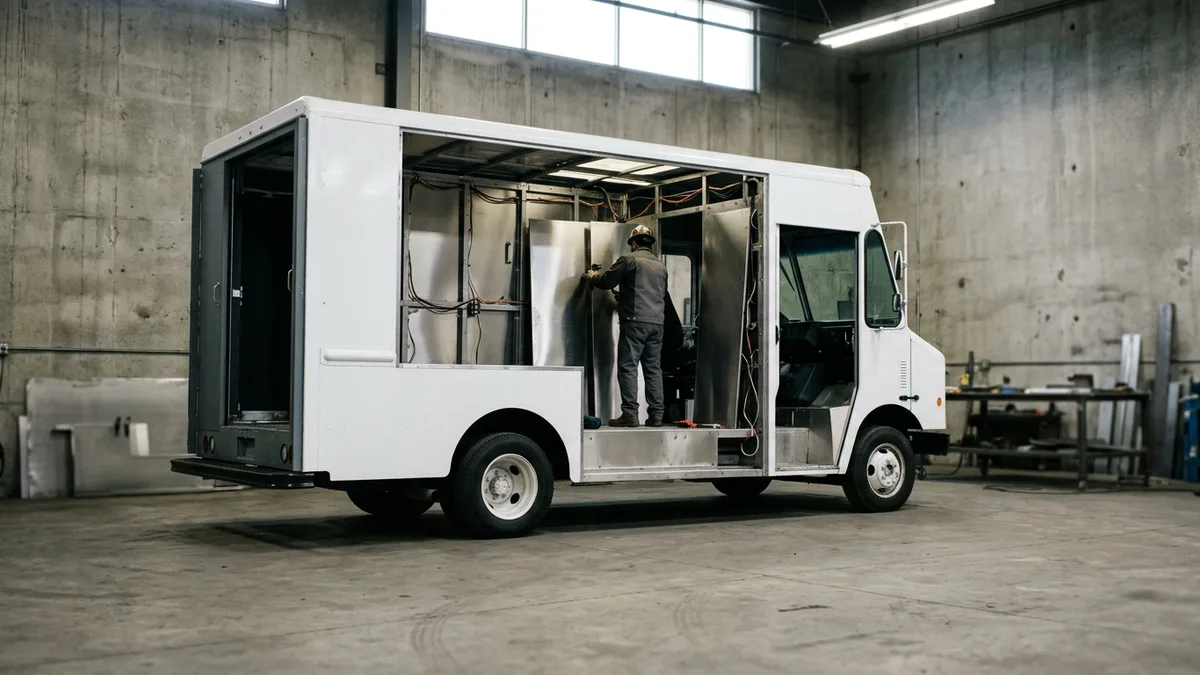
A custom truck doesn’t exist when you sign. That’s the whole problem. Many builders want a deposit and progress payments while the chassis sits in their shop, and a lender usually wants something real to put a lien on, so the two calendars can pull against each other for months if nobody lines them up early.
Get these from the builder in writing
Then call your health department. Albuquerque’s mobile food guide asks operators to bring in the menu and layout drawing before they buy, remodel or build. Your county may want the same. Better to hear it first.
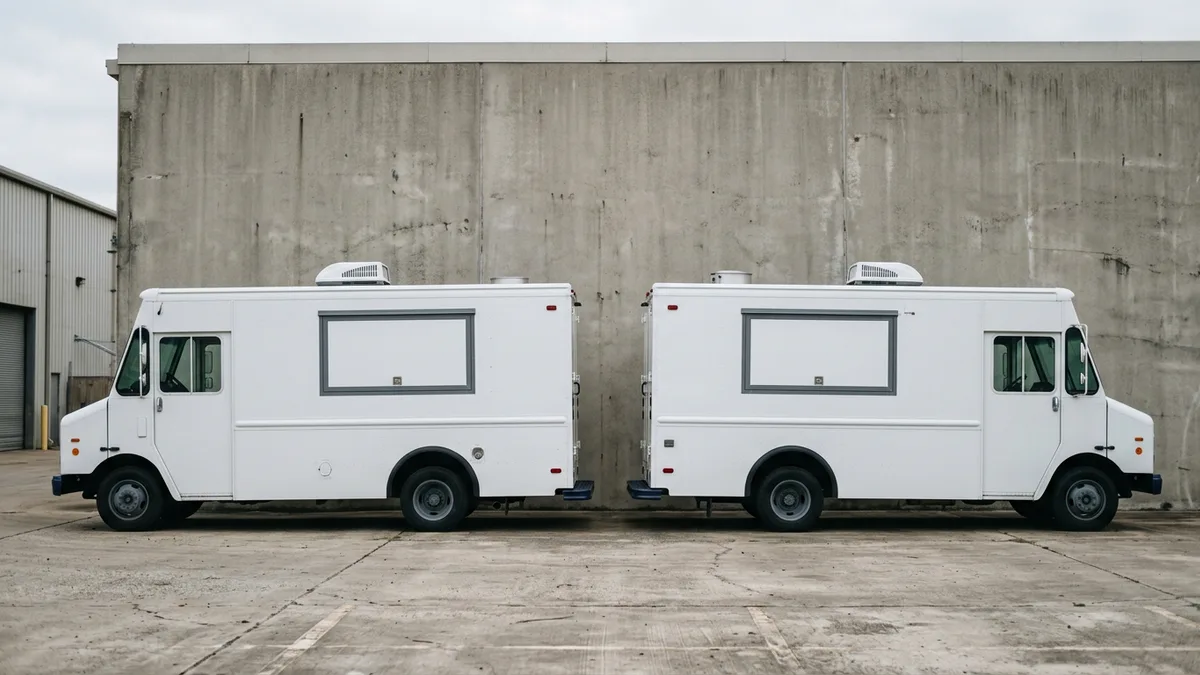
Food truck leasing means three different deals
Same word. Search it and you’ll see all three of these sold as a lease, which is why it pays to ask which one’s on the table.
Start from a simple rule. Ten years on one concept? Own it. For two seasons testing a market, price a lease or a rental first, then read leasing versus buying equipment before you choose.
Trucks add a wrinkle. You’ll want to change things, and on a true lease a new fryer or hood you bolt in may not be yours to take out, so ask what you’re allowed to modify and who owns the change.
Used food truck financing, including private sales
The Census Bureau counted 5,970 food truck establishments in 2018, nearly double the 3,281 it found in 2013. Old numbers. Still, trucks that started in that run have to go somewhere, and a lot of them get sold by the person who cooked in them.
That can be a bargain. It can also be someone else’s unfinished plan with a grease problem. Buy from an owner and you take on paperwork a dealer would otherwise handle, from chasing the old lienholder for a release to making sure the kitchen you paid for actually appears on the bill of sale.
The last owner’s permit stays with the last owner. The FDA Food Code is a model that states adopt, and Washington’s version says plainly that a permit may not pass from one person to another. Expect your inspector to look at the truck fresh. Lenders draw their own lines on age, miles and seller as well, and our guide to used equipment financing goes further.
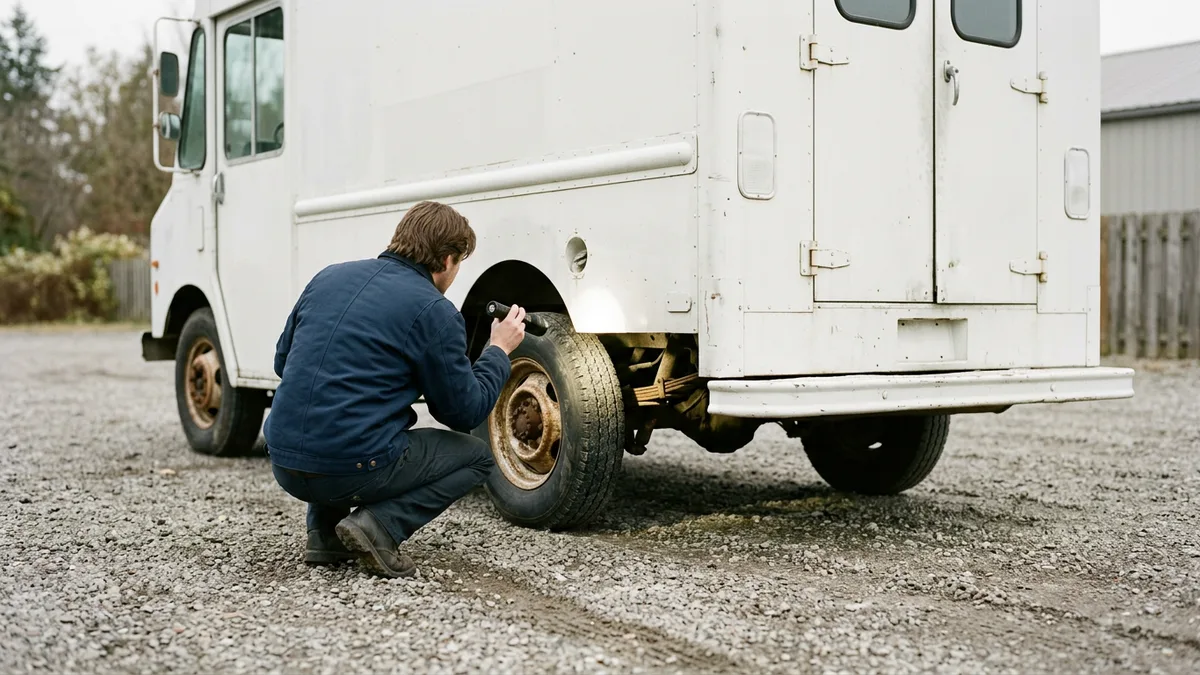
Walk a used food truck front to back
Bring a flashlight and an hour. Five stops, in this order.
1
Cab and chassis
Start it cold. Match the VIN on the door to the title, then look under for frame rust.
2
Roof and box
Vents and the service window leak first. Stains on the ceiling tell you when.
3
Hood and fire system
Find the service tag. Albuquerque wants hood suppression serviced every six months, so an old date says plenty.
Source: City of Albuquerque
4
Gas and generator
Ask for pressure-test records on modified piping. Generator exhaust belongs at least 12 feet from openings and air intakes.
Source: NFPA fact sheet, 2024
5
Water and cold
Run every sink. Fill the tanks. Leave a thermometer in each reach-in while you talk.
What to line up before you apply
What else shapes a food truck decision
Food truck financing questions worth asking first
How hard is it to get financing for a food truck?
Three things tend to decide it: the operator’s experience, the cash flow behind the truck and what the truck would bring on resale. A first truck gets a harder look, since there’s no sales history to read. Bring a menu, a route and real numbers. Then ask each lender what it weighs, because they don’t all weigh the same things.
Can you finance a used food truck?
Lenders do finance used food trucks, though age, miles, condition and the seller all get more attention than on a new build. A private sale adds title and lien paperwork. Older kitchens raise code questions too.
Can you lease a food truck instead of buying one?
Short answer: you can, but “lease” might mean a true lease, a lease to own or a plain rental. They end differently. In a true lease you hand back, renew or buy at the end of the term, and in a lease to own you were effectively buying it all along. A rental from another operator is usually month to month and carries none of that structure, so read who’s responsible for insurance, permits and repairs before you take the keys.
What’s the down payment on a food truck?
The better question is what the lender sees at risk, because no single figure applies across lenders. A custom build with no finished truck, an older unit or a newer business can each change the ask. Get it in writing. Then compare the whole deal.
Can the kitchen equipment be financed with the truck?
A finished truck usually travels as one package, kitchen included, because the equipment’s bolted in and sold with it. Adding gear later is different. A second lender’s claim on that gear can rank behind the lien on the title, so tell both sides what you’re planning.
Would an SBA loan make more sense?
Maybe, and it’s fair to look. An SBA microloan tops out at $50,000, with an average near $13,000 and up to seven years to repay, while a 7(a) loan can reach $5 million and covers machinery and equipment. Because the government backs them, they can be among the more competitive ways to borrow. They also take good credit, a solid plan and time, with no guarantee, so weigh that against the date the truck has to roll.
Does Section 179 apply to a food truck?
It can, within limits that change by tax year. For tax years beginning in 2026, IRS Revenue Procedure 2025-32 puts the maximum at $2,560,000, reduced once qualifying property placed in service tops $4,090,000. A leased truck you don’t effectively own generally isn’t yours to depreciate. Consult your tax advisor before you pick a structure for tax reasons.
Found a truck? Start with its spec sheet.
Leave your details and we’ll talk through the truck, the kitchen and the date you want to start serving, or start your application online instead.