
Last updated: November 4, 2026
Vending Machine Financing for Route Operators
Compare loans and true leases for snack, drink, coffee and fresh-food machines, from one unit to a route.
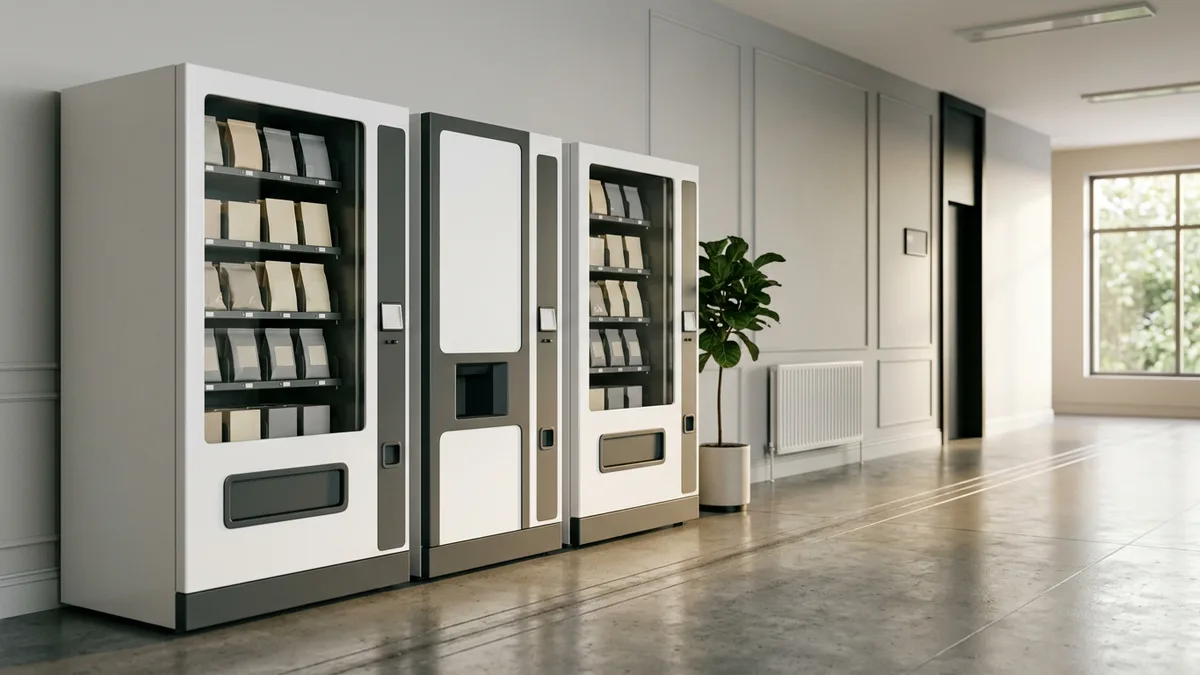
Vending machine financing pays for machines, card readers and a service vehicle over time through a loan or a lease. With a true lease, the lessor owns the machines during the term, and you return, renew or buy them.
A route isn’t one machine. It’s a dozen cabinets in a dozen buildings, plus a van and the stock on the shelves, and each piece ages and gets secured differently. This page sits under our guide to commercial equipment financing and goes deeper on vending.
Paramount Financial offers true equipment leases, including operating leases, not only loans. Rather talk it through first? Talk to Paramount Financial’s team.
How vending machine financing works for a route
Vending machine financing is a loan, an equipment finance agreement or a lease that pays for machines over time. With a loan or an agreement, the business owns the machines and the lender holds a security interest. With a true lease, the lessor owns them during the term, and the business returns, renews or buys them.
Many routes run on location agreements. A building hosts the machine, and the operator pays a commission or a flat fee, depending on the deal. Those agreements end. A finance term that outlasts the contract behind a machine leaves you paying for a cabinet that may be sitting in the garage.
The machines
Snack, drink and combo cabinets, coffee machines and refrigerated fresh-food units. Steel lasts. The cooling system and the dispensing parts tend to wear first.
The payment gear
Card readers and telemetry modules are electronics, and electronics date faster than steel. Ask whether they ride in the machine’s request or sit on a line of their own.
The service vehicle
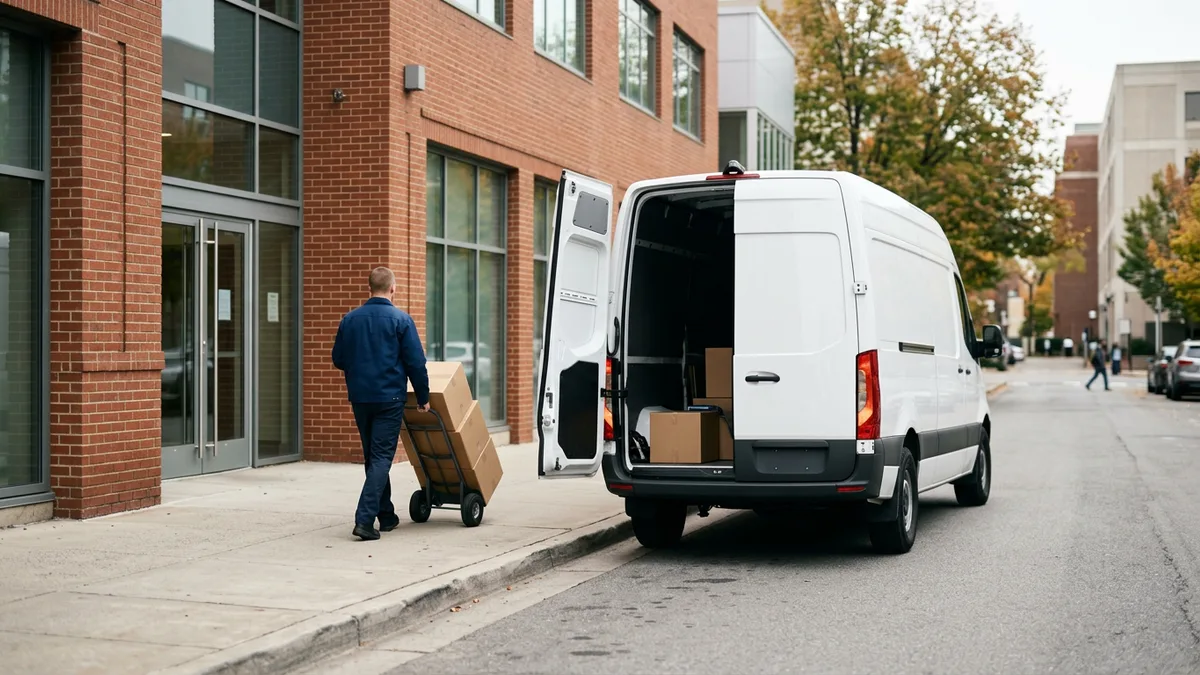
A van or a box truck is titled, and it ages on miles, not on sales. It needs its own structure.
The stock
Product on the shelf is working capital, not equipment. Different money. See working capital.
Vending machine financing: lease, loan or lease to own?
A cabinet is steel, a compressor and a coin mechanism. Looked after, it can serve a route for a long time, which points toward a loan, an equipment finance agreement or a $1 buyout lease, where the goal is to end up owning it. Ownership is the point.
The card reader plays by other rules. Its modem, software and data plan can feel dated while the cabinet still works. A fair market value lease, which prices the buyout at what the unit is worth at that point, can fit that better than a $1 buyout, which suits a business that means to keep the equipment for good. Two kinds of paper.
Questions for the lessor
The fair market value lease page goes deeper on buyouts, and operating lease versus finance lease explains how the two types differ.
Vending equipment, item by item
| Equipment | What ages it | Structure worth pricing first |
|---|---|---|
| Snack and drink machine | Cabinet wear, bill validators and coin mechanisms | A loan, or a $1 buyout lease if you’ll run it for years |
| Coffee machine | Brewer parts, water lines and descaling | A short true lease, or a loan if it stays put |
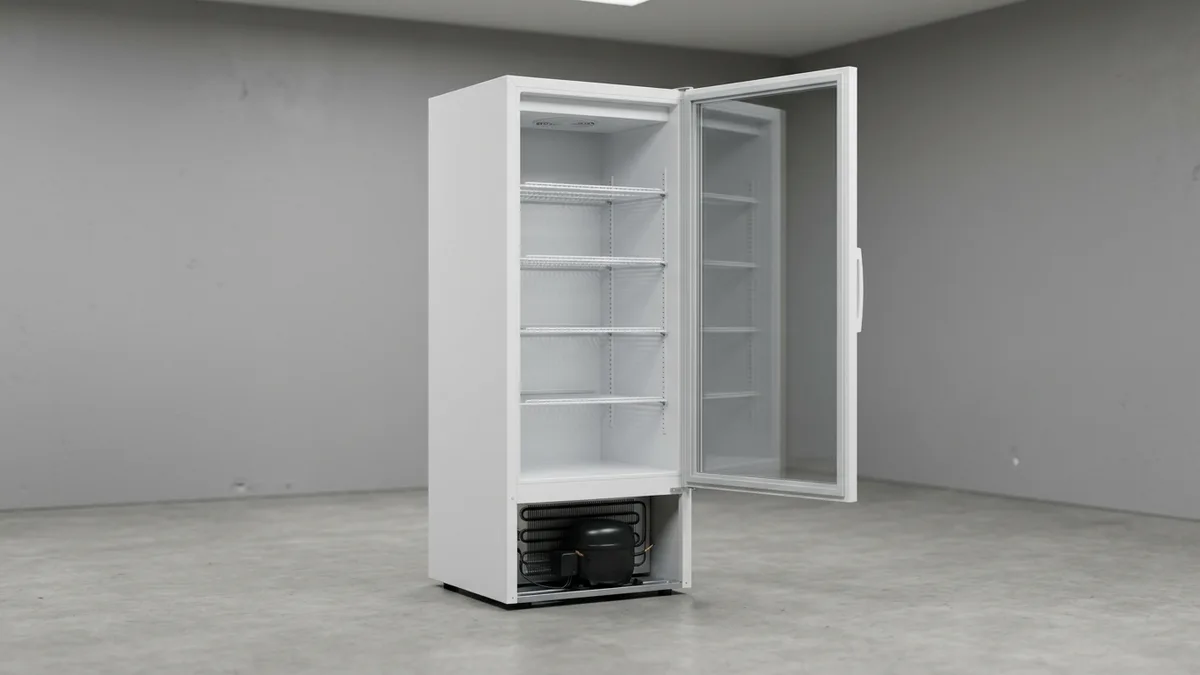
| Fresh-food machine or smart cooler | Refrigeration and door seals | A loan, or a fair market value lease if you’d upgrade the cooling |
| Micro market kiosk and shelving | Self-checkout screens and the shelving fit-out | A loan or an agreement, with the fit-out itemized |
| Card reader and telemetry | Modems, software and mobile data plans | A short true lease, or one line on the machine quote |
| Service van or box truck | Miles, body wear and the shelving bolted in | A loan or an equipment finance agreement, as its own structure |
Treat the right-hand column as a starting point for the quote conversation. Ask for two structures. Compare the totals, not only the payments. Our guide to leasing versus buying equipment goes through the trade-offs.
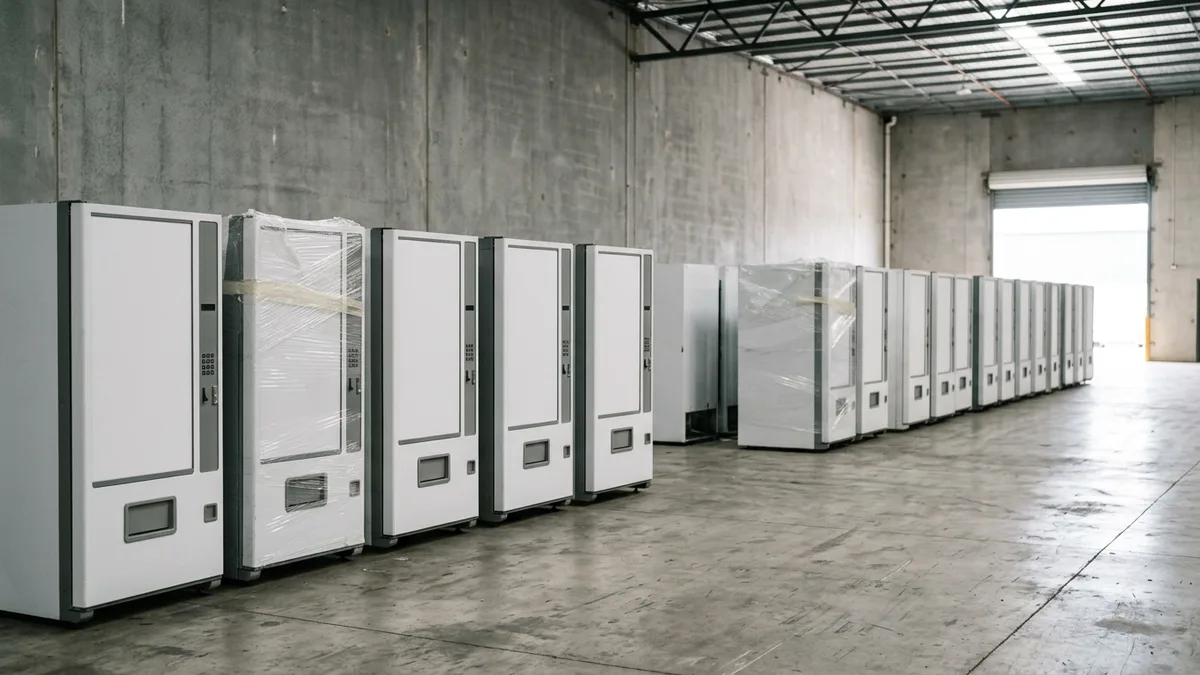
Used vending machine financing and route purchases: what to check first
Used and refurbished cabinets are easy to find. A refurbisher, an operator closing out a route and an auction house all sell them, and each hands over different paperwork. Some are sound. Others come with a compressor that quit last season.
Buying a whole route changes the math, because you’re paying for contracts as well as steel. A first route has no record to show. Lenders reviewing a newer business tend to look harder at the owner’s experience and the equipment itself.
Our guide to used equipment financing covers older units, and startup equipment financing covers what a first-time buyer should line up. Ask early.
Three numbers a growing route runs into
20 machines
owned or operated by one business brings it under the FDA’s calorie-disclosure rule for vending
$50,000
is the most an SBA microloan can be, made through nonprofit intermediary lenders
$5 million
is the ceiling on an SBA 7(a) loan, which lists machinery and equipment among its uses
Check these before you sign for machines
More equipment financing pages
What vending operators ask before they finance machines
Can you finance a used vending machine?
Some lenders do, and a used machine’s paperwork carries as much weight as its price. UCC filings are public record at each state’s filing office, so a lender can check whether the seller’s old route left a lien on the cabinet. A bill of sale with serial numbers gives the lender something to match against. Ask early.
Is it better to lease or buy vending machines?
A cabinet and a card reader usually need different paper: a loan or a $1 buyout lease for the cabinet, a shorter lease for the reader. Telemetry modules ride on cellular networks, and when a carrier retires a network the modem has to be swapped, which is a good reason to price a fair market value lease on that hardware. Many use both.
What do lenders look at when you finance a vending route?
Cash flow, time operating, the owner’s experience and the equipment itself are the four inputs, and each lender mixes them its own way. A vending machine is small and easy to move, so resale value counts for less and the operator’s record counts for more with some lenders. A newer operator may be asked for details on each location. Get the quote itemized.
Can an SBA microloan pay for vending machines?
Short answer: the SBA lists machinery and equipment among the uses, with loans up to $50,000. The average microloan is about $13,000, nonprofit intermediary lenders make the credit decisions, and the money can’t pay off existing debt, so read the SBA’s microloan page before you plan around one. A 7(a) loan goes up to $5 million and lists machinery and equipment too, and our guide to equipment financing with an SBA loan covers the trade between the two. Both take time.
Do I have to post calories on my vending machines?
If you own or operate 20 or more vending machines, the FDA’s rule requires you to disclose calories for the food you sell from them. Operators with fewer machines can register to be covered voluntarily. A buyer who can see the Nutrition Facts label or the total calories before paying may not need a separate sign, so the details depend on how each machine shows its products. The rule is 21 CFR 101.8 and the FDA explains it in plain terms, so read both before you pass 20 machines, and remember this is general information, not legal advice.
What do you need to apply for vending machine financing?
Most lenders start with an itemized quote that lists each machine, card reader and vehicle, plus a short profile of the business. On a larger request they often add bank statements, and on used machines they ask for serial numbers and a bill of sale. A certificate of insurance naming the lender is common on financed equipment, and a copy of any host agreement the machines depend on helps the lender see how long each one is likely to stay in place. Details vary.
Got a quote for the next machines? Start there.
Leave your details along with what you’re planning to buy, or start your application online instead.