
Last updated: November 6, 2026
Tractor Financing for Farms, Ranches and Ag Contractors
New, used, private-party: a loan or lease sized to how many seasons you’ll actually run it.
Start Your Tractor Financing Application
Tractor financing covers two paths: a loan that makes the farm the owner from day one, or a lease that lets the farm use the tractor for a set term, then return, renew or buy it.
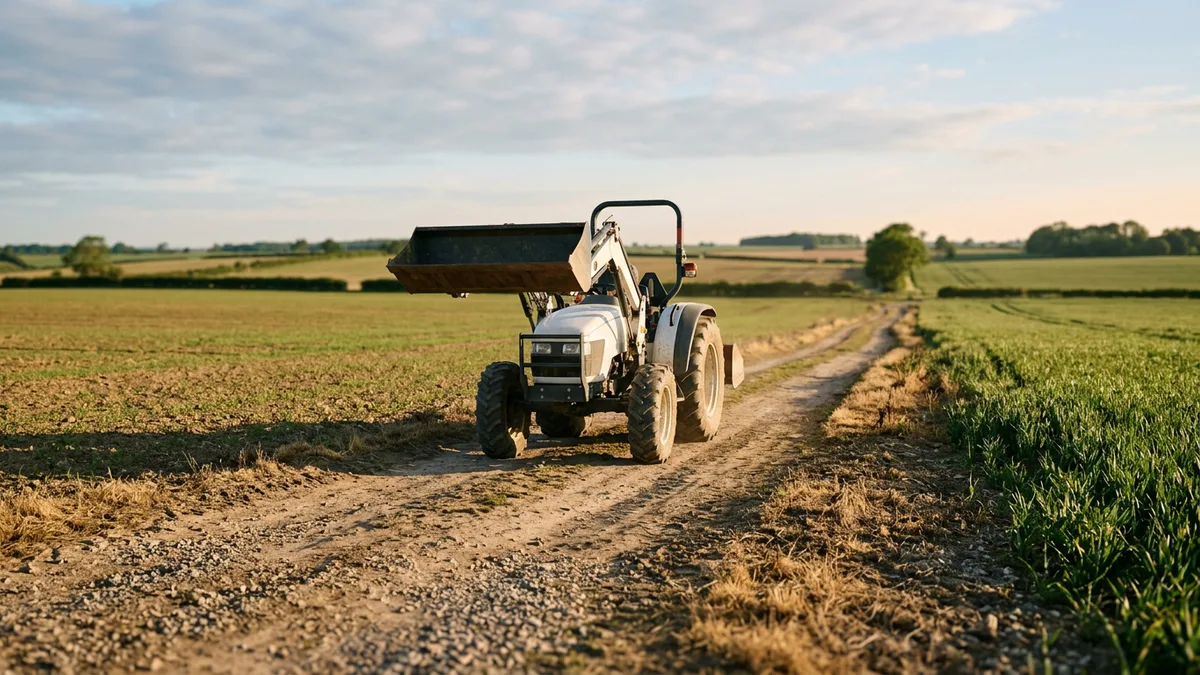
This page is for farms, ranches and ag contractors buying a utility, row-crop or compact tractor, new or used, from a dealer or a private seller. The loader or any implement bought with it goes on the same application. For the wider picture across a working operation, see farm equipment financing.
Dealers and manufacturers often run their own promotional financing on new machines, worth comparing on its own terms. The right fit usually comes down to how long the tractor stays in the fleet, and what the business wants to own once the term ends.
A loan or a lease: what decides it
An equipment loan makes the farm the owner from day one, with the lender holding a security interest against the tractor’s own serial number. A fair market value lease works the other way: the lessor keeps title, the farm pays less each month, and the term ends with a real choice, to return the tractor, renew the lease, or buy it at what the market says it’s worth.
| What you’re weighing | Fair market value lease | Loan or $1 buyout lease |
|---|---|---|
| Who owns the tractor | The lessor, during the term | The farm, from day one |
| Typical payment | Lower during the term | Higher, builds equity |
| End of term | Return, renew or buy at market value | Already owned outright |
| Fits best | A shorter trade cycle | A long working life on the farm |
Hold period usually decides which one wins, more than anything else. A row-crop or utility tractor traded every three to five years, well before the engine and hydraulics take real wear, tends to pencil out better as a lease. A machine meant to run the place for a decade or longer is a different math problem, and $1 buyout leases and straight loans both answer it the same way: equity, building from day one.
Ownership changes the tax picture too, for the 2026 tax year. A business that wants the tractor on its books as a depreciable asset often looks at Section 179 or bonus depreciation under the IRS rules on depreciating property; our Section 179 deduction page walks through this year’s limits and how a loan or an equipment finance agreement qualifies differently than a true lease. Consult your tax advisor before deciding how to structure the purchase.
Financing a used or private-party tractor
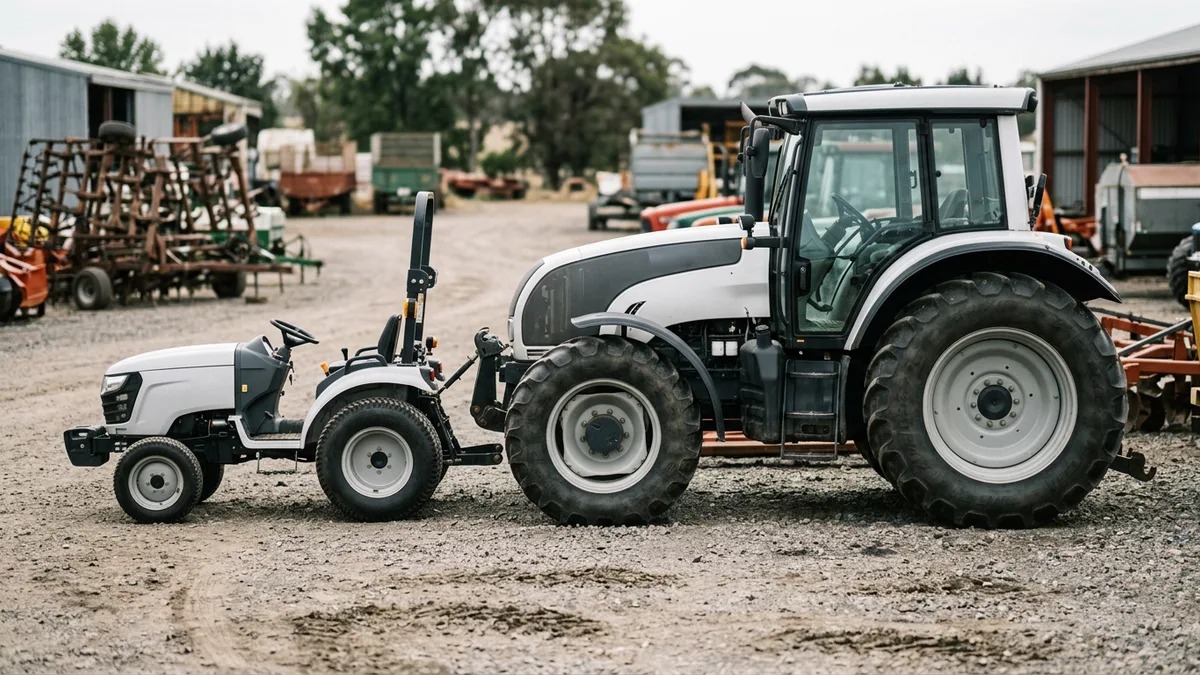
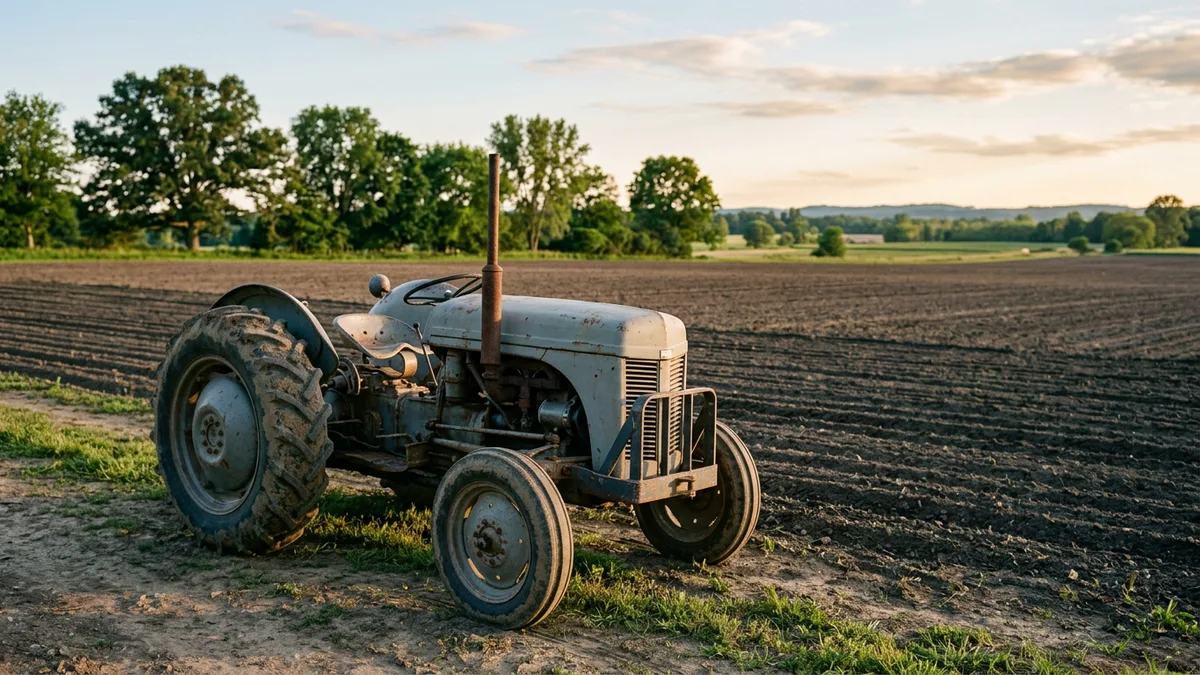
A used tractor is financed on the machine itself. Lenders file a UCC-1 financing statement against that tractor’s serial number, not a blanket lien over the farm’s other assets, so the hour meter, the service history and the machine’s condition carry real weight in the review. Financing used equipment works the same way whether the seller is a dealer or a neighbor down the road.
Buying from a private seller instead of a dealer just changes who signs that bill of sale. There’s no manufacturer warranty or dealer-floor promotional rate to weigh against the loan, so the comparison is simpler. The loader or any attachment sold with the tractor is usually financed on the same application rather than a second one.
What’s moving in equipment and farm credit
$11B
equipment-financing new business volume, February 2026
Source: Equipment Leasing and Finance Association, reported Apr. 2026
76 percent
of Ninth District ag lenders saw lower farm income, Q1 2026
What’s financed on this application
More equipment financing by machine
Before you finance a tractor
What is tractor financing?
Tractor financing is a loan or lease that lets a farm or ranch spread the cost of a tractor over time instead of paying cash up front. The tractor itself usually secures a loan, while a lease keeps ownership with the lessor until the term ends.
Either way, the equipment is reviewed alongside the business: its age, hours and condition, plus how the farm’s income lines up with the payment calendar.
Is a tractor loan or a tractor lease better for a farm?
Neither is better in the abstract; it depends on how long the tractor stays in service. A lease fits a shorter rotation with lower payments, while a loan or a $1 buyout lease fits a machine the farm plans to run for a decade or more.
A seasonal operation with tight cash flow around harvest also tends to weigh the lower lease payment more heavily than a year-round operation would.
Can I finance a tractor I’m buying from a private seller?
A private-party tractor purchase finances the same way a dealer purchase does, against the machine’s serial number rather than the seller’s identity.
Have the hour meter, a bill of sale and the seller’s title or ownership documents ready. A private sale skips the dealer paperwork, but the lender still verifies the machine itself.
What other farm equipment can go on the same application as a tractor?
A loader, rotary cutter, baler, planter or any other implement bought at the same time as the tractor usually goes on one application rather than a separate one.
Listing everything together also gives a lender the full picture of what the equipment is doing on the farm, which can make the review faster than financing each piece on its own.
Does financing a used tractor work differently than financing a new one?
The mechanics are the same; the inputs change. A used tractor’s hour meter, maintenance records and physical condition carry more of the review than a new machine’s do, since there’s no factory warranty behind it.
Photos of the meter and the data plate, plus any service records the seller has, speed that part of the review along.
What slows down financing on a compact or utility tractor?
Incomplete paperwork is the usual holdup, not the size of the tractor. A missing bill of sale, an unclear title, or hour-meter photos that don’t match the listing all send a file back for more information.
Having the dealer or seller quote, the meter photos and a year of cash-flow dates ready before applying keeps the review moving.
How does a dealer’s promotional tractor financing compare with an equipment loan?
A dealer or manufacturer promotional offer is worth reading closely, because the terms, the qualifying credit profile and the equipment it applies to vary by program and change often. John Deere, Kubota, New Holland, Case IH and Massey Ferguson each run one through their own finance arm.
An independent equipment loan or lease is the comparison point: it isn’t tied to one manufacturer’s lineup, and it can cover a used or private-party tractor a dealer’s promotional program usually won’t.
Ready to finance your next tractor?
Tell us about the machine, new or used, and we’ll walk through the loan and lease structures that fit it.