
Last updated: November 6, 2026
Brewery Equipment Financing for Brewhouses, Fermenters and Canning Lines
Compare loans and leases for brewhouse, fermentation and packaging equipment before you expand or relocate.
Start a Brewery Equipment Financing Application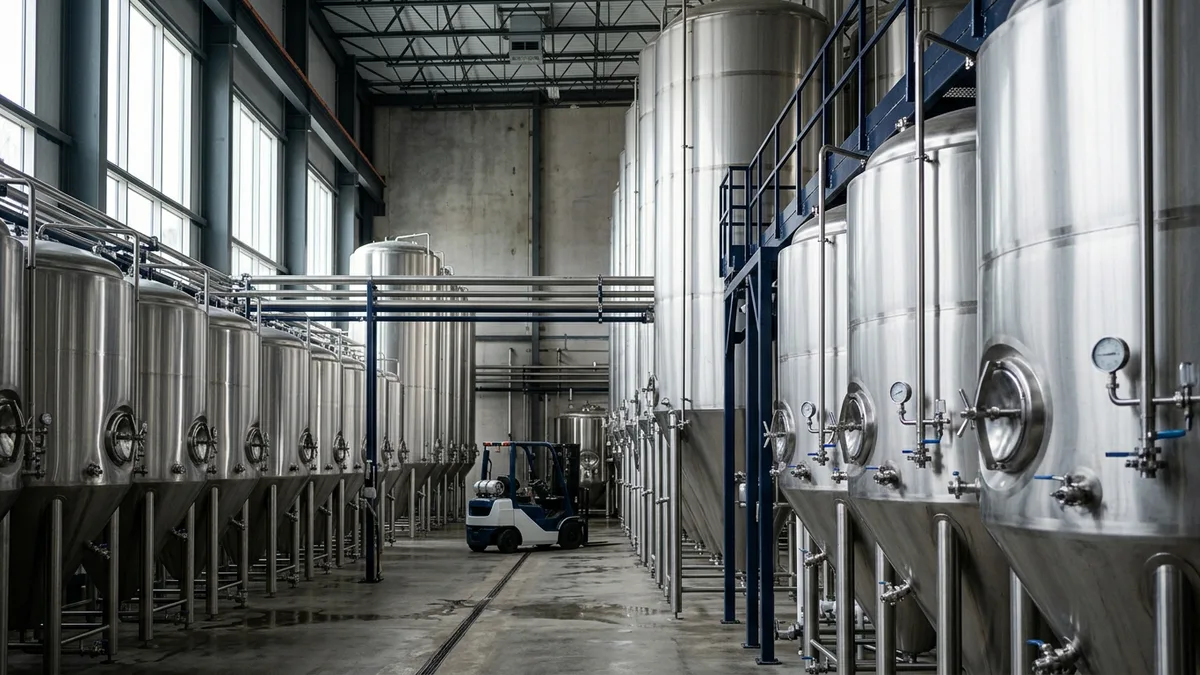
Brewery equipment financing is a loan, an equipment finance agreement or a lease that spreads the cost of brewhouse, fermentation and packaging equipment over a set term instead of one purchase.
A brewhouse purchase order usually lists a dozen line items that behave nothing alike once they’re bolted to the floor. Stainless kettles and fermenters can run for twenty or thirty years with basic upkeep, but a canning line is closer to a car, with motors and sensors that wear and software that gets outdated long before the frame does. Most lenders price each one on its own schedule instead of lumping the whole room into a single term.
Not working on the brewhouse itself? Our guide to equipment financing by industry covers construction, medical, restaurants and more.
Which brewing equipment are you financing?
Lump a fermenter and a canning line together under “brewing equipment” and the financing conversation goes sideways fast, since a seven-barrel unitank and a filler built around a PLC controller wear out on entirely different timelines.
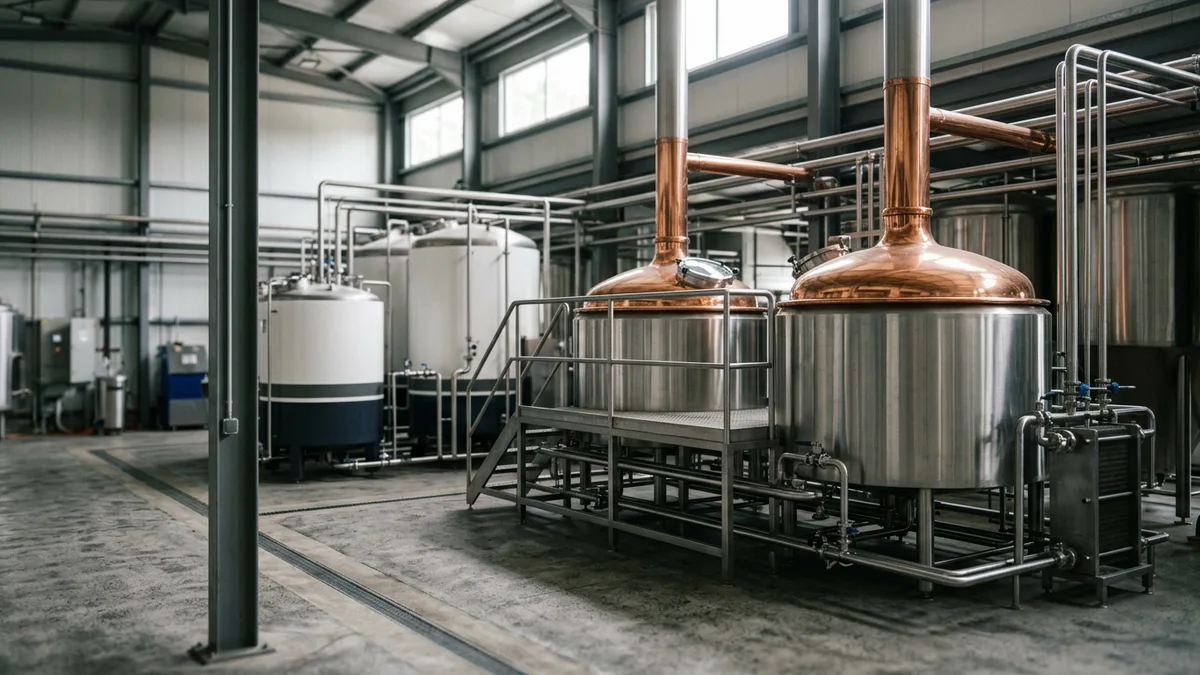
- Brewhouse and kettles: the mash tun, boil kettle, hot liquor tank and the heat exchanger that connects them
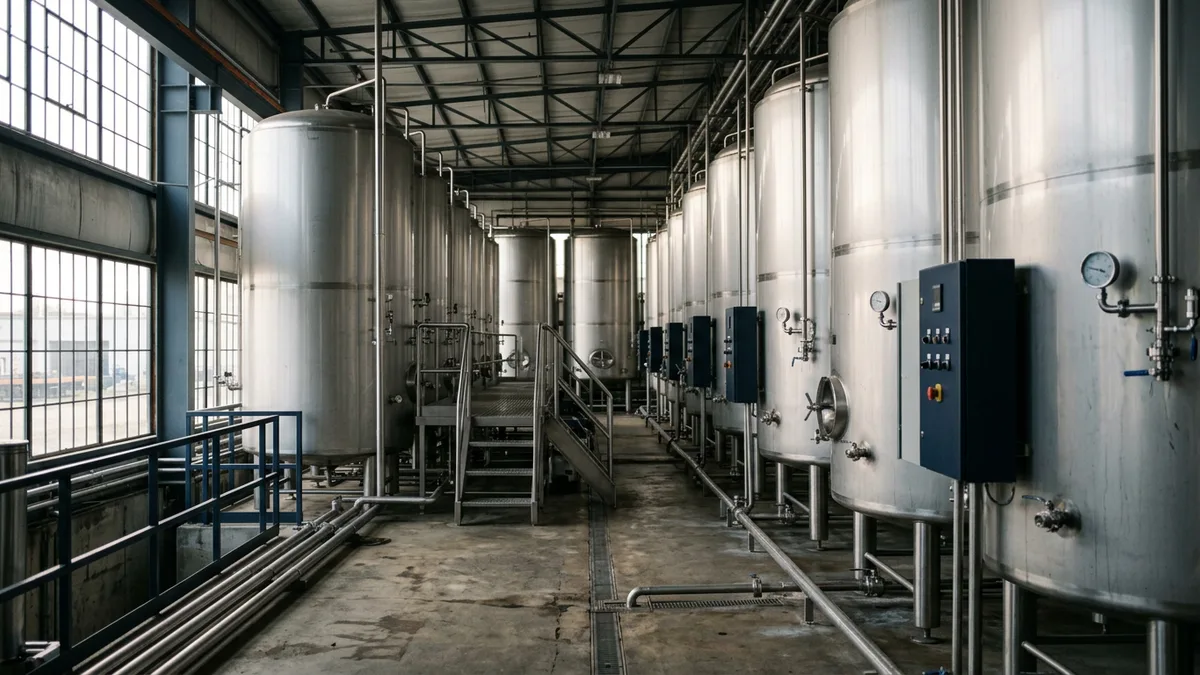
- Fermenters and brite tanks: unitanks, open fermenters, conditioning tanks and the glycol jacket that keeps them cold
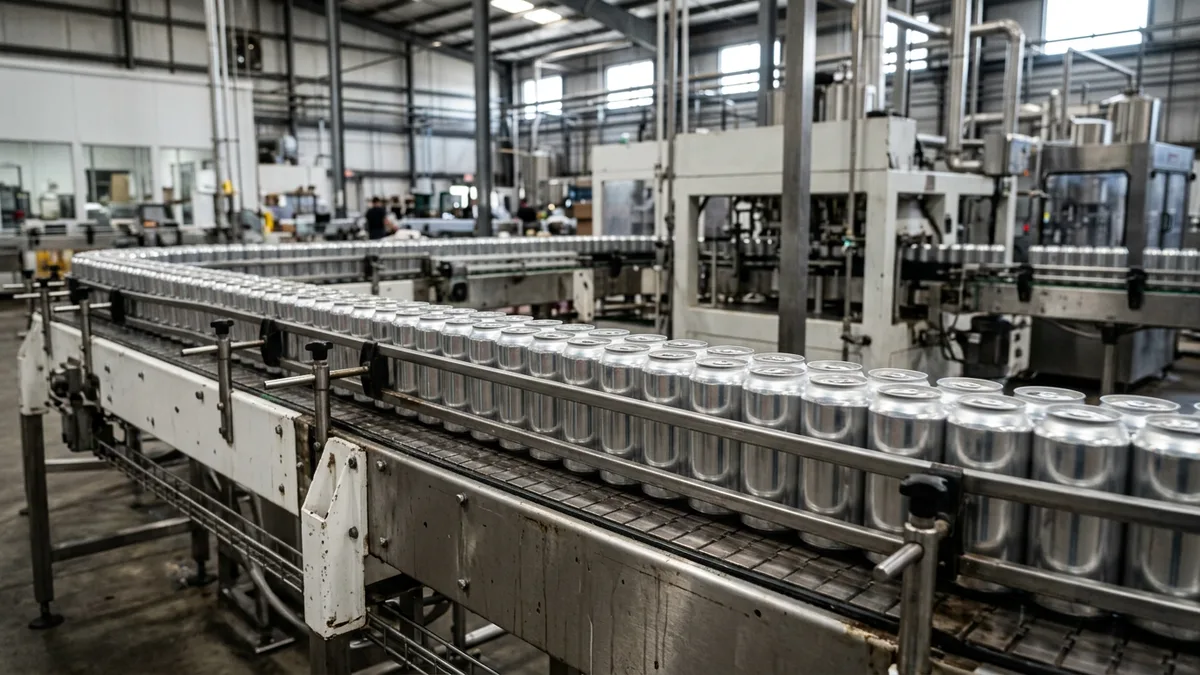
- Canning or bottling line: fillers, seamers, labelers and the conveyor that ties the packaging room together
- Kegging and draft: keg washers, fillers and the CO2 and glycol lines that feed a taproom
- Cold storage and utilities: walk-in coolers, glycol chillers and the three-phase power a brewhouse needs
A well-maintained mash tun can outlast two canning lines and the lease on the building it sits in, which is a big part of why stainless equipment tends to fit a loan or an equipment finance agreement better than a lease fits it. Packaging gear ages on the opposite schedule, since motors wear, sensors drift out of calibration, and the control software gets replaced long before the steel frame shows any real wear.
Equipment makers like to quote the vessel and stop there, so push past that number before you sign anything. Installation, piping and the electrical work a brewhouse needs can add real money to the project, and whether a lender rolls that into the same financing is worth asking up front.
Brewery equipment financing: loan or lease?
Brewery equipment financing covers a loan, an equipment finance agreement, or a lease, each one spreading the cost of brewing and packaging gear over a term instead of one payment. Picking between them comes down to three questions: how long the equipment stays useful, how fast it loses value, and what the brewery actually wants at the end.
A loan or an equipment finance agreement makes the brewery the owner starting day one, with the lender holding a security interest, usually through a UCC-1 filing. A lease flips that: the lessor owns the equipment the whole term, not the brewery. Our fair market value lease guide walks through how that buyout gets priced, and our equipment leasing overview lays out how a true lease differs from a loan, if any of this is new to you.
Match the structure to the equipment
Sort the room by what actually wears, and the structure tends to pick itself. Treat the table as a starting point. Not gospel.
| Equipment | What ages it | What usually fits |
|---|---|---|
| Brewhouse and kettles | Almost nothing if welds and valves are maintained | A loan or equipment finance agreement, since the brewery keeps it for decades |
| Fermenters and brite tanks | Gaskets, valves and glycol jackets wear; the vessel itself barely does | A loan, or a $1 buyout lease built to be kept |
| Canning or bottling line | Motors, sensors and software date faster than the frame | A fair market value lease, so the line can be upgraded on a schedule |
| Kegging and draft systems | Seals, fittings and pumps wear with daily cycling | A loan for owned kegs, a lease for frequently serviced fillers |
| Cold storage and chillers | Compressors and coils wear; the box itself holds up | A loan or equipment finance agreement for most breweries |
Plenty of breweries buy the stainless outright and lease the canning line. Ask a tax advisor how each gets treated before deciding anything. Our guide to leasing vs buying equipment walks through that decision in more depth, and our equipment lease agreement guide covers what to read before you sign.
Buying used or refurbished brewery equipment
Used and refurbished gear turns up constantly in this business, especially fermenters and brite tanks off a brewery that closed, downsized or just upgraded. The price drops. What you need to check goes up.
- Batch count and age on the tank, not just the manufacture year
- Welds, gaskets and valve seats, checked for pitting, cracks or leaks
- The condition of the cooling jacket and whether it still holds pressure
- CIP, clean-in-place, compatibility with the brewery’s existing cleaning system
- Whether the maker still supports that model with parts and service
Then comes the paperwork, and it matters more than shiny steel: a bill of sale, a serial number on every vessel, the seller’s actual name and address. Our used equipment financing page covers both dealer and private-party purchases.
Brewery equipment financing in numbers
9,578
operating U.S. craft breweries at the end of 2025
Brewery equipment financing structures to know
Before you finance brewery equipment
How much does brewery equipment cost?
Price tracks the equipment mix, not the square footage. A canning line and automated packaging gear run well past what a stainless fermenter or a mash tun costs per unit.
Quote piece by piece, never the package deal. Then ask what installation, piping and electrical work tack on, because that part rarely shows up on the sticker.
Is it better to lease or buy brewery equipment?
The better question is what still earns its floor space once the lease is up.
A mash tun or fermenter holds value for decades: loan territory. A canning line dates like a laptop: lease territory. Plenty of breweries split the difference, buying the stainless and leasing the line, then checking the cash cost of each against what it will actually be worth down the road.
Can a new brewery or brewpub finance its equipment?
Newer breweries get financed. Lenders just dig harder into the equipment, the owner’s background and the plan when there’s no track record to lean on.
Equipment that holds value, like a mash tun or a set of fermenters, tends to land easier than a canning line that depreciates fast. A signed lease on the space helps too, and so does a real production plan. Our startup equipment financing guide covers what newer businesses typically bring to the table.
Can used or refurbished brewery equipment be financed?
Short answer: it depends on the lender, and on what the seller can actually prove.
Serial numbers, a bill of sale, an honest look at tank condition, these carry more weight on used gear than on new. Equipment coming off a closed or downsized brewery has no dealer prep behind it, so a day spent on an independent inspection is worth it, especially for tanks that sat idle a while. Skipping it isn’t a shortcut.
Does Section 179 apply to brewery equipment?
For the 2026 tax year, the IRS caps Section 179 at $2,560,000, stepping down once qualifying equipment placed in service crosses $4,090,000.
Buy equipment with a loan or an equipment finance agreement and place it in service that year, and it can generally qualify. A true lease is different, since ownership never transfers. Those numbers come straight from IRS Publication 946. Read our Section 179 deduction guide, and consult your tax advisor before counting on any deduction.
What happens at the end of a brewery equipment lease?
A fair market value lease typically wraps up three ways: buy at what it’s worth then, renew, or hand it back.
The $1 buyout breaks that pattern on purpose, built from day one so the brewery ends up keeping the equipment. Read the return language either way. A lessor measures returned stainless against the wear standard in the contract, and a dinged cooling jacket can turn into a real conversation.
Can a brewery use an SBA loan to buy equipment?
SBA 7(a) proceeds can cover buying and installing machinery and equipment, with the loan itself capped at $5 million.
The program is built for bigger needs too, real estate, working capital, even a change of ownership, and it comes with its own separate application. A brewery that just needs brewing or packaging gear might weigh both paths side by side. Full details sit on the SBA’s 7(a) loan page.
Ready to expand or upgrade your brewhouse?
Tell us what you’re financing, new, used or a mix, and send the details through the form below.