
Last updated: November 9, 2026
$1 Buyout Lease: How Lease-to-Own Equipment Works
How the nominal-price purchase option works, who it fits, and what to read in the contract.
A $1 buyout lease is an equipment lease that ends with the business buying the machine for a nominal sum, often one dollar. In substance it’s a purchase paid over time.
People search it as lease to own. Same thing. It’s one of four structures in our equipment leasing guide, and the one built for equipment you plan to keep.
Below: how the buyout works, why a lease with a $1 option can count as a sale, and what to find in the paperwork before you sign.
How a $1 buyout lease works
A $1 buyout lease works like this: a lessor buys the equipment you pick, you make scheduled payments for an agreed term, and at the end you exercise a purchase option for a nominal price, often $1. The payments carry the equipment’s cost over the term, because the lessor expects it to be yours at the end.
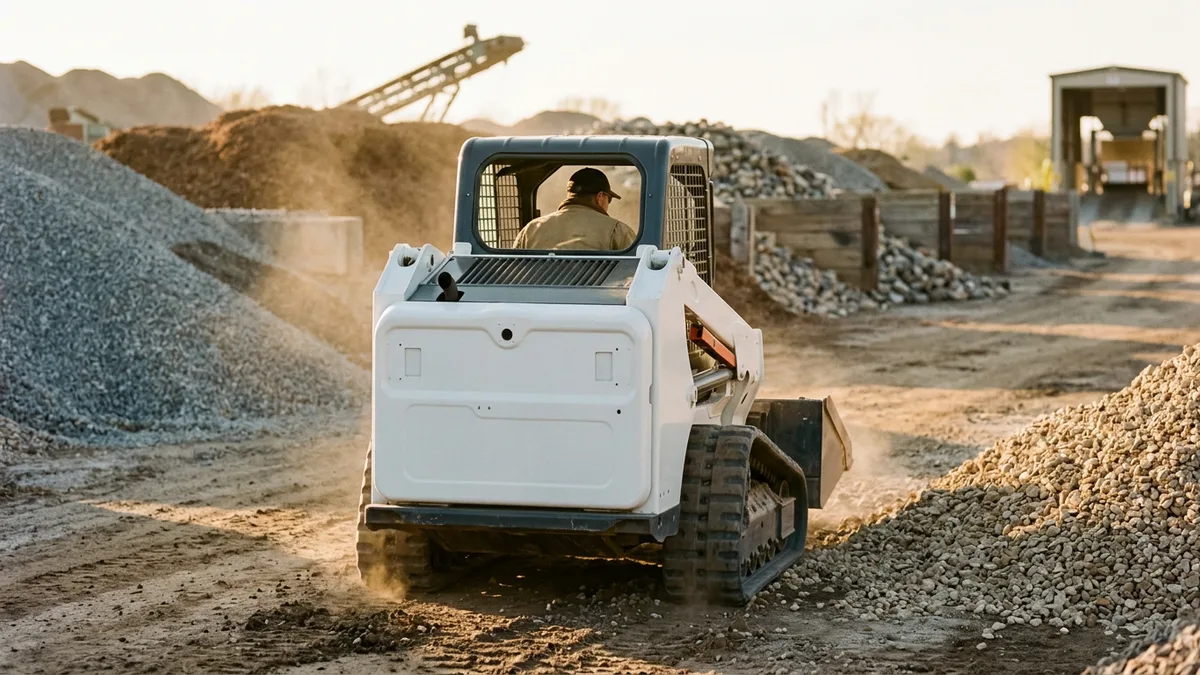
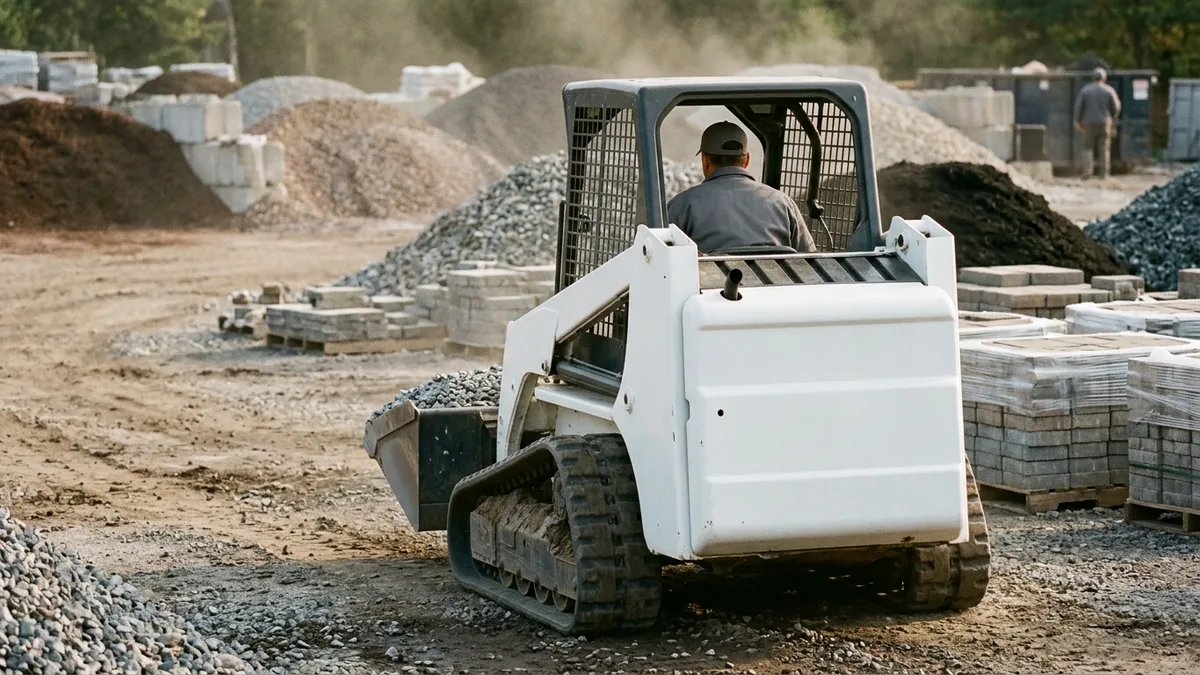
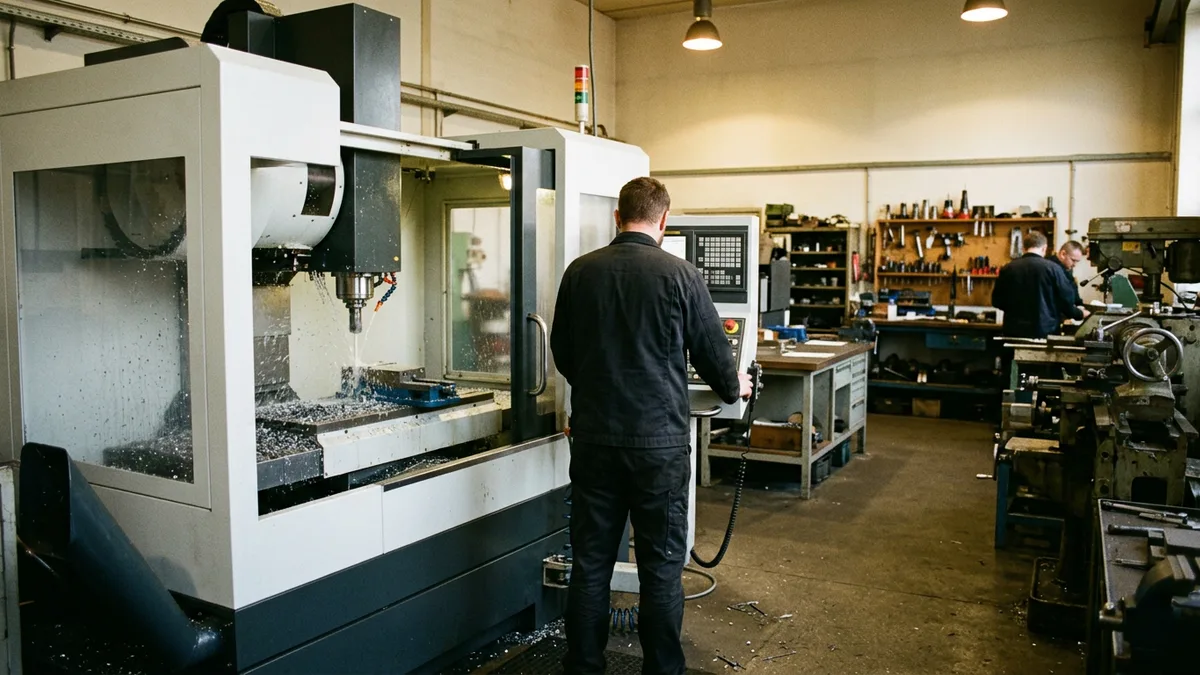
Think of machines that earn their keep for a decade: a Toyota or Hyster forklift on three shifts in a distribution warehouse, a Haas or Mazak mill in a job shop, a Bobcat skid steer on a landscaping crew. Each one outlasts the lease term. Ownership at the end is the point.
Three things the lease names
What counts as nominal in a $1 buyout lease
The word “nominal” sounds loose, but the UCC pins it down. Under UCC 1-203(d), an added payment is nominal when it’s less than what the lessee would reasonably expect to spend performing under the lease if it doesn’t exercise the option. A price stated as fair market value never counts as nominal. A $1 price is the textbook case.
Why does it matter? A lease the business can’t cancel, with an option to become the owner for no or nominal added payment, creates a security interest under section (b) of that rule. The law then treats it as a sale with a lien, not a lease. The facts of each case decide, section (a) says, and the word on the contract doesn’t.

Clauses to read in a $1 buyout lease
Six clauses decide how the deal ends. Ask about each one.
| Clause | What it settles | What to ask |
|---|---|---|
| Purchase price | What you pay to take ownership. | Is it a stated dollar amount, and is it the only amount due at the end? |
| Exercise notice | How and when you tell the lessor you’re buying. | What form does notice take, and what happens if the date passes? |
| Title transfer | When ownership moves to you. | Does title pass at the end only, and who releases any lien or UCC filing? |
| Early payoff | Whether the payments can end sooner. | What does the lease say about ending early, and in what form? |
| Risk and upkeep | Who bears loss, insurance, maintenance and property tax. | If the machine is damaged or destroyed, who pays, and who insures it? |
| Default | What happens when payments stop. | What can the lessor take back, and what happens to payments already made? |
Taxes and the books: why the label can change
Tax follows the same logic. According to the IRS Income and Expenses FAQ, reviewed September 30, 2026, the answer turns on the parties’ intent as shown in the agreement. An option to buy at a nominal price is one of seven signs of a conditional sales contract. Treated that way, you’re the buyer and generally recover the cost through depreciation, not as rent.
IRS Publication 946, in its 2025 edition, ties depreciation to the incidents of ownership. It names five.
For tax year 2026 the Section 179 election on Form 4562 may come into play, so check the current limits on irs.gov and consult your tax advisor before you sign. The books are separate. Ask your accountant. Under FASB’s ASU 2016-02, payments to buy the asset count in a lease’s measurement only if the business is reasonably certain to exercise the option.
Three rulebooks, one $1 option
Who a $1 buyout lease suits
On the fence about a loan? Our leasing vs buying equipment guide runs the same question across every machine.
Keep comparing lease structures
Questions people ask about $1 buyout leases
So is a $1 buyout lease really a lease?
On paper, yes, and in practice often no. The contract calls itself a lease, but the UCC and the IRS both look past the label to what the deal does. A lease the business can’t cancel, with a nominal option to buy, can be treated as a sale with a lien. Your tax advisor can read how the one in front of you comes out.
What happens at the end of a $1 buyout lease?
At the end of a $1 buyout lease, the business exercises the purchase option for the nominal price in the contract, and title moves to it. Say the term on a skid steer ends in March: the notice clause may want written word weeks ahead, and a missed date can mean a renewal. Ask who clears the lien. Put it in writing.
Can you end a $1 buyout lease early?
How and whether a $1 buyout lease can end early comes down to the contract’s wording, since terms vary from lease to lease. Say a landscaper wants out two years in: maybe the lease has a payoff schedule, maybe not. UCC 1-203(b) turns on a lease the lessee can’t terminate, so a cancelable one reads differently, and an early payoff is its own clause, apart from the $1 purchase at the end. Ask first.
Is a $1 buyout lease the same as an equipment finance agreement?
A $1 buyout lease and an equipment finance agreement both end with the business owning the equipment, but the first is written as a lease and the second as a loan. In the loan, the lender files a UCC-1 financing statement on the equipment from the start; in the lease, the lessor is the owner on paper until the buyout. Names blur. Read the paper, not the label.
Can a $1 buyout lease cover used equipment?
A used machine can go into a $1 buyout lease if the lessor is satisfied on age, hours and condition, and the term can’t outrun its remaining economic life without UCC 1-203(b) reading the deal as a sale. Picture a wheel loader with 9,000 hours on the meter. Hours count. Have the serial number and the hour-meter reading ready, and see the used equipment financing guide for what lenders look at on an older machine.
Does a $1 buyout lease change what I can deduct?
The IRS lists seven conditions, such as an option to buy at a nominal price, that can make an agreement a conditional sales contract rather than a lease. If yours is treated that way, you’re the buyer and generally recover the cost through depreciation instead of deducting payments as rent. For tax year 2026, check irs.gov for the current Section 179 limits and consult your tax advisor about the agreement in front of you. Don’t guess.
Tell us what you want to own at the end
Say what the equipment is, how long you’ll run it and what you want at the end of the term, or start an equipment lease application if you already know. Questions first? Talk to a Paramount Financial specialist.