
Last updated: November 7, 2026
Salon Equipment Financing: Loans and Leases for Salons and Spas
See how loans and leases fit styling stations, shampoo bowls, pedicure spas and dryers before you buy.
Start a Salon Equipment Financing Application
Salon equipment financing spreads the cost of chairs, shampoo bowls and dryers over a set term. A loan makes the salon the owner from day one. A lease lets it use the gear, then buy, renew or return it.
A salon floor isn’t one asset. It’s a dozen. A shampoo bowl is bolted to water and drain lines, a hood dryer plugs into the wall, and a skin-care device starts dating the day it’s unboxed, so one loan or lease rarely fits all three.
Outfitting something else? Our guide to equipment financing by industry covers construction, restaurants and more. Clinics and studios have their own pages: medical equipment financing and fitness equipment financing.
Which salon and spa equipment are you financing?
Walk the floor with a pen. Mark each piece P for plumbed, E for electric or F for furniture. The marks decide which structure makes sense. Sort first.
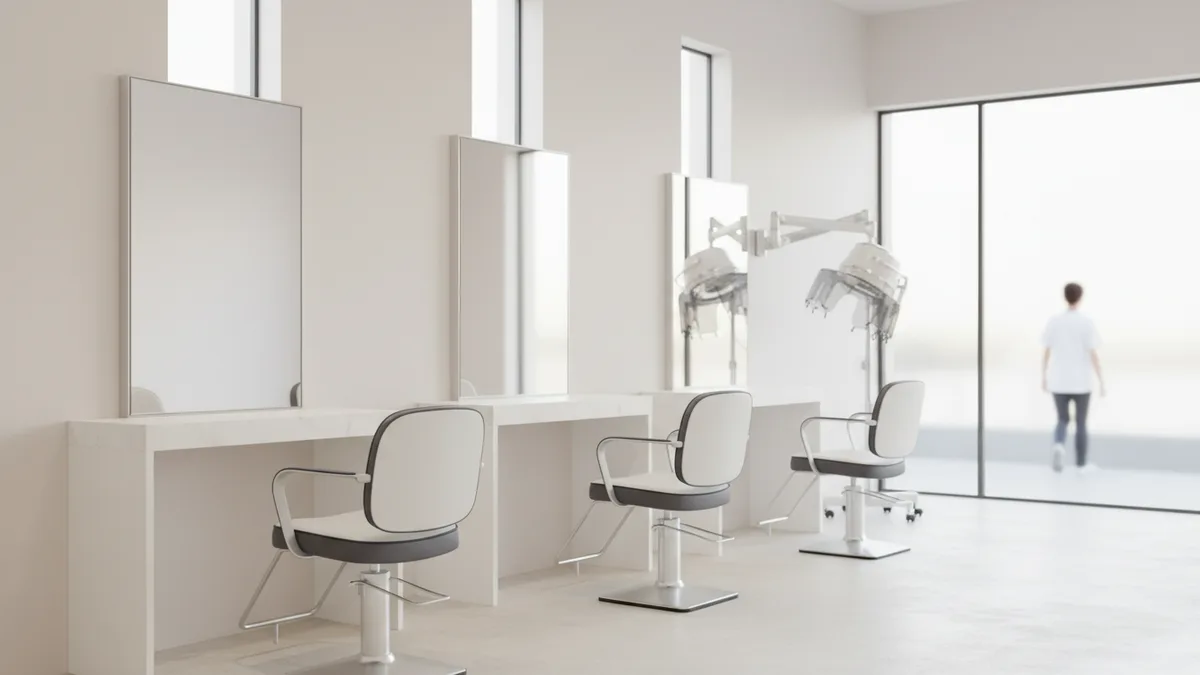
- Styling stations, hydraulic chairs, wall mirrors and cabinets
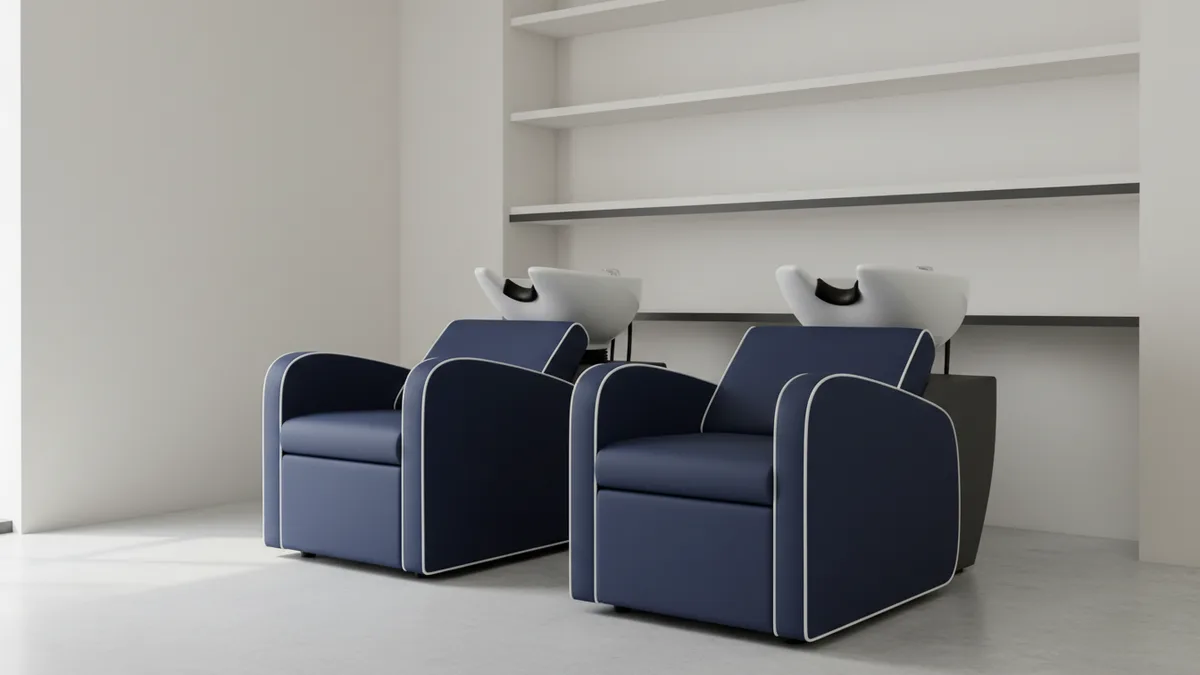
- Shampoo bowls and backwash units, which need water and a drain
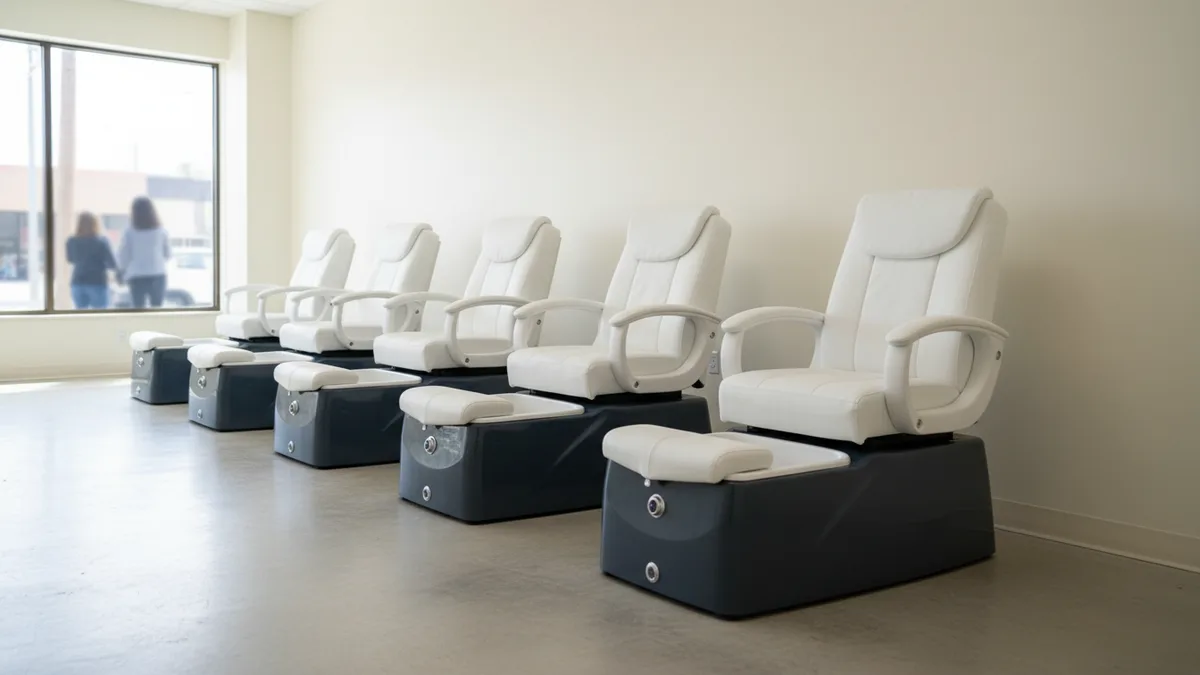
- Pedicure chairs with footbaths, and manicure tables
- Color processors, hood and hand-held dryers, steamers and wax warmers
- For a day spa, facial beds, steam units and skin-care devices such as LED panels and microcurrent units
- Reception furniture, retail shelving and washers and dryers for towels
Plumbed gear stays with the room. A backwash unit set against a plumbed wall isn’t leaving with the owner who bought it, and a pedicure spa won’t either, so both age like part of the building and not like a laptop. Ask whether a quote covers delivery, hookups and the plumber’s visit. Often it doesn’t.
Salon equipment financing: loan or lease?
Salon equipment financing is a loan, an equipment finance agreement or a lease that spreads the cost of chairs, stations and spa gear over a set term instead of one purchase. Which structure fits depends on how long a piece stays in service, how fast it ages, and what the owner wants at the end. Same chair, different deal.
Under a loan or an equipment finance agreement, the salon owns the chairs and bowls from day one while it pays, and the lender’s claim shows up as a UCC-1 financing statement filed against that equipment. A lease flips it. The lessor holds title until the term ends. Our fair market value lease guide explains how a buyout gets priced, and our equipment leasing page covers true leases.
Match the structure to the station
Start with how each piece is installed and how quickly it dates. The structure follows. The table shows where it usually lands.
| Equipment | How it sits and ages | What usually fits |
|---|---|---|
| Shampoo bowls and backwash units | Plumbed to water and drain lines, so they stay put and age slowly | A loan or equipment finance agreement, since the salon will keep them |
| Pedicure chairs and footbaths | Plumbed too, with pumps and seals that wear with daily use | A loan if the room stays as built, a lease if the owner expects to redo it |
| Styling stations and hydraulic chairs | Movable; hydraulics and upholstery wear, the frame doesn’t | A loan, or a $1 buyout lease built to be kept |
| Dryers, processors and steamers | Plug-in and portable, with heating elements and timers that wear out | A short-term loan, because the pieces are small and wear out sooner |
| Skin-care and light-based devices | Electronic; models and software date faster than the cabinet | A lease with a term matched to how long the device stays current |
| Reception furniture and retail fixtures | Static; they age by style more than by wear | Often bought outright or folded into a larger package |
Plenty of owners split the room, buying what’s plumbed in and leasing what plugs in. How each piece is taxed is a question for your tax advisor. Ask first. Then line up the quotes: our guide to leasing vs buying equipment lays out the decision, and our equipment lease agreement page covers the clauses worth reading twice.
Booth rentals, suites and who owns the chair
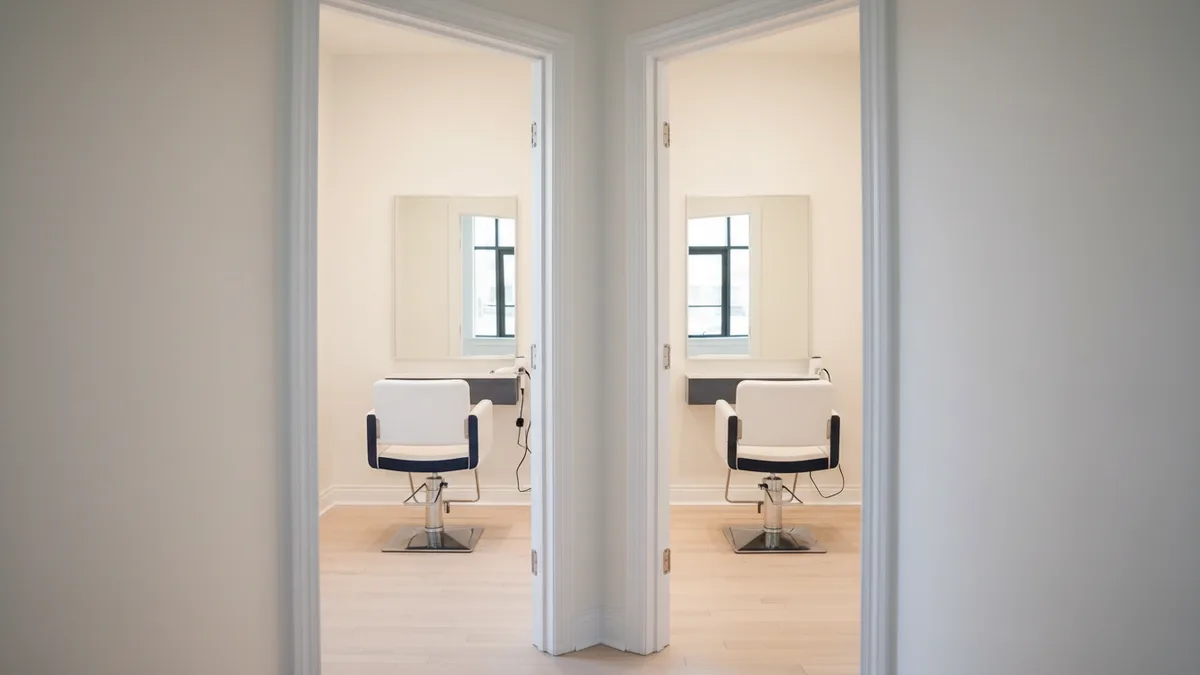
Not every chair in a salon belongs to the salon. The Bureau of Labor Statistics reports that 48% of hairdressers, hairstylists and cosmetologists were self-employed in 2025, and that some lease booth space from a salon owner.
That changes who is borrowing. OSHA’s guidance on independent contractors in salons lists factors on both sides. Renting a station and buying your own supplies and tools point one way, while using the owner’s tools and equipment points the other, and a label from the salon owner doesn’t settle the question on its own.
- Whose business name goes on the application, the salon’s or the stylist’s?
- Who owns each chair and station, and is it written down anywhere?
- What happens to the equipment if a booth renter leaves mid-term?
- Can the loan or lease be assigned or ended early if the salon moves or closes?
Settle those four before any paperwork starts. Write the answers down. Opening a new salon? Our startup equipment financing guide goes through what newer businesses usually bring to the table.
Salon equipment financing, by the numbers
670,800
barbers, hairdressers and cosmetologists held jobs in 2025
48%
of hairstylists and cosmetologists were self-employed in 2025
Four ways salons pay for equipment
Before you finance salon equipment
Can financing cover chairs, shampoo bowls and pedicure spas?
Financing can cover many kinds of business equipment, but each lender or lessor decides what it will fund. Plumbed pieces and the work to install them are often treated differently from movable gear, so ask what each quote includes before you compare two of them. Check every line. Say you’re pricing two pedicure stations: one quote may bundle delivery, hookups and the plumber’s time, while the other lists only the chairs and leaves the rest as a separate bill.
Is it better to lease or buy salon equipment?
The better question is which pieces will still earn their floor space when the term ends. Plumbed bowls and sturdy stations tend to suit a loan, because the salon will keep them for years. Devices tend to suit leases. Many owners split the room, then compare the cash cost of each structure against what the equipment may be worth later, because a piece that loses value quickly is the one a lease handles best.
Can a new salon finance its equipment?
A salon with no operating history gives a lender less to review, so the equipment, the owner’s experience and the opening plan carry more weight. A signed lease on the space, the salon’s state license and a short equipment list are the kind of papers a lender may ask to see. Gather them first. Our startup equipment financing guide covers the rest.
Can used or refurbished salon equipment be financed?
Short answer: it depends on the lender and on what the seller can document. A serial number, a bill of sale and an honest read on condition matter more for used gear than for new. Chairs and bowls from a closing salon have no dealer prep behind them, so have a technician look at the hydraulics, pumps and seals before the deal, and ask the seller for any service records that exist. Our used equipment financing page covers dealer and private-party purchases.
Does Section 179 apply to salon equipment?
For the 2026 tax year, the maximum Section 179 deduction is $2,560,000. The IRS publishes it in Publication 946, and limits change every year. A salon that buys with a loan or finance agreement and puts the equipment in service that year can generally claim it, while a true lease runs differently because the lessor holds title. Read our Section 179 deduction guide, and consult your tax advisor before counting on any deduction.
What happens at the end of a salon equipment lease?
A fair market value lease usually ends with three choices: buy the equipment at what it’s worth then, renew the lease, or return it. A $1 buyout lease is the exception, because it was written so the salon keeps the equipment. Read the return terms first. Worn upholstery and chipped basins can matter when a lessor inspects returned equipment against the standard in the agreement.
Can a booth renter or independent stylist finance their own station?
A stylist who rents a booth runs a separate business, so a financing request for their own tools or chair is theirs, not the salon owner’s. Lenders and lessors look at the business that signs, which is why the salon’s own paperwork matters, and why equipment a stylist owns shouldn’t sit on the salon’s list of assets by accident. Settle who owns the equipment before anyone applies. Not after.
Ready to equip the floor?
Leave your contact details in the form below and start a salon equipment financing request.