
Last updated: November 7, 2026
Bakery Equipment Financing for Ovens, Mixers and Proofers
Compare loans and leases for the ovens, mixers and proofers that keep a bakery running.
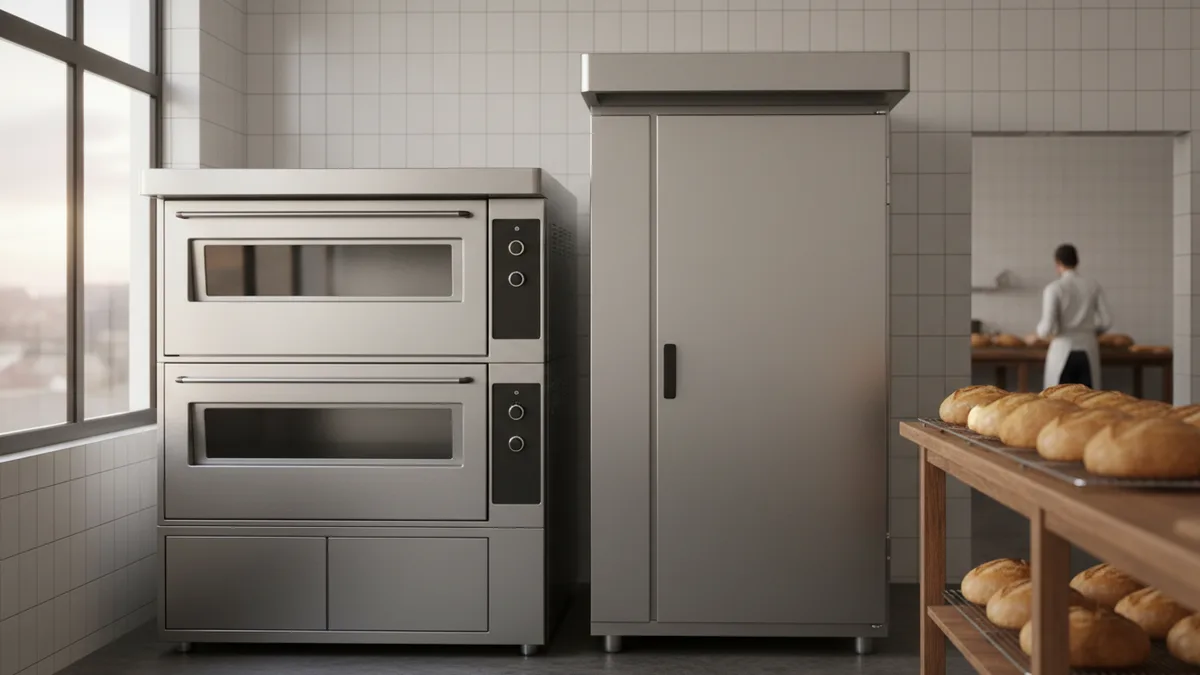
Bakery equipment financing lets a bakery pay for ovens, mixers and proofers over a set term through a loan, an equipment finance agreement or a lease, instead of paying for the whole line at once.
A bakery’s equipment list runs from a 20-quart bench mixer to a rack oven that needs its own gas line. Each piece has its own service life and its own install list. Proofers get forgotten. Then one morning the dough doesn’t rise.
Where does a bakery fit? Our guide to equipment financing by industry covers the full list, and restaurant equipment financing covers kitchens that bake next to a line. Starting from scratch? How to start a bakery walks the format, what an oven asks of the room and the health review before the equipment list.
Which bakery equipment are you financing?
Follow the dough through the shop: mixer, sheeter, proofer, oven, display case. A lender or lessor tends to itemize the list in that order, because each machine wears out on a different clock.
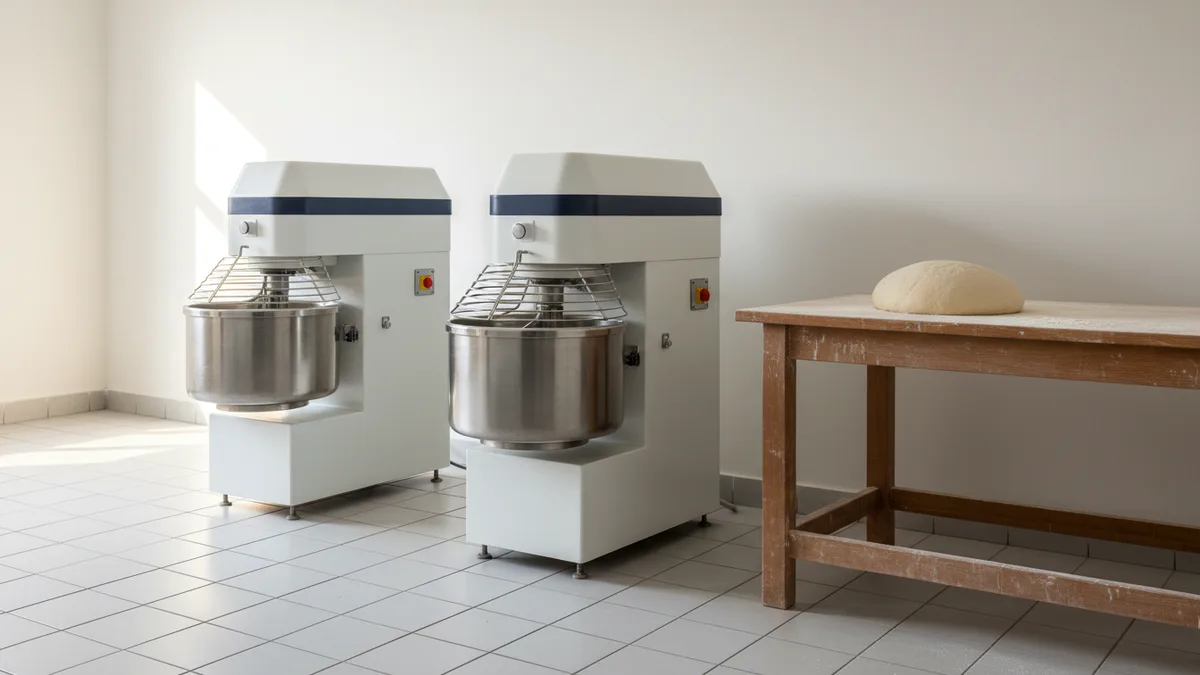
- Mixing: a planetary mixer for cake batter, cookie dough and buttercream, or a spiral mixer built for stiff bread dough
- Sheeters, dividers and rounders for shaping, plus a laminator if croissants are on the menu
- A proofer cabinet, or a retarder-proofer that holds dough cold overnight and warms it for the morning bake
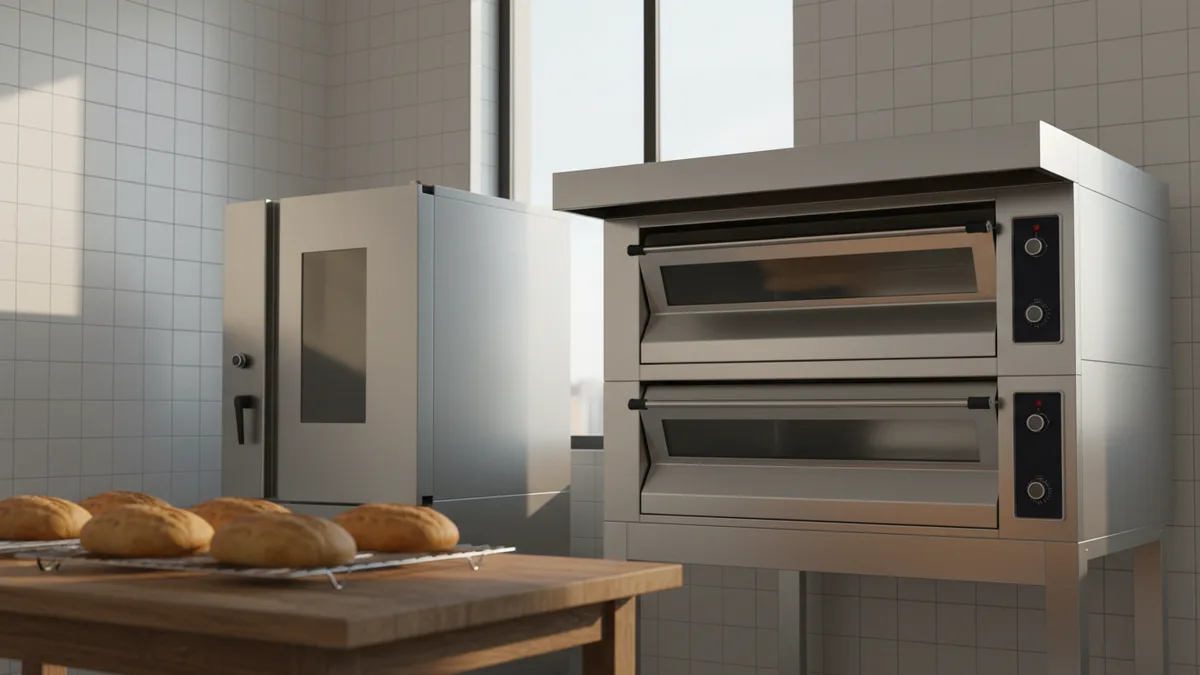
- Baking: deck ovens for hearth bread, rack ovens for volume, convection ovens for cookies and pastry
- Refrigerated cases and a walk-in cooler for holding and display, along with the racks and tables that go with them
Shop type changes the mix. A retail bakery and café leans on display cases and an espresso setup. A wholesale bakery buys rack ovens, a sheeter line and a loading-dock cooler. A cake studio runs on planetary mixers, a convection oven and a lot of refrigeration.
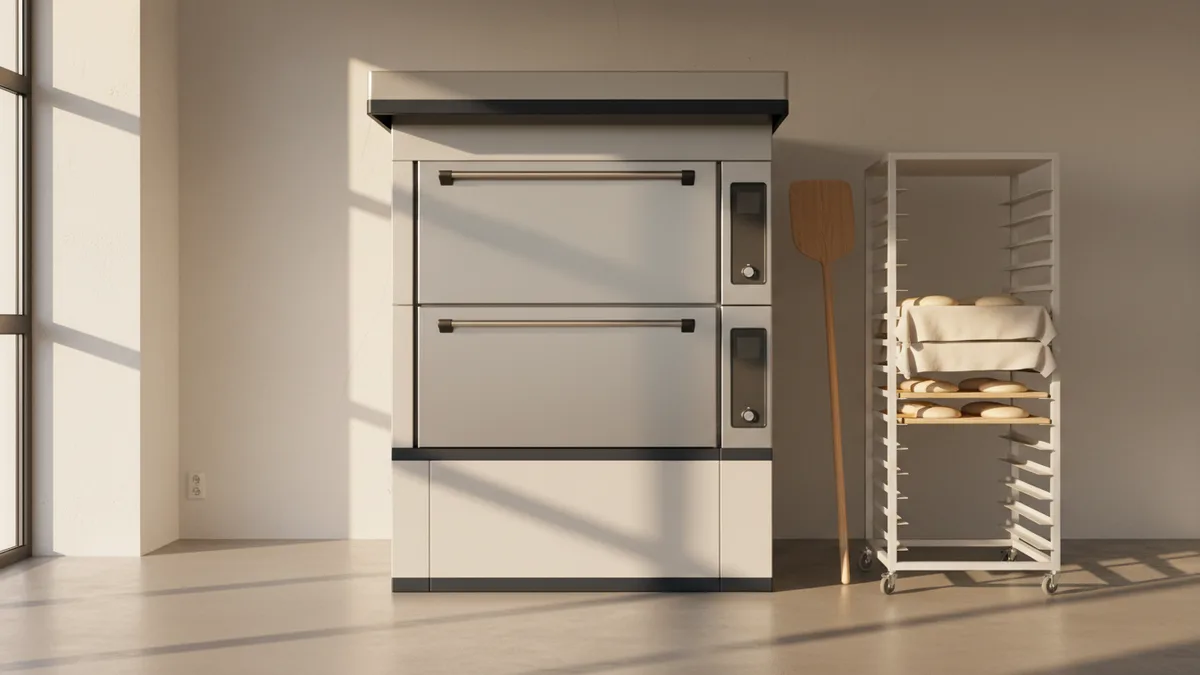
Ovens carry the longest install list. Gas ovens need a gas line sized to the burners, electric ones need three-phase power, every type needs ventilation that meets local code, stacked deck ovens raise a floor-loading question, and a rack oven needs a clear path for the cart. Ask early. What does the quote include, and what does the gas fitter or electrician bill on top?
Bakery equipment financing: loan or lease?
The difference is who owns the oven while you’re paying for it. With a loan or an equipment finance agreement, the bakery owns it from day one and the lender holds a security interest until the balance is paid, usually recorded as a UCC-1 filing. With a lease, the lessor owns it for the whole term. That’s the split.
At the end of a fair market value lease, the bakery picks one of three: buy the equipment at what it’s worth then, renew, or send it back. A $1 buyout lease skips that choice and is built so the bakery keeps it. Our equipment leasing overview explains how a true lease differs from a loan, and leasing vs buying equipment walks through the decision.
Match the structure to the machine
Sort the shop by how long each machine stays in service, and the structure tends to follow. Start there. Then adjust.
| Equipment | What wears first | What usually fits |
|---|---|---|
| Deck and rack ovens | Burners, steam systems and door seals; the cabinet keeps going | A loan or equipment finance agreement, since the oven stays for years |
| Planetary and spiral mixers | Gearboxes, bowl drives and guards, one batch at a time | A loan, or a $1 buyout lease for a workhorse you plan to keep |
| Proofers and retarder-proofers | Gaskets, heaters and humidity controls | A loan, or a shorter lease if the shop may outgrow it |
| Sheeters, dividers and rounders | Belts, rollers and safety guards before the frame | A loan for daily use, a lease for a seasonal line |
| Display cases and walk-in coolers | Compressors and fans; the box itself lasts | A lease if cases get swapped in a remodel, a loan if they stay |
Remodels change the math. A leased oven belongs to the lessor, so relocating it or trading it in takes the lessor’s agreement. A financed oven belongs to the bakery, but the lender’s lien comes off only when the balance is paid, so selling one mid-term means the payoff comes first.
Plenty of bakeries buy the ovens and lease whatever’s likely to change in the next remodel. Mixed is normal. Ask a tax advisor how each one is treated before you choose. Our equipment lease agreement guide covers what to read before you sign.
Buying used bakery equipment: what to check first
A closed bakery’s rack oven or a retired shop mixer can save real money. Used equipment turns up through dealers who take trade-ins, auctions and shuttered shops, and each source documents the machine differently. It can also hide a cracked deck, a worn drive or a gas train nobody has tested in years. Inspect before you commit.
- The data plate: model, serial number and voltage, so you can look up parts and manuals
- Burners and decks, checked with the oven fired up and not just powered on
- A mixer’s bowl drive, belt and safety guard, with the guard interlock tested
- Door gaskets and humidity controls on a proofer
- A sanitation mark from an ANSI-accredited program such as NSF
That last item isn’t a nicety. The FDA Food Code treats equipment certified or classified for sanitation by an ANSI-accredited program as meeting its design rules, and state and county health departments adopt their own versions, so ask yours before you buy.
Then the paperwork: a bill of sale, the serial number, the seller’s real name and address. Our guide to used equipment financing walks through dealer and private-party purchases.
The numbers behind a bakery equipment purchase
262,400
bakers employed in the U.S. in 2025
Source: Bureau of Labor Statistics, Occupational Outlook Handbook, 2025 data
Bakery equipment financing structures to know
More for food and drink businesses
Questions bakers ask before they buy
What does bakery equipment cost?
Capacity and construction move the price far more than the size of the shop does, so a 20-quart planetary mixer on a bench and a floor-model spiral mixer built for 100 pounds of dough aren’t priced in the same league. Ovens split the same way, with deck, rack and convection units each in their own range, and installation, ventilation and delivery can add to any of them. Get itemized quotes. Then ask what the gas fitter or electrician bills separately.
Is it better to lease or buy a commercial oven?
The better question is how long the oven will stay in the shop. Deck and rack ovens routinely run for years, which points toward a loan or an equipment finance agreement, while a lease suits a unit you expect to swap during a remodel or a menu change. Price both over the full term. Then price what the oven would sell for afterward.
Can a new bakery get equipment financing?
Lenders reviewing a newer business tend to look harder at the equipment and the owner’s experience, because there’s no sales history to read. A signed lease on the space, a production plan and a written quote for each machine give them something to work with. Paper helps. Our startup equipment financing guide covers what newer businesses usually bring to the table.
Can used bakery equipment be financed?
Short answer: some lenders and lessors will, and they usually want a bill of sale, a serial number and a look at the machine’s condition first. Used gear has no dealer prep behind it, so a technician’s inspection before you sign is cheap insurance. A rack oven that sat idle for months deserves a test fire. Not just a once-over.
Does Section 179 apply to bakery equipment?
For the 2026 tax year, the Section 179 limit is $2,560,000, and it shrinks once a business places more than $4,090,000 of qualifying property in service. Equipment bought with a loan or an equipment finance agreement and placed in service that year can generally qualify, while a true lease usually doesn’t, since ownership never transfers to the business. Those figures come from IRS Publication 946. Read our Section 179 deduction guide, and consult your tax advisor before counting on a deduction.
How long does bakery equipment financing take?
Three things set the timeline: how complete the application is, how quickly the seller can document the equipment, and how the lender or lessor handles its own review of the file. A private seller adds a bill of sale and a serial-number check, and an inspection adds a step. Sometimes two. Have the quote, the serial number and the seller’s details ready before you apply.
What credit score do lenders want for bakery equipment financing?
There isn’t one number, because each lender and lessor sets its own cutoffs and weighs them differently. Most read the owner’s credit history, the bakery’s time in operation, its revenue and the equipment itself, which secures the deal. Ask each one what it reviews before you apply. Then compare.
Planning an oven, mixer or proofer purchase?
Share your contact details below. Start with what you’re buying.