
Last updated: November 12, 2026
Telehandler Financing: New, Used and Rental Buyouts for Contractors
How reach, load charts and a rental buyout change a loan or lease, and what to gather first.
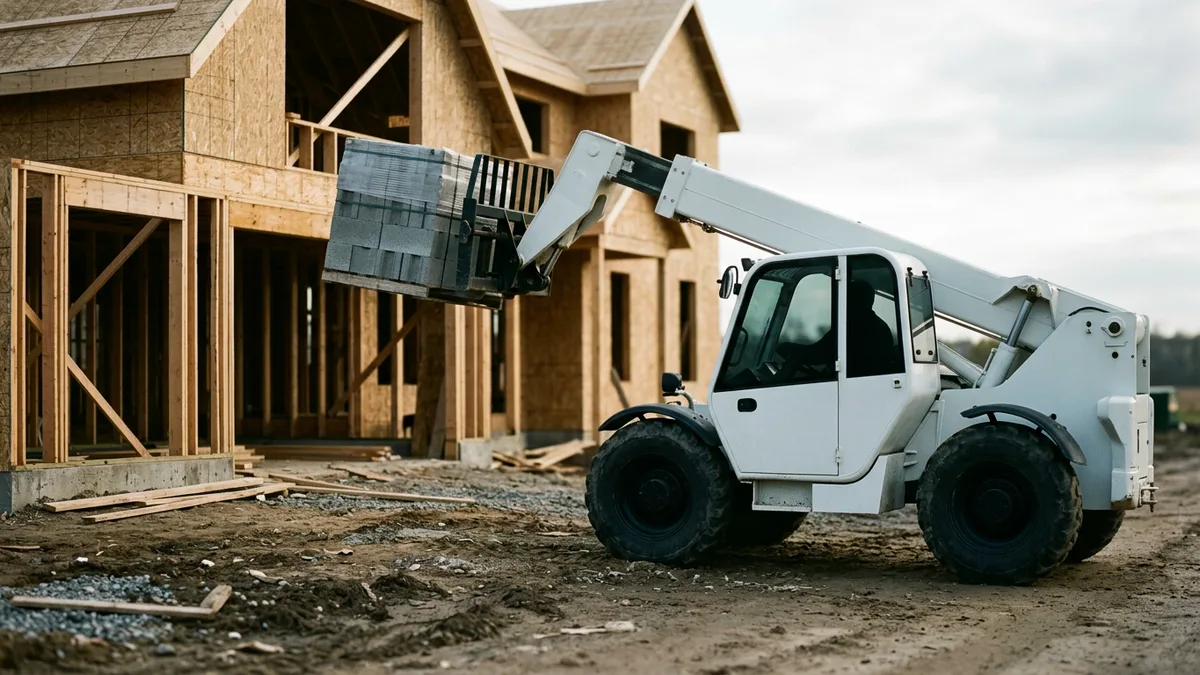
Telehandler financing spreads the cost of a new or used telehandler over a set term, as a loan, an equipment finance agreement or a lease, with the machine itself usually securing the deal.
A telehandler is a forklift on a telescoping boom. Contractors buy one for the reach: a pallet of block on the second floor, a bundle of trusses over a wall. Plenty start by renting. Then the job runs long, and the rent starts to look like payments on something they could own.
This page sits under Paramount Financial’s heavy equipment financing overview and stays on the telehandler. It covers reach, a used boom, and what happens to your rent when you buy the machine you’ve been renting.
How telehandler financing works
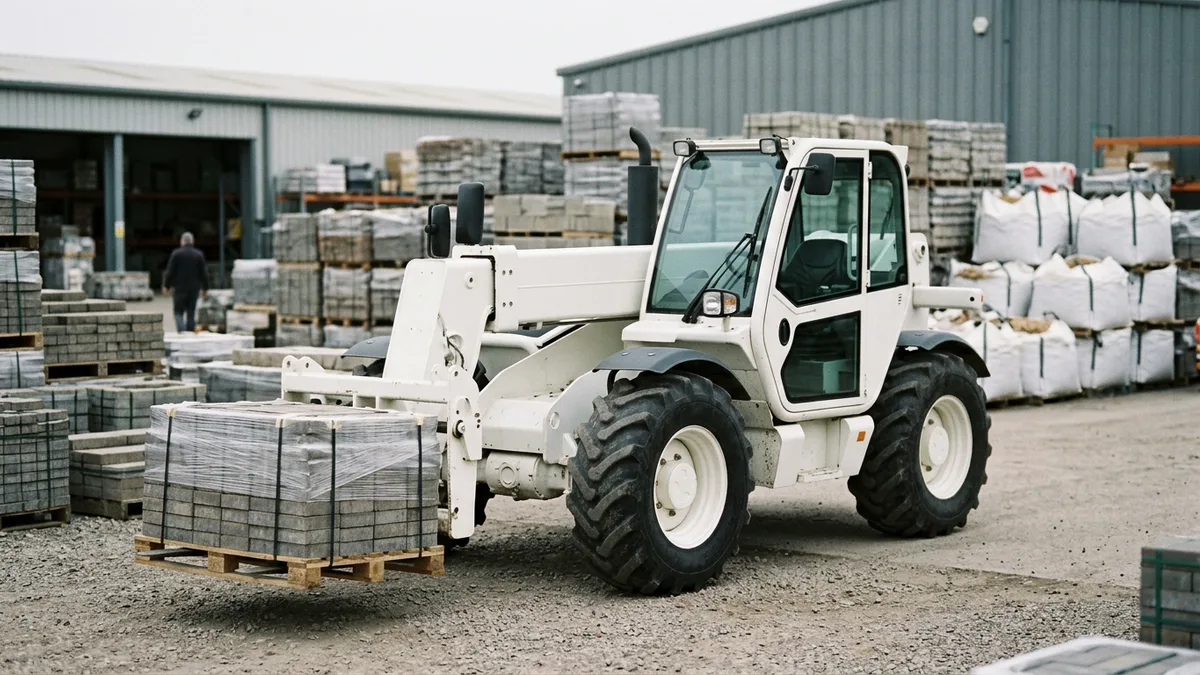
Telehandler financing means a lender or lessor pays the seller and your business repays over a set term. Under a loan or an equipment finance agreement, you own the machine and the lender keeps a security interest in it. Under a lease, the lessor owns it until the term ends. That’s the whole difference.
Lenders usually file a UCC-1 financing statement, a public notice that names the collateral. Describe the machine by make, model and serial number, and make sure that number matches the invoice and the plate on the frame. Match them exactly. Our guide to what a UCC filing is explains the paperwork.
Which telehandler class fits the work?
Telehandlers run from ultra-compact units to ones that reach 55 feet. What a telehandler costs follows capacity, reach, hours and whatever’s on the front. Lenders ask about all four. Three machines show the spread, each from its maker’s own spec page.
Subcompact
Compact
Jobsite
Bobcat’s buyer’s guide sorts machines by work pattern:
Where a site needs two patterns, the guide says two machines can beat one.
Already running a wheel loader or a skid steer? Ask a lender whether it reads both agreements together. A mast forklift that stays on pavement is a different machine. See forklift financing.
Why the load chart matters to a lender
Every telehandler carries a load chart for the attachment on the front. JLG’s explainer describes a grid of reach, measured from the front face of the front tire, against height above the ground, with forks setting the load center 24 inches out.
Put four items on paper:
JLG’s worked example places a 5,000 pound pallet 20 feet up and 10 feet out. The chart says 40 degrees.
One telehandler, three ratings
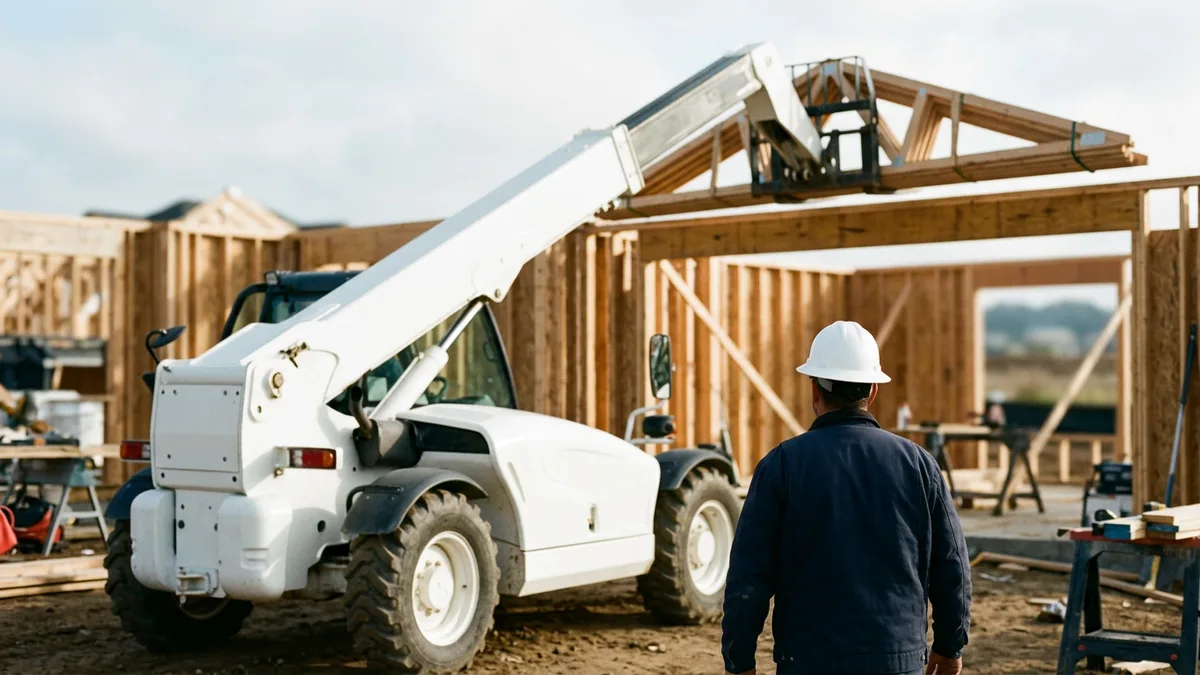
Genie’s GTH-1056 publishes the same three figures, with its maximum height at 56 ft 7 in. Read them as a pattern. A spec sheet shows a machine at its best, and the chart in the cab governs the day’s lift, so the model, the serial number and the attachment list all belong in the file.
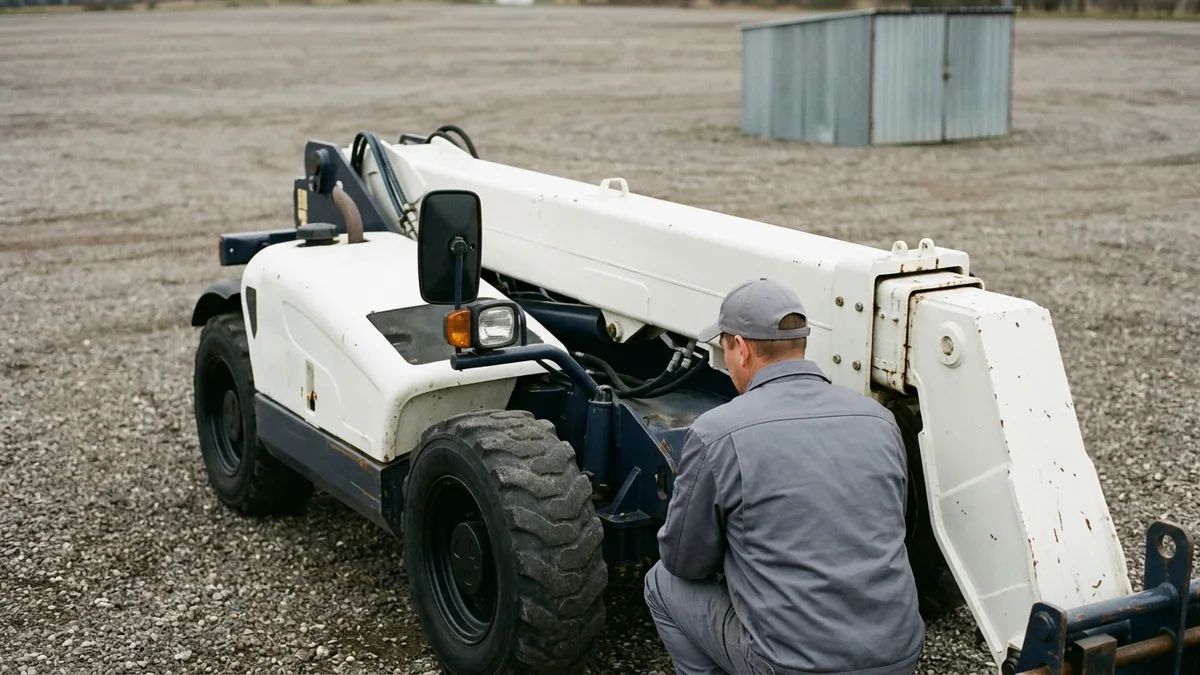
Used telehandler financing starts at the boom
The boom takes the wear. Farmers Weekly’s used-buyer checklist starts with the wear pads at the front and rear of the boom: once the chamfer on their upper edges has worn away, the pads are worn out. Lift & Access adds the hinge point, where cracks, fresh welds or new paint over a repair show up.
The boom
The machine
The paper
Operators need training first. OSHA’s training page lists what 29 CFR 1926.602(d) requires:
Private sales add one search.
Our page on used equipment financing goes further.
Telehandler financing for a rental purchase buyout
A rental purchase option, or RPO, is a rental agreement where part of the rent counts toward buying the same machine. The rental company owns it. If you exercise the option, the credit comes off the price and the balance is financed.
Two rental companies publish how theirs works:
Four routes to owning the same machine
Whether a “lease” is really a lease turns on its purchase option. UCC section 1-203 says an option to become the owner for no extra or nominal payment creates a security interest, while a price stated as fair market value doesn’t.
| Who owns it during the term | At the end | Ask before you sign | |
|---|---|---|---|
| Loan or equipment finance agreement | You do, with the lender’s security interest on it | You own it free of that interest once it’s repaid | Whether attachments ride on the same agreement |
| $1 buyout lease | The lessor on paper, but the UCC treats a nominal option as a financed purchase | You buy it for the nominal amount | What the agreement calls nominal, in writing |
| Fair market value lease | The lessor | Return it, renew it, or buy it at its market value then | Return conditions for hours and wear |
| Rental purchase option | The rental company, until you exercise the option | Part of the rent comes off the price and the balance is financed | The credit percentage, the window and any option fee |
Before you exercise an option, get five answers from the rental company in writing:
A lender will want the paper a rental company already holds:
Our guide to construction equipment leasing sets rental purchase contracts beside true leases and $1 buyouts.
What a telehandler does all day
Other machines, and how the financing side works
What contractors ask before financing a telehandler
Can you finance a used telehandler?
Used telehandlers do get financed. Lenders look harder at hours, service records, the seller and the boom than they do on a new unit, and no single age or hour cutoff applies everywhere. Ask a lender before you make an offer.
Should I lease or buy a telehandler?
Short answer: it depends on how many months a year the machine works. Merlo America’s rent-or-buy page says rent for a short project or a seasonal peak, and buy when you need the machine for years and want your own attachments. A lease sits between. Compare the end-of-term options before the monthly payment.
What does a lender ask for up front on a telehandler?
The better question is what a lender needs to see, because no figure belongs here. Terms differ by lender and by deal, and the machine’s age and condition, the seller, the structure and your business’s own file all move them, so the same telehandler can get two different answers from two lenders. Ask each lender what is due at signing, in writing. Then compare.
What slows telehandler financing down?
Three things usually: missing paperwork, an old lien and a thin service record. A serial number that doesn’t match the invoice, a private seller’s unpaid loan turning up in the UCC search, and a used machine with no work orders all send a lender back for more. Have them ready.
What happens to my rent if I buy the telehandler I’m renting?
Under a rental purchase option, part of the rent counts toward the price and the balance is financed. How much counts depends on the contract: RDO Equipment’s schedule shows the credit at three and six months, and ALL Crane’s option has to be signed with the original rental. A standard rental with no option gives you no credit. Read the agreement first.
Can forks, a bucket or other attachments go on the same agreement?
Attachments bought with the telehandler often ride on the same agreement, but that’s the lender’s call. Ask first. Itemize each one on the seller’s invoice: forks, bucket, truss boom or coupler. JLG writes its load charts per attachment, so a lender can see exactly what it’s paying for, which forks or tool the rated capacity belongs to, and what the machine can safely lift with each one.
Got a telehandler picked out?
You can start your application now, or leave your contact details below and a member of our team will follow up.