
Last updated: November 10, 2026
Lab Equipment Financing and Leasing for Research and Testing Labs
Compare lease and loan paths for analytical instruments, centrifuges and clinical analyzers before you commit to a structure.
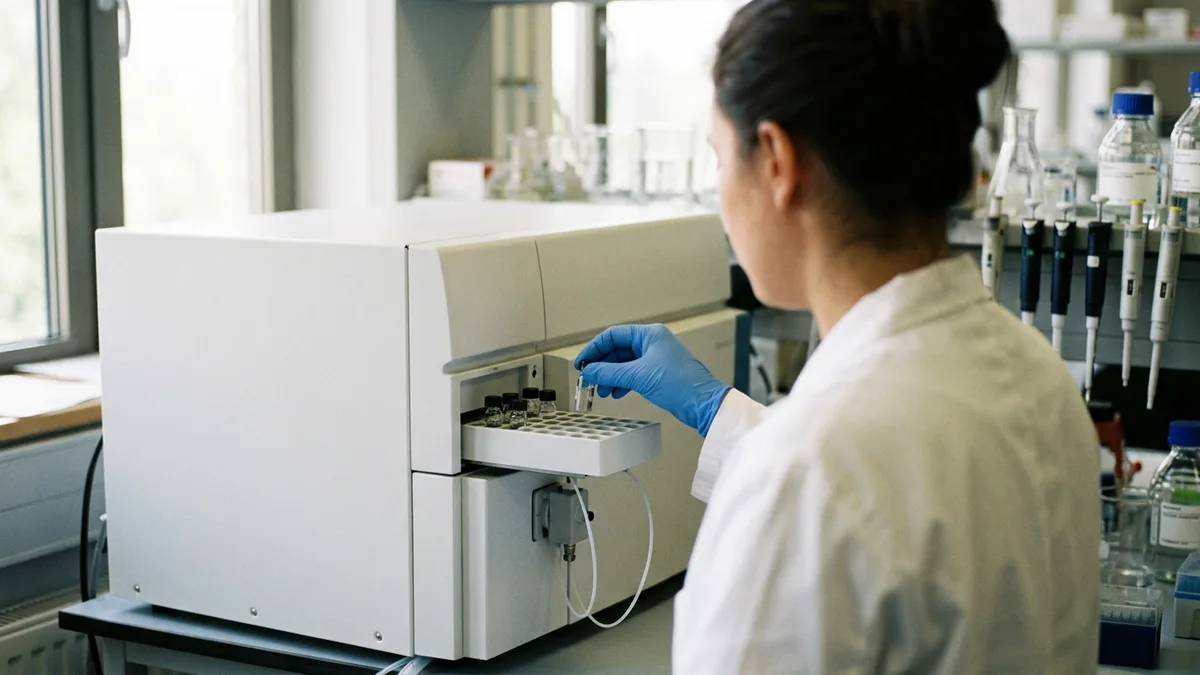
Lab equipment financing spreads the cost of instruments over a loan or lease term. Which structure fits depends on how quickly the instrument becomes outdated, and whether the lab wants to own it when the term ends.
Research labs, contract testing labs and the clinical labs inside medical practices all buy instruments, and they rarely buy them the same way. This page sits under our guide to commercial equipment financing and goes deeper on lab equipment, with the instruments, the buyers and the structures that tend to matter when a lab sizes up a lease against a loan.
Below: how instruments age, what lenders look at on used units, and the paperwork worth lining up. Prefer to talk it through? Talk to Paramount Financial’s team. Either works.
Which lab equipment goes out of date, and which doesn’t
Lab instruments get replaced for two different reasons. Some wear out. Most get outdated first. A sequencer doesn’t stop running when a newer model arrives, but the lab that owns it may still want the new one.
Instruments on a technology cycle
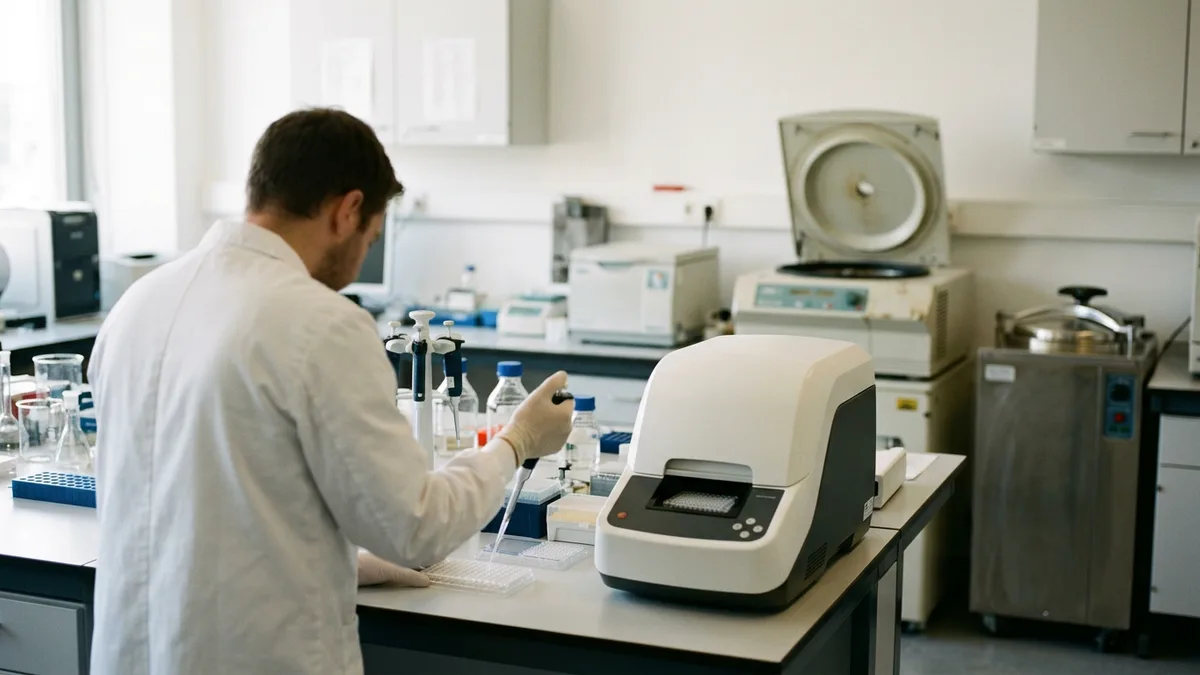
DNA sequencers, mass spectrometers, real-time PCR systems and hematology and chemistry analyzers live here, along with anything run by software the maker keeps updating. A lease with a fair market value buyout leaves the exit open, so the lab can return the instrument, renew the lease or buy it when the next generation shows up. Buying can still make sense if the instrument will stay busy well past the term. Run the numbers both ways.
Instruments that stay in service
Centrifuges, autoclaves, biosafety cabinets, fume hoods, ultra-low-temperature freezers, incubators and analytical balances tend to outlast the technology around them. A loan or an equipment finance agreement suits that gear, because the lab owns it once the balance is paid. Long life, long ownership.
Research, testing and clinical labs buy differently
A lab’s work shapes how it buys. These four patterns come up most, and each one nudges the choice of structure.
Clinical testing adds a layer of rules. The Centers for Medicare & Medicaid Services regulates laboratory testing performed on humans through the Clinical Laboratory Improvement Amendments (CLIA) program, which covers approximately 320,000 laboratory entities, so a lab that tests human specimens for health purposes should confirm where it falls before it buys.
Quality rules follow the instrument. CLIA applies to clinical labs, and many testing labs work to ISO/IEC 17025, the competence standard for testing and calibration labs. So ask who keeps the calibration, service and validation records on a leased instrument, and get the answer written into the lease before the instrument is delivered and its first calibration comes due.
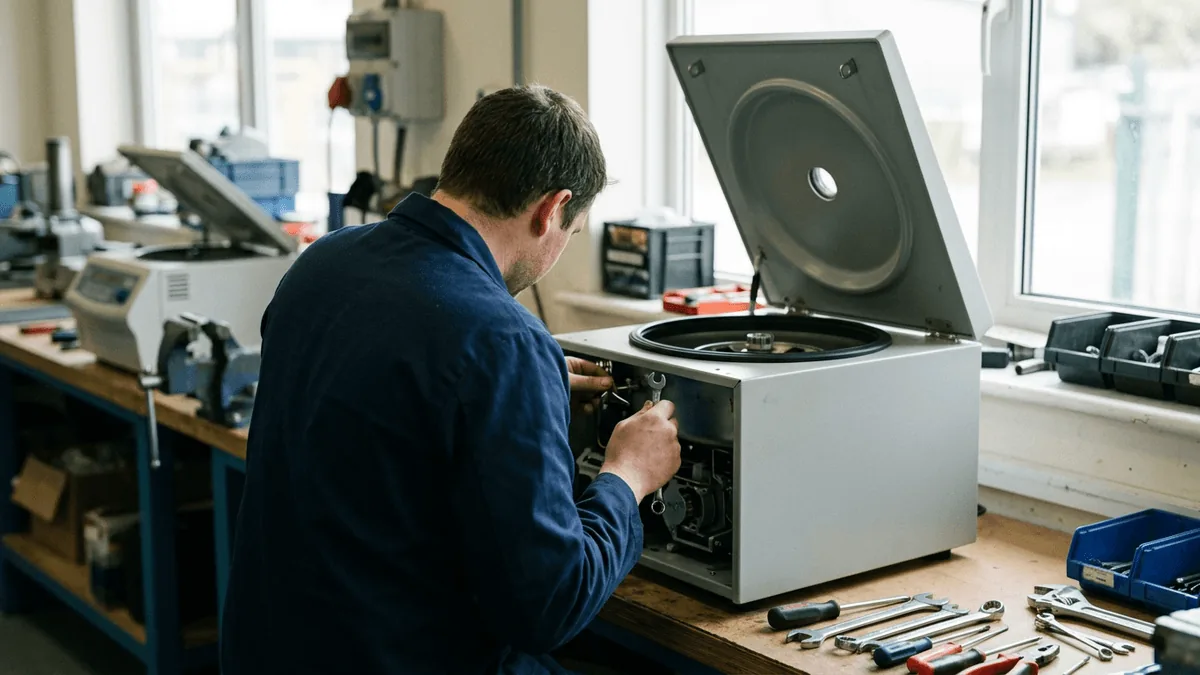
Used and refurbished lab equipment
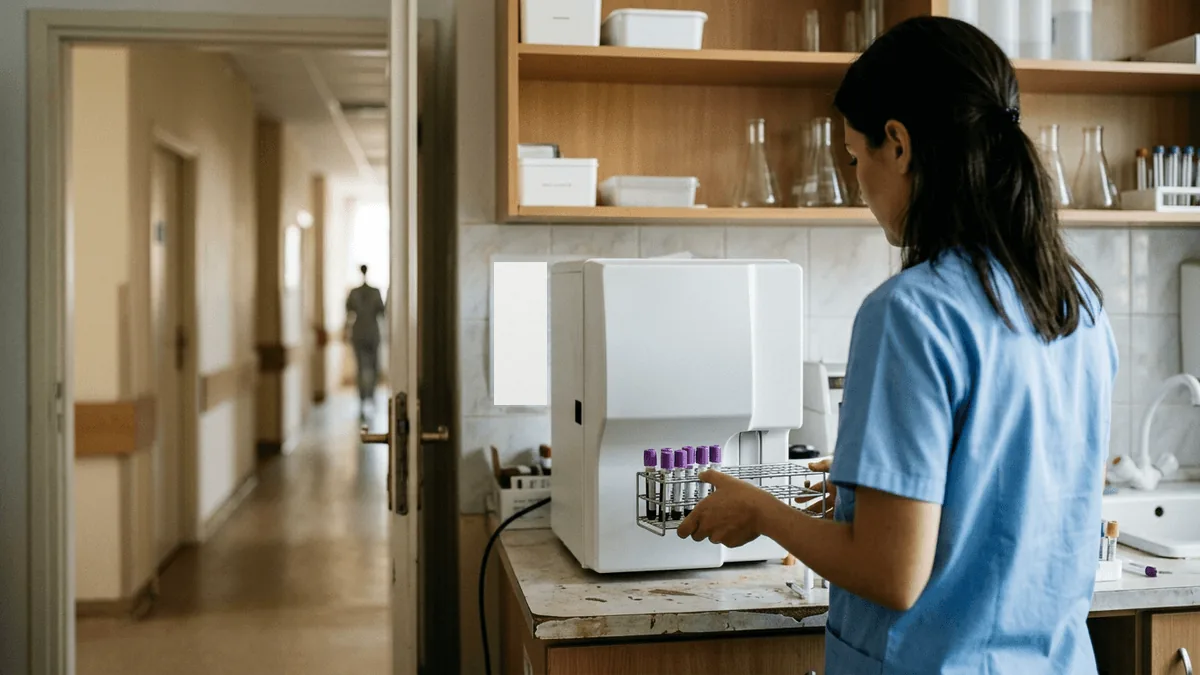
A refurbished analyzer or a used centrifuge can look like a bargain, and sometimes it is. It also changes the paperwork. Without a new-unit price list to anchor on, a lender looks harder at age, condition, service history and what the instrument would fetch on resale, since resale value is what the lender falls back on if payments stop.
What to have ready
Then compare the whole cost of keeping the instrument running, service plan and installation included, not just the figure on the quote. A unit that’s cheaper to buy and dearer to maintain isn’t really cheaper. Our guide to used equipment financing goes further on older machines. Paperwork first.
Lab equipment financing structures compared
A fair market value lease sets the buyout at what the instrument is worth when the term ends. The lab can return it, renew the lease or buy it. Instruments replaced on a technology cycle are the usual fit, because the lab isn’t left holding last generation’s model. Mind the end date.
| Structure | Who owns it during the term | At the end of the term | Where it tends to fit in a lab |
|---|---|---|---|
| Fair market value lease | The lessor | Return it, renew or buy it at its then-current value | Sequencers, analyzers and other instruments replaced on a cycle |
| $1 buyout lease | Structured so the lab keeps it | The lab keeps it for a nominal payment | Instruments the lab plans to run for years |
| Loan or equipment finance agreement | The lab, with the lender holding a security interest | Already the lab’s once the balance is paid | Long-lived equipment, and units the lab may resell or trade in |
In a loan or an equipment finance agreement, the lender usually records its interest with a UCC-1 financing statement, so ask whether it names one instrument or all of your business assets, and get the answer in writing before you sign. A $1 buyout lease works the other way round: the business keeps the instrument for a nominal payment at the end. Ask early.
Equipment financing in numbers, from ELFA’s 2026 survey
87%
of end-users used some form of financing for the equipment and software they acquired in 2025
72%
of end-users named optimization of cash flow among their top reasons to finance
54%
of end-users named protection from equipment obsolescence among their top reasons to finance
What to line up before you apply
Pages to read next
Questions labs ask before they finance an instrument
Should a lab lease or buy its instruments?
Short answer: it depends on how quickly the instrument goes out of date, and on whether the lab would rather own it or hand it back.
Sequencers, mass spectrometers and analyzers turn over on a technology cycle, so they usually point toward a lease with an end-of-term option, while centrifuges, autoclaves and freezers stay in service for years, and that points toward owning them. If grant money or a contract sets the budget, match the term to it. Worth a call to your accountant.
Can a leased instrument still be calibrated, validated and accredited?
The lab’s quality rules follow the instrument, owned or leased, so the lease needs to say who keeps the calibration and service records.
Clinical labs answer to CLIA, and many testing labs work to ISO/IEC 17025. Ask your lab director or accreditation body what a leased unit needs, then settle who schedules calibration, who pays for requalification after a move and who keeps the records when the lease ends. Get it in writing.
How do lenders look at used or refurbished lab equipment?
A refurbished analyzer gets a closer look than a new one, because there’s no list price to check the quote against.
Age, condition and service history carry more weight, and so does knowing who’s selling. Serial numbers and calibration certificates help. A private-party sale means different paperwork. Records matter.
Can a new lab finance its first instruments?
Lenders reviewing a newer business tend to look harder at the equipment and the owner’s experience, so a new lab can start by showing both.
A quote that names each instrument, the lab director’s background and a plan for the first year of work all help the file. Expect more questions than an established lab would get. Be ready.
What costs come with a lab instrument besides the price?
Four costs tend to sit outside the quote: installation, validation, service and consumables.
Benches, power, ventilation and rigging may need work before the instrument arrives, and validation takes staff time. Reagents, filters and calibration standards keep arriving after that. Get each one from the vendor in writing, then ask your lender which, if any, can go into the request. Surprises get expensive.
What slows down a lab equipment financing request?
Mismatched or missing paperwork is a common cause, and a vendor quote that never names the exact model is the classic.
The lender needs the instrument described closely, the seller identified and the business details to match on every document, and a used unit adds service records on top. With several sites, there’s one more question: which entity signs, and which one runs each lab? Paper first.
Can a lab deduct equipment it leases or finances?
Sometimes, and the answer depends on how the deal is structured and on the tax year.
The IRS explains how business property is depreciated in Publication 946 (2025), and Form 4562 is the form used to claim the deduction and make the Section 179 election. Section 179 and the special depreciation allowance have limits that change by tax year, so check the current figures on irs.gov. Consult your tax advisor before you choose a structure for tax reasons.
Have a lab equipment quote in hand?
Share the instrument, the vendor and when you need it installed, and our team will take it from there. Prefer the application? Start your application online. Either works.