
Tax Treatment of Leased Equipment: Deducting Lease Payments vs Depreciating Owned Equipment (2026 Tax Year)

Key takeaways
The benefits of leasing equipment at tax time depend on who the IRS treats as the owner: on a true lease the business generally deducts payments as rent, while an owner depreciates the equipment or elects Section 179.
- The end-of-term clause says more than the word “lease” on page one.
- Rent follows the payments. An owner recovers cost another way.
- A nominal buyout points toward a purchase, not a rental.
- Consult your tax advisor before signing, with every draft in hand.
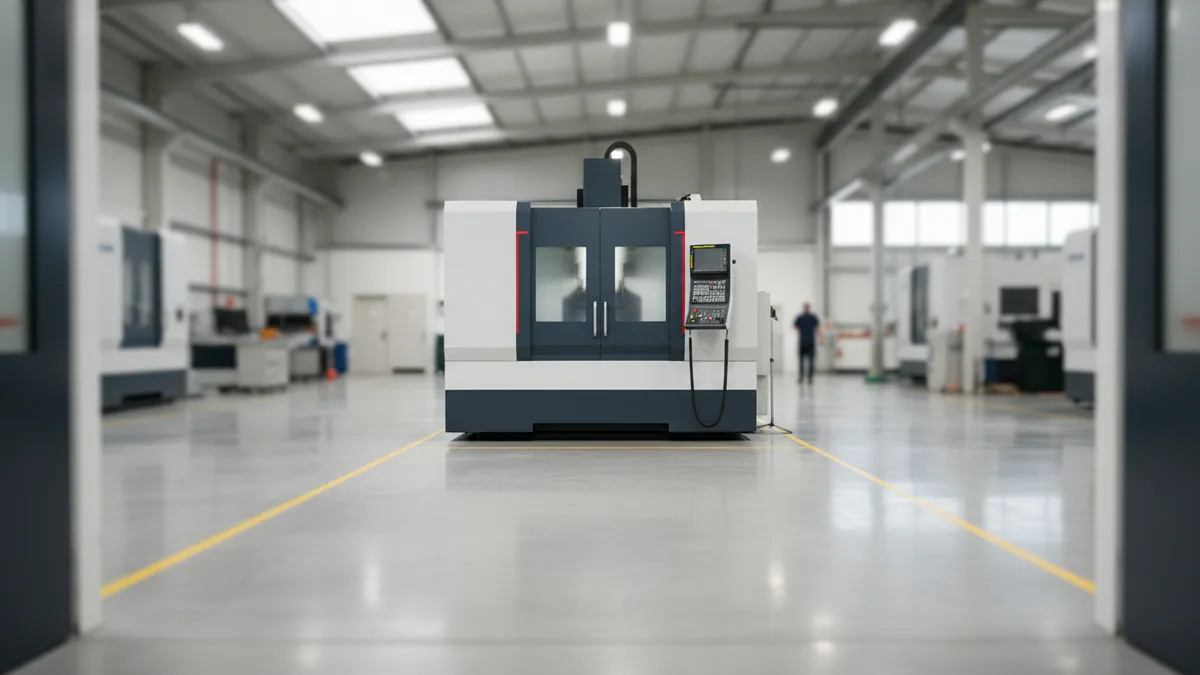
Picture a machine shop owner holding two quotes for the same CNC machining center, one a lease and one an equipment finance agreement, with the monthly numbers sitting close together. The benefits of leasing equipment can still look nothing alike across the two at tax time, because for tax year 2026 the IRS asks who owns the machine, not what the contract is called. Our Section 179 deduction guide covers the owner’s side. This post covers the renter’s.
We should say where we sit. Paramount Financial finances equipment, so a lease or a loan helps us. A cash buyer is the owner for tax purposes too, and sometimes cash is the better call. Everything here is educational, and your tax advisor makes the call for your return.
Leasing Equipment for Tax Purposes, Defined
In tax terms, leasing equipment means paying rent for property someone else owns. The IRS lets a business deduct rent on property it uses in its trade or business and doesn’t own, but not rent that buys the business equity or title. An owner recovers the cost through depreciation, or a Section 179 election, instead.
That’s nearly the IRS’s wording. Publication 334 says rent is any amount you pay for the use of property you do not own, and that if you have or will receive equity in or title to the property, you can’t deduct the rent. The statute under it, section 162(a)(3) of the Internal Revenue Code, reaches rentals or other payments required as a condition of continued use or possession of property in which the taxpayer has taken no title and holds no equity.
No title, no equity. Those two phrases do most of the work.
How a Lessee Deducts Lease Payments
Rent follows the calendar. A lessee deducts it in the year it’s paid or accrued, for the use the machine gave the business that year. Pay ahead and Publication 334 lets the business deduct only the part that applies to that tax year, with the rest waiting for the period it covers, so a prepaid lease isn’t a way to pull next year’s rent into this one.
The deduction arrives payment by payment. A purchase with a Section 179 election can put much of the cost into the first year, inside the limits further down. A true lease generally doesn’t.
One carve-out surprises owners. A business that doesn’t hold the incidents of ownership generally can’t depreciate leased property, but IRS Publication 946 says it can depreciate the capital improvements it makes to that property. The machine isn’t its asset. The retrofit might be.
Somebody still takes the depreciation on a leased machine. On a true lease, that’s the lessor, because Publication 946 says a person who leases property to someone else can generally depreciate its cost. It sits on the lessor’s return. Not yours.
The end of the term changes the picture. A lease that ends with a return leaves the business with nothing to depreciate and nothing to sell. One that ends with a purchase option is a purchase like any other, and the price paid is generally the starting cost for depreciation from then on.
Five Clauses That Point to the Owner
Publication 946 calls them the incidents of ownership. Hold them and you’re treated as the owner, even with a loan outstanding: its own example is a van bought for a courier business and paid off over five years, which the business owns and depreciates. Inside a lease, the five show up in different places.
- Legal title. Page one names the lessor. The end-of-term clause says who it names at the end.
- The legal obligation to pay for the property. Does the payment schedule read like a rental, or like a plan for buying a machine the business ends up keeping?
- Maintenance and operating expenses. Publication 946 says a lessor can generally still depreciate property when the lessee agrees to maintain it, so this one proves little alone.
- Property taxes on the equipment. Who gets the bill?
- Risk of loss. If the machine is destroyed, or loses its value through obsolescence, who carries that?
None of the five settles it alone, so read them together. Then go back to the end-of-term clause, since that’s where title moves. We’re simplifying a little. Real agreements run to more than five clauses, and your tax advisor reads all of them.
Section 179 and Leased Equipment
An owner has two routes. Depreciation spreads the cost across the equipment’s recovery period. A Section 179 election takes some or all of it in the year the equipment is placed in service, up to a limit, and Publication 946 requires the property to be acquired by purchase. A business that rents a machine on a true lease hasn’t bought it, so it has nothing to elect.
$2,560,000
The maximum Section 179 expense deduction for tax years beginning in 2026, reduced once the cost of Section 179 property placed in service in the year passes $4,090,000.
The limit isn’t everything. An SUV is capped at $32,000 for 2026, and trucks and vans follow rules of their own, which our guide to Section 179 for trucks and vans covers.
Bonus depreciation sits beside it. For qualified property acquired and placed in service after January 19, 2025, IRS Topic no. 704 puts the special depreciation allowance at 100%, taken after any Section 179 deduction. Both belong to an owner. Financing doesn’t change who that is, because Publication 946 treats a buyer as the owner while a loan is still outstanding. Our guide to how bonus depreciation works with Section 179 goes deeper.
Timing is the owner’s lever. Publication 946 dates a machine’s start by when it’s ready and available for its specific use, so a machine delivered last year but not installed and operational until this year is placed in service this year. Delivery isn’t the tax date.
Leasing Equipment and Taxes Side by Side
Here are three common structures, read for tax. Lessors name them differently. Match the contract’s terms, not its title.
| Finance agreement | $1 buyout lease | True lease | |
|---|---|---|---|
| Likely tax owner | The business | Often the business | The lessor |
| Deducted as | Depreciation | Depreciation, if a purchase | Rent |
| Section 179 | May apply | Depends on the contract | Not for the leased machine |
| End of term | Business keeps it | Buys it for a nominal amount | Return, renew, or buy at fair market value |
The first column is an equipment finance agreement, the second a $1 buyout lease, and the third a true lease that ends with a fair market value (FMV) lease option. Accounting and UCC labels don’t always match the tax answer, which our operating lease vs finance lease guide sorts out.
Questions to Settle Before You Sign
- Find the end-of-term clause. Return, renew, or buy at fair market value reads like a rental. A purchase price of a dollar, or any nominal amount, reads like a sale.
- Mark the five clauses above: title, the obligation to pay, maintenance and operating expenses, property taxes, and risk of loss. Note which ones sit with the business.
- Ask the lessor how the contract was written to be treated. The answer isn’t tax advice, but it shows what the paper was built to be.
- Keep the signed agreement, any amendments, the payment schedule, and the date the machine was ready for use.
- Hand both drafts to your tax advisor, along with the tax year 2026 figures above. Consult your tax advisor before you sign, not when you file.
You may not need financing at all. A business paying cash, or drawing on a credit line it already has, is the owner for tax purposes from the start. Price that route first. Then compare the quotes against it, and keep the full equipment lease agreement terms in front of you while you do.
Questions Owners Ask About Lease Taxes
So is every lease payment deductible?
Not every one: rent on equipment the business doesn’t own is generally deductible, but payments that build equity or lead to title aren’t rent. Publication 334 draws that line in its Rent Expense section. A nominal buyout is one way a lease ends up on the wrong side of it.
Who depreciates a leased machine, the business or the lessor?
Whoever holds the incidents of ownership, which on a true lease is usually the lessor. Publication 946 says a lessee generally can’t depreciate leased property but can depreciate improvements it makes. That’s the rule. The contract’s wording decides which side a given lease lands on.
Can Section 179 be claimed on a leased machine?
Short answer: only if the business is treated as having bought it. Publication 946 says the property must be acquired by purchase, so a true lessee has nothing to elect. A lease that ends in a nominal buyout may be read as a purchase, and the contract decides.
What if the IRS reads my lease as a purchase?
Then the deduction goes away. Under Publication 334, rent isn’t deductible when the business has or will receive equity in or title to the property, and the business is treated as the owner instead. Your tax advisor can say what that means for returns already filed.
Where does a Section 179 election actually go on the return?
Form 4562, Part I, titled “Election To Expense Certain Property Under Section 179” in the IRS instructions. The business lists the property and its cost there. A business renting a machine on a true lease generally has nothing to list. No purchase, no cost.
Does it matter that the business pays for repairs and insurance?
By itself, not much. Publication 946 says a lessor can generally still depreciate property when the lessee agrees to maintain it. The exception is a lease that requires the lessee to return the same property, or its equivalent in value, in as good condition and value as when leased, and that one takes depreciation away from the lessor. Read the return clause.
Next Steps
Two drafts on your desk? Read leasing vs buying equipment first, then the Section 179 guide for tax year 2026 for the owner’s side. To see how Paramount Financial finances equipment, visit our equipment leasing page, or start an application. Then consult your tax advisor before you sign anything.