
Last updated: November 13, 2026
Compact Track Loader Financing: New and Used CTLs for Contractors
How the undercarriage, lift path and attachments shape a loan or lease, and what to gather first.
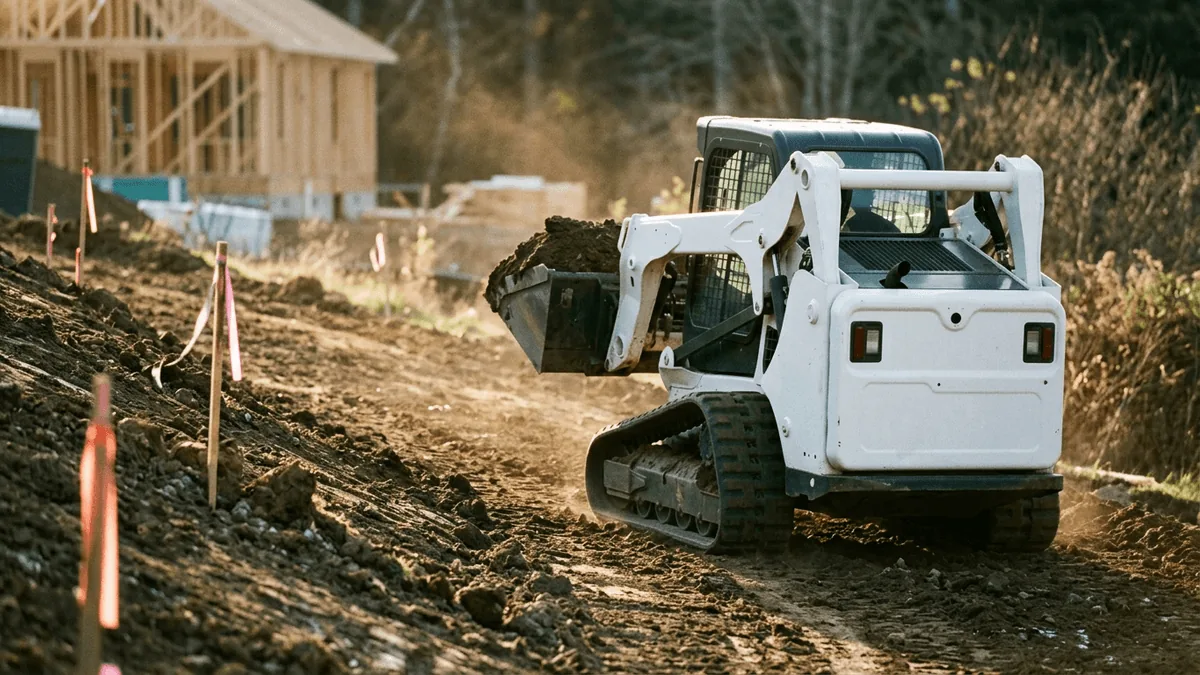
Compact track loader financing spreads the cost of a new or used compact track loader over a set term, as a loan, an equipment finance agreement or a lease, with the machine itself usually securing the deal.
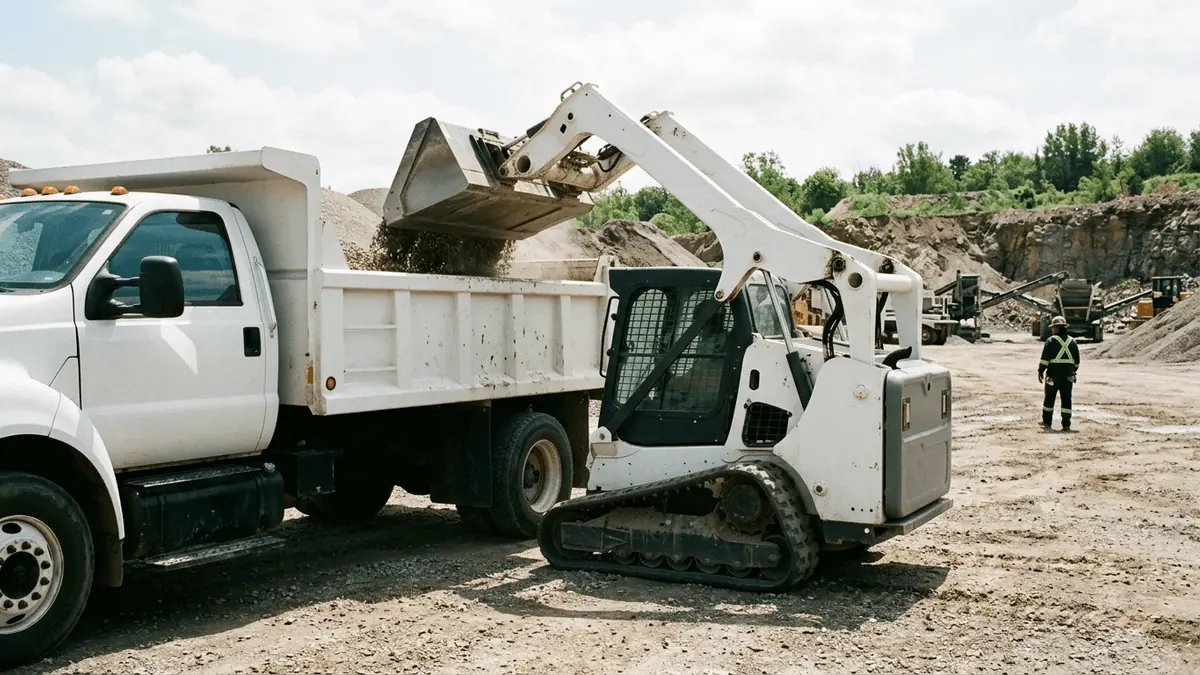
A compact track loader is a skid steer on rubber tracks. CTL for short. Contractors buy one for ground that wheels can’t handle: mud, sand, a graded slope, a lawn they’d rather not tear up.
This page sits under Paramount Financial’s heavy equipment financing overview and stays on the track loader. The tracks, the lift arms and the tools on the front each change what a lender sees. For wheels, see skid steer financing.
How compact track loader financing works
Compact track loader financing means a lender or lessor pays the seller and your business repays over a set term. Under a loan or an equipment finance agreement, you own the loader and the lender keeps a security interest in it. Under a lease, the lessor owns it until the term ends. Same machine, different ownership.
Lenders usually file a UCC-1 financing statement, a public notice that names the collateral. For a CTL that means the make, model and serial number. They should read the same on the invoice, the filing and the plate on the machine. Match them exactly.
Used compact track loader financing starts at the undercarriage
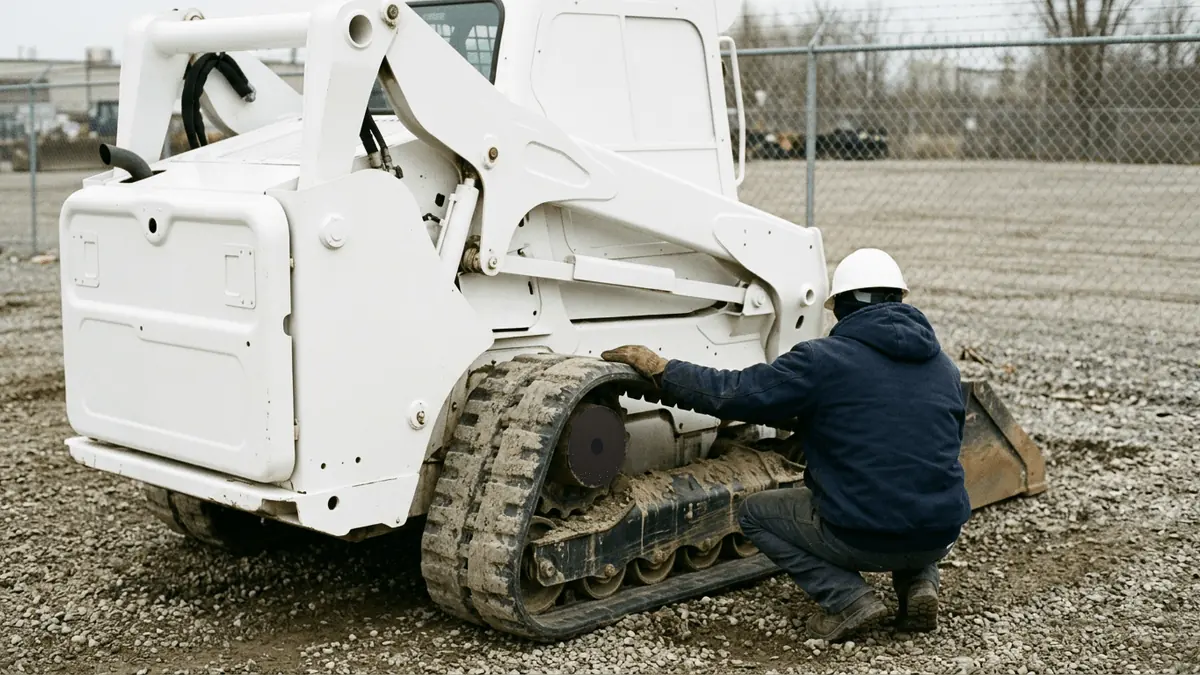
The undercarriage is the part that wears, and the part you’ll pay to replace. Cat’s owner guide lists what to look at every day: dents, bent track pads, leaks, and wear to the pins, bushings, sprockets and the rubber track itself, which is the list a buyer can work through on a used machine. Look closely.
The rubber gives warning. Cat adds that metal-reinforced rubber tracks don’t tend to split without prior signs, and that bushings aren’t worn away overnight.
The tracks
Rollers and idlers
Sprockets and pins
How the loader was run shows in the tracks. Cat names the habits that wear them out: counter-rotating, which holds one track still while the other turns, sharp turns on jagged rock, and working across a slope instead of up and down it. Ask the seller where the loader worked. And who ran it.
Heavy Equipment Guide’s July 2026 buyer’s piece adds a question for the dealer. How long should the undercarriage last, what does it cost to replace and how often does it need service? Get the answers in writing before you make an offer.
Private seller? One more search.
Our page on used equipment financing goes further.
Radial or vertical lift, rigid or suspended tracks
Two choices on the spec sheet shape what the loader does all day, and the product managers Heavy Equipment Guide interviewed, from JCB, CASE, Yanmar, Takeuchi and other makers, sort them like this:
Neither is a financing term. But the undercarriage type shows in the price, and the price shows in the amount financed, so write the lift path and the undercarriage type into the paperwork before you sign.
One compact track loader, two ratings
2,700 lb
Rated operating capacity at 50% of tipping load
The bar is to scale. Wacker Neuson’s ST27 prints the same pair, 2,700 and 1,890, but most loaders in the guide print one unlabeled figure. Put the percentage next to the number before you compare two models, and note that SAE’s J818 standard counts only hydraulic lift and tipping capacity and allows that some conditions call for a smaller load.
What each attachment asks of the loader
Tools are half the list. Takeuchi’s product manager told Heavy Equipment Guide that auxiliary hydraulic performance can matter even more than horsepower, and that mulchers, cold planers, trenchers and brush cutters need enough hydraulic capability to run well.
Spec sheets show the gap. Takeuchi’s TL10V2 lists 18.8 gallons a minute of standard hydraulic flow and 32.8 on its high-flow circuit.
| What to confirm | What goes on the paperwork | |
|---|---|---|
| Bucket or pallet forks | Its width against the tracks, since a bucket can sit inside them or reach past them | Size, type and rated load of each |
| Auger or grapple | That the loader’s standard auxiliary hydraulics can run it | The make and model, listed apart from the loader |
| Mulcher, brush cutter, cold planer or trencher | A high-flow option on the loader that matches the tool | The tool’s flow rating and the loader’s option |
| Snow pusher or blower | The months it earns its keep | Its own line on the invoice |
Tools bought with the loader often ride on the same agreement, but that’s the lender’s call. Ask first.
Renting one now?
Where the tracks earn their keep
More machines and the financing behind them
What contractors ask before financing a track loader
Can you finance a used compact track loader?
Used compact track loaders get financed, and Heavy Equipment Guide’s July 2026 piece tells buyers to ask the dealer for three things about the undercarriage:
Should I buy a compact track loader or a skid steer?
The ground decides. Bobcat’s European buyer’s guide puts tracks on soft, wet, sandy or sloped sites and wheels on hard, flat surfaces.
Do I need a down payment on a compact track loader?
No single figure applies, because lenders set what is due up front and four things move it:
Ask each lender in writing.
Can attachments go on the same agreement as the loader?
Often, but it’s the lender’s call.
What slows compact track loader financing down?
Three things send a financing file back, and you can check all three before you apply:
Can I finance a compact track loader with imperfect credit?
Credit is one input, and a lender weighs it beside four others:
Got a compact track loader picked out?
You can start your application now, or leave your contact details below and a member of our team will follow up.