
Last updated: November 16, 2026
Med Spa Equipment Financing for Aesthetic Lasers and Devices
Compare loan and lease paths for lasers, light devices and treatment rooms before you accept a vendor quote.
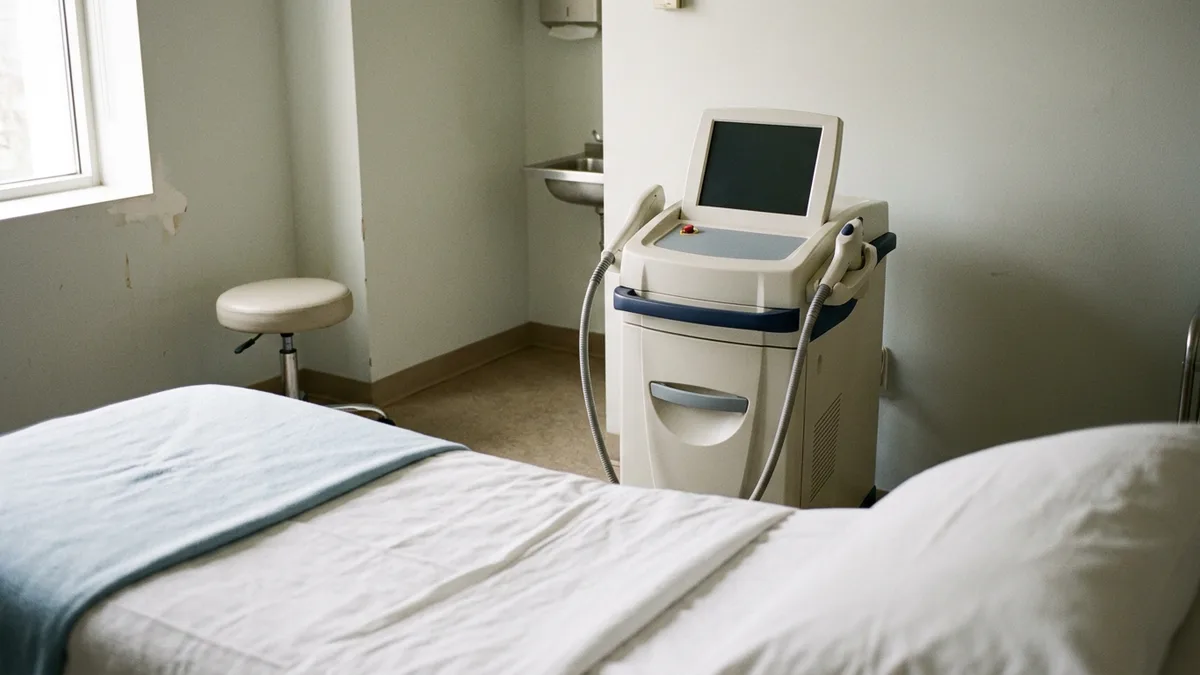
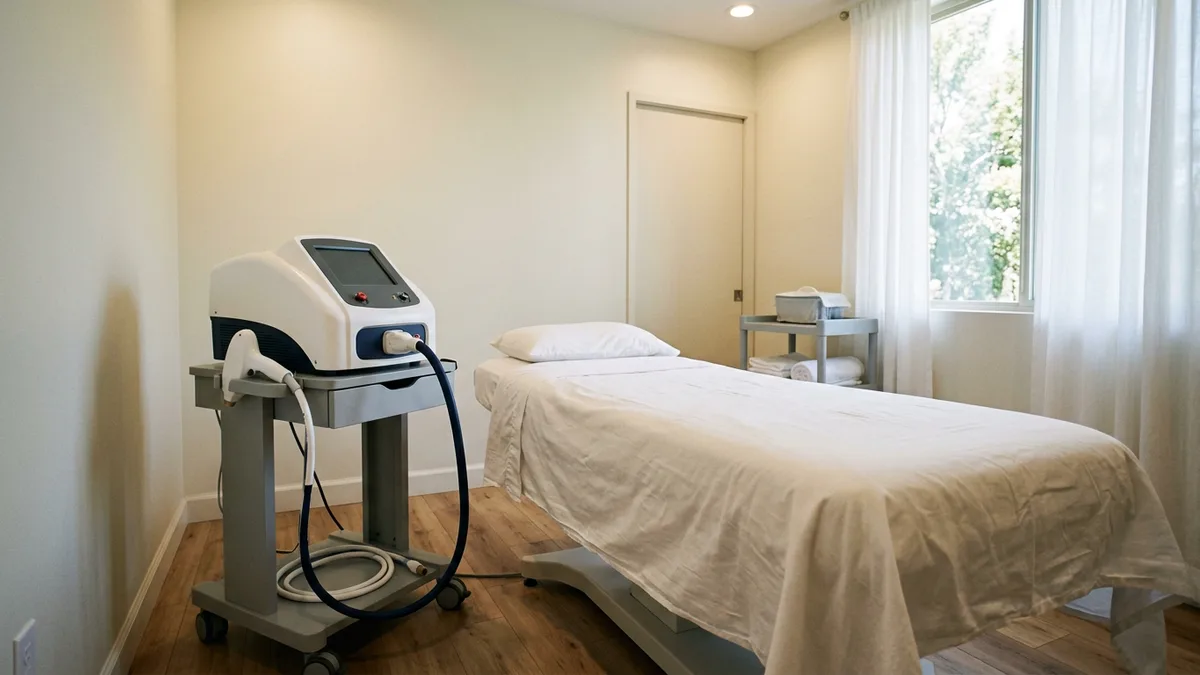
Med spa equipment financing lets a practice pay for lasers, light devices and treatment-room equipment over time with a loan or a lease. The right structure depends on how long each device stays current.
The American Med Spa Association counted 10,488 medical spas in the United States in 2023, and 81% of them were single-location businesses. Each one buys devices on its own schedule, usually from a vendor’s quote. Quotes differ. This page sits under our guide to equipment financing by industry and goes deeper on the med spa side.
Below: how to read a device quote, what the FDA says about lasers, what to have ready for an older unit and how the structures compare when a lease and a loan are both on the table. Questions go to Paramount Financial’s team.
Med spa equipment financing, one quote line at a time
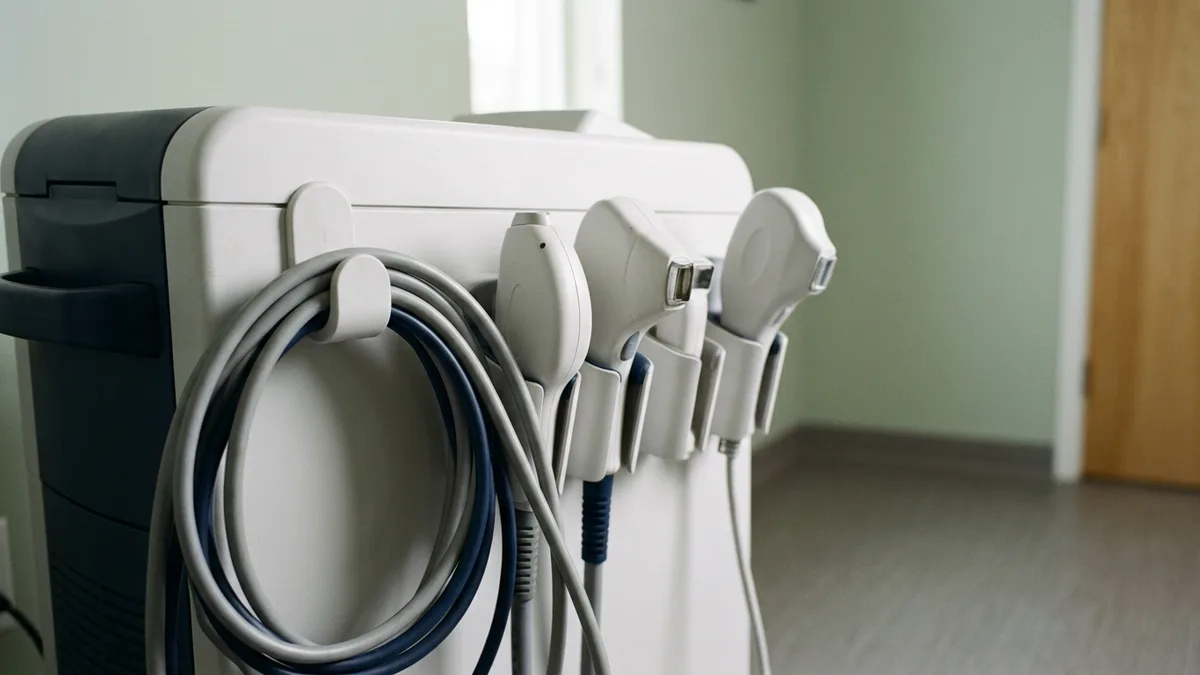
Start with what’s on the quote. An energy device is rarely one box. Three lines, really. Each one ages on its own clock.
The console
The handpieces
The service plan
Items you’ll keep in service point toward owning them. Price each line.
Class IV lasers and the rules around the room
The FDA recognizes four hazard classes of lasers, I to IV. The higher the class, the more powerful the laser and the greater the potential for serious injury if it’s used improperly. Class IV includes medical device lasers for skin treatments. It’s the highest.
The agency’s laser FAQ adds that some lasers are strictly for use by medical, industrial or entertainment professionals and should only be used by a person with appropriate training and licenses. Who qualifies to run a given device in your state is a question for your own counsel.
Ask the seller for the clearance
Medical lasers go to the FDA as premarket notifications, known as 510(k)s, and the agency’s guidance for medical laser submissions is written for the manufacturers, distributors and importers who put them on the market. Ask the seller to name the 510(k) for the exact model. Then read it.
A device you can’t staff sits idle while the payments run. Staff first. Then pick a structure.
Used and refurbished aesthetic lasers
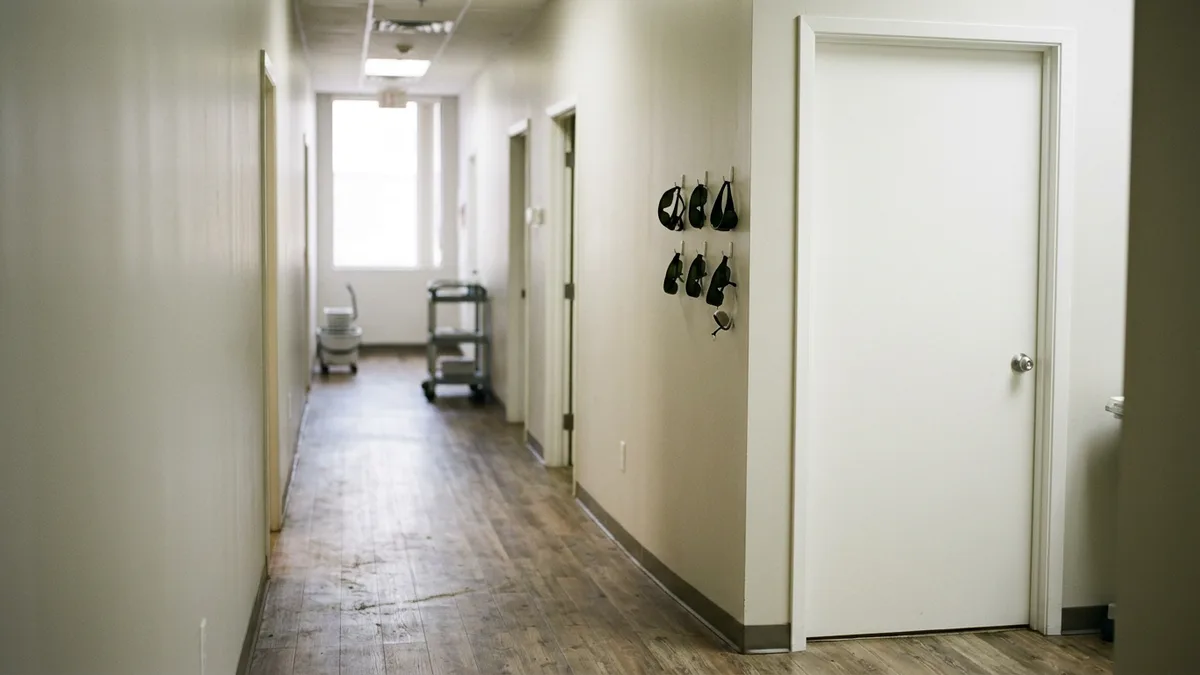
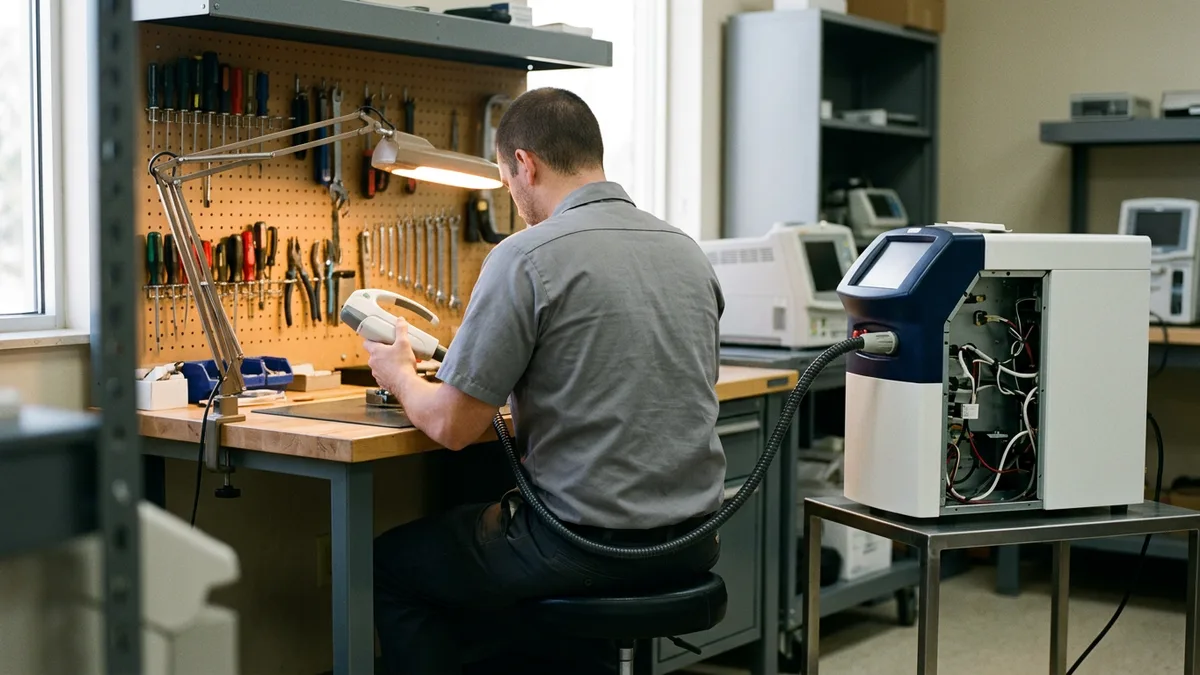
An older unit comes with a paper trail, or it doesn’t. The FDA treats servicing a device and remanufacturing it as different acts, and its definition of a remanufacturer covers any person who “processes, conditions, renovates, repackages, restores, or does any other act to a finished device that significantly changes the finished device’s performance or safety specifications, or intended use.” Ask which one the seller did. Records count.
What to have ready
Who buys med spa equipment, and when
Who’s buying? Start there.
A new med spa
A medical practice adding aesthetics
An established med spa adding a device
A group with several locations
Med spa equipment financing structures compared
Two families cover most med spa equipment financing. In a loan or an equipment finance agreement, the spa owns the device from the first day and the lender holds a security interest until the balance has been repaid in full. In a lease, the lessor owns the device during the term, and the ending depends on the lease type.
Both end differently.
| Equipment area | What dates it | Structure that tends to fit | Worth asking |
|---|---|---|---|
| Laser platforms such as diode, Nd:YAG and fractional CO2 | Platform generations and handpiece wear | A fair market value lease with a renew-or-buy ending; a loan for a platform you’ll run until it wears out | How handpieces are priced and counted |
| Intense pulsed light and LED panels | Technology cycles and replaceable light sources | Either path; a lease for units you swap on a schedule | What the replaceable parts cost and who changes them |
| Radiofrequency and body-contouring systems | New generations and the applicators | A fair market value lease where the vendor updates often; a loan for a unit you’ll keep | Whether tips, cartridges or applicators are sold apart |
| Facial machines and hydrodermabrasion units | Wear, more than technology | A loan or equipment finance agreement; a $1 buyout lease for a unit you’ll keep | Whether supplies are priced with the unit |
| Treatment beds, chairs and room furniture | Wear and the look of the room | Often bought outright or folded into a larger package | Whether it’s priced with the devices |
Med spa equipment, in numbers
10,488
medical spas in the United States in 2023
Source: American Med Spa Association, 2024 State of the Industry executive report recap
81%
of those medical spas were single-location businesses
Source: American Med Spa Association, 2024 State of the Industry executive report recap
IV
the highest FDA laser hazard class, which includes medical device lasers for skin treatments
Four things to settle before you apply
Pages to read next
Questions med spa owners ask before they finance a device
Should a med spa lease or buy a laser?
Three things decide it: how long you’ll keep the device, how quickly the platform dates and what you want at the end of the term.
Can you finance med spa equipment?
Equipment with a serial number and a resale market can be financed or leased, and the structure depends on the device.
What does a med spa equipment quote leave out?
The quote usually names the console and leaves the rest for later.
How do lenders look at used or refurbished aesthetic lasers?
It comes down to what the seller can prove.
What should a new med spa line up before it applies?
Start with the quote, the entity paperwork and the lease for the space.
What happens when a med spa equipment lease ends?
Three paths come out of a fair market value lease: return the device, renew the lease or buy the device at what it’s worth on the day the term ends.
Can a med spa deduct financed or leased equipment?
That’s a question for your tax advisor, because the answer turns on the structure and the tax year.
Consult your tax advisor before you pick a structure for tax reasons.
Have a med spa device quote in hand?
Rough is fine. Send the quote and your install date, or start your application online.