
Last updated: November 14, 2026
Airport Ground Support Equipment Leasing for Airlines, Ground Handlers and FBOs
Which lease fits a tug, a belt loader or a ground power unit, and what to check first.
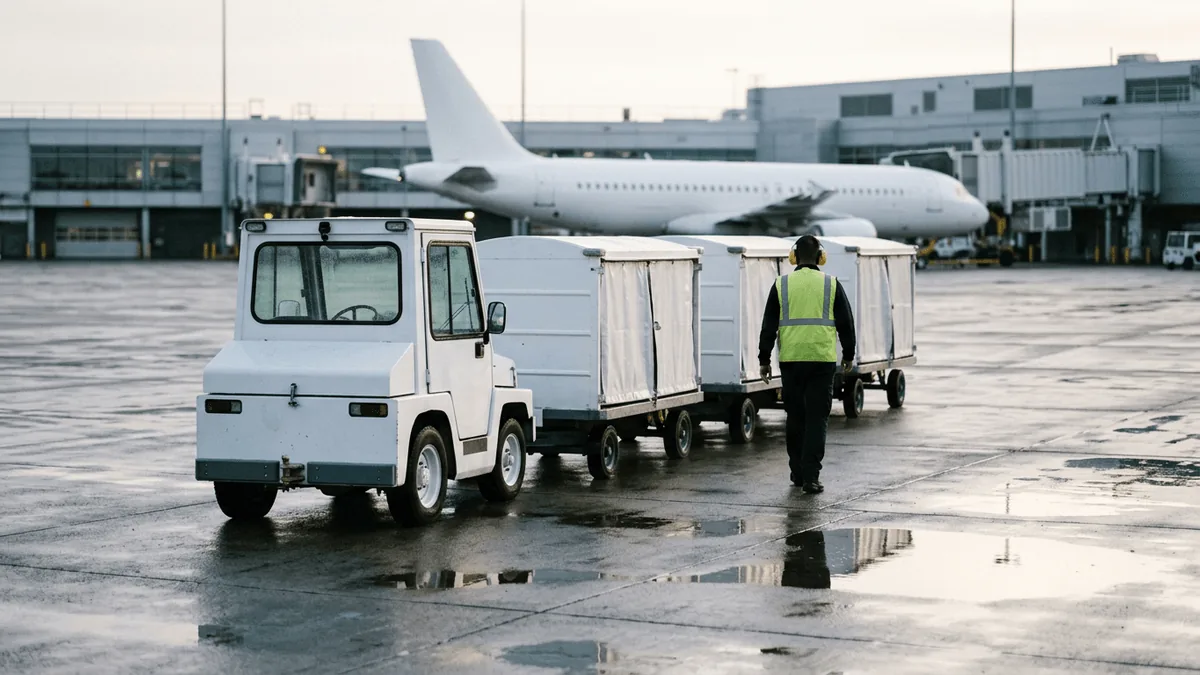
Airport ground support equipment leasing lets a ground handler, airline or FBO use tugs, belt loaders and ground power units for a set term, then return, renew or buy them instead of paying the full price up front.
The FAA’s Air Traffic Organization handles more than 44,000 flights a day, by its own FY24 count, and every one of them parks at a gate where the turn needs power plugged in, bags moved and a push back out. Lots of machines.
Ground handlers, airline stations and fixed-base operators (FBOs) all face the same own-or-lease call on it. This page sits under Paramount Financial’s commercial equipment financing guide and stays on the ramp: the machines, the lease paperwork and the questions to ask an airport first.
What counts as ground support equipment
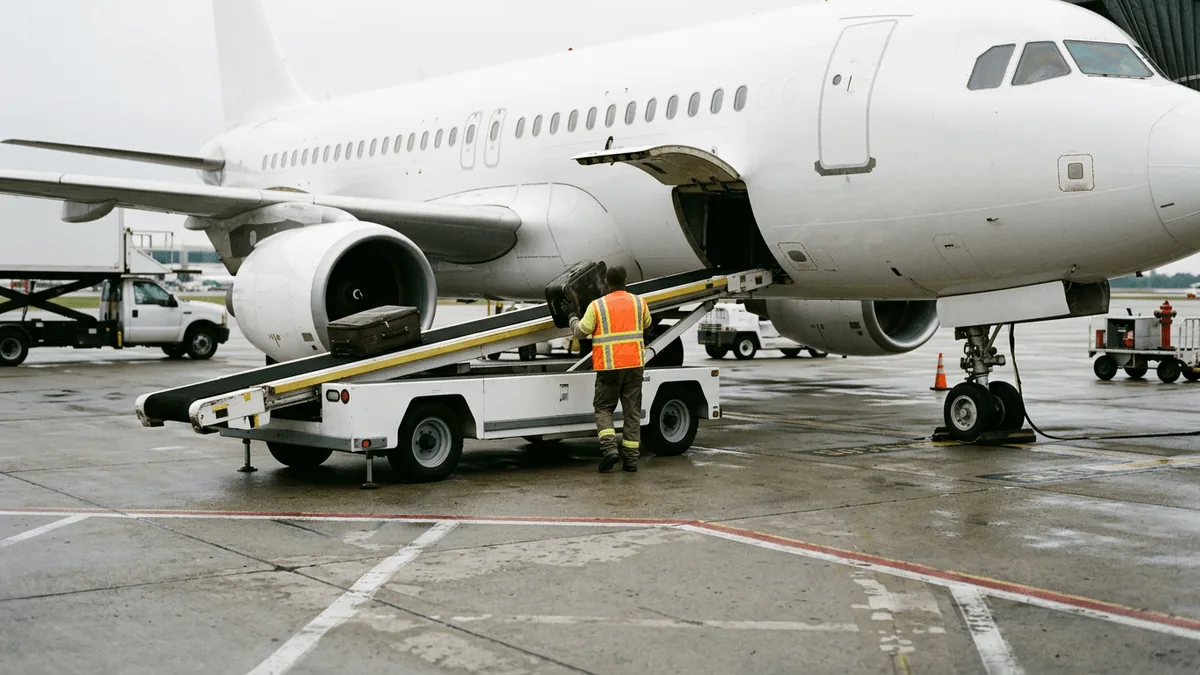
Ground support equipment, or GSE, is everything that services an aircraft between landing and pushback. The FAA’s VALE technical report uses it as its example of non-road engines, ones not licensed to travel on streets and highways. The list:
A tug or a belt loader isn’t street-registered, so there’s usually no certificate of title to note a lien on, and the lender or lessor files a UCC-1 financing statement naming the serial number instead. Our page on what a UCC filing is covers the form. A catering truck built on a road chassis is the exception. Check the title.
How airport ground support equipment leasing works
In a GSE lease, a lessor buys the tug or loader you pick and your operation pays to use it for a fixed term. The lessor holds title. When the term ends, the lease says what happens next: hand it back, renew, or buy it at the price the contract sets.
Know these three:
When a lease isn’t a lease
The word “lease” on the contract doesn’t settle which one you’ve signed. Under UCC section 1-203, a lease you can’t cancel becomes a security interest if its term covers the equipment’s remaining economic life, or if you can renew for that life or take ownership for nominal consideration. The FAA’s useful-life figures further down this page are a fair first read on that life. Facts decide.
Where the IRS draws the line
IRS Publication 334 says you can’t deduct rent on property you have or will receive equity in or title to, and Publication 946 says a lessee generally can’t depreciate leased property, since it doesn’t hold the incidents of ownership. For the 2026 tax year, consult your tax advisor before you choose. Operating lease vs finance lease covers the accounting.
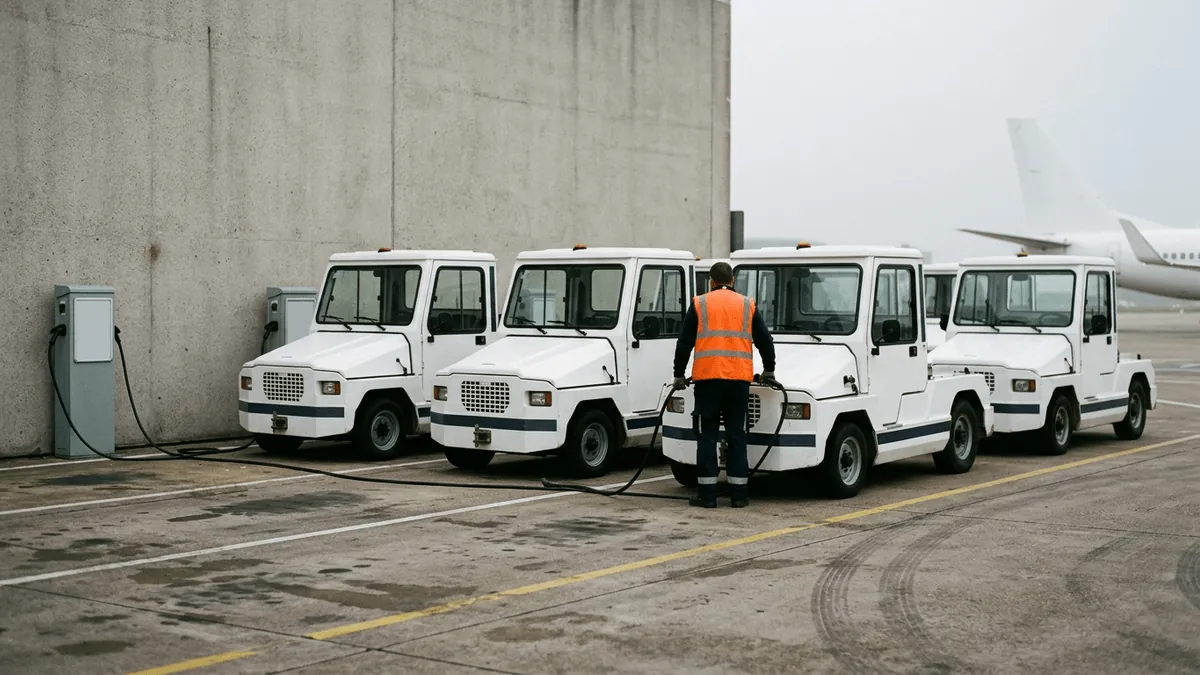
Electric GSE, airport grants and who holds title
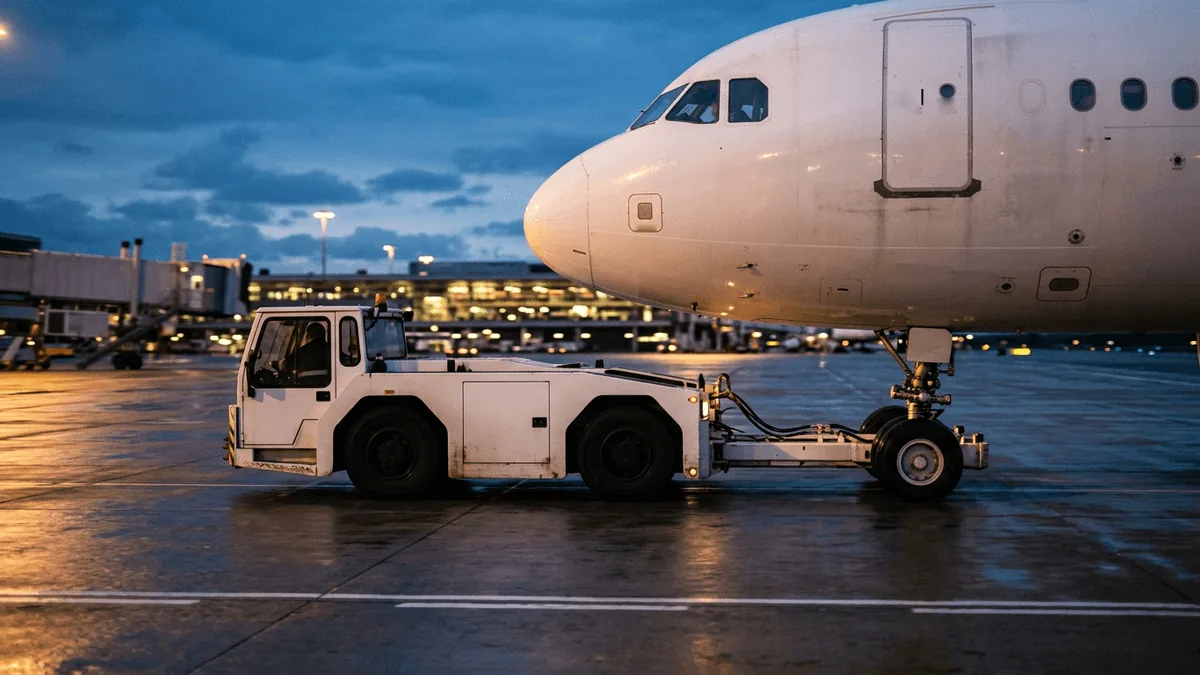
Section 4.6 of the FAA’s VALE technical report caps a grant at the incremental cost, the gap between a low-emission vehicle’s higher price and the market value of a new diesel or gasoline equivalent. Electric costs more. The two federal programs:
Two questions for the airport sponsor:
Batteries age. With battery packs still changing, a fair market value lease lets the units go back at term end if a better pack arrives, while a $1 buyout makes more sense once you’re sure the fleet stays.
Which structure tends to fit which ramp machine
Rough rules. Your contract decides.
| On your ramp | Structure to price first | Why |
|---|---|---|
| Diesel belt loaders you’ll run until they’re worn out | $1 buyout lease or equipment finance agreement | You’ll keep them anyway, so ownership at the end is the point |
| Electric tugs while battery packs keep changing | Fair market value lease | Handing units back at term end keeps the next battery generation open |
| Ground power units for a station contract with an end date | Fair market value lease, term near the contract’s | The equipment can leave when the contract does |
| A pushback tractor for a station you’ll hold long term | $1 buyout lease or a loan | Its average life in the FAA’s table is among the longest on the GSE list |
| Tugs and loaders you already own outright | Sale-leaseback | Cash comes out of equipment already on the ramp, and the units stay put |
Our guides to leasing vs buying equipment and the equipment sale-leaseback run each choice further.
How long the FAA expects ramp equipment to last
Average useful life. Ticks mark years. The figures are Table 4-1 of the FAA’s VALE technical report, revised December 2, 2010, which is still the edition the FAA’s VALE page links.
Who leases ramp equipment, and why
More on lease structures and nearby equipment
What operators ask about airport ground support equipment leasing
So what counts as ground support equipment?
Ground support equipment is anything that services an aircraft on the ramp between landing and pushback.
- Powered: pushback tractors, baggage tugs, belt loaders, cargo loaders and ground power units
- Unpowered: baggage carts, ULD dollies, tow bars and passenger stairs
Is a pushback tractor better leased or bought?
The better question is how long the tractor will stay at your station.
- The FAA’s VALE report puts an aircraft tractor’s average useful life at 14 years, one of the longest on its GSE list
- Keeping it that long points toward a $1 buyout or a loan
- Handing it back sooner points toward a fair market value lease
What happens when a GSE lease ends?
You return the equipment, renew the lease or buy it, whichever options the contract lists.
- A fair market value lease prices the buyout at whatever the machine is worth when the term ends
- A $1 buyout lease fixes a nominal price from day one
- Return clauses set limits on hours and damage, and say where the units go back
How does a true lease differ from an equipment finance agreement at tax time?
Two IRS publications draw the line: Publication 334 bars a rent deduction when you have or will receive equity or title, and Publication 946 leaves depreciation with whoever holds the incidents of ownership.
- Under a true lease, the lessor keeps title and the depreciation
- Under an equipment finance agreement you own the machine, so the depreciation questions, including Section 179 for property acquired by purchase, are yours to work through
- For 2026, consult your tax advisor on your own numbers
Can we sell the tugs we already own and lease them back?
Short answer: that’s a sale-leaseback, where a lessor buys equipment you own and leases it back to you.
- The tugs stay on the ramp and the sale price comes from their current value
- A lessor will want serial numbers, hours and proof that no lien sits on the units
Will an airport grant pay for our electric tugs?
Rarely as a straight grant to you: AIP money under the FAA’s VALE program can’t help buy new tenant-owned GSE, and the ZEV program can’t fund airline vehicles at all.
- VALE’s passenger facility charge side can assist with tenant-owned equipment
- An airport may buy electric GSE with VALE money and lease it to an air carrier
- Ask the sponsor which of these it runs
Tell us what your ramp needs
You can start your application any time, or send your details below and someone from our team will get back to you.