
Last updated: November 17, 2026
Beverage Equipment Financing for Distilleries, Wineries and Bottlers
Compare loans and true leases for stills, tanks and bottling or canning lines before you order.
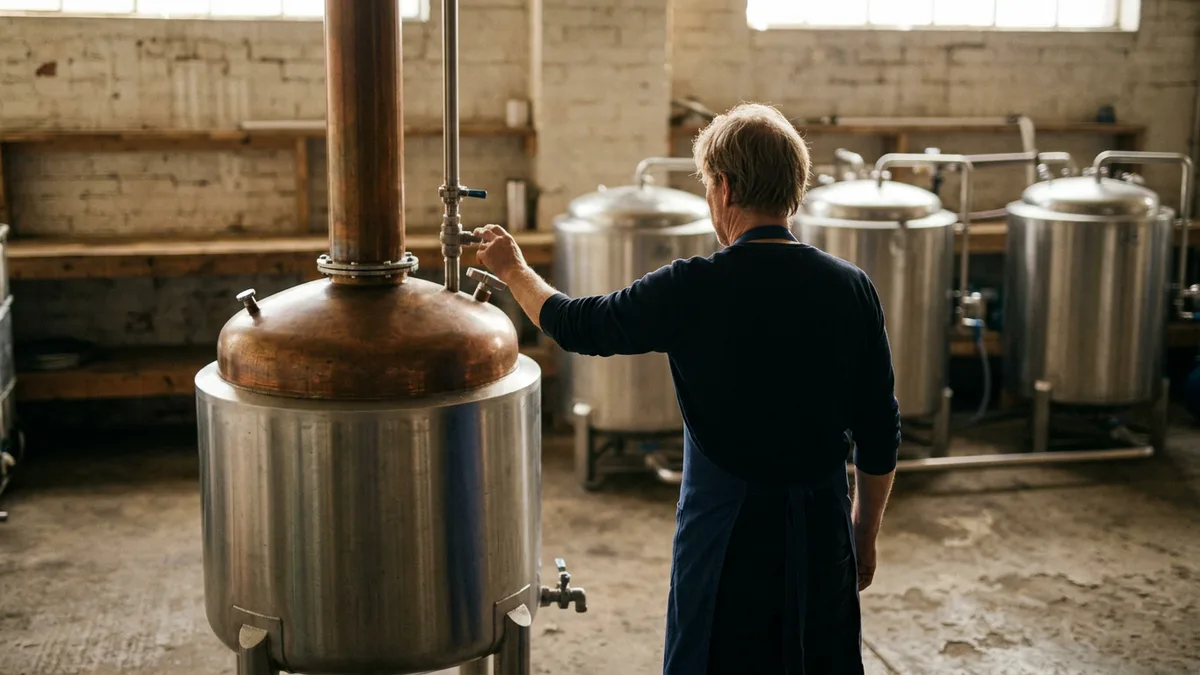
Beverage equipment financing pays for stills, tanks and bottling or canning lines over a loan or lease term. With a true lease, the lessor owns the equipment during the term, and you return, renew or buy it.
A distillery buys a still and its condenser. A winery buys tanks and a press. A bottler buys a filling line that may run other people’s drinks. Same industry, three different assets.
This page sits under our guide to equipment financing by industry, and breweries have their own page on brewery equipment financing, so what follows is about stills, tanks, presses and bottling or canning lines. Paramount Financial offers true leases as well as loans, so you can price both side by side. Rather talk first? Talk to Paramount Financial’s team.
How beverage equipment financing works
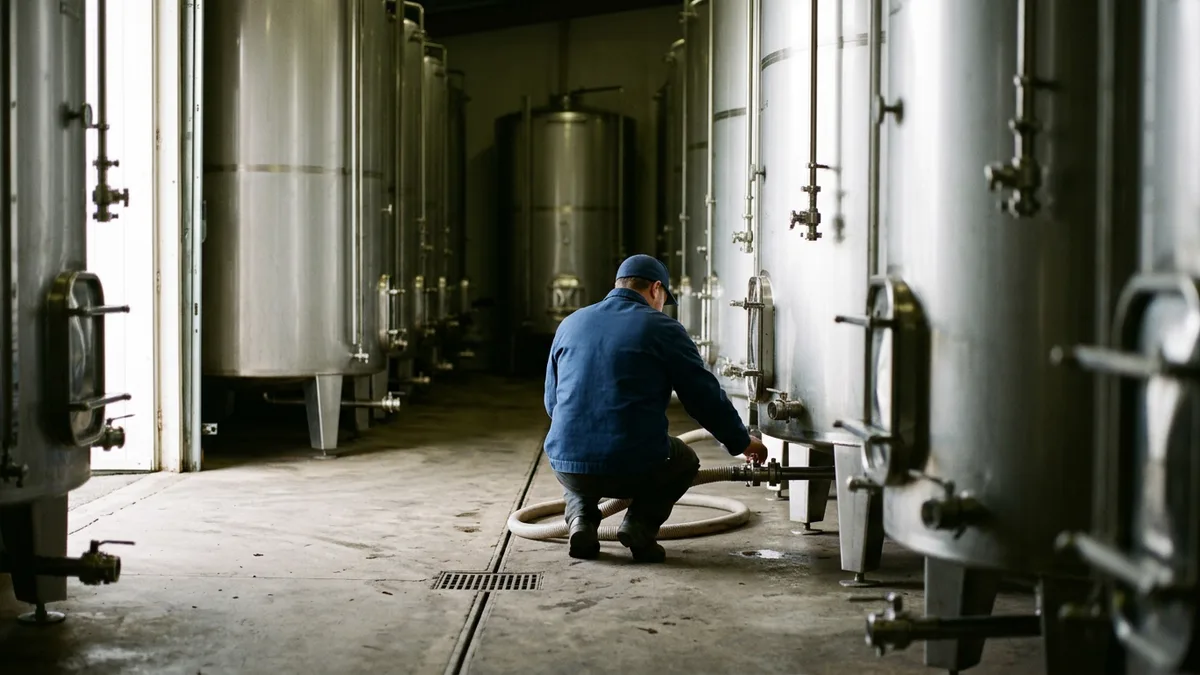
Beverage equipment financing is a loan, an equipment finance agreement or a lease that pays for production gear over a set term. With a loan or an agreement, the business owns the equipment and the lender holds a security interest. With a true lease, the lessor owns it during the term.
Get the quote itemized. A still, its condenser and the boiler behind it are separate purchases, and so are a press, a filler, a labeler and the install, and each one gets its own line, which lets the agreement describe every machine exactly instead of lumping them under one total. Ask for that version first.
Beverage equipment by producer, and what to price first
| Producer | What gets bought | What to check | Structure worth pricing first |
|---|---|---|---|
| Distillery | A pot or column still, a condenser, a mash tun, fermenters and spirit tanks | The capacity and serial number of each vessel, and the steam supply behind the still | A loan, or a $1 buyout lease if the plant stays where it is |
| Winery | A destemmer-crusher, a press, jacketed tanks and a bottling line | Whether the gear is installed and tested before the crush starts | A loan on the cellar, a fair market value lease on the bottling line |
| Cidery | A press, fermenters, filtration and a keg or can filler | Which fermenters double as storage, and which packages the filler can run | A loan on the cellar equipment, a lease on the filler |
| Kombucha or soda maker | Brewing or blending vessels, a filler and a labeler | Whether the product can reach 0.5 percent alcohol, which brings TTB into the plan | A loan, or one agreement that covers the whole line |
| Contract bottler or co-packer | A filling and capping line, a can seamer, conveyors, a labeler and a case packer | Whose product runs on it, and how easily the line could be upgraded or resold | A fair market value lease if the line may be swapped, a loan if it stays |
| Used or refurbished equipment | A secondhand still, tank or filling line | The serial number, a bill of sale and any lien still on file | A loan on that equipment, with its serial number on the filing |
Treat the last column as a starting point, not advice. Ask for two structures and compare what each costs over the whole term, not only the payment, because a lower payment on a longer term can hide a higher total once you add any buyout at the end. Leasing versus buying equipment walks through the trade-offs. Then decide.
Distillery equipment financing and the federal equipment list
A distillery registers with the Alcohol and Tobacco Tax and Trade Bureau, and the application lists the plant’s major equipment. Under 27 CFR 19.75, that list gives the serial number and capacity of each tank, the serial number, kind, capacity and intended use of each still, and the serial number of each condenser. Bulk containers under 101 wine gallons stay off the list unless they meet the rule’s definition of a tank.
Those details matter past the registration. A lender recording its claim on specific equipment through a UCC filing wants the same ones, so have them ready before you ask two or three makers for a quote, and compare the answers line by line.
Before the equipment arrives
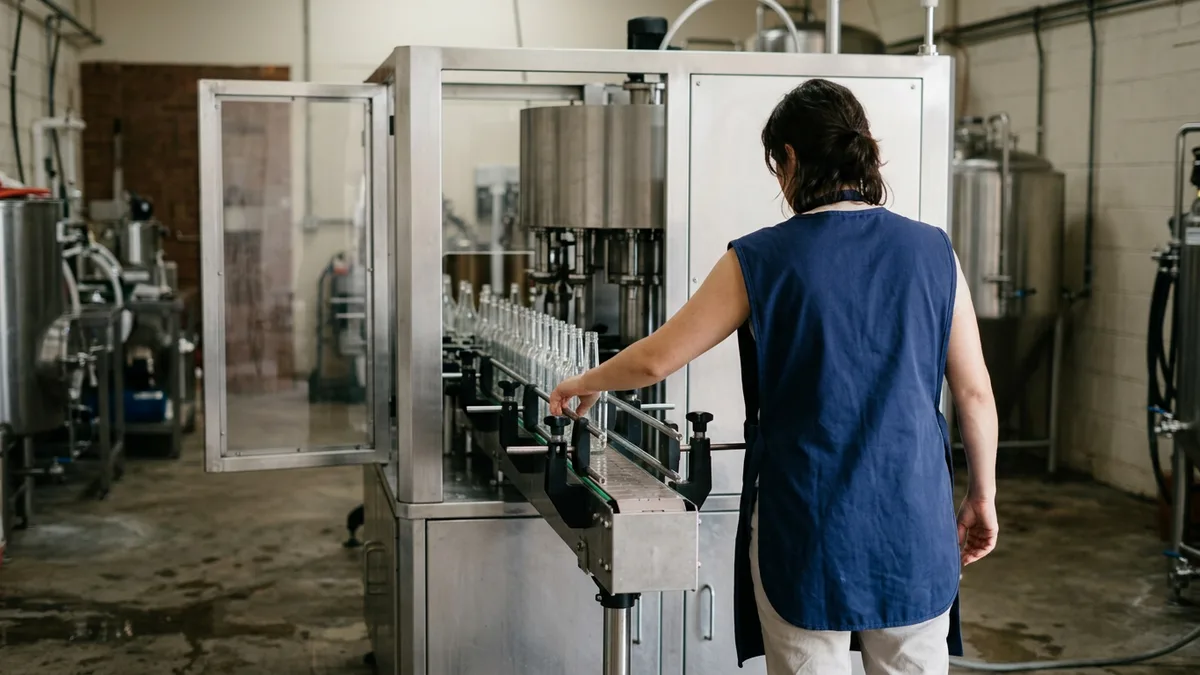
Bottling and canning lines: lease, loan or share?
Lines you don’t own
Ask early.
Buying used beverage equipment
Used stills, tanks and fillers are easy to find. Check the paperwork.
What to check on a used still, tank or line
Our used equipment financing page covers both dealer and private-party purchases.
Three rules that follow beverage equipment
101
wine gallons is the capacity from which a bulk container can count as a tank on a distilled spirits plant’s equipment list
Source: 27 CFR 19.75, Cornell LII
0.5
percent alcohol by volume is where TTB’s rules reach a kombucha, even if it only gets there after bottling
37
distilled spirits plant applications reached TTB in October 2026, beside 31 for bonded wineries
Check these before you sign for beverage equipment
What buyers ask before they finance beverage equipment
Is it better to lease or buy beverage production equipment?
Three things decide it: how long a still, tank or filler stays in service, how quickly it falls behind and what you want to own, return or renew when the term ends.
Can you finance used stills, tanks or bottling lines?
Often, as long as the serial number, the ownership history and the condition all check out.
What does a lender look at when you finance a still or a tank?
The quote, the business and the building.
Does a kombucha maker need to think about TTB before buying fermenters?
TTB’s alcohol rules apply to any kombucha that reaches 0.5 percent alcohol by volume, even when it only gets there after bottling. Plan for it.
How do co-packers and alternating proprietors change equipment financing?
TTB’s wine categories include an alternating proprietor that shares a winery facility and a custom crush client that has wine made for it. Write it down.
What slows down financing for beverage equipment?
Missing serial numbers, an itemized quote that doesn’t exist yet and a landlord who hasn’t signed are the usual holdups.
Pricing a still, a tank or a line? Let’s talk it through.
Mention the still, tank or line you’re pricing when you leave your details, or start your application online.