

End of an Equipment Lease: Buying Out, Returning, Renewing or Upgrading

Key takeaways
An end-of-lease equipment buyback is one of four ways a lease can end, along with return, renewal, and upgrade, and the purchase option written into your lease decides which of them you actually have.
- The lease you signed decides which exits exist. Read the end-of-term clause before the payment line.
- A buyout price is either written down or left open. Find out which.
- Notice dates pass quietly, and a missed one can renew the lease.
- Returning a machine is a job with a checklist: condition, shipping, and who pays.
- An upgrade is a new lease, so it gets its own price and its own end date.
The last payment arrives without ceremony. Then the contract asks a question. You answered it on paper years ago. What happens to the machine?
Every end-of-lease equipment buyback, return, renewal, and upgrade runs through the same three clauses: end-of-term, notice, and return. Find them early. Then you choose. Find them late and the lease chooses for you.
Paramount Financial leases and finances equipment, so you should know where we sit. Sometimes the smartest move is to hand the machine back.
Four Ways an Equipment Lease Can End
At the end of an equipment lease, a business usually has four paths: buy the equipment under the purchase option, return it to the lessor, renew or extend the lease, or return it and lease something newer. The end-of-term clause in the lease decides which of those paths are actually open.
- Buyout: you own the machine once you pay the price the contract names.
- Return: it goes back, on the terms of the return clause.
- Renewal: the same machine stays in your yard under a new term.
- Upgrade: a new lease on newer equipment, and the exit that needs the most lead time.
Your Lease Decides Which Exits Exist
UCC §2A-103 defines a lease as a transfer of the right to possession and use of goods for a term in return for consideration. You get the use. You don’t get the title. A purchase option is the exception.
That option can change what the deal is. Under UCC §1-203, a transaction in the form of a lease creates a security interest, which is the law’s term for a financed sale, when the payments can’t be cancelled and the lessee can become the owner for no additional consideration or for nominal additional consideration, and the extra price counts as nominal when it is less than the lessee’s reasonably predictable cost of performing under the lease if it didn’t take the option. So a lease with a tiny buyout can be a financed purchase wearing a lease’s label. Read the terms.
| End-of-term price | What you can do | |
|---|---|---|
| $1 buyout lease | Nominal, set at signing | Buy it |
| Fair market value lease | Open until the end | Buy, return, renew, or upgrade |
| TRAC lease | Adjusted by sale proceeds | Buy it, or sell and settle up |
| Equipment finance agreement | None. You already own it. | Pay it off and keep it |
Keeping the machine past the term? Price the buyout first. Compare payments second. Replacing it on a schedule? Then the return and upgrade terms outweigh the price. A machine rented with a rental purchase option follows the same logic, with the rental contract setting the credit toward the price.
How an End-of-Lease Equipment Buyback Is Priced
A buyout price is written down or left open. A fixed or nominal price sits in the lease from the first day, as it does in a $1 buyout lease, while an open price follows the market, as it does in a fair market value lease, and the open price is where the valuation question lives.
Four terms settle the valuation:
- Who picks the appraiser, and who pays for the appraisal.
- Whether the machine is valued where it sits or as it would sell after it’s hauled out.
- Whether normal wear is allowed for, or the machine is valued as is.
- How long the quote holds, and whether you can ask for a second look.
An open price follows what the machine would sell for, and that can differ from the book value on the lessor’s records. Get the figure in writing. Get the method too.
Early buyouts differ between leases and loans:
- A lease is a fixed-term contract, so ending one early generally means paying what’s left on it, or the price in an early-buyout clause if the lease has one.
- A loan can usually close out early.
- A term that ends on your planned replacement date avoids the problem.
Returning Equipment at the End of the Lease
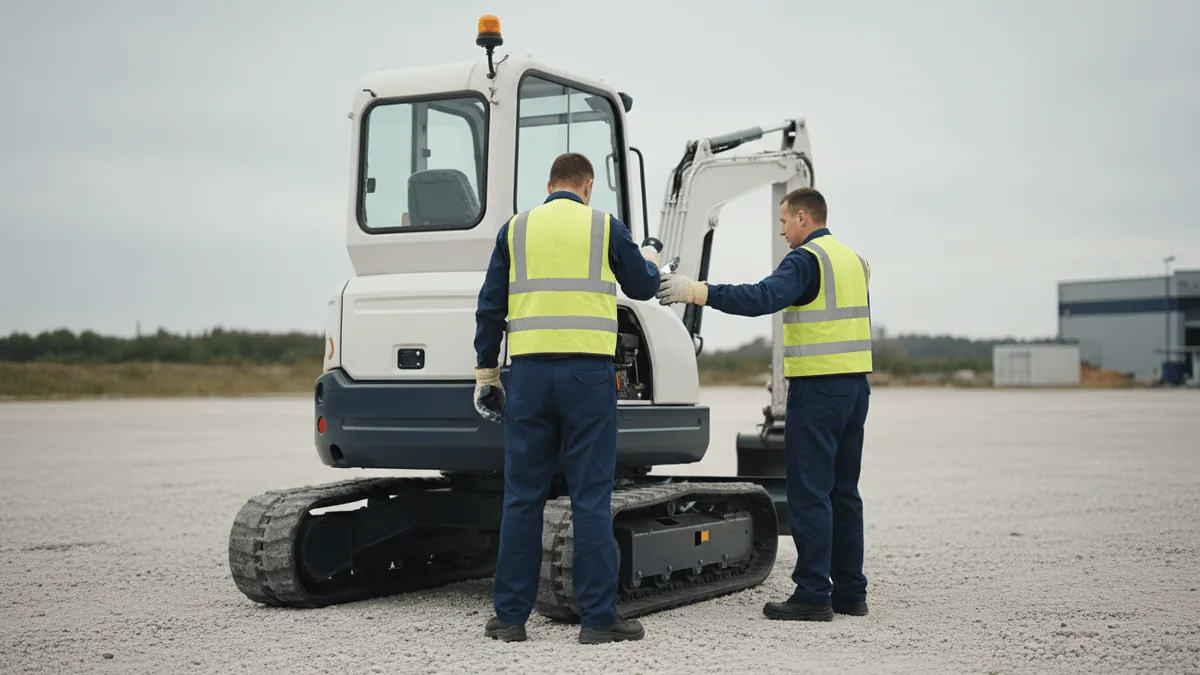
Returning means homework. The return clause covers five things.
- Written notice, sent the way the lease says. Check whether email counts.
- The return address, and who pays for crating, insurance, and freight.
- The condition standard. “Normal wear” and “as is” are different bars, and the gap can be wide on a mini excavator that has worked hard.
- Photos and the hour meter reading on the day it leaves, plus written confirmation that the lessor has it.
- The cost of a late return, since some leases keep charging rent, or treat you as a holdover lessee, until the equipment is back.
Late returns cost money.
Renewing, Extending, or Doing Nothing
Doing nothing counts as a choice. A 2012 client note from the law firm Itkowitz PLLC describes how automatic renewals work in many equipment leases:
- Written notice is due between 60 and 120 days before the lease expires.
- Without it, the lease renews, usually for a year.
- Payments continue at the most recent month’s rate.
- Courts can enforce those timelines rigidly.
60 to 120 days
the notice window before a lease expires that one lease-law firm described for automatic equipment lease renewals in 2012. Your lease sets its own dates.
Source: Itkowitz PLLC, Be Equipped For Equipment Lease Automatic Renewals, 2012
Dates matter. Silence counts as an answer. Extension is the other route: you ask the lessor for a short extension, month to month or for a set number of months, and you ask for the payment before you need it.
Upgrading to Newer Equipment
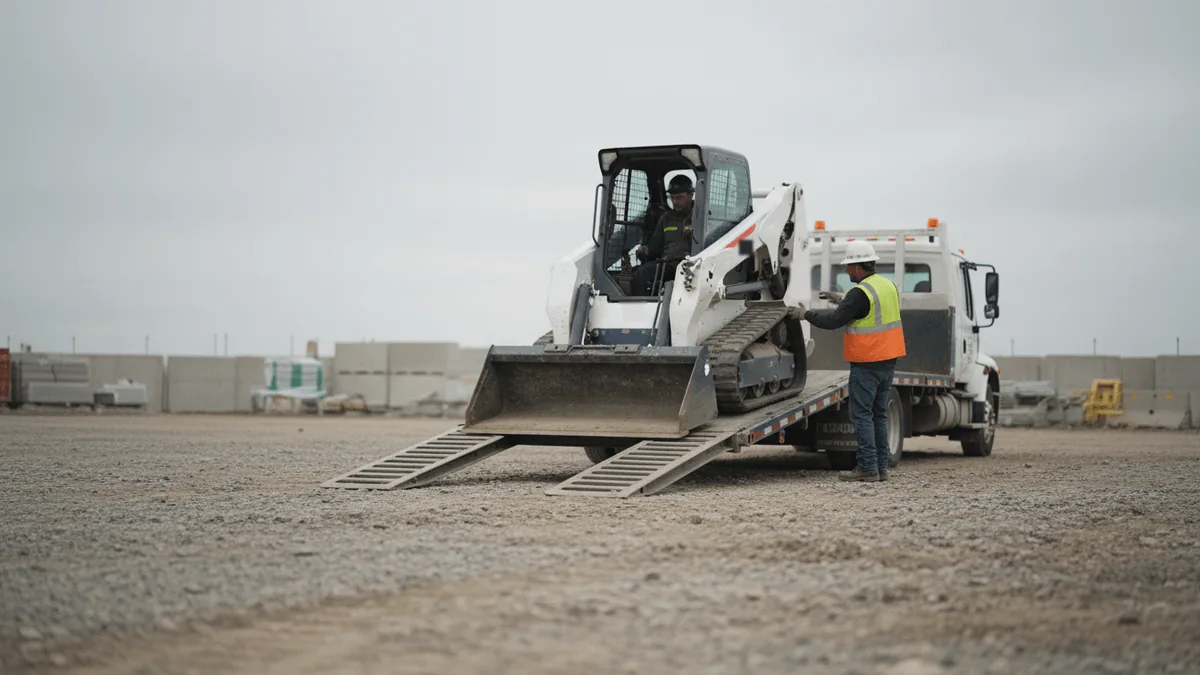
An upgrade is a new lease with its own price, term, and end date. Three dates need to be in writing:
- When the old unit goes back.
- When the new one ships.
- Whether the two overlap, or you’re without a machine in between.
Get all three in writing. A planned replacement date belongs in the term. A machine shop that retools every few years and a dental practice that keeps its imaging unit until it fails shouldn’t sign the same one. Our guides to the operating lease vs finance lease question and to leasing vs buying equipment cover the structures.
A Dated Checklist for the End of a Lease
Start a year out.
- Pull the equipment lease agreement and find three clauses: end-of-term, notice, and return.
- Put the notice deadline on a calendar, with a reminder 30 days ahead of it.
- Ask the lessor for the buyout figure in writing, along with how it was set.
- Compare the four exits for this machine, weighing what it costs to keep running against what a replacement would take.
- Send notice the way the lease requires, and keep proof that it arrived.
- Get written confirmation of whatever you chose.
Under ASC 842, the lease accounting standard, a buyout, return, or renewal can change how a lease appears on your books, and it can change how the lease is treated for taxes. For tax year 2026, consult your tax advisor before you pick one.
What Owners Ask Before a Lease Ends
Can you buy leased equipment before the term is up?
Only if the lease allows it.
- Leases are fixed-term contracts, so the cost is generally the payments left on the contract.
- An early-buyout clause, if the lease has one, names its own price.
- Get the lessor’s payoff figure in writing before you plan around it.
So what if the notice date slips past?
Many leases renew on their own, often for a year.
- The lease-law firm cited above describes notice windows of 60 to 120 days.
- Some leases move to month to month instead.
- Call the lessor the day you notice.
How do you find out what a leased machine is worth at the end?
A fixed or nominal buyout price needs no valuation.
- An open price comes from an appraisal or a market review.
- Ask who does it, and which premise they use.
- Ask whether you can request a second look.
Does an upgrade mean the old equipment goes back first?
Some lessors want the old unit back before the new one ships, and others let the two overlap for a short time.
- The upgrade is a new lease.
- The delivery and return dates belong in writing before you sign it.
Who pays to ship leased equipment back?
The return clause answers that, and it often puts the cost on the lessee.
- Crating and insurance.
- Freight to the location the lessor names.
- Delivery in the condition the lease describes.
Can the buyout be paid with financing instead of cash?
A buyout is a purchase, so it can be paid for with cash, a line of credit, or financing, like any other equipment purchase.
- A funder looks at the business, the equipment, and the price.
- Run the numbers on every route before the notice date.
Next Steps
Your lease already holds the answer. Read it first. If a new lease is the next step, you can start an application, or talk through your lease options with our team before you decide.