
SBA 504 vs 7(a): How the Two Programs Differ When a Business Buys Equipment

Key takeaways
SBA 504 vs 7a for equipment: a 7(a) loan can buy machinery as one use among many, while a 504 loan funds long-term fixed assets with at least 10 years of useful life.
- A 7(a) loan lists machinery among its uses. A 504 loan exists for long-term fixed assets.
- Equipment under a 504 loan has to last and stay put: a useful life of at least 10 years, at a fixed location.
- Working capital and inventory are off the table with a 504 loan, and on it with a 7(a).
- A machine bought after either loan closes sits outside that loan.
The two programs get mentioned in the same breath. They aren’t built for the same purchase. SBA 504 vs 7(a) matters most when a machine is on the shopping list, because each program treats equipment differently. We’ll set them side by side using what SBA itself publishes.
One disclosure first. We offer equipment financing, so we have a stake in the last section, where that financing comes in. Everything before it is SBA’s own rules, read on November 17th, 2026. Rules change. SBA’s Standard Operating Procedure 50 10 version 8.1 took effect October 1st, 2026, so check the current text before you rely on a detail.
SBA 504 vs 7(a) Side by Side
A 7(a) loan is made by a participating bank or other lender and partly guaranteed by SBA, so the borrower and the lender negotiate its terms within SBA’s requirements. A 504 loan is long-term financing for major fixed assets, available only through a Certified Development Company, a nonprofit SBA certifies, working together with a senior lender.
| 7(a) loan | 504 loan | |
|---|---|---|
| Who makes it | A participating lender | A CDC with a senior lender |
| Equipment | One use among several | Long-term fixed assets |
| Equipment test | Set by lender within SBA rules | 10 years of life, fixed location |
| Working capital | An eligible use | Not allowed |
| Rate | Negotiated, under SBA maximums | Fixed |
The third row does most of the sorting for equipment. The fourth decides the rest of the invoice. Start with those two rows.
How a 7(a) Loan Treats Equipment
SBA’s lender page for the 7(a) program lists “machinery, equipment, supplies, furniture, fixtures” in its program table, beside permanent working capital and inventory. A single loan can carry several of those uses at once. So a machine can ride in the same note as the rest of the project.
For equipment, SBA sets the maturity at 10 years or less, unless the loan also finances real estate or equipment whose useful life runs past 10 years. Interest rates are negotiated between the borrower and the lender, under SBA maximums pegged to the prime rate or an optional peg rate. Banks, savings and loans, credit unions, and other specialized lenders participate with SBA to make the loan, and SBA guarantees part of it. That’s the whole structure. Ten years is the usual ceiling.
How a 504 Loan Treats Equipment
A 504 loan is built for fixed assets: land, buildings, and long-term machinery and equipment with a useful remaining life of at least 10 years, according to SBA’s 504 loans page. Maturity terms of 10, 20, and 25 years are available. The rate is fixed. SBA pegs it to an increment above the current market rate for 10-year U.S. Treasury issues.
10 years
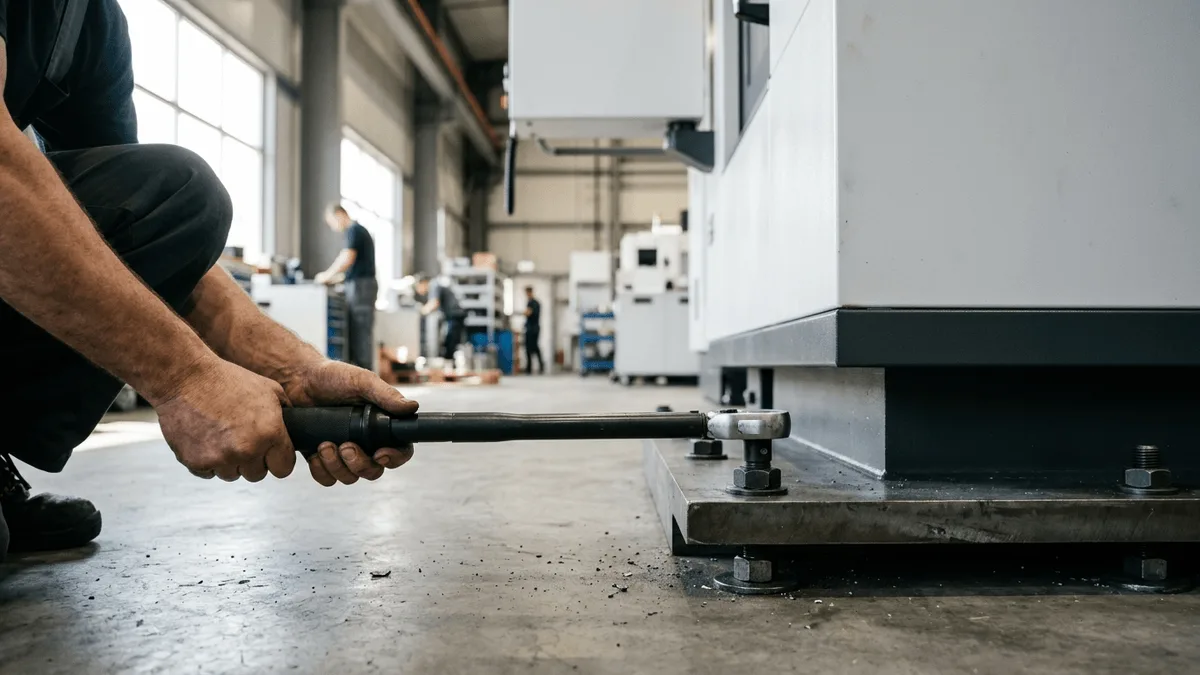
The minimum useful life for equipment bought with a 504 loan. The regulation adds that the asset must be at a fixed location.
The fixed-location half is the part owners miss. It has to stay put. A grinding line bolted to a plant floor passes both halves of the test. A pneumatic-tire forklift spends its day moving, which makes it a harder fit. The same regulation allows short-term financing for equipment, furniture, and furnishings, but only where it’s essential to the project and a minor portion of it.
A 504 loan also draws a hard line on cash. SBA’s list of what the loan can’t be used for starts with working capital and inventory. Both halves of the equipment test have to pass.
Who Lends and Who Sets the Terms
With a 7(a) loan, a participating lender makes the loan, and you negotiate its terms with that lender within SBA’s requirements. With a 504 loan, a CDC originates the loan in collaboration with a senior lender, so a second organization sits in the file, and SBA calls CDCs community-based nonprofit partners that it certifies and regulates. The channels differ.
Who tells you whether the machine fits? A banker on the 7(a) side, a CDC officer on the 504 side. Ask both the same question. Then compare the answers.
What Neither Program Covers
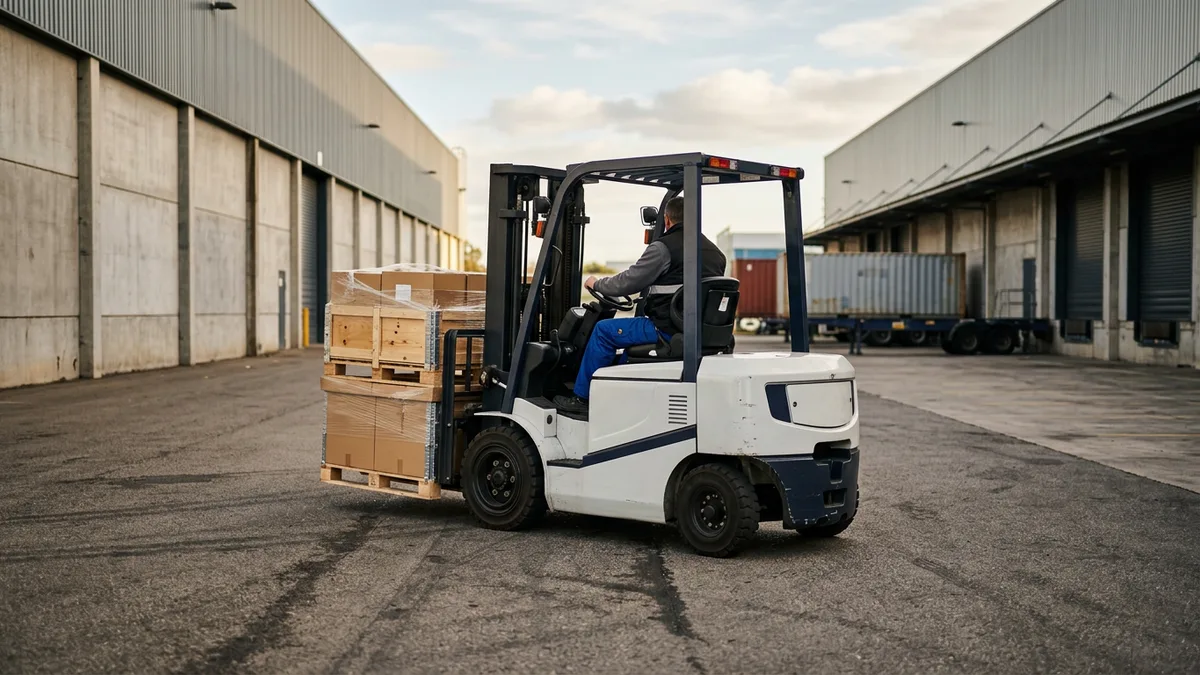
- Mobile equipment that gets replaced inside a decade, like a forklift or a skid steer.
- A machine bought after the loan closed. Each loan pays for the uses written into it.
- Working capital that travels with a 504 project. Equipment financing and working capital are different products, and equipment financing vs working capital loan explains the split.
- Whatever the lender or CDC leaves out of the package. Ask what’s out before the closing, not after.
That’s a scope. It isn’t a flaw. Plan for it early. Bankers and CDCs run into it all the time, and our guide to equipment financing alongside an SBA 7(a) or 504 loan walks through how the second financing is filed so the SBA loan’s collateral stays put.
If the SBA route isn’t happening at all, seven SBA loan alternatives are compared in one place, and what to review after an SBA loan is denied covers the next move.
A Three-Question Test for the Equipment
Three questions sort it.
- Will the equipment stay in one place and run for at least 10 years? If not, a 504 loan is a weak fit.
- Is it part of a larger fixed-asset project, like a building purchase or a plant expansion? A 504 loan follows the project.
- Does the purchase also need working capital or inventory? Only a 7(a) loan can carry that.
Score the equipment against all three, then sort the result.
- Two yeses and a no: a 504 loan is worth raising with a CDC.
- A no on the first question, or a yes on the third: a 7(a) loan or separate financing may fit better.
- Paying cash for the machine: none of this applies.
- Either way, the lender or CDC has the final word, since each reads a file differently and SBA’s rules change.
Common Questions on 504 and 7(a) Equipment Loans
Can a 504 loan cover the working capital that comes with the equipment?
Not under SBA’s rules. Working capital and inventory sit on the list of things a 504 loan can’t be used for.
- A 7(a) loan can carry working capital.
- A project that needs both can mean two loans or a different structure.
- Ask the CDC how it would split the purchase.
Is a forklift a poor match for a 504 loan?
Usually. The 504 rule asks for a useful life of at least 10 years at a fixed location, and a forklift moves for a living.
- A short-term exception covers equipment that’s essential to the project and a minor part of it.
- Ask the CDC whether yours would count.
Who actually lends the money under each program?
Not SBA, at least not on a 7(a) loan. A participating bank or other specialized lender makes that loan and SBA guarantees part of it. A 504 loan comes through a Certified Development Company working with a senior lender.
How long can an equipment loan run under each program?
Ten years or less is SBA’s general maturity for equipment on a 7(a) loan, unless the loan also finances real estate or equipment with a useful life beyond 10 years. For a 504 loan, SBA lists 10-, 20-, and 25-year maturity terms. The lender or CDC sets the actual term.
Do you need an SBA loan to buy the equipment at all?
Not always. Cash, a line of credit you already hold, and financing that machine on its own are all routes. Our comparison of alternatives to an SBA loan lays out seven of them.
What about equipment bought after the SBA loan has closed?
That machine sits outside the loan. Each SBA loan pays for the uses written into it, so a later purchase usually needs its own financing.
Next Steps
Have a machine on a quote that doesn’t fit either program? See how financing sits next to an SBA loan, then start an application or talk to our team.