
SBA Loan Alternatives: Other Ways to Finance Equipment and Working Capital (2026)

Key takeaways
SBA loan alternatives fall into seven financing routes, and the right one depends on what the money buys, who should own the asset, and what the lender will file against.
- The SBA route is a real option. These routes matter when its timing or its scope doesn’t fit the purchase.
- Who owns the machine, and what the filing covers, differs on every route.
- A lease with a dollar purchase option is usually a loan under UCC §1-203.
- Ask each lender what its filing will describe before you compare anything else.
Paramount Financial is an equipment leasing and financing company, so it has a stake in what a reader does next. This page compares financing routes, not companies, and no company appears in the list, Paramount Financial included.
Most pages on SBA loan alternatives come from a company that sells one of them, and the list ends on its own product. This one names no company. It sorts routes. The SBA route stays on the table: the SBA’s 7(a) page lists machinery, equipment, and working capital among the uses a 7(a) loan can cover.
Price that loan first. Then come back if the timing, the scope, or the closing date doesn’t fit. The routes below sit next to an SBA loan or in place of one, and equipment financing and leasing is the wider subject.
When an SBA Loan Doesn’t Fit
Three things push a purchase off the SBA path: scope, eligibility, and who makes the call.
- SBA’s 504 page says a 504 loan can’t pay for working capital or inventory, and it limits equipment to machinery with a long remaining useful life.
- A 7(a) borrower has to be creditworthy, show a reasonable ability to repay, and be unable to get the credit it wants on reasonable terms from non-government sources, per the 7(a) page.
- Then the lender decides. SBA says you always work directly with your lender, not with SBA, so a lender’s own review can end a request that SBA’s rules would have allowed.
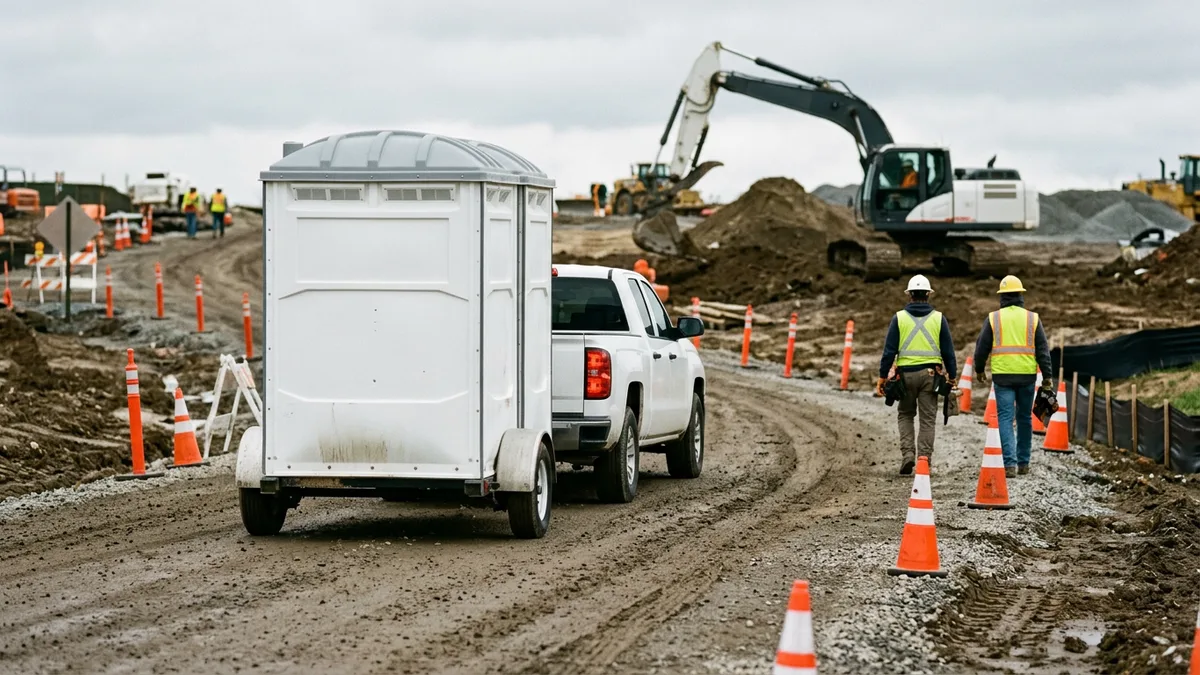
Say a newer company rents portable restroom trailers to road-construction contractors. Government-related contracts will pay for the trailers once they exist, but the company has no cash to buy them. Any route below could carry it. The filing decides which.
How We Compared These Routes
Every route is read against the same list.
- What it can pay for
- Who owns the asset, and what the filing covers
- What lenders usually ask for
- How the term ends
- How it sits next to an SBA loan or a bank line
- How a quote is built, and which state disclosure laws apply
The sources are SBA’s own program pages and its Standard Operating Procedure 50 10, the Uniform Commercial Code text on leases and secured transactions, and the Federal Reserve Banks’ small business survey. No company’s pages were used. Rates, timing, minimums, and amounts aren’t compared, and neither are companies. Collected: November 2026.
Seven SBA Loan Alternatives, Route by Route
An SBA loan alternative is any financing a business can use for the same purchase or cash need without an SBA guarantee: a loan or lease secured by the equipment, a loan against equipment already owned, a working capital loan, a bank line, or financing the seller arranges. Each route has its own owner, lien, and paperwork.
| Route | What it can pay for | Who owns it, and what the lien covers |
|---|---|---|
| Equipment finance agreement | The specific equipment named in the agreement | The business owns it; the lender files against that equipment |
| Fair market value lease | Use of the equipment for a set term | The lessor owns it; the filing is a notice of that |
| Dollar buyout lease | The equipment, with a built-in path to keeping it | Usually a security interest in law; the business is the owner |
| Sale-leaseback or cash-out | Cash against equipment the business already owns | Title moves in a sale-leaseback; a cash-out adds a lien |
| Working capital loan | Payroll, materials, inventory and similar operating costs | Specific collateral or all assets, depending on the lender |
| Bank line of credit | Revolving draws, repaid and drawn again | Often a blanket lien on most business assets |
| Dealer or maker financing | That seller’s equipment, quoted with the purchase | Whatever the funding company files, which may not be the dealer |
Equipment finance agreement
You sign an equipment finance agreement, the machine arrives, and it’s yours. The lender holds a claim on that one machine until the last repayment.
- The business repays the lender over a fixed term, and owns the equipment from delivery.
- Under UCC §9-108, the lender can describe the collateral by a specific listing or by category, so its claim can stop at one named machine.
The page on equipment finance agreements covers the structure. It falls short when the cost isn’t a machine at all. Payroll has nothing to attach.
Fair market value lease
Say a paving crew needs a compact roller for one two-year contract and doesn’t expect to want it afterward. That’s a lease job. The lessor owns the machine, the business uses it for the term, and the end-of-term clause prices any purchase at what the unit is worth then.
A lessor can file a notice under UCC §9-505 that calls itself the lessor, and the statute says that filing isn’t of itself a factor in deciding whether the deal is really a loan. See fair market value lease for the structure and operating and finance leases for how the two lease types differ. It falls short for a machine kept for its whole working life. Pricing a buyout in year five is the cost of not choosing a loan.
Dollar buyout lease
Whether a paper lease is a lease is a legal question. UCC §1-203(b) says a transaction in lease form creates a security interest when the term can’t be cancelled and the lessee holds an option to become the owner for no extra consideration or nominal extra consideration.
- A dollar buyout is almost always nominal under that test, so the business is treated as the owner.
- The lessor then holds a security interest, the same position a lender holds.
- How the agreement is booked is a question for your accountant.
The route is built for a machine the business means to keep. It falls short for anyone expecting a lessor to own the equipment at the end, or a lighter lien than a loan would carry. Neither survives a dollar option.
Sale-leaseback or cash-out
Does the business already own the equipment outright? Then the equipment can be the cash source. Two shapes.
- A sale-leaseback: the business sells the machine to a lessor and leases it back, so title moves.
- A cash-out: the business keeps title, and a lender takes a lien on the machine for the new loan.
- Either one starts from proof of ownership, serial numbers, and a value estimate.
The equipment refinancing page covers the paperwork. It falls short for a purchase not yet made. No ownership, no collateral.
Working capital loan
A working capital loan pays for operating costs: payroll, materials, inventory, the gap between an invoice and its payment. SBA’s 504 page says that program can’t pay for working capital or inventory, which is one reason a business with a 504 loan for a building may need cash from somewhere else.
Collateral runs from a lien on specific assets to a lien on everything the business owns, depending on the lender. See working capital financing and how to get a working capital loan. It falls short for machines. A loan with no equipment attached can leave the repayment term out of step with the machine’s useful life.
Bank line of credit
A bank line is often open already by the time an equipment need appears. Draw, repay, draw again. The bank often secures the line with a blanket lien.
UCC §9-504 lets a financing statement indicate “all assets.” One filing can sit over every machine the business owns. Read what a UCC filing records before adding anything beside it. A line falls short when one machine would use most of the limit the business keeps for payroll.
Dealer or maker financing
The offer arrives with the sales quote, and it covers that seller’s equipment. The company that funds it may be the dealer, the maker’s own finance arm, or a third party the dealer refers the file to. The funder decides the filing.
Ask who signs. Then compare the quote with one from outside the showroom. The post on how equipment financing works shows who funds a deal and what the lender files. This route falls short when the machine comes from another seller, or when a promotional period ends and the terms underneath it take over.
What Lenders Usually Ask For
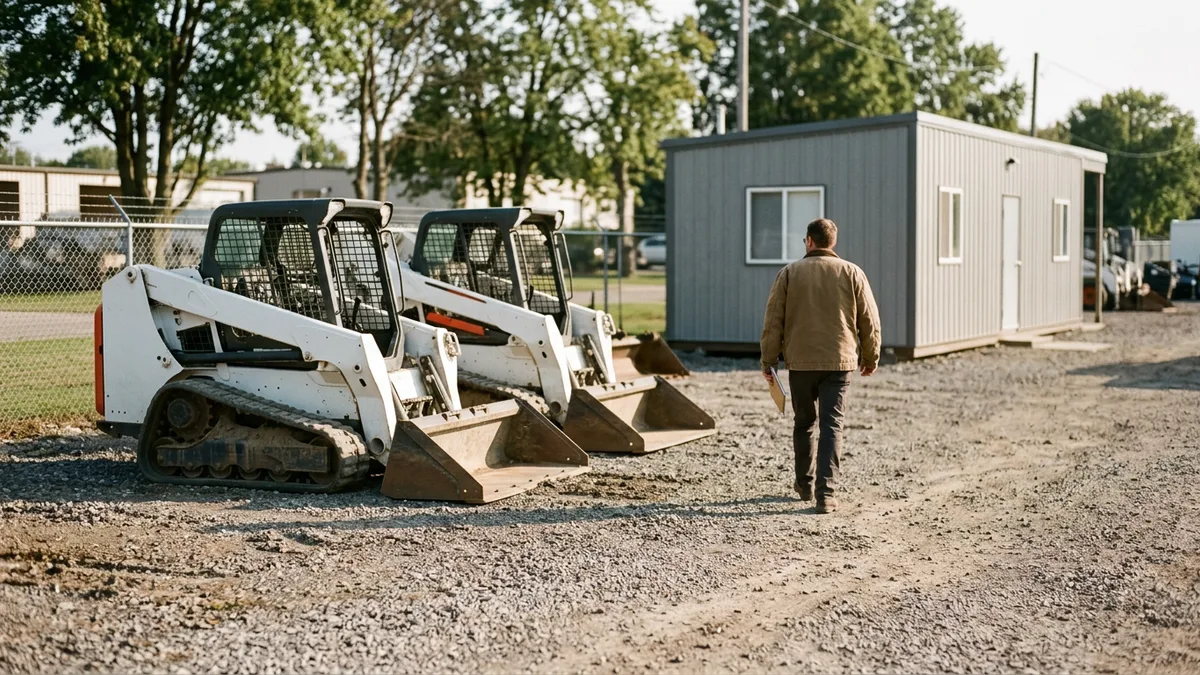
A machine purchase starts from the seller’s written quote or invoice, plus financial statements and an application. A working capital loan or a bank line swaps the quote for bank statements, and a bank adds tax returns. A sale-leaseback or cash-out starts from proof of ownership: the title or invoice, serial numbers, and a value estimate. Each lender’s list differs.
What the Filing Covers
A financing statement can name one machine by serial number, or it can say “all assets.” Under UCC §9-504, both work. The difference matters most when an SBA loan or a bank line already sits behind the first filing.
51%
of employer firms that have debt used business assets to secure it, in the Federal Reserve Banks’ small business survey fielded in 2025. The survey covers firms of every size and age.
Source: Federal Reserve Banks, 2026 Report on Employer Firms (2025 Small Business Credit Survey)
One pairing is an SBA 504 or 7(a) loan for the building and separate financing for the machines, the racking, and the move-in costs the loan wasn’t scoped for. The post on equipment financing alongside an SBA loan explains how a filing on one machine sits beside a broader lien. For a file that never closed, what to review after an SBA denial is the place to start. Each lender’s documents control.
What SBA’s Rulebook Says on Refinancing
SBA’s Standard Operating Procedure 50 10 changed on October 1, 2026. Version 8.1, Appendix 14, covers refinancing with 7(a) proceeds. Factoring agreements aren’t eligible.
A merchant cash advance, which the procedure calls a Sales-Based Repayment Agreement, is eligible only if all three of these are true:
- it was converted to a term loan;
- it has amortized for at least two years;
- no new agreement has been made since the conversion.
An active advance is ineligible. Ask the lender which version governs your file. A business inside an active advance has other routes to price, and the working capital route above is one of them.
Questions to Put in Writing Before You Sign
Whatever route you price, get answers to these in an email, not on a call. Calls leave no record.
- Which company’s name goes on the agreement, and which one goes on the filing?
- Does the filing describe this machine or the whole business? Ask for the draft.
- What can the money pay for besides the machine: delivery, installation, software, training?
- Does an SBA lender or a bank need to consent before a second secured loan?
- At the end, who owns the machine, and what does it cost to change that?
- Which parts of the quote are fixed today, and which can change after review?
Where Paramount Financial Fits
Paramount Financial is an equipment leasing and financing company in Scottsdale, Arizona, so it sits on the equipment side of this list. Its pages describe equipment loans and leases for businesses nationwide.
That’s the full claim here. What it funds, and for whom, is for it to answer in writing, like anyone else on your list.
An SBA loan that can close on a workable schedule may be all the project needs. So may cash in hand, or a bank line that’s already open. Neither adds a second lender or a second lien. If the purchase sits outside the loan, see how Paramount Financial finances equipment, or start an application.
What Owners Ask Once an SBA Loan Is Off the Table
Can equipment financing sit next to an SBA loan that has already closed?
It can, because a second lender can file against only the new machine. What decides it is the paperwork on the existing loan, so ask the SBA lender or the bank whether anything restricts more secured debt, then get the new lender’s filing in writing.
Is a lease with a one-dollar buyout really a lease?
Usually not, in law. UCC §1-203(b) treats a transaction in lease form as a security interest when the term can’t be cancelled and the lessee can become the owner for nominal extra consideration, and a one-dollar option will almost always be nominal. Ask how the agreement will be booked before you sign.
Why does the wording of a lender’s filing matter if the equipment is the collateral?
Because the filing decides what else the lender can reach. A single machine? That’s where it stops. “All assets” covers everything the business owns, and an existing bank line may already have been filed that way.
Can SBA 7(a) money pay off a merchant cash advance?
Only a converted one. Under SOP 50 10 8.1, Appendix 14, an advance qualifies only after it was converted to a term loan, has amortized for at least two years, and has had no new agreement since. An active one doesn’t qualify.
What if the equipment is already paid for and the business needs cash?
Then the equipment itself can be the collateral. A sale-leaseback moves title to a lessor and leases the machine back, while a cash-out leaves title with the business and adds a lien. Each starts from proof of ownership, serial numbers, and a value estimate.
Related Guides
- What an SBA 7(a) or 504 loan leaves out
- Equipment and working capital options when an SBA file stalls
- Getting a working capital loan, step by step
- Leasing vs buying equipment
Next Steps
Every route above that buys a machine starts from the seller’s written quote. Get that first. Then explore equipment financing at Paramount Financial, or start an application once you have it.