
How to Build Business Credit Before You Finance Equipment

Key takeaways
How to build business credit starts with separating the business from its owner: an EIN, a business bank account, and vendors who report your payments to a business credit bureau.
- Business credit is its own file, and it exists only where someone reports to a bureau.
- An EIN and a business bank account come before any vendor account.
- A vendor that doesn’t report builds nothing.
- Lenders still read the owner’s file, and many ask for a personal guarantee.
The Federal Reserve Banks’ 2026 Report on Employer Firms, published March 3, 2026, found that 59% of firms with debt used a personal guarantee to secure it. That figure is the reason this page exists. The owner’s own file gets read, and a business credit file gives the lender something else to read.
Our page on startup equipment financing covers how a lender reviews a young business. This page covers the groundwork. We finance equipment, which is an interest worth weighing. Start here.
Business Credit Starts With a Separate Business
Business credit is the record of how a business pays what it owes, kept by commercial bureaus such as Dun & Bradstreet, Experian, and Equifax under the business’s own identifiers, apart from the owner’s personal file. A bureau records only what someone reports to it. A business formed recently often has no file.
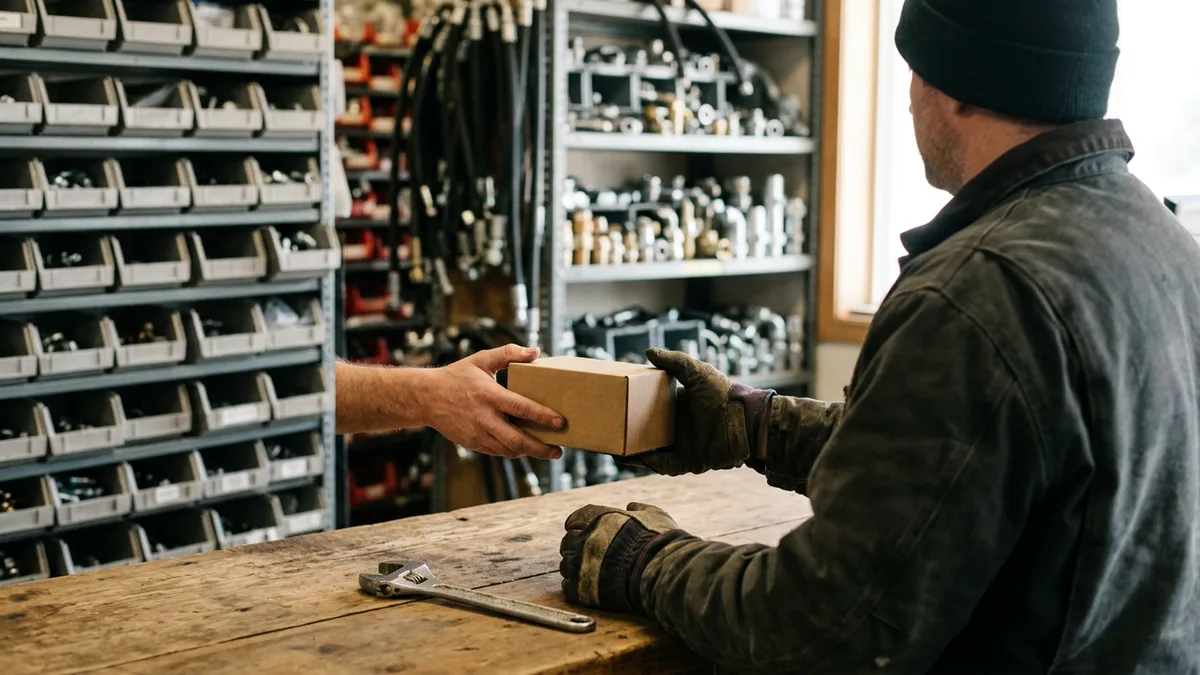
Experian’s guide to building business credit, published September 20, 2024 and read on November 20, 2026, says trade credit won’t affect a business credit score unless the vendor or supplier reports the payments. It advises asking an existing vendor that doesn’t report whether it will consider doing so. Dun & Bradstreet, Experian, and Equifax each keep their own business files with their own models. Numbers don’t transfer. Reporting does.
How to Build Business Credit, Step by Step
Order matters.
- Form the entity, then get the EIN. The IRS describes an EIN as a federal tax ID number for businesses and says you can get one free, direct from the IRS. A business that doesn’t need one for federal tax purposes can still request one for banking.
- Open a business bank account in the entity’s name and run the business’s money through it. When a supplier gets paid from the owner’s personal account, nobody can tell the business paid it.
- Ask Dun & Bradstreet for a D-U-N-S number, the identifier its business file is built around. Give it the legal name and the address the bank already has on file.
- Ask each vendor you already pay, from a supplier to a parts counter to a material yard, whether it reports payments to the business bureaus. Many don’t. A payment that goes unreported is still a real payment, but no bureau can see it.
- Pay what’s due on time, every time, and keep the invoices and receipts so a disputed entry can be answered with paper.
- Pull the business report from each bureau and read it line by line. Look for accounts that aren’t yours, a wrong address, and payments marked late that weren’t.
That’s the whole list. No trick, no score target. The clock starts at the first vendor report, not at formation.
What an Equipment Lender Reads in a Thin File
A thin file leaves questions open.
| The question | What a thin file leaves open | What can answer it |
|---|---|---|
| Does it pay on time? | No vendor history to read | Bank statements |
| Who stands behind it? | A young entity, little record | The owner’s credit report and trade experience |
| What secures the debt? | The file says nothing | The machine itself |
| Do the records agree? | Names and addresses differ | One legal name and address everywhere |
| Is the business really separate? | Mixed accounts blur it | A business bank account in the entity’s name |
- With a thin file, the owner’s report, the bank statements, and the equipment carry more of the review, and each lender weighs them its own way.
- Our page on how lenders review an application when credit is imperfect walks through the pieces.
- How equipment financing works covers the structures.
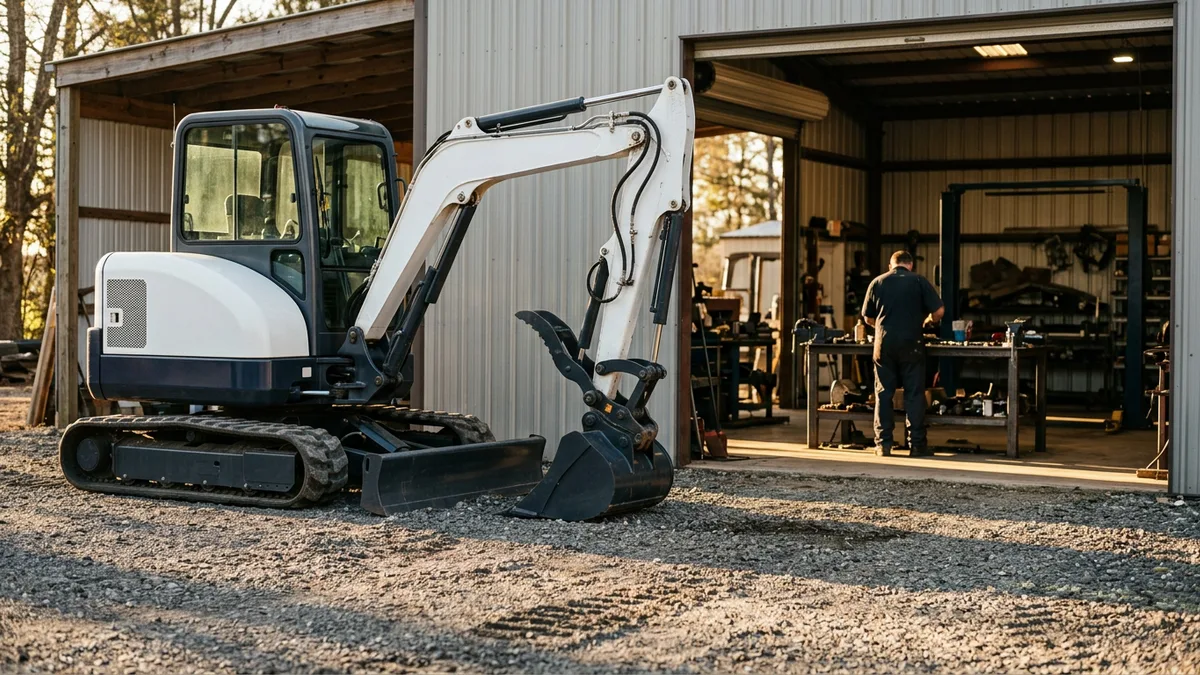
- A UCC-1 financing statement can name the specific machine as collateral, so the lender’s claim attaches to a serial number instead of the whole business.
- A working capital request has no serial number to point to.
The Personal Guarantee and the Owner’s File
A personal guarantee is the owner’s written promise to repay the debt if the business doesn’t.
59%
of firms with debt used a personal guarantee to secure it, in a Federal Reserve Banks survey of 6,525 small employer firms fielded in fall 2025.
Source: Federal Reserve Banks, 2026 Report on Employer Firms (2025 Small Business Credit Survey), March 2026
A business credit file doesn’t cancel a guarantee. Each lender decides, on the whole file. Ask early.
- Ask whether the guaranty is capped.
- Ask whether it ends when the debt is paid.
- Get both answers in writing before you sign.
- Our page on personal guarantees on equipment loans and leases goes through what a business owner signs.
Mistakes That Leave the File Empty
- Paying a vendor from the owner’s personal account.
- Opening accounts with vendors that never report, then wondering why the file is still empty.
- Letting the business name and address drift between the bank, the IRS, and the bureaus. If each holds a slightly different version, a bureau may not connect them, so use the legal name exactly as formed everywhere.
- Assuming a business credit card reports to a business bureau. Ask the issuer whether it reports there or to the owner’s personal file.
- Reading the file for the first time on the day of the application.
- Hiring a service that promises a score. Nobody controls the number.
Common Questions About Business Credit
Is it possible to keep the owner’s own credit out of it entirely?
The owner’s personal credit stays out of the business’s bureau file, but a lender reviewing a thin file often looks at it anyway.
- Business credit sits under the business’s own identifiers.
- Early on, the lender leans on the person behind the business.
Do vendors actually report your payments?
Some do, and many don’t, so ask each vendor before you count on it.
- An unreported payment is still a payment.
- No bureau can score what it never receives.
- Ask which bureaus a vendor reports to, and get the answer in writing.
Realistically, how long does it take to build business credit?
Wrong clock, slightly. A bureau builds its file from the payments it receives, so the time starts at the first report, not on the day the business was formed.
- Anyone quoting a number of months is guessing.
- Plan the equipment purchase on the machine’s schedule and build the file alongside it.
Does an EIN build credit by itself?
An EIN is a tax ID, not a credit file, and getting one doesn’t put a single payment on record.
- It lets the business be identified at a bank, with the IRS, and at a bureau.
- The later steps depend on that.
What does an equipment lender look at when the business file is empty?
Several things, read together: the owner’s personal credit report, how the business has operated, its bank statements, and the equipment as collateral.
- Each lender weighs them its own way.
- One lender’s answer doesn’t bind the next.
- Bank statements showing the business paying its own bills give a lender something to read.
Does a personal guarantee come off once the business has credit?
Not automatically, because each lender decides on the whole file.
- A longer business record is one input among several.
- Before you sign, ask whether the guaranty is capped and whether it ends when the debt is paid.
- Get the answers in writing.
Does a business credit card count as building business credit?
It can, when the issuer reports the account to a business bureau, so that’s the question to ask before you open one.
- Some issuers report to the owner’s personal file instead.
- Ask which bureaus it reports to, and whether the card carries a personal guarantee.
Next Steps
Building the file is slow, plain work, and it’s the right order. A word from us, since we finance equipment: when a purchase is on the horizon, see equipment financing at Paramount Financial, or start an application and have your own file reviewed.