
Last updated: November 19, 2026
Farm Equipment Leasing: True Leases and Lease-to-Own for Ag Machinery
How true leases and buyout leases work on tractors, combines and implements, and how each one ends.
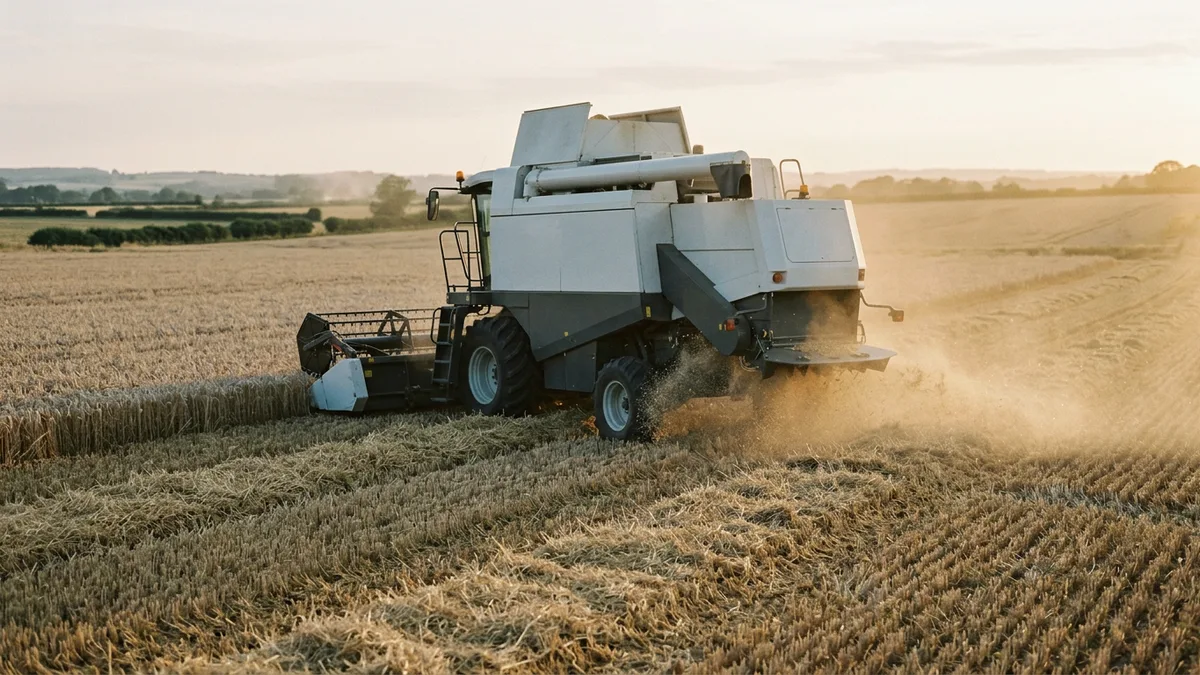
Farm equipment leasing puts a machine on the farm for a set term. A true lease ends with a return, a renewal or a purchase at fair market value, and a buyout lease lets the farm keep the machine.
A combine earns for a few weeks and sits the rest of the year. A tractor logs its hours in bursts around planting and haying. A farm lease follows those meters, which is why it doesn’t work like a lease on an office copier. Meters set the terms.
This page sits under our equipment leasing guide and stays on the farm. The loan side and the farm calendar are in farm equipment financing. Buying one machine? Tractor financing covers it.
Farm equipment leasing starts with the true lease
A true lease is a rental of the machine for a fixed term. The lessor owns the equipment, the farm pays for the use of it, and the farm has no right to take title for a token amount. When the term ends, the farm returns the machine, renews or buys it at what it’s then worth.
Those are the units Kansas State’s Mark Dikeman names when he writes that operating leases of machinery may be based on engine or separator hours, miles, bales or acres, which is why the cost of a lease priced that way may not be known up front. Pay-by-use sounds simple. Until harvest runs long.
Repairs and insurance vary. A lessee is usually responsible for all repairs the warranty doesn’t cover, as an owner would be, according to Nebraska’s CropWatch. Our fair market value lease guide covers the rest.
Four ways to put a machine on the farm
Same machine, four contracts. Here’s who owns it and how each one ends.
| The contract | Who owns the machine during the term | How the term ends | What it often suits |
|---|---|---|---|
| True lease at fair market value | The lessor | Return it, renew it, or buy it at what it’s worth then | A machine the farm swaps on a cycle |
| Use-based operating lease | The lessor | Return it, with payments tied to engine hours, separator hours or acres | Work that comes in bursts, like a harvest rig |
| $1 buyout lease | The farm, in substance, with the lessor holding a lien | Pay a token amount and keep it | A machine the farm plans to keep |
| Loan or equipment finance agreement | The farm, from delivery | The last payment clears the lender’s lien | A machine that stays in service for most of its life |
Names change by lessor. The terms are what count. Our guides to the operating lease versus the finance lease and the equipment finance agreement sort out the labels.
Farm equipment leasing that ends in ownership
A lease-to-own tractor is usually a $1 buyout lease. Pay through the term, pay the token amount, and the machine is yours. Simple on paper.
The law reads past the word on the front page. Under UCC section 1-203, a lease the farm can’t cancel that gives it an option to own the goods for no extra consideration or for a nominal amount creates a security interest, which makes it a purchase with a lien. A purchase option priced at fair market value, set when the option is used, doesn’t. That one’s still a rental.
Those are the signs of a capital lease that Kansas State’s Mark Dikeman lists for Utah State Extension, where no single sign decides it and a capital lease is treated as a financed purchase. Nebraska’s CropWatch says the most common farm problem is a lease with no true fair-market-value buyout at the end.
For tax year 2026, IRS Publication 946 says property qualifies for the section 179 deduction only if it was acquired by purchase, and the dollar limit is $2,560,000, reduced once qualifying property placed in service tops $4,090,000. Whether a given lease counts as a purchase is a tax question. Consult your tax advisor before you sign, and before you trade an old tractor in on a lease. Our guide to the tax treatment of leased equipment has more.
Machinery rent and lease on American farms
USDA’s 2022 Census, Table 4. Depreciation covers every owned asset a farm writes off, not only machines.
Hours, harvest and the end of the term
Nebraska’s CropWatch notes that some leases specify the number of hours a machine may be used before a penalty is imposed, and a long wet fall can use up an allowance faster than anyone planned. Settle these before you sign.
It’s all in the contract. Our guides to end-of-lease options and the equipment lease agreement walk the four endings and the clauses to read.
Farm machines that get leased
What farmers ask about farm equipment leasing
Is it better to lease or buy farm equipment?
Match the contract to the end of the term. A farm that wants the same machine in year five leans toward a loan or a buyout lease, and a farm that wants a newer one leans toward a true lease.
- The hours on the meter at the end of the term, against what the machine is worth then.
- How the tax treatment of each structure changes the numbers, which is a question for your tax advisor.
What’s the difference between an equipment loan and an equipment lease?
Say a farm takes delivery of a tractor in March: under a loan the farm owns it that day and the lender holds a lien, and under a true lease the lessor owns it until the term ends.
- A loan or an equipment finance agreement clears the lien with the last payment.
- A true lease ends with a choice among returning, renewing or buying at what the machine is worth then.
- Our leasing versus buying equipment guide lays out the trade.
What does lease to own on farm equipment really mean?
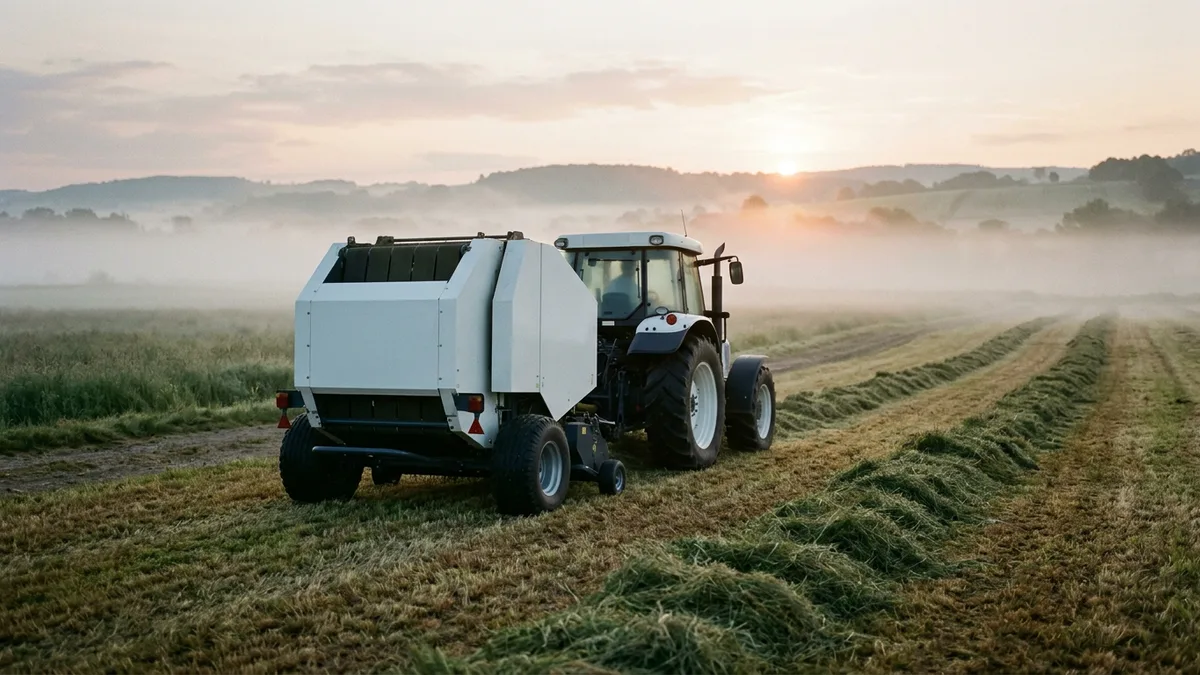
A farm that leases a baler with a $1 buyout at the end holds a paper that says lease, and UCC section 1-203 treats it as a purchase with a lien.
- The law looks at the option to own for a nominal amount.
- The farm pays through the term, pays the token amount and keeps the baler.
- The buyout clause tells you which one you’re signing.
Do hours matter on a leased combine or tractor?
A combine on a separator-hour lease costs more the longer harvest runs, because every hour it works gets counted.
- Ask what the allowance is and how it’s counted.
- Ask what an extra hour costs.
- Compare both with the hours the machine ran last year.
Can a farm lease a used tractor or combine?
Ask each lessor, because some write leases on used machines and some won’t.
- The machine’s age and the hours on its meter.
- The serial number.
- The seller’s paperwork, covered on our used equipment financing page.
What slows down a farm equipment lease request?
Paperwork that doesn’t match the machine slows a lease request.
- A serial number that differs between the quote and the machine.
- An earlier lender’s lien still on a used tractor.
- A trade-in nobody has valued.
Settle the structure first.
Weighing a lease on a farm machine?
Leave your details and a Paramount Financial specialist will call to talk through the machine and the structure. Prefer the application? Start the credit application.