
What Is an SBA 504 Loan? How the CDC, the Bank and Your Project Fit Together

Key takeaways
An SBA 504 loan is long-term, fixed-rate financing for major fixed assets, made through a Certified Development Company that works alongside a bank, with SBA guaranteeing the CDC’s portion.
- Two lenders share one project. A bank takes the first lien and a CDC takes the second.
- The business adds its own cash, and SBA’s rules set the minimum.
- Land, buildings, and long-lived machinery are on the list. Working capital and inventory aren’t.
- Equipment with a shorter life is where a 504 project tends to run out of road.
A 7(a) loan is one note from one lender. An SBA 504 loan is two loans stacked on the same project, plus the owner’s own cash, and the second lender is one most owners have never heard of.
Full disclosure: we offer equipment financing, and we don’t make SBA loans.
Everything up to the section on what a 504 loan leaves out is SBA’s own text, read on November 19, 2026. Its rulebook, Standard Operating Procedure (SOP) 50 10, has been at version 8.1 since October 1, 2026. SBA revises it. Confirm any detail before you rely on it.
How an SBA 504 Loan Works
An SBA 504 loan finances a business project in three layers. The Third Party Lender, usually a bank, provides half or more. A Certified Development Company, a nonprofit SBA certifies, provides up to 40 percent through a debenture that SBA guarantees in full. The business covers the rest from its own funds.
SBA’s 504 page says CDCs “originate in collaboration with a senior lender,” and that 504 loans are available “exclusively through” them. Banks can’t make one alone.
50 / 40 / 10
The standard split of a 504 project’s financing, in percent of project cost: the Third Party Lender 50 or more, the CDC’s debenture up to 40, the business’s own contribution at least 10.
Source: U.S. Small Business Administration, SOP 50 10 version 8.1, Section C, 2026
The order matters. The bank’s loan takes the first lien on the property, and the CDC’s loan usually takes the second. The bank’s loan has to be at least as large as the net debenture proceeds, and under SOP 8.1, SBA doesn’t permit a CDC to serve as the Third Party Lender on a project it finances itself.
Whoever holds the first lien is paid first from the property if the loans go bad. That’s the bank. SBA’s guarantee stands behind the CDC’s slice, not the bank’s.
Who Does What in a 504 Project
Four parties touch every deal.
| Role in the project | |
|---|---|
| Third Party Lender | First-lien loan, may bridge the build |
| CDC | Takes the application, issues the debenture, closes |
| SBA | Guarantees the debenture, writes the rules |
| The business | Puts in cash, uses the property, owes both loans |
The steps follow 13 CFR 120.801 and the SOP’s chapter on the 504 program, and they run in a fixed order.
- The business applies through a CDC serving the area where the project is located.
- A commitment letter or term sheet from the Third Party Lender goes in with the application.
- If SBA agrees to guarantee the debenture, an interim lender funds project costs as they come due.
- When the project is finished, the CDC closes the 504 loan.
- The debenture sale pays off the interim lender, and the business repays both loans.
One clause in the SOP gets overlooked. The bank’s note can’t carry a cross-default or “deem-at-risk” provision that lets the bank demand payment before maturity unless the loan itself is in default. Ask about it early.
What the Project Can Pay For
SBA’s 504 page lists three uses:
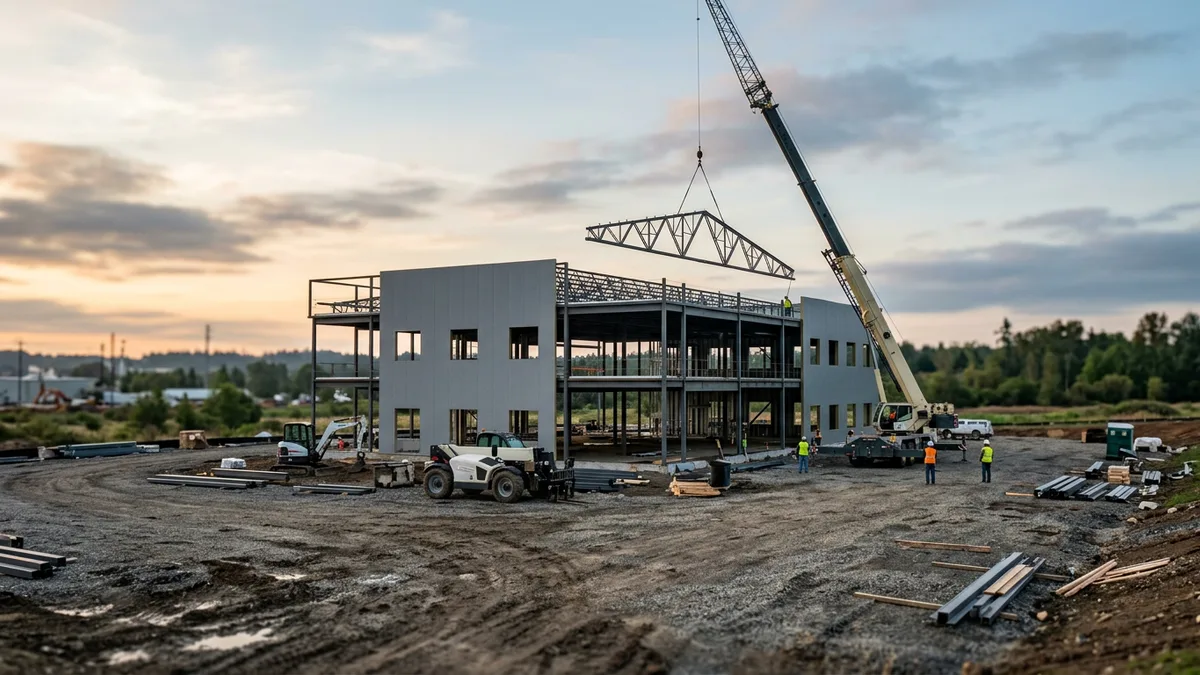
- Buying land or an existing building, or constructing or renovating one
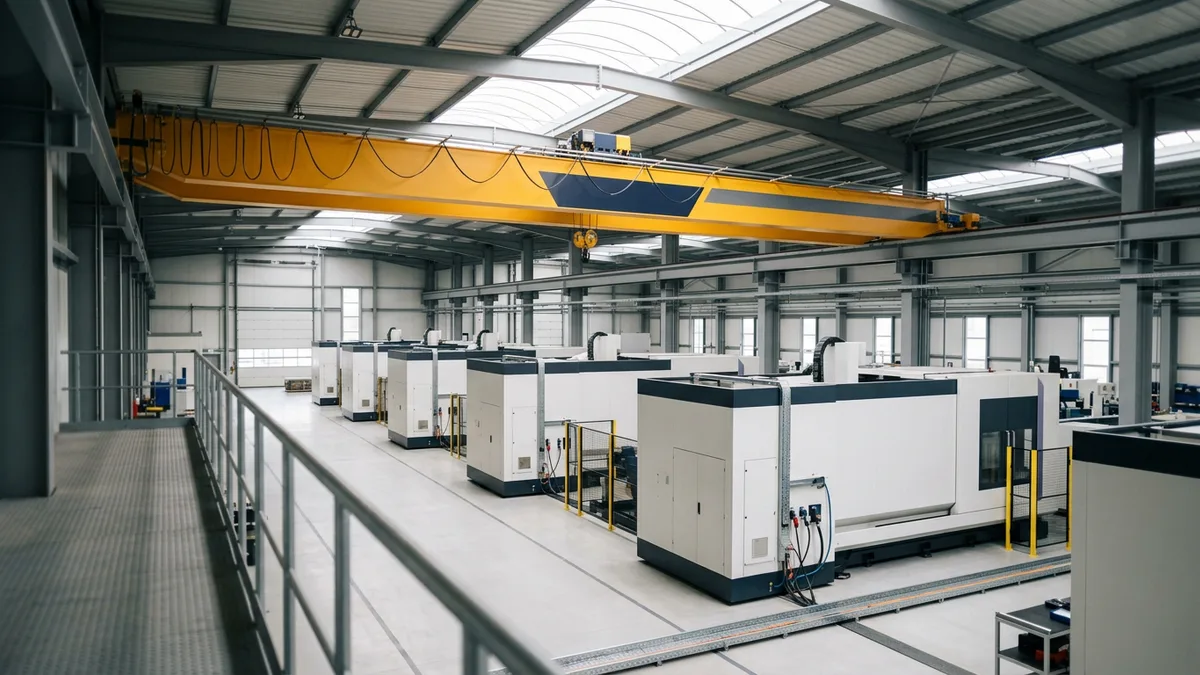
- Long-term machinery and equipment with a useful remaining life of at least 10 years
- Repaying certain “qualified debt,” as the regulation defines it
Working capital and inventory sit on the other list, the one of things the loan can’t be used for. So does speculation or investment in rental real estate.
The equipment test has two halves. The regulation, 13 CFR 120.120(a)(6), asks for a useful life of at least 10 years and a fixed location, and the SOP counts the purchase, transportation, dismantling, and installation of the machine as project costs.
An overhead crane on its own runway fits. A service truck, which spends its day somewhere else, doesn’t. Fixed means fixed.
There’s one exception worth knowing. If the business already owns heavy or highly calibrated equipment, such as a large printing press, and has to move it as an essential part of the project, the SOP lets the special moving costs, dismantling and installation included, count as project costs. Furniture and fixtures count only when they’re essential to the project and a minor part of it.
Rules the Project Has to Meet
A 504 loan isn’t only a financing product. SOP 8.1 calls the program “an economic development program to create and preserve job opportunities,” and the rules follow from that.
The jobs rule is the one that surprises people. A project has to create or retain one job opportunity for every $95,000 SBA guarantees, or one for every $150,000 for a small manufacturer or an energy-efficiency project. A project can instead meet a community development or public policy goal from 13 CFR 120.862, such as export expansion or rural development, so long as the CDC’s whole portfolio still meets its job average.
Then occupancy. For an existing building, the business occupies 51 percent of the rentable space. For new construction, it’s 60 percent. Developers and landlords who don’t use the property themselves are generally out.
One line to remember. On 504 loans, the SOP says, the applicant’s cash flow is “the primary source of repayment, not any expected recovery from the liquidation of collateral.” The collateral matters. It isn’t the plan.
Terms and Limits in the SOP
Maturities are 10, 20, or 25 years, set by the remaining useful life of what’s being financed. Real estate can run to 25, and equipment gets the 10-year term. When a project mixes the two, the asset category that makes up the majority of the loan proceeds sets the term. Majority rules.
The bank’s loan has its own floor. It needs a term of at least 7 years when the 504 loan runs 10 years, and at least 10 years when the 504 loan runs 20 or 25.
The CDC’s loan carries a fixed rate, set from market conditions for long-term government debt when the debenture is sold. We’re leaving the figures out. They move with the market.
The loan itself is capped. SOP 8.1 limits the gross debenture to $5,000,000 outstanding for each small business and its affiliates, and to $5,500,000 for each eligible project of a small manufacturer or an eligible energy project. That cap sits on the CDC’s loan, not on the whole project, so the bank’s loan and the owner’s cash go on top of it.
Pages quote different numbers here, and SBA’s own program page prints both $5 million and $5.5 million. The regulation and the SOP spell out which one applies to whom.
Then the business’s own cash. It’s at least 10 percent of project cost in the standard case. SOP 8.1’s structure table raises it to 15 percent for a business operating two years or less or a limited- or single-purpose building, and to 20 percent when both apply.
What an SBA 504 Loan Leaves Out
A 504 loan pays for the project on the application. Nothing else. Anything outside it needs another route, and the rules draw the line in a few places.
- Working capital and inventory. Off the list.
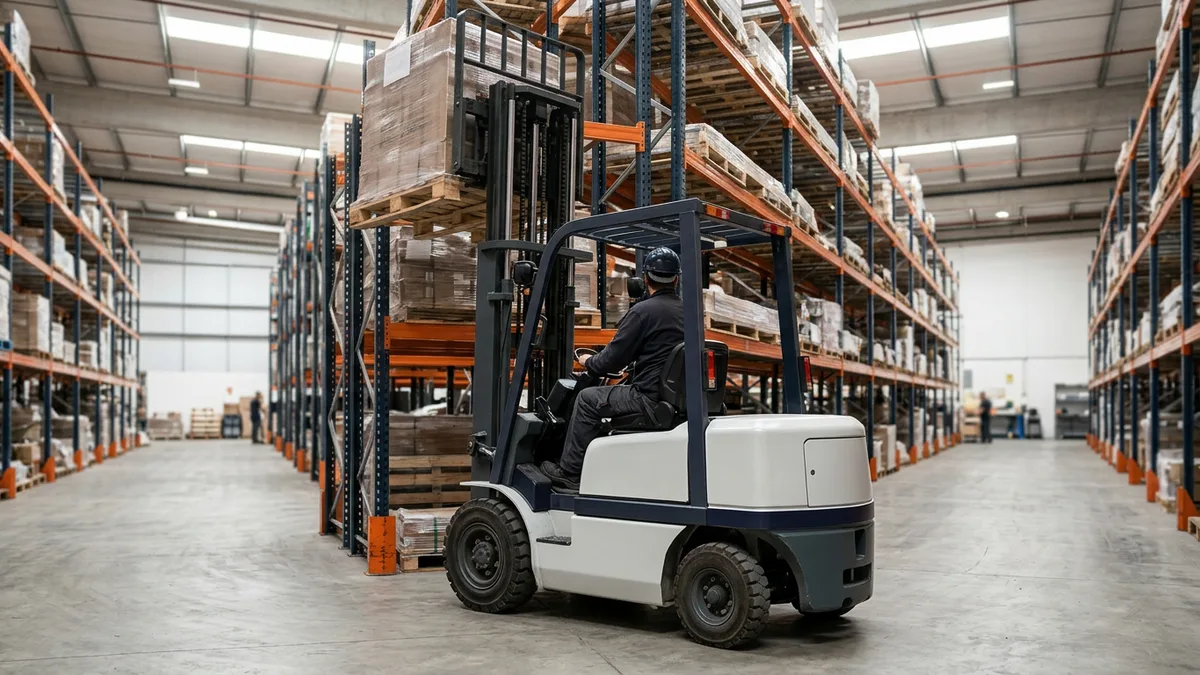
- Mobile or short-lived equipment, like a forklift or a service truck, that can’t meet the 10-year, fixed-location test.
- Furniture and fixtures beyond a minor part of the project.
- Racking and sprinkler work. Is it part of the building, or is it equipment? Its treatment depends on how the CDC classifies it in the file, so ask early.
- Ordinary moving costs. The SOP names special moving costs for heavy or highly calibrated equipment the business already owns, and nothing broader.
- Anything bought after closing.
Here’s a rule that works. Before the application, write down every purchase the build or the move needs, and ask the CDC to mark each one in, out, or unsure. The unsure column is where the surprises live.
Whatever lands outside the project needs its own financing, on its own timeline. We finance equipment. We don’t make SBA loans. Our guide to equipment financing alongside an SBA loan covers how a separate financing sits next to an SBA loan’s collateral.
For the program side,SBA 504 vs 7(a) for equipment sets the two loans against each other, and how an SBA 7(a) loan works covers the other one.
What SBA lenders check on an application covers the paperwork. The stages of an SBA loan show where a 504 deal has more hands in it, and what to review after an SBA loan is denied picks up from a no.
Questions Owners Ask About 504 Loans
So who actually lends the money in a 504 deal?
Two lenders. A bank, as the Third Party Lender, provides half or more of the financing, and a CDC provides up to 40 percent through a debenture SBA guarantees.
- The bank’s loan holds the first lien.
- The CDC’s loan usually holds the second.
- The business funds the remainder from its own cash.
Is a 504 loan only for buying a building?
Buildings and land are only part of it. SBA’s 504 page also lists long-term machinery and equipment with a useful remaining life of at least 10 years.
- One project can combine property and equipment.
- The regulation asks for a fixed location for the equipment.
Could the CDC and the bank be the same company?
Not on the same project. SOP 50 10 version 8.1 says SBA doesn’t permit a CDC to be the Third Party Lender on a project that CDC finances.
Same idea for interim financing. A CDC may bridge a project only when another CDC is financing it.
Does the business have to use the building it buys?
51 percent of an existing building, 60 percent of a new one. That’s the share of the rentable space the SOP asks the business to occupy.
Landlords and developers that don’t use the property themselves are generally outside the program.
How is a 504 loan different from a 7(a) loan?
A 7(a) loan is one lender’s loan with a partial SBA guaranty, and working capital is on its list of uses. A 504 loan is two loans on a fixed-asset project, and working capital isn’t.
Our look at the two programs side by side goes line by line.
What if some of the equipment doesn’t fit the project?
It needs its own route. Cash, a credit line the business already holds, and separate equipment financing are the usual ones.
Our list of seven SBA loan alternatives covers more.
Next Steps
Have equipment a 504 project won’t carry? See how financing sits next to an SBA loan, then start an application or talk to our team.