
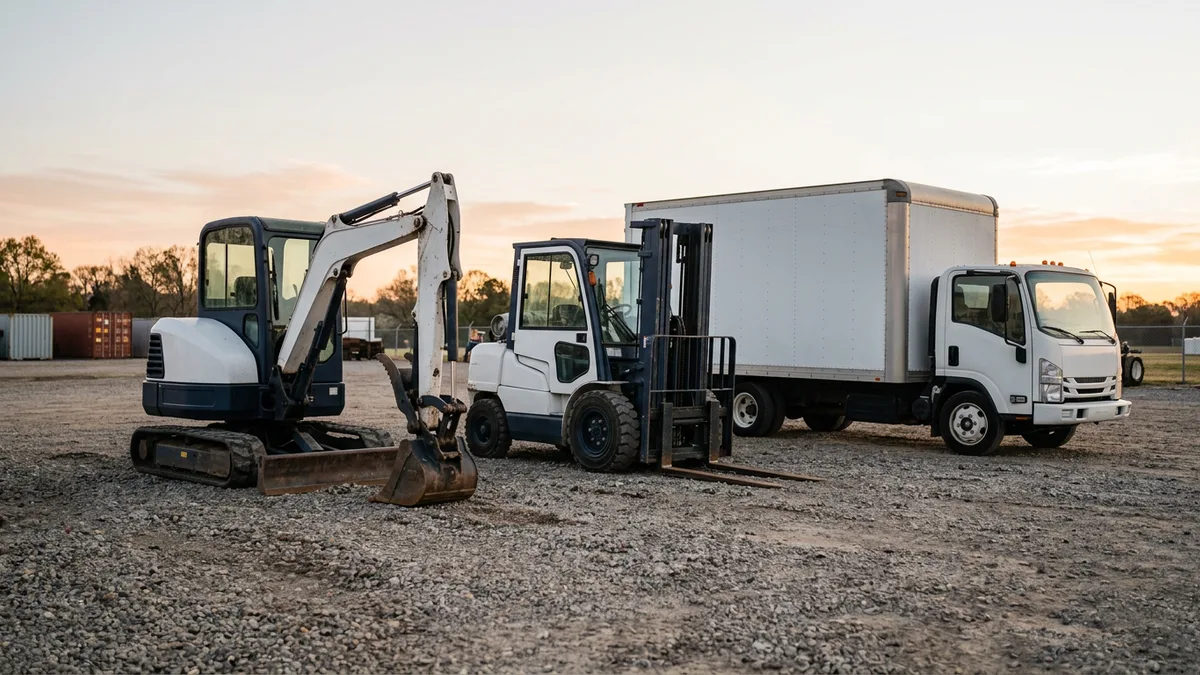
Best Equipment Financing Companies: How to Compare Lenders (2026)

Key takeaways
The best equipment financing companies for one business aren’t the best for another, so compare five kinds of lender on what they file, finance and quote instead of trusting any ranking.
- Five kinds of lender, five trade-offs. No names, no ranking.
- Ask who funds the deal. The company that places your file may not be the one that signs it.
- The collateral line on the UCC-1 shows how much of your business a lender can reach.
- A quote is only as good as the answer to “what could move it?”
- Used and private-party deals are a question for each lender.
Search for the best equipment financing companies and you’ll find lists of six or eight names, each with a starting rate, a credit-score line, and a funding time beside it. Every list we read carried a disclosure saying providers can pay to appear, or that payment can affect the order. We won’t add another.
We’re one of the companies in this market, so read the rest knowing that. If you want to know what we do, how Paramount Financial finances equipment has it. This post is about comparing anyone, us included.
Why There’s No Ranking Here
“Best” depends on facts a list can’t know. Which machine. How long you’ll keep it. Whether it’s new, used, or coming from a private seller. What your business looks like on paper this month.
A ranking also freezes numbers that move. One roundup carried a 2026 title over a table whose data was marked as of June 2023. Rates, minimum scores, and funding times are each lender’s own claims, and they change faster than a page gets updated.
So here’s what we can do honestly: sort lenders into types, say what each type tends to fund, and give you questions that make any company’s answers comparable.
Five Kinds of Equipment Financing Companies
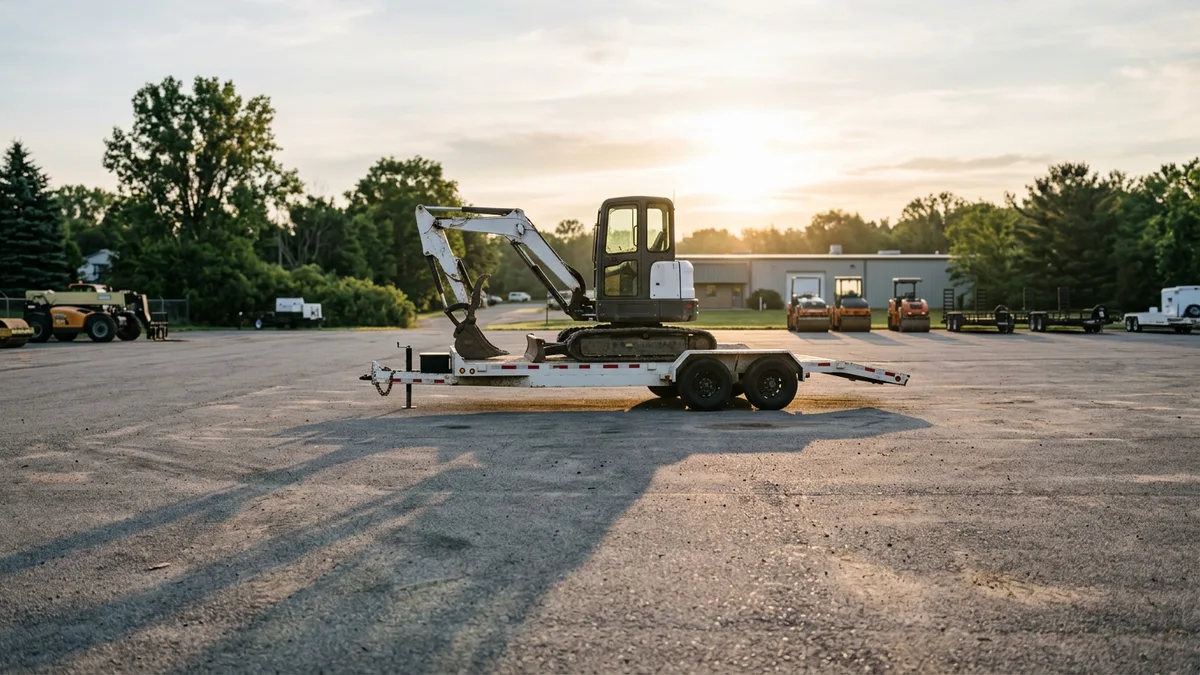
An equipment financing company is any business that pays for or funds a machine, truck, or system so a buyer can use it now and repay over time. Some are banks. Some belong to one manufacturer. Some do nothing but equipment. The type tells you more about the deal than the name on the door does.
| Lender type | What it usually funds | What to check |
|---|---|---|
| Bank or credit union | Equipment from any seller, weighed against the whole business | Whether the filing reaches all assets, and how your current line reacts |
| Manufacturer or dealer finance arm | That maker’s machines, usually sold through its dealers | What a promotional price turns into when it ends |
| SBA-backed lender | Equipment inside a 7(a) or 504 loan, through a lender or a CDC | The SBA’s process, and what the loan won’t cover |
| Independent finance company | New or used equipment, as loans or leases, depending on the lender | The lien description and the end-of-term option |
| Online lender or marketplace | A request that may go to one lender or several | Who the actual lender is, and what the quote leaves out |
The SBA row needs a footnote. The agency says it does not provide 7(a) loans directly to borrowers, so a participating lender does, and a 504 loan runs through a Certified Development Company alongside a senior lender. Both can pay for machinery. Each follows the SBA’s own process, and some businesses add equipment financing alongside an SBA loan for whatever the loan won’t cover.
Buying construction machines? Our comparison of construction equipment financing companies narrows the same idea to contractors.
How Non-Bank Lenders Get Their Money
Banks lend to your business. They lend to lenders, too. Federal Reserve researchers found that banks’ committed lending to private credit vehicles, which make direct loans to mid-market companies, grew from about $8 billion in early 2013 to about $95 billion by the end of 2024.
That note covers private credit funds, not equipment finance companies. Read it as a sign of how the system is wired, not a headcount of equipment lenders.
Why does that matter when you’re pricing a skid steer? We’re simplifying a little here. Not by much. A lender that borrows what it lends has to price what it lends, and many non-bank lenders sort applicants into risk tiers and price each tier separately. Two quotes for one machine can sit far apart. A low starting figure can describe the strongest file in a tier and almost nobody else’s.
60%
of small employer firms that borrowed from online lenders reported higher-than-expected borrowing costs in a survey fielded September to November 2025, a greater share than among firms that borrowed from other lender types.
Source: Federal Reserve Banks, Small Business Credit Survey, 2026 Report on Employer Firms
The survey covers small-business borrowing in general, not equipment alone, and it doesn’t say why costs came in high. The sensible response doesn’t need the reason. Ask for a realistic range up front, and ask what could move it once the file is reviewed.
Seven Questions to Ask Equipment Financing Companies
Send every company the same questions, in writing, then lay the answers side by side. A lender that won’t put an answer in writing has given you one anyway.
- Who funds it? The company you’re talking to, or another lender it places your file with? Brokers and marketplaces can serve you well. You just want the name of whoever signs the agreement.
- What does the UCC-1 cover? Under UCC §9-504, a financing statement can describe the specific collateral or say it covers all assets. One reaches a single machine. The other reaches the business. Ask for the draft filing before you sign, and see how UCC-1 liens work on financed equipment for the line-by-line.
- Is the machine used, or coming from a private seller? Some companies lend on both, some only on dealer sales. Ask before you shake hands on the purchase.
- What happens at the end? A fair market value lease prices the buyout at what the machine is worth then. A $1 buyout lease is built so you keep it. A loan leaves nothing to decide. Our post on operating and finance leases walks through the structures.
- How was the quote built: a range, or one number? And what could change it after the file is reviewed?
- What sits outside the payment line? Documentation fees, an end-of-term charge, the buyout itself.
- Does a state disclosure law apply? Some states, California among them, require written disclosures for certain commercial financing before the deal closes, and the California Department of Financial Protection and Innovation explains its rule on its site. Ask the company whether one applies to your deal.
Used Equipment Financing Companies and Private Sales
Used changes the conversation. A new machine often arrives with the manufacturer’s promotional financing already attached, courtesy of the dealer, while a used one has been traded, sold, or rented out and the promotion didn’t come along for the ride.
Used equipment financing companies tend to sort themselves into two camps. One treats a ten-year-old skid steer like any other collateral and prices the machine, its hours, and whatever service records the owner kept. The other lends mostly against dealer inventory and gets twitchy when the seller has no storefront. Neither is wrong. Which one picked up your call is the point.
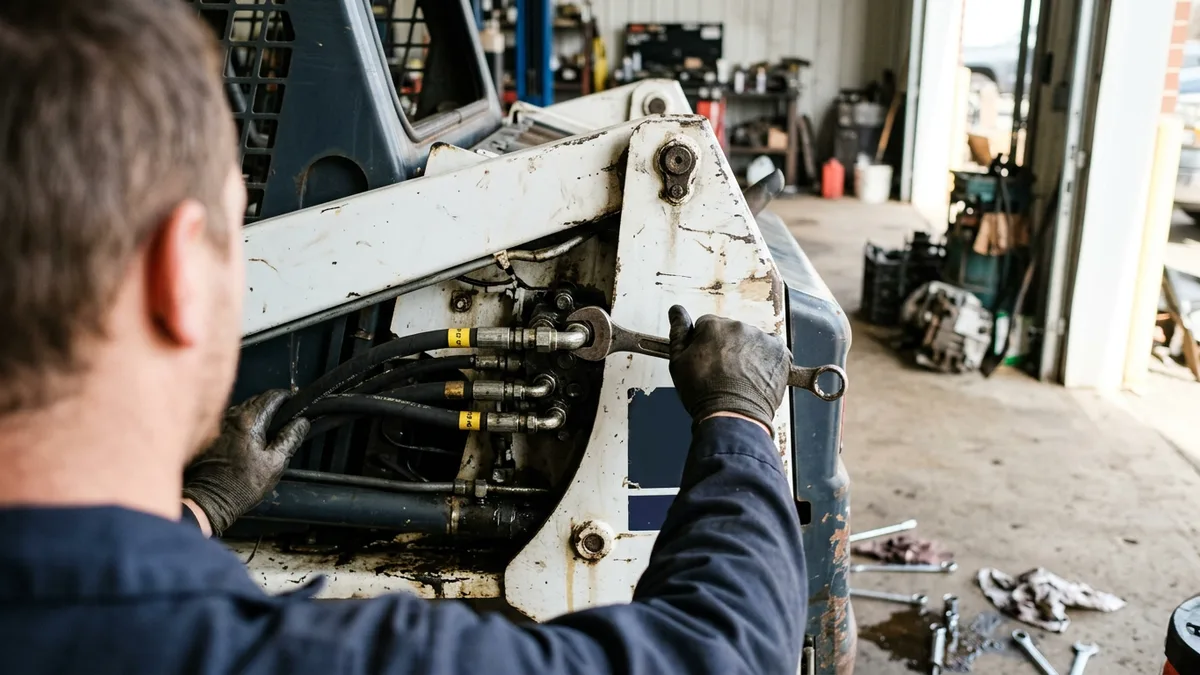
A private sale is paper-heavy. Lenders tend to want the serial number, a signed bill of sale, and a payoff letter if the seller still owes on the machine, and then they ask the one plain question that sits underneath the whole stack: does the plate on the frame match the documents? Leaks, pin play, and worn tracks come second. Our used equipment financing page covers the inspection and appraisal side.
Where Paramount Financial Fits
We sit in the independent row of that table, and that’s about as far as the label goes. Paramount Financial is an equipment leasing and financing company in Scottsdale, Arizona, with no machine maker behind it and no bank charter, and our finance page talks about equipment loans and leases for businesses nationwide.
Treat us like any other row. Same seven questions. Same writing. Answers lined up against the other four types.
Odd thing for a financing company to say, but sometimes the right answer is no lender. Cash that won’t thin out your working capital, or a credit line you already hold, can do the job without a second company and a second lien in the picture, so run the numbers in leasing vs buying equipment before you decide.
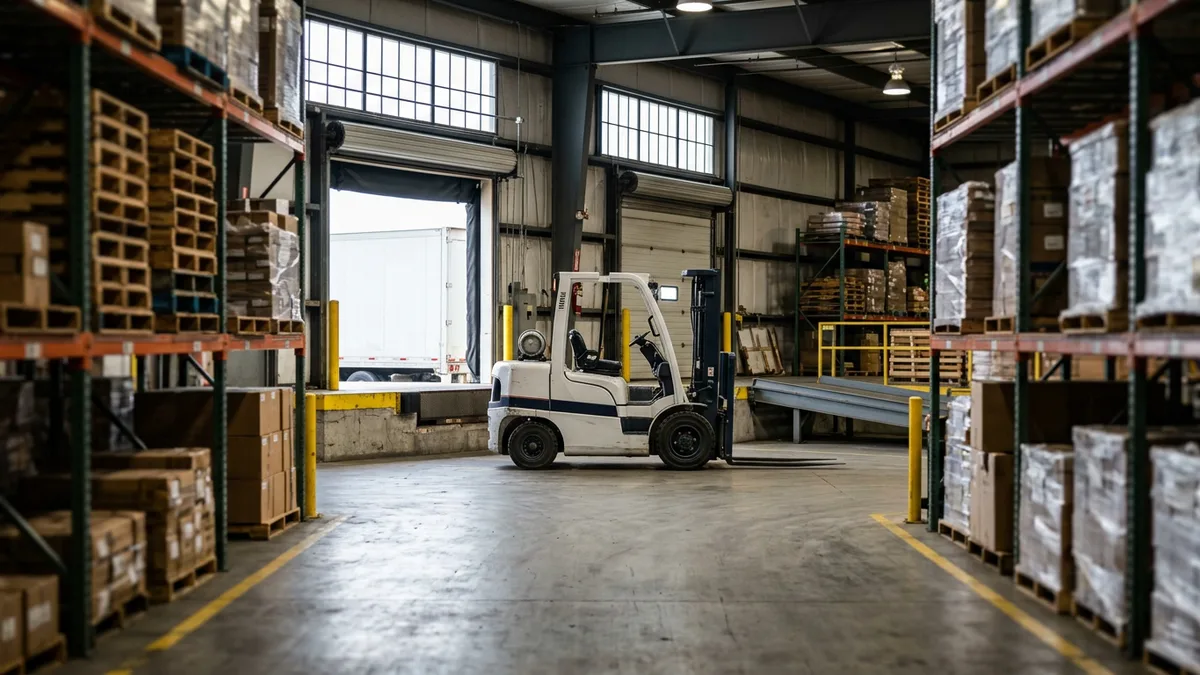
If you sell equipment, flip the questions around. What does a customer see on the application? Who funds the deal? And what happens to a file that doesn’t fit, because sooner or later one won’t? Our page on vendor and dealer financing programs shows how all of it looks from the seller’s chair.
What Owners Ask Before Choosing a Lender
The dealer already offered financing. Is a second quote worth the trouble?
Usually. Ask a second lender to quote the same machine over the same term, then set the lien description and the end-of-term option beside the payment, because a promotional price that looks great today deserves a hard look at what it turns into when the promotion ends. Cheap to check.
So who actually lends the money when a marketplace sends you a quote?
Somebody else, usually. A marketplace or broker hands your request to one or more lenders, and it might never fund a dime itself. Get the funding company’s name, the filing description, and the end-of-term option on paper before you agree to a thing.
Can a private-party purchase be financed at all?
Some lenders say yes and some say no, so ask before the handshake. The ones that say yes want proof, meaning the serial number, a signed bill of sale, and some assurance that the seller actually owns what’s being sold and can pass it on cleanly. No dealer is standing behind it. Paper is.
What do lenders actually look at before they approve a deal?
The business, the machine, the seller, and the structure of the deal, in proportions that change from company to company. Nobody can give you one score that works everywhere. So ask each lender what it weighs most. Within a conversation you’ll have a feel for whether your file fits, and you’ll have skipped a week of paperwork you didn’t need.
Why do two quotes for the same machine land so far apart?
Wrong question, slightly. Ask what each quote is made of. Lenders price risk their own way. A loan, a fair market value lease, and a $1 buyout lease also put the cost in different places, so add up every payment plus the buyout over one period before you compare anything.
Do you even need a lender for this purchase?
Maybe not. Cash that won’t leave you short on working capital, or a credit line you already hold, can cover it. Financing adds a company and a lien. If you do want it, go back to the five types above.
Next Steps
Ready to compare us with the rest? Explore equipment financing from Paramount Financial, or start an application once you’ve picked out the machine.